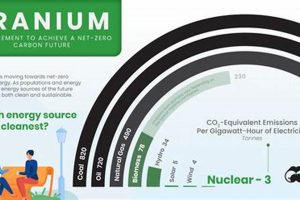
Country-wide strategies focused on sustainable energy sources like solar, wind, hydro, geothermal, and biomass offer alternatives to fossil fuels. For instance, a government might incentivize solar panel installation through tax credits, thereby fostering a nationwide shift towards cleaner energy. Such approaches address energy independence, security, and environmental concerns.
Transitioning to sustainable energy infrastructure offers numerous advantages, including reduced greenhouse gas emissions, decreased reliance on finite resources, and the creation of new economic opportunities within the green energy sector. Historically, energy policy has heavily favored fossil fuels. However, growing awareness of climate change and technological advancements are driving momentum towards sustainable alternatives on a national scale.
This discussion will further explore the various facets of sustainable energy transition, covering topics such as specific technologies, policy frameworks, economic impacts, and the role of public awareness campaigns in driving widespread adoption.
Tips for Implementing Country-Wide Sustainable Energy Strategies
Successfully transitioning to a sustainable energy landscape requires careful planning and execution. The following tips offer guidance for effective implementation on a national level.
Tip 1: Diversify Energy Sources: Relying on a diverse range of renewable resources, such as wind, solar, hydro, and geothermal, mitigates risks associated with resource availability and fluctuating market prices. A balanced portfolio ensures energy security and resilience.
Tip 2: Invest in Energy Storage: Intermittent renewable sources, like solar and wind, necessitate robust energy storage solutions to ensure consistent power supply. Investing in battery technology, pumped hydro storage, and other storage methods is crucial.
Tip 3: Modernize Grid Infrastructure: Existing grid systems often require upgrades to accommodate the decentralized nature of renewable energy sources. Smart grid technologies can optimize energy distribution and enhance grid stability.
Tip 4: Incentivize Public and Private Sector Adoption: Financial incentives, such as tax credits and rebates, encourage both individuals and businesses to adopt renewable energy technologies, driving market growth and wider adoption.
Tip 5: Foster Research and Development: Continuous investment in research and development is essential for improving the efficiency and affordability of renewable energy technologies, as well as exploring emerging solutions.
Tip 6: Implement Clear Regulatory Frameworks: Consistent and transparent regulations streamline the development and deployment of renewable energy projects, providing clarity for investors and developers.
Tip 7: Promote Public Awareness: Educating the public about the benefits of sustainable energy fosters wider acceptance and encourages participation in the transition.
By implementing these strategies, nations can effectively transition towards a more sustainable and secure energy future, reaping environmental and economic benefits.
The following section concludes the discussion by summarizing key findings and highlighting future directions.
1. Policy and Legislation

Governmental policy and legislation are fundamental drivers of national renewable energy transitions. They establish the framework within which sustainable energy technologies are developed, deployed, and integrated into the broader energy system. Effective policies create an enabling environment for investment, innovation, and market growth.
- Renewable Portfolio Standards (RPS):
RPS policies mandate that a certain percentage of electricity generation comes from renewable sources. These standards create market demand for renewable energy, driving investment in new projects. For example, California’s RPS requires 60% renewable electricity by 2030. Such ambitious targets accelerate the deployment of renewable energy technologies and contribute significantly to national renewable solutions.
- Feed-in Tariffs (FITs):
FITs guarantee fixed prices for renewable energy fed into the grid. This provides price stability and reduces investment risk, encouraging developers to invest in renewable energy projects. Germany’s early success with FITs demonstrated their effectiveness in stimulating rapid growth in the renewable energy sector, offering a valuable model for national renewable solutions.
- Tax Credits and Incentives:
Financial incentives, such as tax credits, rebates, and grants, can significantly reduce the cost of adopting renewable energy technologies. These incentives stimulate consumer demand and accelerate market penetration. The United States’ Investment Tax Credit for solar energy has played a key role in driving down costs and expanding solar adoption, showcasing the effectiveness of financial incentives within national renewable solutions.
- Carbon Pricing Mechanisms:
Putting a price on carbon emissions, either through carbon taxes or cap-and-trade systems, internalizes the environmental cost of fossil fuels. This creates a level playing field for renewable energy sources and encourages a shift towards cleaner alternatives. The European Union Emissions Trading System exemplifies a large-scale carbon pricing mechanism that contributes to regional and national renewable solutions.
These policy and legislative instruments, when implemented effectively and in coordination, create a powerful framework for achieving national renewable solutions. They address key barriers to adoption, stimulate innovation, and ultimately drive the transition towards a more sustainable energy future. By learning from successful examples and adapting policies to specific national contexts, governments can effectively leverage these tools to achieve ambitious renewable energy targets.
2. Technological Advancements

Continuous technological advancement is essential for achieving national renewable solutions. Innovation drives down costs, improves efficiency, and expands the feasibility of renewable energy technologies. These advancements impact all aspects of renewable energy systems, from generation and storage to transmission and integration.
- Improved Solar Cell Efficiency:
Advances in photovoltaic technology have led to significant increases in solar cell efficiency. Higher efficiency means more electricity generated per unit area, reducing land use requirements and improving the overall cost-effectiveness of solar energy. For example, the development of perovskite solar cells promises even higher efficiencies and lower manufacturing costs, further enhancing the viability of solar power as a key component of national renewable solutions.
- Advanced Energy Storage Solutions:
The intermittent nature of some renewable sources, like solar and wind, necessitates efficient and affordable energy storage. Advancements in battery technology, including lithium-ion and flow batteries, are crucial for ensuring a reliable power supply. Furthermore, innovations in pumped hydro storage and other storage technologies are expanding the options available for integrating renewable energy into national grids, contributing to more resilient and sustainable national renewable solutions.
- Smart Grid Technologies:
Modernizing grid infrastructure is essential for accommodating the decentralized and variable nature of renewable energy. Smart grid technologies, such as advanced sensors, real-time monitoring systems, and automated control systems, optimize energy distribution, enhance grid stability, and improve the integration of renewable sources. These technologies are pivotal for managing the complexities of a grid powered increasingly by renewable energy, supporting the realization of national renewable solutions.
- Next-Generation Wind Turbine Technology:
Innovations in wind turbine design, including larger rotor diameters, taller towers, and improved aerodynamics, are increasing energy capture and enabling wind energy generation in a wider range of locations. Floating offshore wind turbines, for instance, expand the potential for wind energy deployment, unlocking vast untapped resources and contributing to more ambitious national renewable solutions.
These technological advancements are interconnected and mutually reinforcing, driving a virtuous cycle of innovation and cost reduction. They are crucial for enabling countries to transition effectively and efficiently to renewable energy sources, paving the way for sustainable and secure national renewable solutions. Continued investment in research and development is vital to unlock the full potential of renewable energy technologies and achieve long-term energy independence and environmental sustainability.
3. Infrastructure Development

Infrastructure development plays a crucial role in the successful implementation of national renewable solutions. The existing energy infrastructure, primarily designed for centralized fossil fuel generation, often requires significant upgrades and expansion to accommodate the decentralized and intermittent nature of renewable energy sources. This includes investments in transmission lines, grid modernization, and energy storage facilities. For example, connecting remote wind farms to the national grid necessitates substantial investment in new transmission infrastructure. Similarly, integrating distributed solar generation requires upgrading local grids to manage two-way power flows and ensure grid stability.
The scale and complexity of infrastructure development for national renewable solutions necessitate careful planning and coordination. Strategic investment in smart grid technologies, such as advanced metering infrastructure and real-time monitoring systems, is crucial for optimizing energy distribution and managing the intermittency of renewable sources. Furthermore, developing adequate energy storage capacity, including pumped hydro storage and battery storage facilities, is essential for ensuring a reliable and continuous power supply. For instance, countries with high proportions of solar and wind power, like Denmark, have invested heavily in interconnectors to neighboring countries, enabling them to share and balance renewable energy resources across a wider geographical area. This demonstrates the practical significance of cross-border infrastructure cooperation in achieving national renewable solutions.
Adequate infrastructure development is a prerequisite for maximizing the benefits of renewable energy and achieving national renewable energy targets. Delays or underinvestment in infrastructure can hinder the integration of renewable sources, limit their effectiveness, and increase costs. Therefore, a proactive and coordinated approach to infrastructure development is essential for unlocking the full potential of national renewable solutions and ensuring a smooth transition to a sustainable energy future. Challenges such as securing funding, navigating regulatory hurdles, and ensuring public acceptance must be addressed strategically to enable timely and effective infrastructure development.
4. Economic Incentives

Economic incentives are crucial catalysts for accelerating the adoption of renewable energy technologies and achieving national renewable solutions. They directly address the financial barriers that often hinder the widespread deployment of these technologies, making them more competitive with conventional fossil fuel-based energy sources. Incentives can take various forms, including tax credits, rebates, grants, feed-in tariffs, and renewable energy certificates. For example, the production tax credit in the United States has played a significant role in stimulating the growth of the wind energy industry. By reducing the cost of producing wind energy, this incentive has made it more attractive to investors and developers, leading to increased deployment of wind turbines and contributing to national renewable energy goals.
The effectiveness of economic incentives hinges on their design and implementation. Well-designed incentives should be predictable, stable, and transparent to provide long-term certainty for investors. They should also be tailored to the specific market conditions and policy objectives of each country. For instance, feed-in tariffs have proven effective in promoting solar photovoltaic deployment in Germany, while renewable portfolio standards have driven renewable energy growth in several US states. Moreover, economic incentives can be combined with other policy mechanisms, such as carbon pricing and emissions trading schemes, to create a comprehensive policy framework that promotes both the development and adoption of renewable energy technologies. The success of renewable energy auctions in driving down costs in countries like India demonstrates the effectiveness of market-based mechanisms in achieving national renewable solutions.
Economic incentives play a vital role in stimulating private sector investment and innovation in the renewable energy sector. By reducing the financial risks associated with adopting new technologies, incentives encourage businesses and individuals to invest in renewable energy projects, fostering market growth and driving down costs over time. This creates a positive feedback loop, as increased deployment leads to further cost reductions and technological advancements, making renewable energy increasingly competitive and accelerating the transition towards national renewable solutions. However, policymakers must carefully consider the long-term fiscal implications of economic incentives and ensure their sustainability. A balanced approach that combines short-term incentives with long-term policy frameworks is essential for achieving lasting and cost-effective national renewable solutions.
5. Public Awareness

Public awareness is a critical component of successful national renewable solutions. Informed public support can drive policy changes, create market demand for sustainable technologies, and foster a culture of sustainability. Conversely, a lack of public understanding can hinder progress by creating resistance to new projects and policies. Cultivating public awareness is therefore essential for building momentum and ensuring the long-term success of renewable energy transitions.
- Understanding of Benefits:
Public understanding of the environmental, economic, and social benefits of renewable energy is crucial for building support. This includes awareness of the reduced greenhouse gas emissions, improved air quality, job creation potential, and increased energy independence associated with renewable energy sources. For example, public campaigns highlighting the positive health impacts of reduced air pollution can strengthen support for renewable energy policies. Clear communication of these advantages can shift public perception and motivate individuals to advocate for national renewable solutions.
- Acceptance of New Technologies:
Public acceptance of new renewable energy technologies is essential for their successful deployment. Concerns about the visual impact of wind turbines, land use requirements for solar farms, or the potential environmental impacts of hydropower projects can create local opposition. Transparent communication, community engagement, and proactive addressing of public concerns can mitigate resistance and facilitate the integration of renewable energy infrastructure. For example, involving communities in the planning and development of renewable energy projects can foster a sense of ownership and increase acceptance.
- Consumer Adoption of Sustainable Practices:
Public awareness campaigns can encourage individuals to adopt sustainable energy practices in their daily lives. This includes promoting energy efficiency measures, supporting rooftop solar installations, and choosing renewable energy options from electricity providers. Government initiatives offering rebates for energy-efficient appliances or providing information on how to switch to green energy tariffs can empower individuals to make informed choices and contribute to national renewable solutions.
- Political Engagement and Advocacy:
Informed public engagement in the political process is essential for driving policy changes that support renewable energy. Public awareness campaigns can educate voters about the importance of renewable energy policies and encourage them to support candidates who prioritize sustainable energy solutions. Grassroots movements and public advocacy can exert significant influence on policy decisions and create a political environment conducive to the advancement of national renewable solutions. For instance, citizen engagement played a key role in driving the adoption of ambitious renewable energy targets in several European countries.
These interconnected facets of public awareness collectively contribute to creating a societal environment that embraces and supports national renewable solutions. By fostering understanding, acceptance, and engagement, public awareness campaigns can unlock the full potential of renewable energy and accelerate the transition towards a sustainable energy future. A well-informed and engaged public is a powerful driver of change, capable of shaping policy, influencing market dynamics, and ultimately determining the success of national renewable solutions.
Frequently Asked Questions about National Renewable Energy Strategies
This section addresses common inquiries regarding the transition to national renewable energy solutions. Clear and accurate information is crucial for informed decision-making and public support.
Question 1: What are the primary barriers to implementing nationwide renewable energy solutions?
Obstacles include upfront costs of technology, grid infrastructure limitations, intermittency of certain renewable sources, and existing regulatory frameworks designed for conventional energy sources. Addressing these challenges requires technological innovation, policy adjustments, and public investment.
Question 2: How do national renewable energy strategies impact energy independence and security?
Shifting to domestic renewable resources reduces reliance on imported fossil fuels, enhancing energy independence and mitigating geopolitical risks associated with volatile global energy markets.
Question 3: What is the role of energy storage in ensuring grid reliability with intermittent renewable sources?
Energy storage technologies, such as batteries and pumped hydro storage, are essential for compensating for the fluctuating nature of solar and wind power, ensuring a consistent and reliable energy supply to the grid.
Question 4: How do national renewable energy strategies contribute to economic growth and job creation?
Investments in renewable energy technologies stimulate economic activity, create jobs in manufacturing, installation, maintenance, and research, fostering growth in emerging green industries.
Question 5: What are the environmental benefits of transitioning to national renewable solutions?
Renewable energy sources produce significantly fewer greenhouse gas emissions compared to fossil fuels, mitigating climate change and improving air quality, resulting in positive public health outcomes.
Question 6: How can individuals contribute to national renewable energy goals?
Individuals can support national renewable energy goals through actions such as reducing energy consumption, investing in rooftop solar installations, advocating for supportive policies, and choosing renewable energy options from electricity providers.
Transitioning to national renewable solutions necessitates addressing practical challenges and public concerns through informed discussions and collaborative efforts.
The next section delves into specific case studies of successful national renewable energy transitions, providing valuable insights and lessons learned.
Conclusion
This exploration has examined the multifaceted nature of national renewable solutions, encompassing technological advancements, policy frameworks, infrastructure development, economic incentives, and public awareness. Successful transitions require integrated strategies that address technical, economic, and societal considerations. The crucial role of policy and legislation in creating enabling environments for renewable energy deployment has been highlighted, alongside the importance of continuous technological innovation in driving down costs and improving efficiency. Furthermore, the need for robust infrastructure development and strategic economic incentives to support widespread adoption has been underscored. Finally, the significance of public awareness and acceptance in ensuring the long-term success of national renewable solutions has been emphasized.
National renewable solutions represent a critical pathway toward a sustainable energy future, offering substantial environmental and economic benefits. The transition requires concerted efforts from governments, industries, and individuals. Embracing these solutions is not merely a technological or economic imperative, but a societal responsibility, crucial for mitigating climate change, enhancing energy security, and fostering a more sustainable and prosperous future for all. The path forward requires ongoing innovation, collaborative partnerships, and unwavering commitment to realizing the full potential of national renewable solutions.