The levelized cost of electricity (LCOE) for technologies like solar and wind power represents the per-unit cost of electricity generation over the entire lifespan of a power plant, encompassing initial capital investments, ongoing operation and maintenance expenses, and the cost of financing. For example, a lower LCOE for solar photovoltaic systems compared to coal-fired plants indicates that solar is more economically competitive over the long term.
Understanding the economic competitiveness of various generation sources is crucial for effective energy policy and investment decisions. Historically, renewables have been perceived as more expensive than conventional fossil fuels. However, significant cost reductions in recent decades, driven by technological advancements and economies of scale, have transformed the energy landscape, making renewables increasingly viable and often cheaper than traditional sources. This shift has profound implications for reducing greenhouse gas emissions, enhancing energy security, and fostering sustainable economic growth.
This article will further explore the factors influencing the economic viability of renewables, including technological advancements, government incentives, and grid integration challenges. Subsequent sections will delve into specific renewable technologies, regional cost variations, and future cost projections.
Tips for Evaluating Electricity Generation Costs
Careful consideration of various factors is essential when assessing the economic viability of power generation technologies.
Tip 1: Consider the Levelized Cost of Electricity (LCOE): The LCOE provides a comprehensive measure of the cost of electricity generation over a plant’s lifetime, facilitating direct comparisons between different technologies.
Tip 2: Account for Regional Variations: Resource availability, labor costs, and regulatory frameworks can significantly influence the cost of renewable energy projects across different geographic locations.
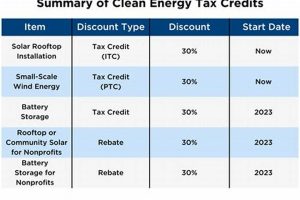
Tip 3: Evaluate Government Incentives and Policies: Subsidies, tax credits, and renewable portfolio standards can substantially impact the economics of renewable energy deployment.
Tip 4: Analyze Grid Integration Costs: Integrating intermittent renewable sources like solar and wind power may require grid upgrades and energy storage solutions, which should be factored into the overall cost assessment.
Tip 5: Assess Technological Advancements: Ongoing research and development efforts continually drive down the cost of renewable energy technologies, making them increasingly competitive with conventional sources.
Tip 6: Factor in External Costs: Traditional fossil fuels impose external costs on society, such as air pollution and climate change impacts, which are not typically reflected in market prices. Consider these externalities when comparing energy sources.
Tip 7: Long-Term Cost Projections: Projecting future costs is crucial for long-term planning. Consider factors such as fuel price volatility and technological advancements when making these projections.
Understanding these factors allows for a more informed evaluation of the economic competitiveness of various energy sources.
By considering these tips, stakeholders can make more informed decisions regarding energy investments and policy development, promoting a transition towards a more sustainable energy future.
1. Capital Costs

Capital costs represent a significant portion of the overall expenses associated with renewable energy projects. These upfront investments encompass the procurement, installation, and commissioning of necessary equipment and infrastructure. For instance, in solar photovoltaic (PV) projects, capital costs include purchasing solar panels, inverters, mounting structures, and grid connection infrastructure. Similarly, wind energy projects incur substantial capital costs for wind turbines, foundations, transmission lines, and substation equipment. The magnitude of these initial investments directly influences the long-term cost of electricity generation and the overall economic viability of renewable energy projects. Higher capital costs can lead to a higher levelized cost of electricity (LCOE), impacting the competitiveness of renewable energy compared to conventional energy sources.
The relationship between capital costs and the average cost of renewable energy is complex and influenced by various factors. Technological advancements, economies of scale, and supply chain dynamics play a crucial role in determining capital costs. For example, advancements in solar PV technology have led to significant cost reductions in solar panels over the past decade, making solar energy increasingly competitive. Furthermore, policy incentives, such as tax credits and subsidies, can significantly impact capital costs, making renewable energy projects more financially attractive. Conversely, factors like interest rates and financing costs can influence the overall capital expenditure and subsequently impact the average cost of renewable energy generation. Analyzing these factors is essential for accurately assessing the economic viability of renewable energy projects and developing effective strategies to minimize costs.
Understanding the impact of capital costs on the average cost of renewable energy is crucial for policymakers, investors, and project developers. Effective cost management strategies, coupled with supportive policy frameworks, can help reduce capital costs and accelerate the deployment of renewable energy technologies. This understanding facilitates informed investment decisions, promotes innovation, and contributes to a more sustainable energy future by making renewable energy increasingly cost-competitive with conventional energy sources. Addressing challenges related to capital cost reduction is essential for achieving widespread adoption of renewable energy and mitigating the impacts of climate change.
2. Operating Costs

Operating costs represent a crucial component of the overall expenses associated with renewable energy systems, significantly impacting the long-term cost of electricity generation. Unlike capital costs, which are incurred upfront, operating costs are ongoing expenses required to ensure the continued functionality and performance of renewable energy installations. A comprehensive understanding of these recurring costs is essential for accurately assessing the economic viability of renewable energy projects and comparing them with conventional energy sources.
- Operation and Maintenance (O&M)
O&M expenses encompass routine activities such as inspections, equipment servicing, repairs, and component replacements. For example, wind turbines require regular lubrication and blade inspections to ensure optimal performance and prevent premature failures. Solar PV systems may require periodic cleaning of panels and inverter maintenance. The magnitude of O&M costs can vary depending on the technology, location, and specific project characteristics. Effective O&M practices are crucial for minimizing downtime, maximizing energy output, and reducing the overall cost of renewable energy generation.
- Land Lease or Purchase
Securing suitable land for renewable energy projects incurs costs, either through lease agreements or outright purchase. Wind farms and large-scale solar PV installations require significant land areas. Land costs can vary significantly depending on location, land availability, and prevailing market conditions. Negotiating favorable land agreements and optimizing land use are essential for minimizing costs and enhancing project feasibility.
- Insurance and Administrative Expenses
Insurance coverage protects renewable energy projects against unforeseen events such as natural disasters, equipment failures, and liability claims. Administrative expenses cover activities such as project management, permitting, and regulatory compliance. These costs, while often overlooked, contribute to the overall operational expenses and should be considered when evaluating the long-term cost of renewable energy generation.
- Monitoring and Control Systems
Modern renewable energy installations utilize sophisticated monitoring and control systems to optimize performance, detect faults, and ensure grid stability. These systems require ongoing maintenance, software updates, and data analysis. While these systems contribute to improved efficiency and reliability, they also add to the operating costs of renewable energy projects. Balancing the benefits of advanced monitoring and control with the associated costs is crucial for cost-effective operation.
The cumulative effect of these operating costs directly influences the levelized cost of energy (LCOE), a key metric for comparing the cost-competitiveness of different energy sources. Minimizing operating costs through efficient management, technological advancements, and optimized maintenance strategies is essential for enhancing the economic viability of renewable energy projects and promoting their widespread adoption as a sustainable and affordable energy solution.
3. Fuel Costs

A defining characteristic of renewable energy sources like solar, wind, hydro, and geothermal is the absence of ongoing fuel expenses. Unlike conventional power plants that rely on the combustion of fossil fuels (coal, natural gas, oil) or nuclear fission, renewable energy technologies harness naturally replenishing resources. This fundamental difference has profound implications for the average cost of renewable energy. Eliminating fuel costs significantly reduces the levelized cost of electricity (LCOE) for renewable energy technologies, enhancing their long-term cost-competitiveness compared to conventional generation. For example, while a coal-fired power plant faces fluctuating and often escalating coal prices, a solar PV system generates electricity without fuel purchases, providing price stability and insulation from volatile fuel markets.
The absence of fuel costs offers several key advantages for renewable energy. It mitigates price volatility risks associated with fluctuating global fuel markets, providing greater predictability for long-term energy planning and budgeting. This predictability is particularly advantageous for businesses and consumers seeking stable electricity prices. Moreover, the absence of fuel dependence enhances energy security by reducing reliance on imported fuels, contributing to greater national energy independence. Furthermore, it contributes significantly to the environmental benefits of renewable energy by eliminating emissions associated with fuel extraction, transportation, and combustion. This fundamental advantage positions renewable energy as a key driver of the global transition towards a sustainable and decarbonized energy future.
While renewable energy technologies do not incur direct fuel costs, indirect costs associated with resource availability should be considered. For example, hydropower generation depends on adequate water resources, which can be impacted by drought conditions or competing water demands. Similarly, wind energy output relies on consistent wind patterns. Integrating these variable renewable energy sources into the electricity grid may necessitate investments in energy storage solutions or grid management technologies to ensure reliability and stability. Understanding these indirect cost considerations and incorporating them into comprehensive cost analyses provides a more nuanced perspective on the true cost of renewable energy generation and its role in a sustainable energy mix.
4. Maintenance Costs

Maintenance costs constitute a significant factor influencing the overall cost of renewable energy generation. These costs, while often lower than those associated with conventional power plants, play a crucial role in determining the long-term economic viability of renewable energy projects. Effective maintenance strategies are essential for optimizing performance, minimizing downtime, and extending the operational lifespan of renewable energy installations. Understanding the various components of maintenance costs and their impact on the levelized cost of electricity (LCOE) is critical for informed decision-making and cost-effective operation.
Several factors contribute to maintenance costs in renewable energy systems. Regular inspections, component replacements, and repairs are necessary to ensure optimal performance and prevent premature failures. For example, wind turbines require periodic lubrication, blade inspections, and gearbox maintenance. Solar photovoltaic (PV) systems may necessitate cleaning of panels, inverter maintenance, and replacement of faulty components. The frequency and complexity of these maintenance activities influence the overall cost. Furthermore, site accessibility, labor costs, and the availability of specialized technicians can impact maintenance expenses. Remote locations or offshore wind farms may incur higher maintenance costs due to logistical challenges and specialized equipment requirements. Investing in preventative maintenance programs and adopting advanced diagnostic techniques can optimize maintenance schedules, reduce downtime, and lower long-term costs.
Minimizing maintenance costs is crucial for enhancing the cost-competitiveness of renewable energy. Predictive maintenance strategies, utilizing data analytics and sensor technologies, can optimize maintenance schedules and prevent costly breakdowns. Investing in durable and reliable components can reduce the frequency of repairs and replacements. Effective training programs for maintenance personnel can enhance their expertise and efficiency. Furthermore, fostering collaboration among industry stakeholders, research institutions, and technology providers can drive innovation in maintenance practices and contribute to cost reductions. Ultimately, a comprehensive understanding of maintenance costs and their impact on the overall cost of renewable energy generation is essential for promoting the widespread adoption of sustainable energy solutions and achieving long-term cost-effectiveness.
5. Transmission Costs

Transmission costs represent a critical component of the overall cost of renewable energy, particularly for large-scale projects located far from demand centers. These costs encompass the expenses associated with constructing, operating, and maintaining the infrastructure necessary to transport electricity generated from renewable sources to the power grid and ultimately to consumers. Understanding the relationship between transmission costs and the average cost of renewable energy is crucial for effective project planning, policy development, and grid integration strategies.
Renewable energy resources are often geographically dispersed, with optimal locations for wind farms, solar parks, and hydroelectric dams frequently situated in remote areas or offshore. Connecting these remote generation sites to the existing electricity grid requires substantial investments in new transmission lines, substations, and other grid infrastructure. The distance between generation and consumption points directly influences the cost of transmission infrastructure, with longer distances requiring more extensive and costly transmission lines. For example, offshore wind farms typically incur higher transmission costs compared to onshore wind projects due to the need for specialized subsea cables and offshore substations. Similarly, large-scale solar projects located in deserts may require substantial investments in transmission lines to connect to urban load centers. These transmission costs can significantly impact the overall cost-competitiveness of renewable energy projects and should be carefully considered during project planning and development.
Addressing transmission challenges is crucial for unlocking the full potential of renewable energy. Strategic planning of transmission infrastructure can minimize costs and facilitate efficient integration of renewable resources into the grid. Investing in advanced grid technologies, such as smart grids and high-voltage direct current (HVDC) transmission lines, can improve grid flexibility and enable long-distance transmission with minimal losses. Furthermore, policy frameworks that promote coordinated transmission planning and cost allocation mechanisms can incentivize the development of necessary infrastructure and ensure the efficient integration of renewable energy into the electricity system. Recognizing the significance of transmission costs and implementing effective strategies to manage them is essential for maximizing the benefits of renewable energy and achieving a sustainable energy future.
6. Levelized Cost of Energy (LCOE)

The levelized cost of energy (LCOE) serves as a crucial metric for evaluating the cost-effectiveness of different energy generation technologies, including renewable sources. LCOE represents the average cost of producing one unit of electricity (e.g., kilowatt-hour) over the entire lifespan of a power plant, encompassing all costs involved, from initial capital investments and ongoing operational expenses to decommissioning. It provides a standardized approach for comparing diverse technologies with varying lifespans, capital costs, and operating profiles. In the context of renewable energy, LCOE helps assess the long-term economic viability of projects and compare them with conventional fossil fuel-based generation. For example, a decreasing LCOE for solar photovoltaic (PV) systems signifies increased cost-competitiveness against traditional energy sources, driving wider adoption.
LCOE plays a pivotal role in shaping energy investment decisions and policy formulation. By providing a clear and consistent framework for comparing generation costs, LCOE facilitates informed investment choices, promotes market transparency, and enables policymakers to design effective energy policies and incentives. Understanding the factors influencing LCOE for renewable energy, such as capital costs, operating expenses, capacity factors, and financing rates, allows stakeholders to identify opportunities for cost reduction and optimize project economics. For instance, technological advancements in wind turbine design leading to higher capacity factors directly contribute to a lower LCOE, making wind energy more attractive to investors and utilities. Furthermore, government subsidies and tax incentives can significantly impact LCOE, accelerating the deployment of renewable energy technologies.
The decreasing LCOE of renewable energy technologies in recent decades demonstrates the increasing affordability and competitiveness of these sustainable energy sources. Continued cost reductions, driven by technological innovation, economies of scale, and supportive policy frameworks, are crucial for achieving widespread adoption of renewable energy and meeting global climate change mitigation goals. While LCOE provides a valuable benchmark for comparing energy costs, it is essential to consider other factors such as grid integration challenges, resource availability, and environmental impacts in comprehensive energy planning and decision-making. LCOE analysis, combined with a holistic evaluation of broader energy system considerations, empowers stakeholders to make informed choices that promote a sustainable and cost-effective energy future.
Frequently Asked Questions about Renewable Energy Costs
This section addresses common inquiries regarding the costs associated with renewable energy technologies.
Question 1: How does the cost of renewable energy compare to traditional fossil fuels?
The cost-competitiveness of renewable energy sources like solar and wind has improved significantly in recent years, often rivaling or even undercutting fossil fuels in many regions. The levelized cost of electricity (LCOE) for renewables has consistently decreased due to technological advancements and economies of scale.
Question 2: What are the primary cost components of renewable energy projects?
Key cost components include initial capital costs (equipment, installation), operating and maintenance expenses, land lease or acquisition, grid connection costs, and financing charges. However, renewable energy projects benefit from negligible fuel costs, unlike fossil fuel-based generation.
Question 3: How do government policies and incentives influence renewable energy costs?
Government policies, such as tax credits, subsidies, and renewable portfolio standards, can significantly impact the economics of renewable energy projects, often reducing the overall cost and incentivizing investment.
Question 4: What role do transmission and distribution costs play in renewable energy pricing?
Transmission and distribution infrastructure costs can add to the overall expense of renewable energy, particularly for projects located far from demand centers. Grid upgrades and expansion are sometimes necessary to accommodate the integration of renewable resources.
Question 5: How does the intermittency of renewable energy sources affect costs?
The intermittent nature of solar and wind power can necessitate energy storage solutions or grid management strategies to ensure reliability, which can influence overall system costs. However, advancements in storage technologies and grid integration are continuously improving cost-effectiveness.
Question 6: What is the long-term cost outlook for renewable energy?
Continued technological advancements, economies of scale, and supportive policies are expected to drive further cost reductions in renewable energy, making it increasingly competitive and contributing to a more sustainable energy future. Declining battery storage costs are also enhancing the economic viability of integrating intermittent renewable sources.
Understanding these cost factors is essential for informed decision-making regarding renewable energy investments and policy development.
For further insights, the following section explores the specific cost dynamics of various renewable energy technologies.
Conclusion
This exploration of the average cost of renewable energy has highlighted the multifaceted factors influencing its economic viability. From capital costs and operating expenses to transmission infrastructure and the levelized cost of energy (LCOE), a nuanced understanding of these components is crucial for informed decision-making. Technological advancements, economies of scale, and supportive government policies have significantly driven down costs, making renewables increasingly competitive with conventional energy sources. Furthermore, the absence of fuel costs provides long-term price stability and mitigates the risks associated with volatile fossil fuel markets.
The ongoing transition towards a sustainable energy future hinges on continued innovation and strategic investment in renewable energy technologies. While challenges remain, particularly regarding grid integration and storage solutions for intermittent resources, the declining cost trajectory of renewables underscores their pivotal role in meeting global energy demands while mitigating climate change. Addressing these challenges through further research, development, and policy support will be instrumental in unlocking the full potential of renewable energy and ensuring a cleaner, more secure, and affordable energy landscape for future generations.