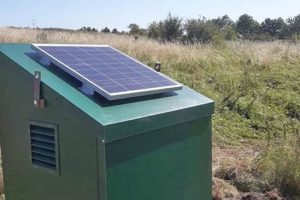
Clean energy solutions provided by distributed generation assets, such as rooftop solar, community solar, and fuel cells, offer businesses, communities, and public sector organizations access to locally produced sustainable power. These systems often incorporate smart technologies to enhance efficiency and grid reliability while reducing dependence on traditional fossil fuel-based electricity sources.
Decentralized power generation offers numerous advantages, including reduced greenhouse gas emissions, enhanced energy independence, and lower operating costs. The growing adoption of these systems is driven by increasing environmental awareness, favorable government policies, and declining technology costs. This shift toward cleaner energy sources contributes to a more resilient and sustainable energy landscape, fostering economic growth and mitigating the impacts of climate change.
Further exploration of this topic will encompass the diverse technologies employed, the financial and environmental benefits realized, and the evolving regulatory landscape shaping the future of the distributed generation sector. Specific examples of successful implementations and future projections will also be examined.
Tips for Transitioning to Distributed Generation
Implementing distributed generation projects requires careful planning and consideration. The following tips offer guidance for organizations exploring these sustainable energy solutions.
Tip 1: Conduct a Thorough Energy Assessment: A comprehensive energy audit identifies current energy consumption patterns and pinpoints areas where distributed generation can offer the greatest impact. This assessment should consider peak demand, load profiles, and potential future energy needs.
Tip 2: Explore Available Incentives and Financing Options: Numerous government and utility incentives, including tax credits, rebates, and grants, can significantly reduce the upfront costs of distributed generation projects. Exploring available financing options, such as power purchase agreements (PPAs) and leases, can further enhance project feasibility.
Tip 3: Evaluate Site Suitability: Assess the physical characteristics of the site, including roof space, solar irradiance, and grid interconnection capacity. This evaluation ensures the chosen technology is appropriately sized and positioned for optimal performance.
Tip 4: Select a Reputable Developer and Installer: Partnering with experienced professionals ensures high-quality system design, installation, and ongoing maintenance. Thorough due diligence and a review of past projects are essential for selecting a reliable partner.
Tip 5: Understand Permitting and Interconnection Requirements: Navigating the permitting and interconnection process can be complex. Engaging early with local authorities and utility companies streamlines the approval process and avoids potential delays.
Tip 6: Consider Long-Term Operations and Maintenance: Developing a comprehensive operations and maintenance plan ensures the long-term performance and reliability of the distributed generation system. This plan should include regular inspections, preventative maintenance, and performance monitoring.
By following these tips, organizations can effectively transition to distributed generation, reducing their environmental footprint and achieving long-term cost savings.
These guidelines provide a starting point for organizations seeking to embrace sustainable energy solutions. A deeper dive into specific technologies and case studies will further illuminate the potential of distributed generation.
1. Solar

Solar energy forms a cornerstone of Altus Power’s renewable energy strategy. The company develops, owns, and operates solar power generation assets, primarily focusing on distributed generation. This approach involves situating solar installations closer to end users, such as businesses, communities, and public sector organizations. By emphasizing solar, Altus Power leverages a readily available and sustainable resource to reduce reliance on traditional fossil fuels and mitigate greenhouse gas emissions. For instance, a corporate headquarters might install a rooftop solar array to offset a portion of its electricity consumption, thereby lowering its carbon footprint and operating costs. Similarly, a community solar project can provide clean power to multiple households, expanding access to renewable energy.
The reliance on solar offers several key advantages. Solar installations require minimal maintenance compared to traditional power plants, contributing to lower operational expenses. Furthermore, advancements in photovoltaic technology continue to enhance the efficiency and affordability of solar power generation. The modular nature of solar installations allows for scalability, enabling Altus Power to tailor projects to the specific energy needs of its clients. A university, for example, might expand its solar capacity incrementally as its energy demands grow. This flexibility makes solar an attractive solution for a diverse range of applications, from individual buildings to large-scale community projects.
Solar energy’s integral role in Altus Power’s portfolio underscores the company’s commitment to sustainable business practices and a decarbonized energy future. While challenges such as intermittency and land use considerations remain, ongoing technological advancements and supportive policy frameworks continue to drive solar adoption. As a core component of Altus Power’s renewable energy strategy, solar contributes significantly to its overall impact on reducing carbon emissions and fostering a more resilient energy landscape. This strategic focus positions the company for continued growth and leadership within the evolving renewable energy sector.
2. Fuel Cells

Fuel cells represent a crucial component within Altus Power’s distributed generation strategy, complementing solar power and enhancing system reliability. These electrochemical devices convert chemical energy directly into electricity, offering a clean and efficient alternative to traditional combustion-based power generation. Fuel cells address the intermittency challenges associated with solar power by providing a consistent power supply, particularly during periods of reduced sunlight or increased energy demand. This integration allows Altus Power to offer clients a more resilient and dependable energy solution. A microgrid incorporating both solar panels and fuel cells, for example, could ensure uninterrupted power supply to a critical facility, even during grid outages. This synergy between technologies optimizes energy efficiency and reduces reliance on conventional power sources.
Several factors contribute to the importance of fuel cells within Altus Power’s portfolio. Fuel cells operate with high efficiency, minimizing energy waste and lowering operating costs. Furthermore, certain types of fuel cells, such as those utilizing hydrogen, produce zero harmful emissions, aligning with Altus Power’s commitment to clean energy solutions. The modular design of fuel cells allows for flexible deployment, enabling seamless integration with existing infrastructure. A data center, for example, could incorporate fuel cells to provide backup power or supplement grid electricity during peak demand periods. This adaptability makes fuel cells a valuable asset in diverse applications, from commercial buildings to industrial facilities.
While fuel cell technology offers significant advantages, certain challenges remain. The cost of fuel cells, particularly those utilizing hydrogen, can be a barrier to widespread adoption. Infrastructure limitations, such as the availability of hydrogen refueling stations, also pose challenges. However, ongoing research and development efforts focus on addressing these obstacles, driving down costs and improving fuel cell performance. As fuel cell technology matures and infrastructure develops, its role within Altus Power’s renewable energy portfolio is likely to expand, further solidifying the company’s position as a leader in the distributed generation sector. This technological advancement aligns with broader industry trends toward decarbonization and a more sustainable energy future.
3. Distributed Generation

Distributed generation forms the core of Altus Power’s operational model. Rather than relying on large, centralized power plants, Altus Power focuses on deploying smaller-scale renewable energy systems closer to the point of consumption. This decentralized approach offers numerous advantages, including enhanced grid resilience, reduced transmission losses, and improved energy efficiency. By distributing generation assets across various locations, Altus Power mitigates the risks associated with single points of failure and minimizes the need for extensive transmission infrastructure. A community solar project, for example, directly serves local residents and businesses, reducing reliance on distant power plants and minimizing energy loss during transmission. This localized approach strengthens energy independence and enhances community energy security.
Altus Power’s emphasis on distributed generation aligns with the growing trend toward decarbonizing the energy sector. By deploying renewable energy resources at the local level, the company reduces reliance on fossil fuels and mitigates greenhouse gas emissions. A manufacturing facility, for instance, could install rooftop solar panels combined with a fuel cell system to power its operations, significantly reducing its carbon footprint and reliance on grid electricity. Furthermore, distributed generation empowers communities and businesses to actively participate in the transition to a cleaner energy future. A municipality, for example, could partner with Altus Power to develop a community solar garden, providing residents with access to affordable renewable energy and fostering local economic development.
Distributed generation represents a crucial element of Altus Power’s strategy for achieving a more sustainable and resilient energy landscape. This model addresses the limitations of traditional centralized power generation while empowering communities and businesses to embrace clean energy solutions. While challenges such as grid integration and regulatory complexities persist, the continued advancement of distributed generation technologies and supportive policy frameworks are driving widespread adoption. This evolution positions Altus Power as a key player in the ongoing transformation of the energy sector. The company’s focus on distributed generation not only contributes to environmental sustainability but also fosters economic growth and enhances energy security at the local level.
4. Community Solar
Community solar represents a significant component of Altus Power’s distributed generation strategy, enabling broader access to renewable energy. This model allows individuals and businesses to subscribe to a shared solar array located within their community, receiving credits on their electricity bills for the power generated by their allocated portion of the system. Community solar expands access to renewable energy for those who may not have suitable rooftops for solar panels or lack the upfront capital for individual installations. This approach democratizes solar energy, making it accessible to renters, apartment dwellers, and businesses with limited roof space. For example, a community solar project located on a former landfill or brownfield site could provide clean energy to hundreds of subscribers in a densely populated urban area, offering both environmental and economic benefits. The shared nature of these projects also fosters community engagement and promotes a sense of collective responsibility toward sustainable energy practices.
Community solar projects offer numerous advantages beyond expanded access. By aggregating demand, these initiatives achieve economies of scale, reducing the overall cost of solar energy production. This cost-effectiveness benefits both subscribers and the broader community. Furthermore, community solar projects can stimulate local economic development by creating jobs in installation, maintenance, and administration. A community solar farm, for instance, could provide employment opportunities for local electricians, technicians, and project managers. Moreover, community solar contributes to grid stability by distributing generation resources and reducing reliance on centralized power plants. This resilience is particularly valuable in areas prone to grid disruptions or extreme weather events. The diversified energy portfolio created by community solar enhances overall energy security and reliability.
Community solar’s integration within Altus Power’s portfolio reflects the company’s commitment to sustainable and equitable energy solutions. This model addresses the limitations of traditional solar installations, making clean energy accessible to a wider range of participants. While challenges such as land acquisition and regulatory complexities exist, the continued growth and evolution of community solar hold significant promise for accelerating the transition to a decarbonized energy future. The scalability and community-focused nature of these projects position Altus Power as a leader in fostering inclusive and sustainable energy practices, contributing to both environmental and societal well-being. The company’s involvement in community solar underscores its commitment to a future where renewable energy is accessible, affordable, and beneficial to all.
5. Clean Energy Solutions

Clean energy solutions represent the core objective driving Altus Power’s operations within the renewable energy sector. The company’s focus on distributed generation assets, such as rooftop solar, community solar, and fuel cells, directly contributes to the broader goal of transitioning toward a cleaner and more sustainable energy landscape. This commitment to clean energy solutions addresses several critical challenges facing the energy sector, including reducing greenhouse gas emissions, enhancing energy independence, and improving grid resilience. For example, by deploying community solar projects in underserved areas, Altus Power expands access to clean energy while simultaneously reducing reliance on fossil fuel-based power plants. This approach not only mitigates environmental impact but also fosters economic development within the communities served. Similarly, the integration of fuel cells into microgrid systems enhances energy security and reliability for critical facilities, reducing the vulnerability to grid outages and power disruptions.
The practical significance of Altus Power’s focus on clean energy solutions extends beyond individual projects. The company’s aggregated portfolio of distributed generation assets contributes to a larger movement toward decarbonizing the energy sector and mitigating the effects of climate change. By demonstrating the viability and economic benefits of clean energy technologies, Altus Power encourages wider adoption and accelerates the transition toward a more sustainable energy future. For instance, the successful implementation of a large-scale rooftop solar project on a commercial building can serve as a model for other businesses considering similar investments. This ripple effect amplifies the impact of clean energy solutions and creates a positive feedback loop, driving further innovation and investment in the renewable energy sector. Furthermore, Altus Power’s commitment to community engagement and education fosters broader public awareness and support for clean energy initiatives, creating a more favorable environment for policy changes and technological advancements.
Clean energy solutions are not merely a component of Altus Power’s business model; they are the fundamental driver of the company’s mission and impact. By prioritizing distributed generation and investing in innovative technologies, Altus Power actively contributes to a cleaner, more resilient, and more equitable energy future. While challenges such as grid integration and regulatory hurdles remain, the continued growth and evolution of the clean energy sector, driven by companies like Altus Power, offer a pathway toward a more sustainable and prosperous future for all. The long-term success of clean energy solutions hinges on collaborative efforts between industry leaders, policymakers, and communities, working together to overcome obstacles and accelerate the transition toward a decarbonized world.
Frequently Asked Questions about Distributed Generation
This section addresses common inquiries regarding distributed generation and its role in the evolving energy landscape.
Question 1: How does distributed generation differ from traditional centralized power generation?
Distributed generation involves smaller-scale power production closer to end users, unlike centralized generation relying on large power plants and extensive transmission networks. This localized approach enhances grid resilience, reduces transmission losses, and empowers consumers to actively participate in the energy transition.
Question 2: What are the primary benefits of adopting distributed generation technologies?
Key benefits include reduced greenhouse gas emissions, enhanced energy independence, lower operating costs, improved grid stability, and increased energy access for underserved communities. These advantages contribute to both environmental sustainability and economic development.
Question 3: What types of technologies are commonly employed in distributed generation systems?
Common technologies include solar photovoltaic (PV) systems, wind turbines, fuel cells, and combined heat and power (CHP) units. The specific technology employed depends on factors such as resource availability, energy demand, and site characteristics.
Question 4: What are the key considerations for organizations exploring distributed generation projects?
Critical factors include conducting a thorough energy assessment, evaluating site suitability, exploring available incentives and financing options, selecting reputable developers and installers, understanding permitting requirements, and developing a comprehensive long-term operations and maintenance plan.
Question 5: How does distributed generation contribute to grid modernization efforts?
Distributed generation enhances grid flexibility and resilience by providing diverse energy sources and reducing dependence on centralized power plants. This decentralized approach improves grid stability and responsiveness, particularly during peak demand periods or grid disturbances. It also facilitates the integration of renewable energy resources and supports the development of smart grid technologies.
Question 6: What role does policy play in promoting the adoption of distributed generation?
Supportive policies, such as net metering, tax incentives, and streamlined permitting processes, play a crucial role in encouraging investment in distributed generation projects. These policies create a favorable market environment, reduce financial barriers, and accelerate the transition toward a more decentralized and sustainable energy system. Consistent and predictable regulatory frameworks are essential for fostering long-term growth and innovation within the distributed generation sector.
Understanding these fundamental aspects of distributed generation is essential for informed decision-making and effective implementation. Transitioning toward a more decentralized and sustainable energy system requires a collaborative effort between stakeholders, including policymakers, technology developers, and energy consumers.
Further exploration of specific distributed generation technologies and case studies will provide a more comprehensive understanding of their potential and impact.
Conclusion
Decentralized, clean energy production offers significant advantages over traditional, centralized power generation. Distributed generation resources, encompassing solar, fuel cell, and community solar projects, provide enhanced grid resilience, reduced greenhouse gas emissions, and broader access to sustainable power. The exploration of Altus Power’s strategic focus on these technologies highlights the transformative potential of distributed generation within the evolving energy landscape. By embracing these innovative solutions, businesses, communities, and public sector organizations can achieve meaningful progress toward a more sustainable and resilient energy future.
The transition toward a decarbonized energy system requires continued investment in distributed generation technologies, supportive policy frameworks, and collaborative partnerships between stakeholders. As the demand for clean energy solutions grows, distributed generation will play an increasingly critical role in shaping the future of the energy sector. The ongoing development and deployment of these technologies offer a pathway toward a more secure, equitable, and environmentally responsible energy future, driving economic growth and mitigating the impacts of climate change.