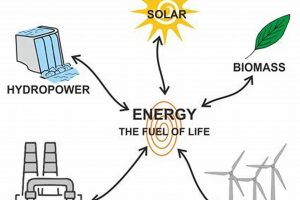
Electrical power, in itself, is a form of energy resulting from the flow of electric charge. It is not inherently sustainable or unsustainable; its classification depends entirely on the methods used to generate it. For example, power plants using solar panels, wind turbines, or hydroelectric dams produce it through methods that replenish naturally. Conversely, power generation relying on fossil fuels such as coal, oil, or natural gas depletes finite resources.
The method of its generation is crucial to minimizing environmental impact and ensuring long-term availability. Power derived from naturally replenishing sources reduces reliance on finite reserves and mitigates greenhouse gas emissions, thereby contributing to environmental preservation and energy security. Historically, reliance on combustion processes led to significant pollution and resource depletion, prompting the shift towards alternative generation methods.
Therefore, the subsequent discussion will focus on examining diverse generation technologies and their categorization as either sustainable or unsustainable, outlining their respective benefits and drawbacks, and analyzing their overall role in the transition to a sustainable energy future.
Strategies for Sustainable Electrical Power Consumption
Optimizing consumption patterns and promoting cleaner generation methods are crucial for reducing environmental impact and ensuring long-term access. The following strategies can aid in this objective:
Tip 1: Implement Energy-Efficient Appliances: Selecting electrical appliances with high Energy Star ratings reduces overall power demand. These appliances are designed to perform optimally while minimizing energy consumption.
Tip 2: Utilize Smart Power Management Systems: Integrating smart home technologies allows for automated control of electrical devices, optimizing usage based on occupancy and time of day, thus preventing unnecessary power drain.
Tip 3: Adopt Renewable Energy Certificates (RECs): Purchasing RECs supports sustainable generation even if direct access to such sources is unavailable. RECs represent the environmental attributes of power generated from facilities using naturally replenished sources.
Tip 4: Invest in On-Site Generation: Installing photovoltaic solar panels or small-scale wind turbines allows for localized generation, reducing reliance on centralized grids and fostering a more resilient infrastructure.
Tip 5: Prioritize Time-of-Use Billing: Adjusting power usage to off-peak hours, when demand is lower, can alleviate stress on the grid and often result in lower energy costs. This also encourages a more balanced distribution of demand.
Tip 6: Advocate for Supportive Policies: Supporting policies that incentivize sustainable generation and discourage reliance on fossil fuels is crucial for driving systemic change. This can include carbon taxes, subsidies for renewable technologies, and stricter emissions standards.
These strategies can contribute significantly to mitigating environmental impact and fostering a transition towards a more secure and environmentally responsible electrical future. Embracing these actions is crucial for promoting sustainable practices.
The following section will address frequently asked questions about the role of electrical power in the broader context of sustainability.
1. Generation Source

The nature of the generation source is paramount when evaluating whether electrical power can be classified as derived from naturally replenished sources. The technology and fuel used to produce electrical power dictate its environmental impact and long-term sustainability. Assessing generation sources helps clarify their compatibility with sustainability principles.
- Solar Photovoltaics
Solar photovoltaic (PV) systems convert sunlight directly into electrical power. This technology relies on an inexhaustible resource and produces minimal emissions during operation. However, the manufacturing of PV panels involves energy-intensive processes and the use of certain materials, requiring careful consideration of the overall life cycle impact. Solar power contributes to sustainable electrical supplies by harnessing a readily available and clean energy source.
- Wind Energy
Wind turbines convert kinetic energy from wind into electrical power. Wind is a naturally replenished resource, and wind farms can generate significant amounts of electrical power with relatively low environmental impact. Potential drawbacks include visual impact, noise pollution, and potential effects on bird and bat populations. Optimizing the location of wind farms and implementing mitigation strategies can minimize these impacts, making wind energy a vital component of sustainable electrical power generation.
- Hydropower
Hydropower utilizes the potential energy of water stored in reservoirs to generate electrical power. While hydropower can be a reliable and emissions-free source of electrical power, large-scale hydroelectric dams can have significant environmental and social impacts, including altering river ecosystems, displacing communities, and disrupting sediment flow. Small-scale hydroelectric projects and run-of-river systems can mitigate some of these impacts, making hydropower a more sustainable option in certain contexts.
- Geothermal Energy
Geothermal energy harnesses heat from the Earth’s interior to generate electrical power. This can involve extracting steam or hot water from underground reservoirs to drive turbines. Geothermal resources are naturally replenished, although their availability can vary depending on the location. Geothermal generation has minimal greenhouse gas emissions but can involve the release of small amounts of air pollutants and the potential for land subsidence. Appropriate management and monitoring are crucial for ensuring the long-term sustainability of geothermal electrical generation.
These diverse generation technologies represent a range of options for moving toward a more sustainable electrical power system. The choice of generation source depends on various factors, including resource availability, environmental considerations, and economic feasibility. A diversified portfolio of naturally replenished generation sources is essential for ensuring a reliable, affordable, and environmentally responsible electrical future.
2. Resource Depletion

The connection between resource depletion and the sustainability of electrical power is fundamental. Electrical power generated from non-naturally replenished sources, such as fossil fuels (coal, oil, and natural gas), directly contributes to resource depletion. These resources are finite; their extraction and consumption progressively diminish their availability for future generations. The reliance on these sources creates a scenario where electrical generation actively depletes the Earth’s limited reserves, making the system unsustainable in the long term. For example, the extensive mining of coal for power plants not only depletes coal reserves but also causes significant environmental damage through habitat destruction and water pollution.
In contrast, power derived from naturally replenished resources, like solar, wind, geothermal, and hydropower (under specific conditions), minimizes resource depletion. These sources harness energy flows that are continuously replenished by natural processes, reducing the demand on finite resources. For instance, solar power utilizes sunlight, a virtually inexhaustible resource, to generate electricity. The key here lies in the nature of the energy source; if the source is not depleted through usage but is instead continually replenished, the environmental impact is significantly reduced. This shift from finite to naturally replenished sources is crucial for ensuring a sustainable electrical supply.
Therefore, understanding the role of resource depletion is critical in assessing the sustainability of electrical power. Transitioning to sources that minimize resource depletion is essential for mitigating environmental damage and guaranteeing long-term availability. By prioritizing naturally replenished options and improving energy efficiency, the electrical sector can significantly reduce its impact on global resources and promote a more sustainable energy future.
3. Environmental Impact

The environmental impact associated with electricity generation is a critical factor in determining its sustainability. The selection of energy sources and generation technologies directly influences the magnitude and nature of these impacts. Mitigation of adverse effects is essential for fostering a more environmentally responsible electrical power sector.
- Greenhouse Gas Emissions
The combustion of fossil fuels for electricity production releases significant quantities of greenhouse gases, including carbon dioxide, methane, and nitrous oxide. These emissions contribute to climate change, leading to rising global temperatures, altered weather patterns, and increased frequency of extreme weather events. Conversely, electrical power derived from naturally replenished sources, such as solar and wind, produces minimal greenhouse gas emissions during operation, mitigating the contribution to climate change.
- Air and Water Pollution
Traditional power plants that burn coal or oil release air pollutants, including sulfur dioxide, nitrogen oxides, and particulate matter. These pollutants contribute to respiratory problems, acid rain, and smog. Additionally, wastewater from power plants can contain heavy metals and other contaminants, posing risks to aquatic ecosystems and human health. Sustainable generation technologies, such as solar and wind, generate negligible air and water pollution during operation, safeguarding air and water quality.
- Land Use and Habitat Disruption
Large-scale power plants, transmission lines, and fuel extraction activities can result in significant land use changes and habitat disruption. Coal mining, for instance, can lead to deforestation, soil erosion, and water contamination. Hydroelectric dams can alter river ecosystems, inundate habitats, and impede fish migration. Careful planning and siting of power generation facilities, coupled with the adoption of renewable energy technologies with smaller footprints, can minimize land use impacts and protect biodiversity.
- Resource Depletion and Waste Generation
The extraction and processing of fossil fuels and uranium ore deplete finite natural resources. Furthermore, nuclear power plants generate radioactive waste, which requires long-term storage and poses environmental risks. Naturally replenished generation sources, such as solar and wind, rely on resources that are continuously replenished, reducing the strain on finite reserves and minimizing waste generation. Proper management and recycling of materials used in renewable energy technologies are essential for minimizing their environmental footprint.
The environmental impact of electrical power is directly linked to its sustainability. By prioritizing naturally replenished generation sources, implementing cleaner technologies, and adopting responsible environmental practices, the electrical sector can minimize its impact on the environment and contribute to a more sustainable future.
4. Carbon Footprint

The carbon footprint, defined as the total greenhouse gas emissions caused by an individual, organization, event, or product, is intrinsically linked to the sustainability of electrical power. Traditional power generation methods relying on fossil fuels contribute significantly to carbon emissions, thereby expanding the carbon footprint of electricity consumption. This relationship establishes a direct cause-and-effect scenario: power produced from coal, oil, and natural gas releases carbon dioxide and other greenhouse gases into the atmosphere, exacerbating climate change. For instance, coal-fired power plants are among the largest contributors to global carbon emissions, demonstrating a substantial impact on the planet’s carbon footprint.
The adoption of naturally replenished electrical sources represents a critical strategy for reducing the carbon footprint associated with electrical consumption. Technologies like solar photovoltaic panels, wind turbines, hydroelectric power, and geothermal energy offer alternatives that produce minimal or no greenhouse gas emissions during operation. Shifting towards these methods directly mitigates the carbon impact of electrical generation. The practical significance of this shift can be observed in countries that have heavily invested in renewable electrical infrastructure; these nations often demonstrate a lower per capita carbon footprint related to their electrical sector compared to those reliant on fossil fuels. Furthermore, understanding the carbon footprint associated with different generation technologies facilitates informed decision-making, enabling policymakers and consumers to prioritize options that minimize environmental impact.
In summary, the carbon footprint serves as a key indicator of the sustainability of electrical power. The transition from fossil fuel-based generation to naturally replenished sources is imperative for minimizing the carbon footprint of electricity consumption and mitigating climate change. Addressing this issue requires a multifaceted approach, including technological innovation, policy changes, and individual behavioral adjustments. This collaborative effort is essential for creating a more environmentally responsible and sustainable electrical future.
5. Long-term Availability
The sustainability of electrical power is intrinsically linked to the concept of long-term availability, which ensures a consistent and reliable supply for future generations. Electrical generation reliant on depletable resources, such as fossil fuels, inherently compromises long-term availability. The continuous extraction and combustion of these fuels not only diminish their finite reserves but also contribute to environmental degradation, further jeopardizing future accessibility. Consequently, electrical power derived from these sources is deemed unsustainable due to the inherent limitations in long-term supply.
Conversely, electrical power generated from naturally replenished resources offers a pathway to enhanced long-term availability. Solar, wind, hydroelectric, and geothermal energy sources are continuously replenished by natural processes, ensuring a consistent and sustainable supply of energy. For instance, solar irradiance and wind patterns are relatively constant over extended periods, providing a reliable foundation for electrical generation. Technological advancements in energy storage and grid management further enhance the stability and reliability of electrical systems that rely on renewable sources, mitigating intermittency challenges and ensuring consistent availability, even during periods of low sunlight or wind speeds.
In summary, the long-term availability of electrical power is contingent upon the choice of generation sources. Transitioning from depletable to naturally replenished resources is essential for securing a sustainable and reliable electrical supply for future generations. This shift necessitates a commitment to renewable energy technologies, coupled with investments in energy storage, grid modernization, and supportive policies that prioritize long-term sustainability over short-term economic gains.
6. Technological Advancements
Technological advancements play a pivotal role in determining whether electrical power is derived from naturally replenished sources. Innovations across generation, storage, and distribution directly impact the feasibility, efficiency, and overall sustainability of energy systems.
- Enhanced Solar Photovoltaic Efficiency
Advancements in solar cell technology, such as the development of perovskite and multi-junction cells, significantly increase the efficiency of converting sunlight into electricity. These improvements lead to higher power output from a given area, reducing land use requirements and lowering the cost per kilowatt-hour. For instance, modern solar farms incorporating bifacial panels capture sunlight from both sides, further enhancing energy production and contributing to the viability of electricity from a naturally replenished source.
- Advanced Wind Turbine Designs
Innovations in wind turbine design, including taller towers, longer blades, and direct-drive generators, enable more efficient harnessing of wind energy. These advancements allow turbines to capture stronger and more consistent winds at higher altitudes, increasing energy output and reducing intermittency. Offshore wind farms, equipped with these advanced technologies, can generate substantial amounts of electricity, contributing significantly to a naturally replenished electricity supply.
- Grid-Scale Energy Storage Systems
The development and deployment of grid-scale energy storage systems, such as lithium-ion batteries, flow batteries, and pumped hydro storage, address the intermittency challenges associated with solar and wind power. These systems store excess electricity generated during periods of high production and release it during periods of low production, ensuring a more consistent and reliable supply. For example, battery storage facilities integrated with solar farms can provide a continuous supply of electricity, even when the sun is not shining, enhancing the overall reliability of naturally replenished energy sources.
- Smart Grid Technologies
Smart grid technologies, including advanced sensors, communication networks, and data analytics, optimize the distribution and management of electrical power. These technologies enable real-time monitoring of grid conditions, predictive maintenance of equipment, and efficient integration of distributed generation sources, such as rooftop solar panels. Smart grids enhance the resilience and efficiency of the electrical system, facilitating the seamless integration of naturally replenished energy sources and improving overall grid stability.
These technological advancements collectively contribute to the increased feasibility, efficiency, and reliability of power derived from naturally replenished sources. Continued investment and innovation in these areas are crucial for accelerating the transition to a sustainable and resilient electrical future.
Frequently Asked Questions
The following section addresses common inquiries regarding the renewability of electrical power, offering clear and concise explanations to enhance understanding.
Question 1: Is electricity, in and of itself, a sustainable energy source?
Electrical power is not inherently sustainable. Its classification depends entirely on the source of its generation. If produced from naturally replenished sources, then it aligns with sustainability principles. Conversely, generation via non-naturally replenished resources renders it unsustainable.
Question 2: What differentiates sustainable electrical generation from unsustainable methods?
Sustainable generation relies on sources that are continuously replenished by natural processes, such as solar, wind, and hydroelectric power. Unsustainable methods depend on finite resources like fossil fuels, which deplete over time and contribute to environmental degradation.
Question 3: How does the environmental impact of sustainable and unsustainable electricity generation differ?
Sustainable generation methods generally produce minimal greenhouse gas emissions and air pollutants, thereby reducing their environmental impact. Unsustainable methods, particularly those involving fossil fuels, release significant amounts of greenhouse gases and pollutants, contributing to climate change and air pollution.
Question 4: What role does technology play in enhancing the renewability of electricity?
Technological advancements in areas such as solar cell efficiency, wind turbine design, and energy storage significantly improve the feasibility and reliability of renewable energy sources. These advancements help mitigate the intermittency challenges associated with certain renewable technologies.
Question 5: How can consumers promote the use of sustainable electrical power?
Consumers can support the use of sustainable electrical power by choosing energy providers that prioritize naturally replenished sources, investing in energy-efficient appliances, and adopting practices that reduce overall energy consumption. Additionally, advocating for policies that support renewable energy development can contribute to a more sustainable energy future.
Question 6: What are the long-term implications of relying on either sustainable or unsustainable electricity generation methods?
Reliance on sustainable generation methods ensures the long-term availability of electrical power while minimizing environmental impact. Conversely, continued reliance on unsustainable methods will lead to resource depletion, environmental degradation, and increased vulnerability to energy price fluctuations.
In summary, the renewability of electrical power hinges on the choice of generation sources. Shifting towards sustainable methods is essential for ensuring a reliable and environmentally responsible energy future.
The subsequent section provides concluding thoughts on the importance of embracing sustainable electrical power practices.
Conclusion
The foregoing analysis underscores a critical distinction: electrical power, as a form of energy, is not inherently sustainable. Whether power qualifies as sustainable is solely contingent upon the method of its generation. Electrical power derived from finite resources engenders environmental degradation and resource depletion, rendering it unsustainable. Conversely, power generated from naturally replenished sources presents a viable pathway towards long-term sustainability. Key determinants in this assessment include the generation source, environmental impact, carbon footprint, resource depletion, long-term availability, and the influence of technological advancements.
The transition to electrical generation underpinned by naturally replenished resources is not merely an option, but a necessity. Failure to embrace this transition perpetuates reliance on finite resources, exacerbates climate change, and compromises the well-being of future generations. Therefore, a resolute commitment to sustainable electrical practices, encompassing technological innovation, policy reform, and individual responsibility, is imperative to secure a sustainable and equitable energy future.