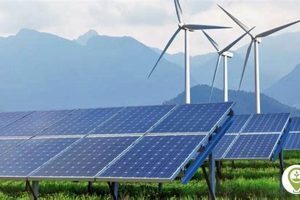
The discourse surrounding energy production methods increasingly focuses on the merits and drawbacks of transitioning to sources that replenish naturally. Evaluating these contrasting perspectives is essential for informed decision-making regarding sustainable energy policies and investments. For example, comparing the environmental impact of solar power with that of fossil fuels necessitates considering factors such as land use, manufacturing processes, and waste disposal for both.
Understanding the various viewpoints on sustainable energy options is crucial for navigating the complex energy landscape. This knowledge empowers individuals, businesses, and governments to make responsible choices that balance environmental protection, economic viability, and energy security. Historically, energy debates have centered on cost and availability. However, growing awareness of climate change has shifted the focus towards the environmental consequences of different energy sources, driving the need for comprehensive evaluation of renewables.
The following sections will delve into the specific advantages and disadvantages associated with renewable energy technologies, providing a detailed analysis of their potential and limitations.
Tips for Evaluating Renewable Energy Options
Careful consideration of various factors is crucial for a balanced assessment of renewable energy technologies. The following tips offer guidance for navigating the complexities of this important topic.
Tip 1: Consider the full life cycle. Evaluation should extend beyond immediate operational impacts to encompass resource extraction, manufacturing, transportation, installation, maintenance, and decommissioning.
Tip 2: Account for geographical context. The suitability of specific renewable energy sources varies significantly depending on location. Solar power, for example, is more effective in regions with high solar irradiance.
Tip 3: Evaluate grid compatibility. Integrating intermittent renewable sources like wind and solar power requires careful planning to ensure grid stability and reliability.
Tip 4: Assess environmental trade-offs. While generally considered cleaner than fossil fuels, renewable energy technologies can still have environmental impacts, such as land use changes and habitat disruption.
Tip 5: Factor in economic viability. Cost competitiveness, including initial investment, operating expenses, and potential subsidies, plays a critical role in the adoption of renewable energy.
Tip 6: Examine energy storage solutions. Addressing the intermittency of certain renewable sources often requires effective energy storage technologies, such as batteries or pumped hydro.
Tip 7: Stay informed about technological advancements. The renewable energy sector is constantly evolving. Staying abreast of the latest innovations is essential for making informed decisions.
By considering these tips, one can develop a more comprehensive understanding of the advantages and disadvantages associated with different renewable energy options.
This nuanced perspective is vital for promoting effective and sustainable energy policies.
1. Environmental Impact

Environmental impact forms a central pillar in the discourse surrounding renewable energy. A primary argument for transitioning to renewables stems from their potential to mitigate climate change by reducing greenhouse gas emissions. Fossil fuel combustion releases significant quantities of carbon dioxide, a major contributor to global warming. Renewable sources, such as solar and wind power, offer a cleaner alternative, emitting little to no greenhouse gases during operation. This reduction in emissions is crucial for achieving climate goals and mitigating the adverse effects of climate change, such as rising sea levels and extreme weather events. Conversely, some argue that renewable energy technologies also have environmental impacts, albeit often less severe than those associated with fossil fuels. For example, large-scale solar farms can require significant land use, potentially affecting ecosystems and biodiversity. Manufacturing solar panels and wind turbines requires energy and resources, generating some pollution. Life-cycle assessments, which consider the environmental impacts of a technology from cradle to grave, provide a comprehensive evaluation of these trade-offs.
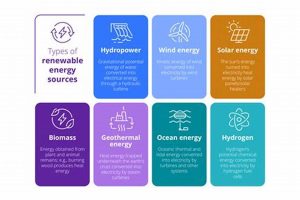
The environmental impact of hydropower presents a complex case study. While hydropower dams generate clean electricity, they can significantly alter river ecosystems, affecting fish migration and water quality. Similarly, geothermal energy, while generally considered sustainable, can release small amounts of greenhouse gases and other pollutants. Understanding these nuanced environmental considerations is crucial for informed decision-making. For instance, comparing the environmental impact of a coal-fired power plant with that of a wind farm requires analyzing a range of factors, including air and water pollution, land use, and waste generation. Data from organizations like the Environmental Protection Agency and the International Energy Agency provide valuable resources for such comparisons.
In summary, environmental impact serves as a key driver for renewable energy adoption. While renewables offer significant advantages in terms of greenhouse gas emissions reduction, it is crucial to acknowledge and address potential environmental trade-offs associated with specific technologies. A comprehensive understanding of these complexities, informed by data and scientific evidence, is essential for promoting sustainable energy solutions and minimizing overall environmental impact. Addressing these challenges often involves careful site selection, technological advancements, and mitigation strategies to minimize negative environmental consequences.
2. Economic Factors
Economic considerations play a crucial role in the debate surrounding renewable energy adoption. The financial implications of transitioning to renewable sources influence decision-making at individual, corporate, and governmental levels. Analyzing costs, benefits, and potential economic impacts is essential for evaluating the viability and long-term sustainability of renewable energy solutions.
- Initial Investment Costs
Renewable energy technologies often require significant upfront investments. Building wind farms, solar power plants, and other renewable energy facilities involves substantial capital expenditure. This can pose a barrier to entry, particularly for smaller companies and developing nations. However, declining costs of renewable energy technologies, particularly solar photovoltaics, are making them increasingly competitive with traditional fossil fuel-based power generation.
- Long-Term Operational Costs
While initial investments can be substantial, renewable energy sources typically have lower operational costs compared to fossil fuel-based power plants. Renewable energy facilities require minimal fuel inputs and often have lower maintenance expenses. This can lead to long-term cost savings, particularly in regions with abundant renewable resources. Predictable operating costs also contribute to greater price stability, shielding consumers from fluctuating fuel prices.
- Job Creation and Economic Growth
The renewable energy sector has the potential to stimulate economic growth and create jobs. Manufacturing, installing, and maintaining renewable energy technologies require a skilled workforce. Investing in renewable energy can lead to new industries and employment opportunities, contributing to local and national economies. For instance, the growth of the solar industry has created numerous jobs in manufacturing, installation, and maintenance. Furthermore, renewable energy projects can revitalize communities by attracting investment and creating new economic activity.
- Energy Independence and Security
Reliance on fossil fuels can create vulnerabilities to price volatility and geopolitical instability. Renewable energy sources, being domestically available in many cases, can enhance energy independence and security. By diversifying energy sources and reducing reliance on imported fuels, nations can bolster their energy security and reduce their exposure to global energy market fluctuations. This is particularly relevant for countries with limited domestic fossil fuel reserves.
These economic factors are intertwined with environmental and social considerations. The long-term economic benefits of renewable energy, such as reduced healthcare costs associated with air pollution and increased energy security, often outweigh the initial investment costs. Furthermore, government policies, such as carbon pricing and renewable energy incentives, play a significant role in shaping the economic landscape of the energy sector. A comprehensive analysis of these economic factors is essential for developing effective and sustainable energy policies that promote both economic prosperity and environmental stewardship.
3. Energy Security

Energy security represents a critical dimension within the broader discussion surrounding renewable energy adoption. It encompasses the reliable availability of energy resources at affordable prices, free from undue external influence. The transition to renewable energy sources significantly impacts national and international energy security landscapes, presenting both opportunities and challenges. Examining the multifaceted relationship between renewable energy and energy security is essential for informed policy-making and strategic planning.
- Reduced Reliance on Geopolitically Sensitive Regions
Many nations rely heavily on fossil fuel imports from politically unstable or volatile regions. This dependence can create vulnerabilities to supply disruptions, price fluctuations, and geopolitical tensions. Renewable energy sources, being geographically distributed and often domestically available, offer a pathway to reduce reliance on such imports, enhancing energy independence and national security. For example, a country investing heavily in solar power reduces its dependence on imported oil, thereby mitigating potential disruptions caused by international conflicts or political instability in oil-producing regions. This strengthens the nation’s control over its energy supply.
- Decentralized Energy Production
Renewable energy technologies often facilitate decentralized energy production, meaning power generation occurs closer to consumption points. This contrasts with centralized fossil fuel power plants, which require extensive transmission infrastructure and are vulnerable to disruptions at a single point of failure. Decentralized renewable energy systems, such as rooftop solar panels and community wind farms, enhance resilience by distributing energy generation across numerous smaller units. This distributed generation model reduces the impact of large-scale outages, as localized systems can continue operating even if the main grid is compromised. Microgrids, for example, can provide essential services during emergencies, enhancing community resilience.
- Intermittency and Grid Stability Challenges
The intermittent nature of certain renewable energy sources, such as solar and wind power, presents challenges for grid stability. Output fluctuates depending on weather conditions, requiring sophisticated grid management strategies and energy storage solutions to ensure a consistent and reliable power supply. Integrating large amounts of intermittent renewable energy requires advanced forecasting technologies, grid modernization efforts, and investments in energy storage solutions like batteries and pumped hydro storage. Failing to address intermittency can lead to grid instability and power outages, potentially undermining energy security.
- Resource Availability and Critical Materials
While renewable energy sources themselves are virtually inexhaustible, the manufacturing of renewable energy technologies requires specific raw materials and critical minerals. Securing access to these materials, such as lithium for batteries and rare earth elements for wind turbines, is crucial for the sustainable growth of the renewable energy sector. Dependency on specific suppliers or regions for these critical materials can create new vulnerabilities and geopolitical challenges. Diversifying supply chains and investing in research and development for alternative materials are essential for ensuring long-term resource security in the renewable energy transition.
In summary, renewable energy presents a complex and evolving set of factors influencing energy security. While offering pathways to greater energy independence and resilience, the transition also requires careful consideration of intermittency challenges, resource availability, and the geopolitical implications of critical material supply chains. Balancing these factors through strategic planning, technological innovation, and international cooperation is essential for achieving a secure and sustainable energy future.
4. Technological Maturity

Technological maturity plays a crucial role in shaping the discourse surrounding renewable energy adoption. The level of advancement in renewable energy technologies significantly influences their effectiveness, cost-competitiveness, and overall viability. Evaluating the current state of technological development and anticipating future advancements is essential for understanding the potential and limitations of renewable energy solutions.
- Efficiency and Performance
Technological advancements continually improve the efficiency and performance of renewable energy systems. For example, advancements in photovoltaic cell technology have led to higher solar panel efficiency, enabling greater electricity generation from smaller surface areas. Similarly, ongoing research in wind turbine design aims to improve energy capture and reduce operational costs. The increasing efficiency of these technologies strengthens the argument for their wider adoption, making them more cost-competitive with traditional energy sources.
- Cost Reduction
Technological innovation drives down the cost of renewable energy technologies. Economies of scale, improved manufacturing processes, and advancements in materials science contribute to cost reductions. The declining cost of solar panels, for example, has made solar energy increasingly affordable for consumers and businesses. As renewable energy technologies mature and become more cost-competitive, the economic arguments against their adoption weaken.
- Grid Integration and Storage
Technological advancements are essential for addressing the challenges associated with integrating intermittent renewable energy sources into existing power grids. Smart grids, advanced forecasting technologies, and energy storage solutions, such as batteries and pumped hydro, play a crucial role in maintaining grid stability and reliability. Improvements in battery technology, for instance, enhance the viability of storing excess solar and wind energy for use during periods of low generation. These advancements strengthen the argument for greater reliance on intermittent renewable sources.
- Environmental Impact Mitigation
Technological advancements also address the environmental impacts associated with renewable energy technologies. For example, research focuses on developing more sustainable manufacturing processes for solar panels and wind turbines, reducing material usage and waste generation. Innovations in recycling and end-of-life management further minimize the environmental footprint of renewable energy systems. Addressing these environmental concerns strengthens the overall argument for transitioning to cleaner energy sources.
The maturity of renewable energy technologies directly impacts the arguments for and against their widespread adoption. Continued technological advancements enhance the efficiency, cost-competitiveness, and environmental sustainability of renewable energy solutions. These developments strengthen the case for transitioning away from fossil fuels and towards a cleaner, more secure energy future. Evaluating the trajectory of technological progress is essential for informed decision-making regarding energy policy and investment. As technology continues to advance, the barriers to widespread renewable energy adoption are likely to diminish further, paving the way for a more sustainable energy landscape.
5. Infrastructure Requirements

Infrastructure requirements represent a significant factor in the evaluation of renewable energy technologies. The need for new or adapted infrastructure to support renewable energy generation, transmission, and distribution influences the economic feasibility, environmental impact, and overall societal acceptance of these technologies. Understanding these infrastructure considerations is crucial for navigating the transition to a more sustainable energy system. For example, integrating large-scale solar or wind farms into existing electricity grids often requires substantial upgrades to transmission lines and substations. The scale of these upgrades can be extensive, requiring significant investment and potentially impacting land use and ecosystems.
A key challenge lies in the distributed nature of many renewable energy resources. Unlike centralized fossil fuel power plants, renewable energy generation often occurs across geographically dispersed locations. Connecting these distributed sources to the grid necessitates extensive transmission infrastructure. Consider offshore wind farms: They require specialized subsea cables and onshore grid connections to transmit generated electricity to population centers. Similarly, widespread adoption of rooftop solar panels necessitates grid modernization to manage bidirectional power flows and maintain grid stability. These infrastructure challenges influence the pace and scale of renewable energy deployment. Furthermore, energy storage solutions, such as large-scale battery facilities or pumped hydro storage, require dedicated infrastructure and land resources. The availability and cost-effectiveness of these storage technologies significantly impact the reliability and overall viability of intermittent renewable energy sources like solar and wind power. For instance, regions with limited pumped hydro potential may rely more heavily on battery storage, which can influence the overall cost of renewable energy integration.
In summary, infrastructure requirements represent a critical component within the broader discussion of renewable energy. The scale and complexity of infrastructure development influence the economic, environmental, and social dimensions of renewable energy adoption. Addressing these infrastructure challenges requires strategic planning, significant investment, and careful consideration of potential impacts on communities and ecosystems. Effective infrastructure development is essential for realizing the full potential of renewable energy technologies and achieving a sustainable energy future. Overcoming these infrastructure hurdles is crucial for unlocking the full potential of renewable energy and enabling a smooth transition to a cleaner, more secure, and sustainable energy system. Failing to address these infrastructure needs adequately can hinder the growth of the renewable energy sector and impede progress towards broader climate and energy goals.
6. Social Implications

Social implications represent a crucial aspect of the discourse surrounding renewable energy transitions. Public perception, community acceptance, and the broader societal impact of renewable energy projects significantly influence their development and implementation. Understanding these social dynamics is essential for navigating the complexities of energy policy and ensuring a just and equitable transition to a sustainable energy future. For example, the siting of wind farms can sometimes face local opposition due to concerns about visual impacts, noise pollution, and potential effects on property values. Addressing these concerns through community engagement, transparent communication, and benefit-sharing mechanisms is crucial for fostering public support and ensuring project success. Conversely, community-owned renewable energy projects can empower local residents, generate economic benefits, and foster a sense of ownership over the energy transition.
Equity and distributional justice considerations are paramount in the context of renewable energy development. Ensuring that the benefits of renewable energy are shared equitably across all segments of society is essential. Renewable energy projects should not disproportionately burden vulnerable communities or exacerbate existing inequalities. For example, policies promoting rooftop solar installations should consider mechanisms to ensure accessibility for low-income households. Furthermore, job creation opportunities within the renewable energy sector should prioritize training and employment for communities historically reliant on fossil fuel industries, facilitating a just transition for workers and communities. The potential for renewable energy to enhance energy access in remote or underserved communities represents a significant social benefit. Off-grid renewable energy systems, such as solar mini-grids, can provide electricity to communities lacking access to the main power grid, improving quality of life, supporting economic development, and enhancing educational opportunities.
In summary, social implications are deeply intertwined with the arguments for and against renewable energy. Public acceptance, community engagement, equity considerations, and the distributional impacts of renewable energy projects play a crucial role in shaping the trajectory of the energy transition. Addressing social concerns proactively, ensuring equitable access to the benefits of renewable energy, and fostering community participation are essential for building a socially sustainable and just energy future. Navigating these social dimensions effectively is crucial for achieving broad-based support for renewable energy and realizing its full potential to create a more sustainable and equitable world.
7. Political Landscape
The political landscape significantly shapes the trajectory of renewable energy adoption. Government policies, regulations, and incentives play a crucial role in influencing the development and deployment of renewable energy technologies. Political support can accelerate the transition to renewable energy, while opposition or lack of policy action can hinder progress. Understanding the political dynamics surrounding renewable energy is essential for navigating the complexities of energy policy and promoting a sustainable energy future. For example, feed-in tariffs, which guarantee a fixed price for renewable energy fed into the grid, have proven effective in stimulating the growth of solar and wind power in several countries. Conversely, subsidies for fossil fuels can create an uneven playing field and hinder the competitiveness of renewable energy sources.
International agreements and collaborations also influence the political landscape of renewable energy. The Paris Agreement, for instance, sets targets for reducing greenhouse gas emissions and promotes international cooperation on climate action. Such agreements can create a supportive political environment for renewable energy development by establishing common goals and encouraging policy alignment across nations. Trade policies and international regulations regarding renewable energy technologies can also impact market dynamics and influence investment decisions. For example, tariffs on imported solar panels can affect the domestic solar industry and influence the pace of solar energy adoption. The political landscape also shapes the research and development landscape for renewable energy technologies. Government funding for research and development can accelerate technological innovation and drive down the cost of renewable energy. Political support for demonstration projects and pilot programs can help to de-risk new technologies and pave the way for commercial deployment.
In summary, the political landscape exerts a profound influence on the arguments for and against renewable energy. Supportive policies, regulations, and incentives can create a favorable environment for renewable energy development, while political opposition or policy inertia can hinder progress. Understanding the political dynamics, both domestically and internationally, is crucial for advancing the transition to a sustainable energy future. Navigating this complex landscape effectively requires strategic advocacy, policy analysis, and collaboration among diverse stakeholders, including governments, industry, and civil society. The political landscape will continue to play a pivotal role in shaping the future of renewable energy and determining whether society achieves a successful transition to a cleaner, more sustainable energy system.
Frequently Asked Questions
This section addresses common inquiries regarding the merits and drawbacks of renewable energy, providing concise and informative responses to facilitate a deeper understanding of the topic.
Question 1: How does the land use impact of renewable energy compare with that of fossil fuels?
While renewable energy facilities like solar and wind farms can require significant land areas, lifecycle assessments often reveal a lower overall land use impact compared to fossil fuels when considering extraction, processing, and transportation infrastructure.
Question 2: Are renewable energy technologies truly “clean” considering the environmental impact of their manufacturing processes?
While the manufacturing of renewable energy technologies does have environmental impacts, these are generally less intensive than those associated with fossil fuel extraction and combustion, particularly regarding greenhouse gas emissions and air pollution.
Question 3: How can the intermittency of renewable energy sources like solar and wind be addressed to ensure a reliable power supply?
Grid management strategies, energy storage solutions such as batteries and pumped hydro, and diversification of renewable energy sources can mitigate intermittency challenges and ensure grid stability.
Question 4: Are renewable energy technologies cost-competitive with traditional fossil fuel-based power generation?
The cost of renewable energy technologies has decreased significantly in recent years, making them increasingly competitive with fossil fuels, particularly when considering long-term operational costs and externalities like air pollution.
Question 5: What role do government policies play in promoting or hindering the adoption of renewable energy?
Government policies, such as feed-in tariffs, tax incentives, and renewable portfolio standards, can significantly influence the rate of renewable energy adoption by creating favorable market conditions and incentivizing investment.
Question 6: How does the transition to renewable energy impact job markets and economic growth?
The renewable energy sector creates jobs in manufacturing, installation, maintenance, and research, potentially stimulating economic growth and offering employment opportunities in emerging industries.
Careful consideration of these frequently asked questions helps to clarify common misconceptions and provides a foundation for a more informed discussion about the role of renewable energy in a sustainable energy future. Understanding these complexities is essential for making informed decisions regarding energy policy and promoting a responsible transition to cleaner energy sources.
For further exploration, the following section delves deeper into specific renewable energy technologies and their respective advantages and disadvantages.
Conclusion
Examination of the arguments for and against renewable energy reveals a complex interplay of environmental, economic, technological, social, and political factors. While renewable energy sources offer significant potential for mitigating climate change, enhancing energy security, and stimulating economic growth, challenges remain regarding intermittency, infrastructure requirements, and initial investment costs. Technological advancements, supportive policies, and careful consideration of social and environmental impacts are crucial for maximizing the benefits and minimizing the drawbacks associated with the transition to renewable energy. Balancing competing interests and fostering informed decision-making are essential for navigating this complex landscape effectively.
The future of energy hinges on successfully integrating renewable energy sources into existing infrastructure and addressing the associated technological and societal challenges. Continued investment in research, development, and deployment of renewable energy technologies, coupled with robust policy frameworks and community engagement, is paramount. The transition to a sustainable energy future requires a collective commitment to innovation, collaboration, and responsible resource management, ensuring a cleaner, more secure, and equitable energy landscape for generations to come.