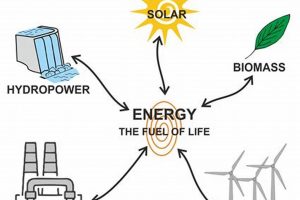
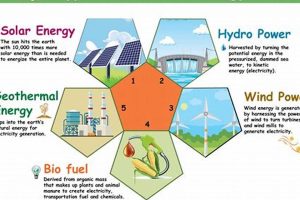
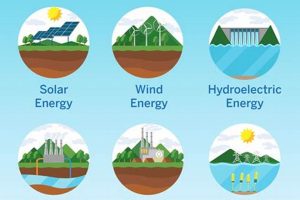
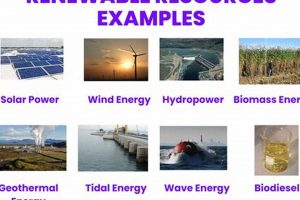
A significant advantage arising from the adoption of sustainable power sources is the reduction in dependence on finite reserves. Unlike fossil fuels, which are depleted through extraction and combustion, resources such as solar, wind, hydro, and geothermal energy are continuously replenished by natural processes. This inherent characteristic ensures long-term availability and reduces the risk associated with resource scarcity.
The shift towards sustainable energy fosters greater energy security for nations and regions. By diversifying energy portfolios with domestically available resources, countries can mitigate the impact of geopolitical instability and fluctuating global fuel prices. This increased autonomy promotes economic stability and resilience against external shocks. Historically, reliance on limited energy sources has created vulnerabilities, which can be addressed through the integration of diverse renewable options.
Further discussion will elaborate on specific economic, environmental, and social advantages, including job creation, pollution reduction, and improved public health, all stemming from the utilization of naturally replenishing power sources.
Guidance on Harnessing Sustainable Energy Advantages
The ensuing points underscore effective strategies for maximizing the positive outcomes from utilizing sustainably-sourced power.
Tip 1: Policy Implementation: Government incentives, such as tax credits and subsidies, can accelerate the adoption of renewable energy technologies. Clear and consistent policies provide a stable investment environment, attracting private sector capital and fostering innovation.
Tip 2: Grid Modernization: Upgrading existing power grids to accommodate intermittent renewable energy sources is essential. Smart grid technologies, including advanced sensors and data analytics, improve grid stability and optimize energy distribution.
Tip 3: Diversification of Sources: Integrating a mix of renewable energy technologies solar, wind, hydro, geothermal enhances reliability and reduces dependence on any single resource. Regional variations in resource availability should inform the selection of appropriate technologies.
Tip 4: Energy Storage Solutions: Investing in energy storage systems, such as batteries and pumped hydro storage, addresses the intermittency challenges associated with certain renewable resources. These systems store excess energy generated during peak production periods and release it when demand is high.
Tip 5: Public Awareness Campaigns: Educating the public about the benefits of renewable energy fosters greater acceptance and support. Clear and concise messaging highlighting environmental, economic, and social advantages can encourage widespread adoption.
Tip 6: Research and Development: Continuous investment in research and development is crucial for improving the efficiency and reducing the cost of renewable energy technologies. Supporting innovation drives technological advancements and expands the range of viable solutions.
Adherence to these guidelines can facilitate a smooth transition to a cleaner, more sustainable energy future, unlocking diverse societal benefits.
Subsequent sections will elaborate on practical applications and case studies demonstrating the impact of sustainable energy initiatives.
1. Environmental preservation

Environmental preservation stands as a core justification for transitioning to renewable energy. The inherent link stems from the minimal ecological disruption and pollution associated with these energy sources compared to traditional fossil fuels. Renewable technologies offer a pathway to meet energy demands while safeguarding natural ecosystems and resources.
- Reduced Greenhouse Gas Emissions
Fossil fuel combustion is a primary driver of greenhouse gas emissions, contributing significantly to climate change. Renewable energy sources, such as solar, wind, and hydro, produce little to no greenhouse gases during operation. A transition to these sources directly reduces the atmospheric concentration of pollutants and mitigates the effects of global warming, preserving environmental stability.
- Minimizing Air and Water Pollution
Coal-fired power plants and oil refineries release harmful air pollutants, including particulate matter and sulfur dioxide, which degrade air quality and contribute to respiratory illnesses. The extraction and transportation of fossil fuels also pose risks of oil spills and water contamination. Renewable energy facilities, in contrast, typically have minimal air and water pollution footprints, supporting cleaner air and healthier aquatic ecosystems.
- Land Use Impacts
While renewable energy projects can require land, the overall impact is often less severe than that of fossil fuel extraction and transportation. For instance, wind farms and solar arrays can coexist with agricultural activities. Furthermore, decommissioning renewable energy facilities generally leaves a smaller environmental legacy compared to abandoned mines or depleted oil fields, promoting responsible land stewardship.
- Habitat Protection
The extraction and transportation of fossil fuels can lead to habitat destruction and fragmentation. Renewable energy projects, when properly sited and managed, can minimize impacts on sensitive ecosystems. For example, offshore wind farms can be designed to avoid migratory bird routes and sensitive marine habitats, contributing to the conservation of biodiversity.
The interconnected nature of reduced emissions, minimized pollution, responsible land use, and habitat protection underscores the multifaceted contribution of renewable energy to environmental preservation. By embracing these energy sources, societies can significantly lessen their ecological footprint and ensure a more sustainable future for generations to come.
2. Resource Sustainability

Resource sustainability forms a cornerstone benefit of transitioning to renewable energy sources. This advantage stems from the inherent nature of these resources to replenish themselves, contrasting sharply with the finite reserves of fossil fuels. The shift mitigates the risk of resource depletion and contributes to long-term energy security.
- Inexhaustible Energy Supply
Solar, wind, hydro, and geothermal energy are derived from continuously available natural processes. Sunlight, wind currents, and geothermal heat are constantly replenished, ensuring a virtually limitless energy supply. This contrasts with fossil fuels, which are finite and subject to eventual exhaustion, making renewable sources a more sustainable long-term solution.
- Reduced Dependence on Finite Reserves
Reliance on fossil fuels exposes nations to price volatility and geopolitical instability associated with limited reserves. Transitioning to renewable resources reduces this dependence, enhancing energy independence and security. By harnessing domestically available renewable resources, countries can lessen their vulnerability to global energy market fluctuations.
- Minimized Resource Depletion
The extraction and processing of fossil fuels lead to significant resource depletion and environmental degradation. Renewable energy generation minimizes these impacts by directly utilizing naturally replenishing resources. This ensures that future generations have access to the energy resources they need without compromising the environment.
- Enhanced Long-Term Energy Security
The availability and accessibility of renewable energy resources contribute to long-term energy security. By diversifying energy portfolios with renewable sources, countries can mitigate the risks associated with reliance on any single resource. This creates a more stable and resilient energy system, capable of meeting future energy demands without compromising resource availability.
These facets of resource sustainability collectively highlight the significant advantages of renewable energy. The shift from finite fossil fuels to naturally replenishing resources ensures a more secure, stable, and environmentally responsible energy future, underlining a primary benefit derived from adopting renewable energy technologies.
3. Reduced emissions

The diminution of harmful emissions is a critical advantage directly linked to the implementation of renewable energy resources. This benefit addresses both immediate public health concerns and the long-term stability of the global climate.
- Mitigation of Greenhouse Gas Effects
Renewable energy technologies, such as solar, wind, and hydroelectric power, generate electricity with minimal or no greenhouse gas emissions. This reduction directly combats climate change by decreasing the atmospheric concentration of carbon dioxide and other heat-trapping gases. For example, replacing a coal-fired power plant with a wind farm can significantly lower a region’s carbon footprint, contributing to global efforts to limit temperature increases and mitigate the impacts of extreme weather events.
- Improved Air Quality
Fossil fuel combustion releases pollutants like particulate matter, sulfur dioxide, and nitrogen oxides, which degrade air quality and contribute to respiratory illnesses. Renewable energy alternatives produce substantially fewer of these harmful substances. In urban areas, the adoption of renewable energy sources can lead to cleaner air, reducing the incidence of asthma and other respiratory ailments and improving overall public health.
- Decreased Acid Rain and Smog Formation
Emissions of sulfur dioxide and nitrogen oxides from fossil fuel power plants are primary contributors to acid rain and smog. Renewable energy technologies offer a cleaner alternative, reducing the release of these pollutants. The decrease in acid rain protects ecosystems by preventing acidification of lakes and forests, while the reduction in smog improves visibility and reduces the negative impacts on human health and agricultural productivity.
- Reduced Mercury and Heavy Metal Pollution
Coal-fired power plants are a significant source of mercury and other heavy metal emissions, which can accumulate in the environment and pose health risks to humans and wildlife. Renewable energy sources do not produce these pollutants. The transition to renewable energy thus minimizes the release of toxic substances, protecting ecosystems and reducing the potential for bioaccumulation in the food chain.
The aforementioned facets emphasize the integral role reduced emissions play as one benefit to the widespread adoption of renewable energy resources. By mitigating climate change, improving air quality, decreasing acid rain and smog formation, and reducing mercury pollution, renewable energy contributes to a healthier environment and a more sustainable future.
4. Energy independence
The attainment of energy independence constitutes a significant advantage arising from the adoption of renewable energy resources. This stems from the ability of nations to leverage domestically available renewable sources, diminishing reliance on foreign fuel imports. This reduced dependence enhances national security and shields economies from the volatility of global energy markets. For instance, countries with abundant solar resources, like Spain or Australia, can invest in solar energy infrastructure to meet a substantial portion of their energy needs, thus decreasing their dependence on imported oil or natural gas. This promotes stability and self-reliance.
The proliferation of renewable energy projects fosters local job creation and stimulates economic growth within the domestic market. Solar panel manufacturing, wind turbine installation, and hydroelectric dam construction generate employment opportunities, contributing to a diversified and resilient economy. Furthermore, the decentralized nature of many renewable energy technologies, such as rooftop solar panels, empowers individuals and communities to become energy producers, further enhancing energy independence at a grassroots level. Germany’s Energiewende, a transition to renewable energy, illustrates a national commitment to phasing out nuclear power and reducing reliance on fossil fuels, promoting energy independence through strategic investments in wind, solar, and other renewable technologies.
In summary, the pursuit of energy independence is intrinsically linked to the benefits derived from utilizing renewable energy resources. By harnessing domestic renewable resources, nations can mitigate geopolitical risks, bolster economic growth, and fortify their long-term energy security. While challenges such as grid modernization and energy storage remain, the strategic importance of energy independence serves as a powerful catalyst for the continued expansion and integration of renewable energy technologies worldwide. The transition to renewable energy secures a nation’s energy future and lessens its vulnerability to external forces.
5. Economic diversification

The integration of renewable energy resources demonstrably fosters economic diversification. This stems from the creation of new industries and employment opportunities associated with the development, manufacturing, installation, and maintenance of renewable energy technologies. Unlike traditional fossil fuel industries, which tend to concentrate economic benefits in specific regions, renewable energy projects can be deployed across a wider geographical area, stimulating economic activity in diverse communities. This diversification extends beyond energy production to include related sectors such as manufacturing, engineering, construction, and research, contributing to a more resilient and robust economy.
Examples of this economic diversification are evident in regions that have actively embraced renewable energy initiatives. Germany’s Energiewende, for instance, has not only driven the growth of its renewable energy sector but also spurred innovation in related industries, such as energy storage and smart grid technologies. Similarly, in the United States, states with ambitious renewable energy targets have experienced significant job growth in the solar and wind energy sectors. These jobs are often located in rural areas, providing economic opportunities in communities that may have previously relied on traditional industries such as agriculture or manufacturing. The expansion of supply chains associated with renewable energy technologies also creates opportunities for small and medium-sized enterprises (SMEs), further contributing to economic diversification and resilience.
In conclusion, the connection between renewable energy and economic diversification is multifaceted and significant. By stimulating new industries, creating jobs, and fostering innovation, renewable energy technologies contribute to a more diverse and resilient economy. This economic diversification not only enhances a nation’s energy security but also promotes sustainable economic growth and improves the livelihoods of communities across various sectors and regions. The strategic deployment of renewable energy resources should, therefore, be viewed as a key component of broader economic development strategies.
6. Improved public health

Improved public health emerges as a crucial consequence of transitioning to renewable energy resources. The adverse health effects associated with traditional fossil fuel-based energy generation present significant societal burdens, which can be substantially mitigated through the adoption of cleaner, renewable alternatives. The following facets detail specific pathways through which renewable energy contributes to better public health outcomes.
- Reduced Respiratory Illnesses
Fossil fuel combustion releases particulate matter, nitrogen oxides, and sulfur dioxide, all of which contribute to respiratory illnesses such as asthma and bronchitis. Renewable energy sources, such as solar and wind power, produce minimal or no air pollutants during operation, leading to improved air quality and a reduced incidence of respiratory ailments. For example, a shift from coal-fired power plants to renewable energy sources in urban areas correlates with decreased rates of asthma-related hospitalizations, particularly among children and the elderly.
- Decreased Cardiovascular Disease
Exposure to air pollution is linked to an increased risk of cardiovascular disease, including heart attacks and strokes. Fine particulate matter can penetrate deep into the lungs and enter the bloodstream, causing inflammation and damage to the cardiovascular system. By reducing air pollution, renewable energy sources contribute to a lower incidence of cardiovascular events and improved overall cardiovascular health. Studies have demonstrated that communities located near renewable energy projects often experience better cardiovascular health outcomes compared to those reliant on fossil fuel-based power generation.
- Lower Cancer Rates
Certain pollutants released during fossil fuel combustion, such as benzene and formaldehyde, are known carcinogens. Long-term exposure to these substances increases the risk of developing various types of cancer, including lung cancer and leukemia. Renewable energy sources do not produce these carcinogenic pollutants, reducing the population’s exposure to cancer-causing agents. As renewable energy becomes more prevalent, a corresponding decrease in cancer rates linked to air pollution is anticipated.
- Reduced Neurological Disorders
Exposure to air pollution has been associated with an increased risk of neurological disorders, including cognitive decline and Alzheimer’s disease. Air pollutants can damage brain cells and impair cognitive function. By improving air quality, renewable energy resources contribute to better neurological health and a reduced incidence of neurodegenerative diseases, particularly in vulnerable populations such as the elderly.
The cumulative effect of these improvements underscores the profound connection between renewable energy adoption and enhanced public health. By mitigating air pollution and its associated health risks, renewable energy resources provide tangible benefits to communities, contributing to a healthier and more sustainable future. The implementation of renewable energy technologies represents a proactive approach to safeguarding public health and reducing the societal burden of pollution-related illnesses.
Frequently Asked Questions Regarding Renewable Energy Advantages
The following section addresses common inquiries pertaining to the benefits associated with employing sustainable energy resources, providing clear and concise answers to enhance understanding.
Question 1: How does renewable energy contribute to environmental sustainability?
Renewable energy sources, such as solar, wind, and hydro, produce minimal to no greenhouse gas emissions during operation. This reduction in emissions mitigates climate change and improves air quality, contributing to environmental preservation and long-term sustainability.
Question 2: In what way does renewable energy enhance energy security?
By utilizing domestically available renewable resources, nations can reduce their dependence on imported fossil fuels, enhancing energy independence and security. This mitigates the impact of geopolitical instability and fluctuating global energy prices.
Question 3: How does renewable energy impact economic growth?
The development, manufacturing, installation, and maintenance of renewable energy technologies create new industries and employment opportunities. This diversification of the economy stimulates economic growth and fosters innovation in related sectors.
Question 4: What are the public health benefits of renewable energy?
Renewable energy reduces air pollution associated with fossil fuel combustion, leading to improved respiratory and cardiovascular health. This decrease in pollution contributes to a lower incidence of related illnesses and improved overall public health outcomes.
Question 5: What are the primary challenges associated with transitioning to renewable energy?
Challenges include the intermittent nature of some renewable resources, the need for grid modernization to accommodate these sources, and the requirement for energy storage solutions to ensure reliable power supply. Overcoming these challenges requires ongoing investment in research, technology, and infrastructure.
Question 6: How can governments support the adoption of renewable energy?
Governments can implement policies such as tax credits, subsidies, and renewable energy mandates to incentivize the development and deployment of renewable energy technologies. These policies create a stable investment environment and promote the transition to a cleaner energy future.
The advantages associated with sustainable energy resources, encompassing environmental stewardship, energy security, economic growth, and public health improvements, underscore the significance of continued investment and strategic planning in this sector.
Subsequent sections will explore case studies illustrating the real-world impact of renewable energy initiatives and provide recommendations for effective implementation.
Conclusion
The preceding analysis has illuminated the multifaceted advantages stemming from the adoption of renewable energy resources. The reduction in reliance on finite reserves, the core subject of this exploration, underscores a transformative shift in energy paradigms. Mitigation of environmental degradation, enhancement of energy security, stimulation of economic diversification, and improvement of public health are inextricably linked to this transition.
The imperative to embrace sustainable energy pathways is paramount. Continued research, policy implementation, and technological innovation are essential to unlocking the full potential of renewable resources. The future hinges on a commitment to fostering a resilient and environmentally responsible energy landscape, ensuring long-term societal well-being and global stability.