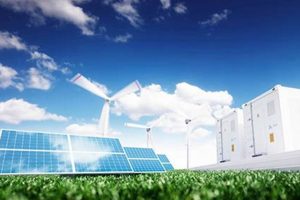
Controlled Environment Agriculture (CEA) powered by renewable energy sources offers a sustainable approach to food production. Imagine a greenhouse or vertical farm using solar panels or wind turbines to power its operations, minimizing its reliance on fossil fuels and reducing its carbon footprint. This combination represents a crucial intersection between agricultural technology and clean energy.
Integrating sustainable energy sources within CEA systems offers significant advantages. It reduces operational costs associated with traditional energy sources and enhances the environmental sustainability of food production. Historically, agriculture has been a significant contributor to greenhouse gas emissions. By adopting renewable energy-powered CEA, the agricultural sector can contribute to climate change mitigation and enhance food security by creating more resilient and less resource-intensive farming practices.
This approach to agriculture opens up a range of topics for further exploration, including the specific types of renewable energy applicable to CEA, the technological advancements driving this integration, the economic viability of such systems, and the potential impact on global food security and sustainable development goals.
Tips for Implementing Renewable Energy in Controlled Environment Agriculture
Successfully integrating renewable energy sources into CEA requires careful planning and execution. The following tips offer guidance for maximizing the benefits of this sustainable approach to agriculture.
Tip 1: Conduct a Thorough Energy Audit: A comprehensive energy audit provides a baseline understanding of current energy consumption patterns, identifying areas for improvement and potential renewable energy integration points within the CEA system.
Tip 2: Select Appropriate Renewable Energy Sources: The choice of renewable energy source should be based on factors like geographic location, available resources, and the specific energy demands of the CEA operation. Solar, wind, geothermal, and biomass energy each offer unique advantages and disadvantages.
Tip 3: Optimize System Design for Energy Efficiency: Efficient climate control, lighting, and irrigation systems minimize energy consumption, making renewable energy integration more effective and cost-efficient.
Tip 4: Explore Energy Storage Solutions: Integrating energy storage solutions, like batteries, allows for continuous operation even when renewable energy generation is intermittent, ensuring consistent power supply for critical CEA processes.
Tip 5: Consider Hybrid Renewable Energy Systems: Combining multiple renewable energy sources, such as solar and wind, can provide a more reliable and consistent power supply compared to relying on a single source.
Tip 6: Leverage Government Incentives and Policies: Explore available government incentives, rebates, and tax credits for renewable energy adoption and CEA implementation to reduce initial investment costs.
Tip 7: Monitor and Evaluate System Performance: Continuous monitoring and evaluation of the integrated system are crucial for optimizing performance, identifying potential issues, and ensuring long-term sustainability.
By implementing these tips, CEA operations can effectively integrate renewable energy, reducing their environmental impact and enhancing their long-term economic viability.
These considerations contribute to a more sustainable and resilient agricultural system, offering a pathway towards a future of environmentally conscious food production.
1. Reduced Emissions

Reduced emissions represent a central benefit of integrating renewable energy sources into Controlled Environment Agriculture (CEA). Conventional agriculture relies heavily on fossil fuels for powering machinery, transportation, and climate control systems, contributing significantly to greenhouse gas emissions. CEA, by utilizing renewable energy like solar, wind, or geothermal, drastically minimizes reliance on these fossil fuels, thereby reducing the carbon footprint associated with food production. This shift towards clean energy sources directly addresses the environmental impact of agriculture and contributes to climate change mitigation efforts. For example, a solar-powered vertical farm can significantly reduce its reliance on grid electricity generated from fossil fuels, leading to a substantial decrease in carbon dioxide emissions compared to a traditional field-based farm.
The importance of reduced emissions within the context of CEA extends beyond environmental benefits. By decreasing reliance on finite and price-volatile fossil fuels, renewable energy-powered CEA operations gain greater energy independence and price stability. This can translate to lower operational costs and enhanced economic viability in the long term. Furthermore, reduced emissions contribute to a more positive public perception and can enhance market access for products marketed as sustainably produced. For instance, consumers are increasingly aware of the environmental impact of their food choices and often favor products grown with sustainable practices, creating market opportunities for CEA operations powered by renewable energy.
Reduced emissions are not merely a byproduct of CEA powered by renewables but a defining characteristic and a key driver of its adoption. While challenges remain in terms of initial investment costs and technological optimization, the long-term benefits of reduced emissions, coupled with enhanced resource efficiency and food security, solidify the crucial role of renewable energy in the future of sustainable agriculture. Transitioning to this model requires a multifaceted approach involving technological innovation, policy support, and market-driven incentives to accelerate the adoption of cleaner energy practices and contribute to a more environmentally sustainable food system.
2. Sustainable Food Production

Sustainable food production aims to meet present nutritional needs without compromising the ability of future generations to meet their own. Controlled Environment Agriculture (CEA) powered by renewable energy offers a pathway toward achieving this goal. By integrating sustainable energy sources, CEA addresses key challenges associated with conventional agriculture, including resource depletion, environmental degradation, and climate change impacts. This approach not only reduces the environmental footprint of food production but also enhances its resilience and long-term viability.
- Reduced Reliance on Finite Resources:
CEA reduces dependence on finite resources like arable land and freshwater. Vertical farming, a type of CEA, utilizes stacked growing systems, maximizing production within a limited footprint. Furthermore, closed-loop irrigation systems within CEA minimize water consumption compared to traditional open-field agriculture. When powered by renewable energy, these resource-efficient practices become even more sustainable, decoupling food production from resource depletion.
- Minimized Environmental Impact:
CEA minimizes environmental impacts associated with conventional agriculture. Precise nutrient delivery systems reduce fertilizer runoff and associated water pollution. The controlled environment minimizes pesticide use, protecting biodiversity and ecosystem health. Integrating renewable energy further reduces the environmental footprint by minimizing greenhouse gas emissions associated with energy consumption.
- Enhanced Resilience to Climate Change:
CEA offers enhanced resilience to the impacts of climate change. Controlled environments buffer crops from extreme weather events, temperature fluctuations, and changing precipitation patterns. Renewable energy integration further strengthens this resilience by reducing dependence on vulnerable energy infrastructure and ensuring consistent operation even during grid disruptions caused by extreme weather.
- Improved Food Security and Accessibility:
CEA can enhance food security and accessibility, particularly in urban areas and regions with limited arable land or challenging climates. By locating production closer to consumers, CEA reduces transportation costs and food miles, enhancing freshness and affordability. Renewable energy-powered CEA can contribute to localized food systems, reducing reliance on long and complex supply chains vulnerable to disruptions.
These facets of sustainable food production highlight the synergistic relationship between CEA and renewable energy. By combining resource-efficient practices with clean energy sources, CEA offers a viable pathway toward a more sustainable and resilient food system. This approach not only addresses environmental concerns but also enhances food security, improves resource management, and contributes to a more equitable and sustainable future for food production.
3. Cost-effective operation
Cost-effective operation is a critical factor in the viability and scalability of Controlled Environment Agriculture (CEA). While initial investment costs for CEA infrastructure can be substantial, integrating renewable energy sources offers significant potential for long-term cost reductions and enhanced profitability. Examining the various facets of cost-effectiveness within renewable energy-powered CEA reveals its economic advantages and long-term sustainability.
- Reduced Energy Expenses:
Renewable energy sources, such as solar photovoltaics and wind turbines, can significantly reduce or eliminate ongoing electricity costs associated with CEA operations. Once the initial investment is recouped, renewable energy provides a consistent and cost-effective power source for lighting, climate control, and other energy-intensive processes. For instance, a vertical farm utilizing solar energy can drastically reduce its reliance on grid electricity, leading to substantial savings on monthly utility bills.
- Predictable Operational Costs:
Renewable energy provides greater predictability in operational costs compared to fluctuating fossil fuel prices. This price stability allows CEA operators to forecast expenses more accurately and develop long-term financial plans with greater confidence. This predictability is particularly advantageous in volatile energy markets, shielding CEA businesses from unpredictable price spikes that can impact profitability.
- Government Incentives and Tax Benefits:
Many governments offer financial incentives, tax credits, and rebates for adopting renewable energy and implementing sustainable agricultural practices. These programs can significantly reduce the initial investment costs of integrating renewable energy into CEA, accelerating the return on investment and enhancing overall cost-effectiveness. For example, tax credits for solar panel installations can significantly offset the upfront costs, making renewable energy a more financially attractive option for CEA operations.
- Increased Market Competitiveness:
Cost-effective operation through renewable energy integration can enhance market competitiveness for CEA-produced goods. Lower operating costs can translate to lower prices for consumers, making sustainably produced food more accessible and competitive with conventionally grown products. This can also enhance brand image and attract environmentally conscious consumers, further strengthening market position.
The cost-effectiveness of renewable energy-powered CEA contributes significantly to its overall sustainability and long-term viability. By reducing operational expenses, providing predictable cost structures, and offering opportunities for government incentives, renewable energy integration strengthens the economic foundation of CEA. This cost-effectiveness, coupled with the environmental benefits of reduced emissions and resource efficiency, positions renewable energy-powered CEA as a crucial component of a sustainable and resilient food system.
4. Enhanced Energy Independence

Enhanced energy independence is a significant advantage of integrating renewable energy sources into Controlled Environment Agriculture (CEA). Traditional agriculture often relies heavily on external energy sources, particularly fossil fuels, making it vulnerable to price fluctuations and supply chain disruptions. CEA powered by renewable energy reduces this dependence, enhancing operational stability and resilience. This shift towards self-reliance strengthens the overall sustainability and economic viability of CEA operations.
- Reduced Reliance on Grid Electricity:
Renewable energy sources, such as solar panels and wind turbines, enable CEA facilities to generate their own electricity, reducing or eliminating reliance on the power grid. This reduces vulnerability to grid outages, price volatility, and transmission losses associated with centralized power generation. A geothermal-powered greenhouse, for example, can operate independently of the electricity grid, ensuring consistent climate control even during power disruptions.
- Mitigation of Fossil Fuel Dependence:
CEA powered by renewables minimizes reliance on fossil fuels for heating, cooling, and other energy-intensive processes. This reduces operational costs and greenhouse gas emissions while enhancing energy security. For instance, a vertical farm using biomass energy for heating can significantly reduce its dependence on natural gas or other fossil fuels, mitigating price volatility and supply chain risks.
- Localized Energy Production:
Renewable energy integration enables localized energy production within the CEA facility. This reduces transmission losses associated with transporting electricity over long distances and enhances overall energy efficiency. A solar-powered vertical farm in an urban area, for example, can generate its own electricity on-site, reducing the need for long-distance transmission and minimizing energy losses.
- Improved Resilience to External Disruptions:
Enhanced energy independence through renewables improves the resilience of CEA operations to external disruptions, such as natural disasters or geopolitical instability. By generating their own power, CEA facilities can maintain essential functions even when external energy supplies are compromised. For instance, a wind-powered greenhouse in a disaster-prone area can continue operating even during grid outages caused by extreme weather events.
These facets of enhanced energy independence demonstrate the crucial role of renewable energy in creating more resilient and sustainable CEA operations. By reducing reliance on external energy sources and mitigating vulnerabilities to price fluctuations and supply chain disruptions, renewable energy-powered CEA enhances food security, improves resource management, and contributes to a more stable and environmentally responsible agricultural sector. This shift toward energy independence not only benefits individual CEA operations but also strengthens the overall resilience and sustainability of the food system.
5. Climate Change Mitigation
Climate change mitigation represents a critical global challenge, demanding innovative solutions across various sectors, including agriculture. Controlled Environment Agriculture (CEA) powered by renewable energy offers a significant opportunity to mitigate the environmental impact of food production and contribute to broader climate change mitigation efforts. By reducing greenhouse gas emissions, enhancing resource efficiency, and promoting sustainable practices, renewable energy-powered CEA provides a pathway towards a more climate-resilient agricultural sector.
- Reduced Greenhouse Gas Emissions:
Conventional agriculture contributes significantly to greenhouse gas emissions through activities like fertilizer production, livestock management, and the use of fossil fuels for machinery and transportation. CEA powered by renewable energy drastically reduces these emissions. Utilizing solar, wind, or geothermal energy minimizes reliance on fossil fuels, lowering the carbon footprint of food production. For instance, a solar-powered vertical farm significantly reduces carbon dioxide emissions compared to a traditional field-based farm relying on fossil fuel-based electricity. This direct reduction in emissions is a crucial component of climate change mitigation strategies.
- Carbon Sequestration Potential:
Certain CEA systems, particularly those incorporating green roofs or integrating plant-based carbon capture technologies, can contribute to carbon sequestration, further enhancing their climate change mitigation potential. While still an emerging area of research, these approaches offer the possibility of removing carbon dioxide from the atmosphere, complementing emissions reductions achieved through renewable energy integration. For example, integrating algae cultivation within a CEA system can capture carbon dioxide, which can then be utilized for biomass energy production or other applications.
- Sustainable Resource Management:
CEA powered by renewable energy promotes sustainable resource management, which indirectly contributes to climate change mitigation. Efficient water usage through closed-loop irrigation systems reduces pressure on freshwater resources, the scarcity of which is exacerbated by climate change. Precise nutrient delivery systems minimize fertilizer runoff, reducing water pollution and greenhouse gas emissions associated with fertilizer production. These practices enhance the overall sustainability of agriculture and contribute to a more climate-resilient food system.
- Reduced Food Miles and Transportation Emissions:
CEA can be implemented closer to urban centers, reducing the distance food travels from farm to consumer. This reduction in “food miles” minimizes transportation emissions associated with conventional agriculture’s long and complex supply chains. Furthermore, localized food production reduces reliance on refrigerated transport, which further lowers energy consumption and greenhouse gas emissions. By shortening the supply chain and promoting local consumption, CEA contributes to a more sustainable and climate-friendly food system.
These facets demonstrate the significant role of renewable energy-powered CEA in climate change mitigation strategies. By reducing greenhouse gas emissions, promoting sustainable resource management, and enhancing the resilience of food systems, CEA offers a viable pathway towards a more sustainable and climate-resilient agricultural sector. This integrated approach not only addresses the environmental challenges posed by climate change but also strengthens food security, enhances resource efficiency, and contributes to a more environmentally responsible and sustainable future for food production. Continued research, technological advancements, and supportive policies are essential to fully realize the climate change mitigation potential of renewable energy-powered CEA.
6. Increased Resource Efficiency
Increased resource efficiency forms a cornerstone of sustainable agriculture and is intrinsically linked to the effectiveness of Controlled Environment Agriculture (CEA) powered by renewable energy. CEA inherently promotes resource optimization through precise control over environmental factors, enabling minimized inputs and reduced waste. Integrating renewable energy further amplifies this resource efficiency by decoupling energy consumption from environmentally damaging practices. This synergy creates a positive feedback loop, where resource optimization reduces the energy demand for CEA operations, making renewable energy integration more effective and economically viable.
Consider water usage, a critical resource in agriculture. Traditional farming practices often involve significant water loss through evaporation, runoff, and inefficient irrigation methods. CEA systems, particularly those employing hydroponics or aeroponics, drastically reduce water consumption through closed-loop irrigation systems and precise nutrient delivery. This reduced water demand translates to lower energy requirements for pumping and distribution, making renewable energy sources like solar or wind power more feasible and cost-effective for powering the CEA operation. Furthermore, reduced reliance on external water sources enhances the resilience of CEA operations in water-stressed regions, showcasing the practical significance of resource efficiency within CEA.
Another crucial aspect is nutrient management. Conventional agriculture often relies on excessive fertilizer application, leading to nutrient runoff, water pollution, and greenhouse gas emissions from fertilizer production. CEA systems utilize precise nutrient delivery methods, providing plants with the exact nutrients they need, when they need them. This minimizes nutrient waste and reduces the environmental impact associated with fertilizer production and application. Moreover, optimizing nutrient uptake enhances plant growth and yield, contributing to the overall efficiency and productivity of the CEA system. This reduced reliance on external inputs, coupled with the use of renewable energy, strengthens the environmental and economic sustainability of CEA. The practical application of this understanding is evident in vertical farms utilizing hydroponic systems and renewable energy, achieving significantly higher yields with drastically reduced water and fertilizer consumption compared to traditional farming methods. The interplay between increased resource efficiency and renewable energy within CEA underscores the potential of this approach to transform agriculture into a more sustainable and resilient sector. Addressing challenges related to initial investment costs and technological optimization remains crucial for widespread adoption. However, the inherent link between resource efficiency and renewable energy within CEA provides a compelling pathway towards a more environmentally responsible and resource-conscious food production system, crucial for ensuring long-term food security and mitigating the environmental impacts of agriculture.
Frequently Asked Questions about Renewable Energy in Controlled Environment Agriculture
This FAQ section addresses common inquiries regarding the integration of renewable energy sources within controlled environment agriculture (CEA), aiming to provide clear and concise information for informed decision-making.
Question 1: What are the most suitable renewable energy sources for CEA operations?
The optimal renewable energy source depends on several factors, including geographic location, climate, available resources, and the specific energy demands of the CEA facility. Solar photovoltaic systems are widely applicable and offer advantages in sunny climates. Wind energy is suitable for locations with consistent wind resources. Geothermal energy offers a reliable baseload power source in geothermally active regions. Biomass energy can be utilized where organic waste streams are readily available. A thorough energy assessment can determine the most appropriate renewable energy source for a specific CEA operation.
Question 2: How can the initial investment costs of integrating renewable energy into CEA be addressed?
While initial investments can be significant, various financing options and incentives can mitigate these costs. Government grants, rebates, tax credits, and loans specifically designed for renewable energy projects and sustainable agriculture can significantly reduce upfront expenses. Power purchase agreements (PPAs) allow CEA operators to purchase renewable energy from third-party developers, eliminating the need for upfront capital investment. Exploring these options can make renewable energy integration financially feasible for a wider range of CEA operations.
Question 3: How does renewable energy integration impact the reliability and consistency of CEA operations?
The intermittency of some renewable energy sources, like solar and wind, can pose challenges for continuous CEA operation. Integrating energy storage solutions, such as batteries or pumped hydro storage, can mitigate this intermittency by storing excess energy generated during peak production periods and providing power during periods of low generation. Hybrid renewable energy systems, combining multiple renewable sources, can also enhance reliability and minimize reliance on backup power sources.
Question 4: What are the environmental benefits of utilizing renewable energy in CEA beyond emissions reductions?
Beyond reducing greenhouse gas emissions, renewable energy-powered CEA contributes to several other environmental benefits. Reduced water consumption through efficient irrigation systems minimizes pressure on freshwater resources. Precise nutrient management reduces fertilizer runoff and associated water pollution. Minimized pesticide use protects biodiversity and ecosystem health. These combined benefits contribute to a more sustainable and environmentally responsible agricultural sector.
Question 5: How does renewable energy integration contribute to the long-term economic viability of CEA?
Renewable energy integration contributes to long-term economic viability by reducing operational costs associated with energy consumption. Predictable energy prices associated with renewable sources enhance financial planning and stability. Increased resource efficiency minimizes input costs and reduces waste. These factors, combined with potential revenue streams from carbon credits or renewable energy certificates, strengthen the overall economic sustainability of CEA operations.
Question 6: What are the key challenges and opportunities associated with wider adoption of renewable energy in CEA?
Key challenges include high initial investment costs, technological optimization, and the need for supportive policies and regulations. Opportunities include declining costs of renewable energy technologies, advancements in energy storage solutions, growing consumer demand for sustainably produced food, and increasing government support for renewable energy and sustainable agriculture. Addressing these challenges and capitalizing on these opportunities will be crucial for accelerating the adoption of renewable energy within CEA and realizing its full potential for a more sustainable and resilient food system.
Successfully integrating renewable energy into CEA requires careful consideration of various factors, including resource availability, energy demands, and financial feasibility. Understanding these aspects enables informed decision-making and facilitates the transition towards a more sustainable and resilient agricultural sector.
Exploring specific case studies and examples of successful renewable energy integration within CEA operations provides further insights and practical guidance.
Conclusion
This exploration of controlled environment agriculture (CEA) powered by renewable energy has highlighted its potential to transform the agricultural sector. Key advantages include reduced greenhouse gas emissions, enhanced resource efficiency, improved food security, and increased economic viability through reduced operational costs and energy independence. Integrating renewable energy sources like solar, wind, geothermal, and biomass into CEA operations addresses critical environmental challenges while contributing to a more sustainable and resilient food system. The analysis has also addressed the challenges associated with implementing these systems, including initial investment costs and the need for technological advancements and supportive policies.
The transition towards sustainable agriculture requires a multifaceted approach. Controlled environment agriculture powered by renewable energy offers a crucial pathway towards achieving this goal. Continued research, technological innovation, and supportive policy frameworks are essential to unlock the full potential of CEA and create a future where agricultural practices are both environmentally responsible and economically viable, ensuring long-term food security for a growing global population.