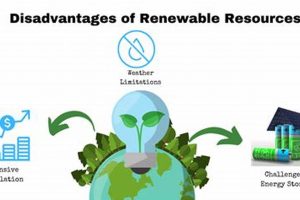
Renewable energy sources, while offering numerous benefits, also present certain limitations that might not be considered advantages compared to traditional energy generation methods. These limitations often involve factors such as intermittency, geographic constraints, infrastructure requirements, and the current economics of deployment. For instance, solar energy production is heavily dependent on sunlight availability, and wind power relies on consistent wind patterns; these fluctuations can create challenges for grid stability and reliability.
Understanding the full spectrum of renewable energy characteristics is critical for informed decision-making regarding energy policy and investment. The perceived benefits, such as reduced carbon emissions and fuel independence, must be weighed against practical challenges. Historical context shows a growing awareness of these issues, driving ongoing research and technological development to mitigate the limitations and improve the overall viability of renewable energy integration into existing power grids. This awareness is pushing advancements in energy storage, smart grid technologies, and optimized resource allocation.
Therefore, a comprehensive evaluation of renewable energy options requires acknowledging both their merits and their drawbacks. This analysis is essential for developing sustainable and reliable energy systems that effectively address global energy demands while minimizing environmental impact. Further discussion will focus on specific constraints that challenge the widespread adoption and efficient utilization of various renewable energy technologies.
Considerations Regarding Renewable Energy Resource Limitations
Addressing the complexities surrounding renewable energy sources necessitates a clear understanding of their inherent limitations, often perceived as disadvantages when compared to conventional energy production methods. The following points offer insights into these challenges.
Tip 1: Acknowledge Intermittency: Renewable sources such as solar and wind are intrinsically intermittent. Solar energy is limited by diurnal cycles and weather patterns, while wind power depends on consistent wind speeds. Mitigation strategies, such as energy storage solutions, are essential but add to the overall cost and complexity.
Tip 2: Evaluate Geographic Constraints: The availability of renewable resources varies significantly by geographic location. Optimal solar irradiance zones and regions with consistent wind patterns are limited. Transporting energy from these locations to demand centers often requires significant infrastructure investments and incurs transmission losses.
Tip 3: Assess Land Use Impacts: Large-scale renewable energy projects, such as solar farms and wind farms, require substantial land areas. This can lead to potential land use conflicts, habitat disruption, and aesthetic concerns in affected regions. Careful planning and siting considerations are critical.
Tip 4: Address Material Dependencies: The manufacturing of renewable energy technologies often relies on specific materials, some of which may be scarce or subject to geopolitical risks. Supply chain diversification and research into alternative materials are necessary to ensure long-term sustainability.
Tip 5: Understand Economic Viability Challenges: The initial capital costs associated with renewable energy projects can be substantial. While operating costs are generally lower than those of fossil fuel-based power plants, the upfront investment can be a barrier to entry. Supportive policies and financial incentives are often needed to promote widespread adoption.
Tip 6: Recognize Grid Integration Difficulties: Integrating variable renewable energy sources into existing power grids poses technical challenges. Maintaining grid stability and reliability requires advanced grid management technologies, such as smart grids and demand response programs.
Tip 7: Account for Environmental Impacts of Manufacturing and Disposal: While renewable energy generation produces minimal emissions, the manufacturing and disposal of renewable energy equipment can have environmental consequences. Life cycle assessments are essential to evaluate the overall environmental footprint.
Acknowledging these limitations is crucial for developing realistic and effective strategies for integrating renewable energy resources into the global energy mix. Addressing these challenges will pave the way for a more sustainable and resilient energy future.
The subsequent discussion will further explore solutions and technological advancements aimed at overcoming these inherent limitations, thereby maximizing the potential of renewable energy sources.
1. Intermittency

Intermittency is a core characteristic of many renewable energy sources, fundamentally affecting their reliability and availability. This directly relates to considerations of “which is not an advantage of renewable energy resources” as it presents challenges in consistently meeting energy demand, especially when compared to dispatchable energy sources like fossil fuels or nuclear power.
- Unpredictable Power Generation
Solar energy generation fluctuates based on daylight hours, cloud cover, and seasonal variations. Wind power output depends on variable wind speeds and atmospheric conditions. This unpredictability makes it difficult to forecast energy production accurately, leading to potential mismatches between supply and demand. Consequently, energy storage solutions or backup power sources are necessary to compensate for these fluctuations, adding to the overall system cost and complexity.
- Grid Instability and Management
Significant reliance on intermittent renewable sources can destabilize the electrical grid. Sudden drops or surges in power generation can strain grid infrastructure and potentially cause blackouts if not properly managed. Grid operators must employ sophisticated forecasting tools and advanced control systems to balance supply and demand in real-time. Furthermore, increased grid flexibility and capacity are required to accommodate the fluctuating output of renewable energy facilities.
- Geographic and Temporal Limitations
The effectiveness of intermittent renewable sources is geographically and temporally constrained. Solar energy is most productive in regions with high solar irradiance, while wind power is best suited for areas with consistent wind patterns. Energy production varies throughout the day and across seasons, limiting the ability to provide a consistent base load power supply. These constraints necessitate a diversified energy portfolio and strategic placement of renewable energy installations.
- Impact on Energy Storage Requirements
Intermittency drives the need for robust energy storage solutions to bridge the gap between periods of high renewable energy production and periods of low production or high demand. Battery storage, pumped hydro storage, and other energy storage technologies are essential for smoothing out the variable output of renewable sources. However, energy storage adds significant cost and complexity to renewable energy systems, influencing their overall economic viability and environmental footprint.
The intermittent nature of renewable energy presents a significant barrier to their widespread adoption as a primary energy source. While technological advancements in energy storage and grid management are continuously improving, intermittency remains a key consideration when evaluating the advantages and disadvantages of integrating renewable energy resources into existing power systems. The need to address this challenge underscores the importance of a balanced and diversified energy portfolio that considers both renewable and non-renewable sources.
2. Location Constraints

Location constraints represent a significant factor influencing the viability and effectiveness of renewable energy resources. These limitations directly contribute to the disadvantages associated with their implementation, impacting overall efficiency and economic feasibility.
- Geographic Resource Availability
Renewable energy sources are unevenly distributed geographically. Solar energy potential is highest in regions with abundant sunlight, while wind energy is most viable in areas with consistent wind patterns. Hydroelectric power requires suitable river systems and topography. This spatial variability limits the deployment of specific renewable technologies to locations where the resource is naturally abundant, potentially requiring long-distance transmission to demand centers. This infrastructure investment offsets some of the environmental and operational advantages.
- Accessibility and Infrastructure Limitations
Even in areas with high renewable resource potential, accessibility and existing infrastructure can pose significant challenges. Remote locations may lack the necessary roads, transmission lines, or skilled workforce to support large-scale renewable energy projects. Developing these infrastructure components can be costly and time-consuming, further diminishing the economic attractiveness of renewable energy compared to traditional sources that can be situated closer to demand centers with established infrastructure.
- Environmental and Land Use Conflicts
Optimal locations for renewable energy installations may conflict with other land uses, such as agriculture, forestry, or protected natural areas. Large-scale solar farms and wind farms require substantial land areas, potentially leading to habitat loss, visual impacts, and community opposition. Balancing the need for renewable energy with the preservation of environmental and social values requires careful planning and stakeholder engagement, often resulting in compromises that reduce the overall efficiency or capacity of the project.
- Climate Variability and Extreme Events
The long-term reliability of renewable energy resources can be affected by climate variability and extreme weather events. Changes in precipitation patterns can impact hydroelectric power generation, while droughts and heatwaves can reduce the efficiency of solar panels. Severe storms can damage wind turbines and other renewable energy infrastructure. These risks necessitate robust planning and adaptation strategies to ensure the resilience of renewable energy systems in the face of climate change, adding to the overall complexity and cost.
The influence of location constraints on renewable energy deployment underscores the need for a holistic approach that considers not only the environmental benefits but also the practical limitations associated with resource availability, infrastructure, land use, and climate variability. Addressing these constraints is essential for maximizing the potential of renewable energy and ensuring its effective integration into the global energy mix.
3. Land Requirements

Land requirements represent a significant consideration when evaluating renewable energy resources. The extensive land area needed for certain renewable energy technologies presents a notable disadvantage compared to traditional energy sources, influencing deployment strategies and environmental impact assessments.
- Scale of Renewable Energy Facilities
Solar photovoltaic (PV) farms and wind farms necessitate large tracts of land to achieve substantial energy generation capacities. For instance, a utility-scale solar PV plant can require several acres per megawatt of installed capacity, while wind farms demand even larger areas to accommodate turbine spacing and prevent wind turbulence. This contrasts sharply with the relatively compact footprint of fossil fuel-fired power plants or nuclear reactors, which can generate significantly more energy from a smaller land area. Land occupancy directly affects habitat and land usage patterns.
- Land Use Competition and Conflict
The demand for extensive land areas for renewable energy projects can create competition with other land uses, such as agriculture, forestry, and residential development. This competition can lead to conflicts with local communities and stakeholders, particularly in regions with limited land availability or high land values. Balancing the need for renewable energy with the preservation of agricultural land, natural habitats, and scenic landscapes requires careful planning and stakeholder engagement, potentially increasing project costs and timelines.
- Environmental Impacts and Ecosystem Disruption
Large-scale renewable energy projects can have significant environmental impacts, including habitat loss, soil erosion, and disruption of wildlife migration patterns. Clearing vegetation for solar farms or constructing access roads for wind turbines can fragment habitats and reduce biodiversity. Mitigating these impacts requires careful site selection, environmental impact assessments, and the implementation of mitigation measures, such as habitat restoration and wildlife corridors. These measures can add to the overall cost and complexity of renewable energy projects.
- Visual Impacts and Aesthetic Concerns
The visual impact of large-scale renewable energy facilities can be a significant concern for communities located near these projects. Solar farms and wind turbines can alter the landscape, affecting scenic views and property values. Addressing these aesthetic concerns often involves incorporating landscaping, minimizing visual intrusion, and engaging with local communities to ensure that projects are designed in a manner that is sensitive to their surroundings. These considerations can influence the siting and design of renewable energy projects, potentially increasing costs and reducing energy output.
The considerable land requirements associated with certain renewable energy technologies represent a noteworthy challenge. Managing land use competition, minimizing environmental impacts, and addressing visual concerns are essential considerations for ensuring the sustainable and responsible deployment of renewable energy resources. Acknowledging these trade-offs is crucial for informed decision-making and the development of effective strategies for integrating renewable energy into the global energy mix.
4. Material Dependency
Material dependency constitutes a significant constraint on the widespread adoption and long-term sustainability of renewable energy technologies, directly influencing their perceived advantages. The reliance on specific materials, often scarce or subject to geopolitical volatility, creates vulnerabilities that can undermine the viability of renewable energy systems.
- Rare Earth Element Reliance
Many renewable energy technologies, such as wind turbines and certain types of solar panels, depend on rare earth elements (REEs) for critical components. Neodymium, dysprosium, and other REEs are essential for the magnets used in wind turbine generators and for certain thin-film solar cells. The limited availability of REEs, coupled with their concentration in a few countries, creates supply chain risks and potential price volatility. This dependency diminishes the appeal of renewable energy by introducing a reliance on potentially unstable sources, counteracting the desired energy independence.
- Critical Mineral Constraints
Beyond REEs, renewable energy technologies rely on other critical minerals like lithium, cobalt, and nickel for energy storage systems (batteries) and other essential components. The growing demand for these minerals, driven by the expansion of renewable energy and electric vehicles, is putting strain on global supply chains. Mining and processing of these minerals can also have significant environmental and social impacts, including habitat destruction, water pollution, and human rights concerns. These factors erode the environmental advantages often attributed to renewable energy.
- Geopolitical Supply Chain Vulnerabilities
The concentration of critical mineral production and processing in a limited number of countries creates geopolitical vulnerabilities for nations seeking to transition to renewable energy. Dependence on foreign suppliers for key materials can expose countries to political instability, trade disputes, and supply disruptions. This vulnerability undermines the goal of energy security and independence, which are often cited as key advantages of renewable energy. Diversifying supply chains and promoting domestic mineral production are essential but complex and costly endeavors.
- Recycling and End-of-Life Management Challenges
The complex composition of renewable energy equipment, including solar panels and wind turbines, poses challenges for recycling and end-of-life management. Recovering valuable materials from these systems requires specialized technologies and infrastructure, which are not yet widely available. Improper disposal of renewable energy equipment can lead to environmental contamination and resource depletion, diminishing the overall sustainability of these technologies. Developing effective recycling programs and promoting circular economy principles are crucial for mitigating these challenges and ensuring the long-term viability of renewable energy.
The material dependency of renewable energy technologies represents a significant impediment to their unmitigated adoption as primary energy sources. Addressing these challenges requires a multi-faceted approach, including diversifying supply chains, promoting material innovation, developing robust recycling programs, and ensuring responsible sourcing practices. Failing to address these material dependencies will compromise the potential for renewable energy to deliver on its promise of a sustainable and secure energy future, underscoring its classification as a notable disadvantage in certain contexts.
5. Economic Viability

Economic viability is a critical factor in evaluating the practicality and widespread adoption of renewable energy resources. It directly influences whether these resources can compete with traditional energy sources and effectively contribute to a sustainable energy future. The economic aspects often reveal limitations that negate potential advantages, making it crucial to understand the nuances involved.
- High Upfront Capital Costs
Renewable energy projects, such as solar and wind farms, often require significant initial investments. These costs include the manufacturing, transportation, and installation of equipment. While operational costs are typically lower compared to fossil fuel-based plants, the substantial upfront capital expenditure can be a barrier to entry, particularly for smaller-scale projects or in regions with limited access to financing. This high initial investment affects project feasibility and competitiveness.
- Intermittency and Storage Costs
The intermittent nature of many renewable resources, such as solar and wind, necessitates the use of energy storage solutions to ensure a reliable power supply. Energy storage technologies, such as batteries or pumped hydro, add significantly to the overall project cost. These storage costs are not typically associated with traditional energy sources, making it more challenging for renewable energy to compete on price alone. The additional costs associated with storage affect the overall economic appeal of renewable energy, particularly in areas lacking suitable storage infrastructure.
- Subsidies and Policy Support Dependency
Many renewable energy projects rely on government subsidies, tax incentives, and other forms of policy support to be economically viable. These subsidies can distort market signals and create uncertainty for investors. Furthermore, the long-term sustainability of renewable energy deployment depends on the ability to compete without ongoing financial assistance. The dependence on policy support questions the long-term economic sustainability of certain renewable energy projects, especially when governmental priorities shift.
- Grid Integration and Transmission Costs
Integrating renewable energy into existing power grids often requires upgrades to transmission infrastructure to accommodate the variable nature of renewable energy sources. These grid upgrades can be costly, particularly in remote areas where renewable energy resources are abundant but transmission capacity is limited. The additional costs associated with grid integration impact the overall economic viability of renewable energy projects, making it more challenging to deliver cost-competitive electricity to consumers. The cost of upgrading transmission networks to accommodate renewable sources is often a hidden cost.
The economic viability of renewable energy projects is a multifaceted issue that extends beyond the simple comparison of energy generation costs. Factors such as upfront capital expenditures, intermittency, storage requirements, policy support, and grid integration costs all contribute to the overall economic picture. When these factors are considered, the economic advantages of renewable energy are often less clear-cut, highlighting a crucial aspect to assess its benefits.
6. Grid Integration

Grid integration is a pivotal consideration when assessing renewable energy resources, and its challenges often manifest as disadvantages that impede their seamless incorporation into existing power systems. The variable and often unpredictable nature of renewable energy generation, particularly from solar and wind sources, presents a significant technical hurdle for maintaining grid stability. Traditional power grids are designed to manage consistent and predictable energy flows from centralized sources, and adapting these grids to accommodate fluctuating renewable inputs requires substantial infrastructure upgrades and sophisticated management techniques. The inability to efficiently integrate renewable sources results in curtailed energy production, increased reliance on backup power sources, and potential grid instability, all of which diminish the attractiveness of renewable energy resources.
One practical example of this challenge is seen in regions with high wind power penetration. When wind generation exceeds local demand, the excess energy may be wasted if the grid lacks the capacity to transmit it to other areas. Germany, for instance, has experienced instances where wind turbines were curtailed due to grid congestion. Similarly, solar power fluctuations during cloudy days or at sunset necessitate backup generation capacity, typically provided by fossil fuel plants, undermining the intended environmental benefits of renewable energy. Furthermore, the integration of distributed renewable energy sources, such as rooftop solar panels, requires bidirectional power flow management and advanced metering infrastructure, adding complexity and cost to the grid. The absence of adequate grid infrastructure and management capabilities directly hinders the ability to harness the full potential of renewable energy, highlighting its limitations as a dependable energy source.
In conclusion, the difficulties associated with grid integration represent a significant obstacle to the widespread adoption of renewable energy resources. These challenges include the costs of infrastructure upgrades, the complexities of managing variable energy flows, and the need for sophisticated grid management technologies. Addressing these issues requires substantial investment and innovation to create more flexible and resilient grid systems. Without effective solutions to these grid integration challenges, the potential advantages of renewable energy sources will remain constrained, and their ability to displace fossil fuels will be significantly limited.
Frequently Asked Questions Regarding the Limitations of Renewable Energy Resources
This section addresses common inquiries concerning aspects of renewable energy that may not be considered advantages, providing clarity on potential drawbacks and challenges.
Question 1: Why is intermittency considered a disadvantage of renewable energy?
Intermittency refers to the fluctuating and unpredictable nature of some renewable energy sources, such as solar and wind. This characteristic makes it challenging to ensure a consistent and reliable power supply, necessitating the use of energy storage solutions or backup power sources, which add to the overall cost and complexity.
Question 2: How do geographic constraints limit the deployment of renewable energy?
The availability of renewable energy resources varies significantly by location. Solar energy is most effective in sunny regions, while wind power thrives in windy areas. This spatial variability restricts the deployment of specific renewable technologies to areas where the resource is naturally abundant, potentially requiring long-distance transmission and infrastructure investments.
Question 3: What are the primary land use concerns associated with renewable energy projects?
Large-scale renewable energy projects, such as solar farms and wind farms, require substantial land areas, potentially leading to competition with other land uses, habitat loss, and visual impacts. Balancing the need for renewable energy with the preservation of environmental and social values requires careful planning and stakeholder engagement.
Question 4: Why is material dependency a disadvantage for renewable energy technologies?
The manufacturing of renewable energy equipment often relies on specific materials, some of which may be scarce, environmentally problematic, or subject to geopolitical risks. Dependence on these materials can create supply chain vulnerabilities and undermine the goal of energy security and independence.
Question 5: How do high capital costs impact the economic viability of renewable energy?
The initial capital costs associated with renewable energy projects can be significant, potentially hindering their economic competitiveness compared to traditional energy sources. While operating costs are generally lower, the upfront investment can be a barrier to entry, particularly for smaller-scale projects or in regions with limited access to financing.
Question 6: What grid integration challenges are associated with renewable energy?
Integrating variable renewable energy sources into existing power grids poses technical challenges, requiring upgrades to transmission infrastructure and advanced grid management technologies. Maintaining grid stability and reliability in the face of fluctuating renewable inputs requires significant investment and innovation.
In conclusion, a comprehensive evaluation of renewable energy requires acknowledging both its benefits and its limitations. Addressing these challenges is essential for developing sustainable and reliable energy systems.
Further analysis will explore strategies for mitigating these disadvantages and maximizing the potential of renewable energy resources.
Understanding the Nuances of Renewable Energy Deployment
The exploration of inherent limitations reveals that purported benefits of renewable energy resources require careful scrutiny. Intermittency, location constraints, material dependencies, land use requirements, economic viability challenges, and grid integration complexities present significant obstacles. These factors, often overlooked in simplified narratives, impact the overall feasibility and practicality of widespread renewable energy adoption. Acknowledging these constraints ensures realistic planning and expectation management.
Moving forward, comprehensive assessments that account for the full spectrum of renewable energy characteristics are essential. Sound policy, strategic investment, and technological innovation must prioritize mitigation of these disadvantages. A balanced approach, considering both renewable potential and inherent challenges, will pave the way for sustainable and reliable energy systems that address global demands while minimizing unintended consequences. Continuous research and development are crucial to navigate these complexities and maximize the contribution of renewable energy to a secure and environmentally responsible future.