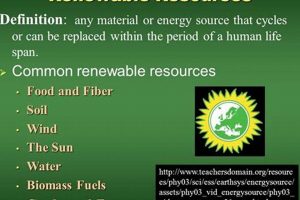
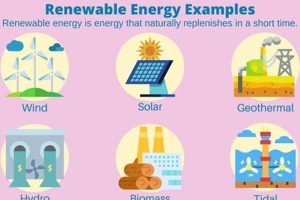
Harnessing energy from naturally replenishing sources offers multiple benefits. Solar, wind, geothermal, hydro, and biomass represent energy options derived from continually available or rapidly renewed processes. These alternatives stand in contrast to finite fossil fuel reserves.
Employing sustainable energy production methods reduces reliance on fuel imports, enhancing national energy security. Furthermore, these practices often result in decreased air and water pollution compared to traditional combustion-based power generation. The initial investment can be substantial, but long-term operational costs are typically lower due to minimal fuel expenditures. This translates to greater price stability and reduced exposure to volatile global energy markets. Early adoption and ongoing innovation are crucial factors for achieving significant environmental and economic returns.
The shift towards these sustainable energy options necessitates examining specific attributes of individual resource types. Each possesses unique strengths and considerations relevant to widespread implementation. Investigating the individual economic, environmental, and social impacts associated with each option facilitates informed decision-making regarding energy policy and infrastructure development.
Maximizing the Potential of Sustainable Energy Sources
Strategic planning and informed implementation are essential to realizing the full potential. Consider these guidelines to optimize resource utilization and integration.
Tip 1: Diversify Energy Portfolio: A varied approach incorporating multiple resource types mitigates risks associated with resource intermittency and regional limitations. Combining solar and wind power, for example, can create a more stable energy supply.
Tip 2: Prioritize Energy Storage Solutions: Implementing advanced storage systems, such as batteries or pumped hydro, addresses the fluctuating nature of certain sustainable resources. This ensures reliable power delivery, even when the resource is not actively generating electricity.
Tip 3: Invest in Grid Modernization: Upgrading existing infrastructure with smart grid technologies enhances distribution efficiency and facilitates the seamless integration of distributed generation sources. This minimizes energy losses and optimizes grid stability.
Tip 4: Implement Supportive Policy Frameworks: Government incentives, tax credits, and clear regulatory guidelines encourage investment and accelerate the adoption of sustainable practices. Feed-in tariffs and renewable energy standards provide crucial market signals.
Tip 5: Conduct Thorough Resource Assessments: Detailed site-specific analyses are crucial for determining the economic feasibility and environmental impact of potential projects. Data-driven decision-making maximizes resource output and minimizes adverse effects.
Tip 6: Promote Public Awareness and Education: Increasing public understanding of the benefits and challenges associated with sustainable resources fosters support for broader adoption. Educational campaigns can address misconceptions and encourage informed decision-making.
Tip 7: Foster Technological Innovation: Continued research and development in areas such as materials science, energy storage, and smart grid technologies are essential for improving efficiency and reducing costs. Investment in these areas drives further innovation and market competitiveness.
Effective strategies and proactive measures can unlock significant value, paving the way for a cleaner, more secure energy future. The successful implementation of these recommendations requires careful consideration of local conditions, technological advancements, and policy priorities.
The transition to a sustainable energy future necessitates a holistic approach, integrating technological advancements, policy support, and informed decision-making. Implementing these practices fosters a more resilient and environmentally responsible energy sector.
1. Environmental Protection

Environmental protection constitutes a primary driver and consequential outcome of widespread adoption. Unlike fossil fuels, which release substantial quantities of greenhouse gases and pollutants during extraction, processing, and combustion, renewable sources inherently produce significantly lower emissions. Solar, wind, and hydropower, for instance, generate electricity without direct combustion, thereby minimizing atmospheric pollution and reducing contributions to climate change. This reduction in emissions directly mitigates the adverse effects of air pollution on public health and ecosystems.
The link between environmental stewardship and these energy alternatives extends beyond reduced emissions. Resource extraction associated with fossil fuels often leads to habitat destruction, water contamination, and soil degradation. In contrast, renewable energy installations, when appropriately sited and managed, generally have a smaller environmental footprint. For example, offshore wind farms can provide habitat for marine life if designed and constructed with ecological considerations. Sustainable biomass practices focus on responsible forestry management to prevent deforestation and maintain biodiversity. The importance of environmental protection within the context of the benefits of sustainable resources cannot be overstated; it is both a core justification for their adoption and a critical measure of their success.
The understanding of this connection carries practical significance for policymakers, businesses, and individuals. It informs decisions related to energy investments, regulatory frameworks, and consumer choices. Recognizing the positive environmental externalities associated with sustainable resources enables the design of policies that incentivize their adoption and internalize the environmental costs of fossil fuels. Furthermore, it empowers consumers to make informed choices that support environmentally responsible energy production, contributing to a more sustainable and resilient energy future. Meeting increased energy demand using methods minimizing long-term environmental damage benefits all.
2. Energy Independence

Energy independence, a significant national strategic goal, is intrinsically linked to widespread adoption. Nations reliant on imported fossil fuels face vulnerabilities stemming from price fluctuations, geopolitical instability, and potential supply disruptions. Diversifying energy sources by integrating domestically available resources reduces this reliance, bolstering energy security. Sunlight, wind, geothermal activity, and biomass represent energy endowments available to varying degrees within national borders, offering alternatives to imported fuels. Harnessing these domestic resources provides a pathway towards greater self-sufficiency and resilience in the energy sector.
The pursuit of energy independence through sustainable resource utilization translates into tangible economic and strategic advantages. Reduced fuel imports decrease trade deficits and stimulate domestic investment in renewable energy technologies and infrastructure. Creating a domestic renewable energy industry fosters job growth, enhances technological innovation, and strengthens the overall economy. Germany, for example, has become a global leader in renewable energy technologies through sustained investment and policy support, achieving a degree of energy independence while simultaneously creating a thriving industry. This strategic shift shields economies from external price shocks and reduces vulnerability to geopolitical pressures. Furthermore, it provides greater control over energy policy and ensures a more stable and predictable energy supply.
The understanding of this relationship informs policy decisions aimed at promoting energy security. Government incentives, research funding, and regulatory frameworks that favor domestic energy production, encourage innovation, and stimulate private sector investment are crucial. International cooperation in sharing technologies and best practices accelerates the transition to a more sustainable and secure energy future. The development and deployment of domestic sources are vital to strengthening national security and fostering sustainable economic growth by reducing reliance on volatile global energy markets. Overcoming technological barriers and ensuring equitable access to sustainable energy are key challenges in realizing the full potential of these approaches.
3. Long-Term Cost Savings

The potential for reduced long-term expenditures represents a significant economic advantage associated with sustainable resource utilization. Although initial capital investments may be substantial, operational expenses are often lower than those associated with conventional energy sources, resulting in considerable savings over the project’s lifespan.
- Reduced Fuel Costs
One of the most substantial contributors to long-term cost savings is the elimination or significant reduction of fuel expenses. Solar, wind, and hydropower facilities do not require continuous purchases of fuels like coal, natural gas, or uranium. This shielding from fluctuating fossil fuel prices ensures greater price stability and predictability, thereby lowering operational expenditures over time. Power plants utilizing fossil fuels are particularly vulnerable to sharp fuel costs rises which negatively affects overall budget.
- Decreased Maintenance Requirements
Certain renewable energy technologies exhibit lower maintenance demands compared to traditional power plants. For instance, wind turbines and solar panels have fewer moving parts than coal-fired power plants, leading to reduced wear and tear and minimized maintenance costs. Although regular inspections and occasional component replacements are necessary, the overall maintenance burden is generally lower, contributing to long-term savings.
- Mitigation of Environmental Costs
Fossil fuel-based energy production often entails substantial environmental costs related to pollution control, waste disposal, and remediation efforts. These costs can include investments in emissions reduction technologies, cleanup of contaminated sites, and compensation for environmental damage. Employing sustainable resources minimizes or eliminates these environmental externalities, reducing expenses associated with environmental compliance and remediation.
- Long-Term Price Stability
The price of fossil fuels is subject to volatility due to geopolitical factors, supply disruptions, and fluctuating demand. Sustainable resources, on the other hand, offer greater price stability. As the cost of renewable energy technologies continues to decline and their deployment expands, these resources become increasingly competitive with fossil fuels, providing long-term cost certainty and reducing exposure to market fluctuations.
The cumulative impact of reduced fuel costs, decreased maintenance requirements, mitigation of environmental expenses, and long-term price stability contributes to significant economic benefits. Evaluating the total cost of ownership over the lifetime of an energy project reveals the economic advantages of adopting a sustainable approach. These economic benefits accrue not only to energy producers but also to consumers and society at large through lower energy bills, improved environmental quality, and a more resilient energy system. In the long term, the financial benefits are evident.
4. Job Creation

Job creation stands as a significant socioeconomic benefit inextricably linked to the expansion and implementation of sustainable energy technologies. The transition away from fossil fuels fosters the development of new industries and skills, generating employment opportunities across various sectors. This facet of the advantages merits focused consideration.
- Manufacturing and Installation
The production and deployment of renewable energy systems necessitate a skilled workforce for manufacturing components such as solar panels, wind turbines, and geothermal pumps. The installation of these systems, ranging from residential solar installations to large-scale wind farms, also requires trained technicians, electricians, and construction workers. This creates localized employment hubs within communities.
- Research and Development
Continuous innovation is essential for improving the efficiency and reducing the cost of renewable energy technologies. Investment in research and development stimulates employment in scientific and engineering fields. Universities, research institutions, and private companies require researchers, scientists, and engineers to drive technological advancements and explore novel energy solutions.
- Operations and Maintenance
Renewable energy facilities require ongoing operation and maintenance to ensure optimal performance. Wind turbines, solar farms, and hydropower plants necessitate technicians for inspection, repair, and maintenance tasks. This creates long-term, stable employment opportunities within the energy sector. Training and skills development programs are essential for preparing workers for these roles.
- Project Development and Finance
Developing and financing sustainable energy projects demands expertise in project management, financial analysis, and legal frameworks. Project developers identify viable locations, conduct feasibility studies, secure permits, and manage the construction process. Financial institutions require analysts and investment professionals to assess the risks and returns of renewable energy investments. This fosters growth in the professional services sector related to energy.
The diverse employment opportunities stemming from the renewable energy sector extend beyond direct energy production, creating ripple effects throughout the economy. This encompasses indirect employment in supporting industries, such as transportation, logistics, and materials supply. Fostering a skilled workforce through education and training programs is crucial for maximizing the job creation potential and ensuring a just transition to a sustainable energy economy. The positive implications for local economies and workforce development further reinforce the value proposition of renewable energy.
5. Resource Availability
The inherent abundance and widespread geographic distribution constitute a cornerstone of the advantages. Unlike fossil fuels, concentrated in specific regions, sustainable resources such as solar irradiance, wind patterns, geothermal gradients, water currents, and biomass exist in varying degrees across the globe. This omnipresence mitigates geopolitical risks associated with concentrated resource control and fosters decentralized energy production. Solar energy, for instance, is accessible in nearly every location, albeit with differing intensities, allowing for localized energy generation regardless of proximity to traditional power grids. The prevalence and decentralized nature are a primary differentiator.
Regional variances influence the optimal energy source selection. Arid regions benefit from concentrated solar power, while coastal areas can leverage offshore wind potential. Iceland’s abundant geothermal reserves enable reliance on a constant, emission-free energy source. Brazil utilizes biomass from sugarcane for ethanol production. Access to multiple resources within a region can enhance energy resilience through portfolio diversification. Resource assessment through meticulous data analysis, including climate patterns, geological surveys, and hydrological studies, is crucial to ensure efficient utilization. Understanding geographical variations is critical for proper and cost-effective implementation.
Long-term energy security and affordability rely on maximizing resource availability. Technological advancements are expanding the utilization of previously untapped or underexploited resources. Improved energy storage technologies address the intermittency issues associated with solar and wind. Further research into enhanced geothermal systems and advanced biofuels promises to expand the scope of viable energy options. Recognizing and leveraging geographically dispersed resources is key to unlocking the full potential for a resilient and sustainable global energy mix. This ensures accessibility to energy and minimizes reliance on traditional, environmentally damaging sources, thus underscoring the paramount nature of widespread presence within the sustainable paradigm.
6. Grid Stability
Grid stability, encompassing the reliable and consistent delivery of electricity, is an increasingly relevant consideration when evaluating the integration of sustainable energy resources. While traditionally, centralized fossil fuel-based power plants provided a predictable and controllable energy supply, incorporating variable sources necessitates advanced grid management and infrastructure adaptation. Maintaining grid stability is crucial for realizing the full spectrum of the benefits associated with sustainable energy.
- Advanced Forecasting and Management
Improved forecasting techniques mitigate intermittency, allowing grid operators to anticipate and manage fluctuations in supply. Weather forecasting, machine learning, and real-time data analysis enhance the accuracy of predicting solar and wind energy output. Advanced grid management systems, including dynamic pricing and demand response programs, enable utilities to balance supply and demand effectively. This coordinated approach contributes to a more stable and reliable grid, regardless of energy source.
- Enhanced Transmission Infrastructure
Strengthening transmission infrastructure is vital for delivering electricity from regions with abundant resources to areas with high demand. High-voltage transmission lines and smart grid technologies facilitate the efficient and reliable transfer of power over long distances. This reduces congestion, minimizes losses, and enhances overall grid resilience. Modernizing the grid is essential for accommodating the influx of sustainable energy resources and ensuring grid stability.
- Energy Storage Solutions
Energy storage technologies, such as batteries, pumped hydro storage, and thermal energy storage, play a critical role in addressing the intermittency challenge. These systems store excess energy generated during periods of high production and release it during periods of low production, smoothing out fluctuations in supply. Energy storage enhances grid stability by providing a buffer against variability, ensuring reliable power delivery regardless of weather conditions or time of day. Investment in energy storage infrastructure is crucial for integrating sustainable energy resources effectively.
- Diversified Resource Mix
Integrating a diversified portfolio of sustainable energy sources enhances grid stability by mitigating the risks associated with reliance on a single resource. Combining solar, wind, hydro, geothermal, and biomass creates a more resilient energy system. When one resource is experiencing low output, others can compensate, ensuring a continuous and reliable supply of electricity. A diversified approach to sustainable energy production is essential for maintaining grid stability and reducing vulnerability to external factors.
Ultimately, grid stability is not an impediment to sustainable energy integration but a challenge to be addressed through innovative technologies, strategic planning, and policy support. Successfully managing this challenge unlocks the full potential of these resources, creating a more reliable, resilient, and sustainable energy future. The evolution of grid management systems enables effective harnessing of renewable energy, ensuring that the potential of sustainability is realized without sacrificing the reliability of power grids.
7. Reduced Emissions

The diminution of atmospheric pollutants and greenhouse gasses directly results from the shift towards the utilization of replenishable energy sources. This outcome constitutes a primary constituent of the broader advantages associated with these alternative resources. The causal relationship is straightforward: fossil fuel combustion generates significant emissions, while many renewable technologies, such as solar and wind, operate with minimal or no direct emissions during electricity generation. The importance of emission reduction is underscored by its contribution to mitigating climate change, improving air quality, and safeguarding public health. For example, widespread replacement of coal-fired power plants with solar farms leads to observable decreases in regional air pollution levels, thereby reducing respiratory illnesses and associated healthcare costs. The practical significance of comprehending this connection lies in informing energy policy decisions that prioritize cleaner energy pathways.
Further analysis reveals that the impact of diminished emissions extends beyond immediate health and environmental benefits. Reduced greenhouse gas emissions contribute to global efforts to limit temperature increases, preventing the most catastrophic consequences of climate change, such as sea-level rise, extreme weather events, and disruptions to ecosystems. Moreover, the implementation of renewable energy technologies fosters the development of innovative solutions for carbon capture and storage, further reducing the atmospheric concentration of greenhouse gasses. The European Union’s commitment to achieving carbon neutrality by 2050 exemplifies a policy-driven approach that prioritizes decreased emissions through renewable energy deployment and technological innovation. Such initiatives demonstrate the tangible benefits of integrating emission reduction as a central objective in energy transitions.
In conclusion, the reduction of emissions is not merely a byproduct of adopting replenishable resources, but a core component of their advantages. It directly contributes to environmental protection, public health, and climate change mitigation. The understanding of this vital link should guide energy policy, investment decisions, and technological development, thereby fostering a sustainable and resilient energy future. The challenge remains in accelerating the transition to these cleaner sources while addressing the economic and social considerations associated with phasing out fossil fuels. Overcoming these barriers is essential for realizing the full potential of these sources in achieving both energy security and environmental sustainability.
Frequently Asked Questions Regarding Advantages to Renewable Resources
The following questions address common concerns and misconceptions related to the benefits and implementation of renewable energy resources. The aim is to provide clear, concise, and factual answers to facilitate a deeper understanding of these critical energy sources.
Question 1: Are sustainable resources truly more cost-effective than fossil fuels, considering the initial investment?
The long-term economic viability hinges on analyzing the total cost of ownership. While the initial capital expenditure for renewable energy infrastructure may be higher, these systems often entail lower operational expenses due to minimal fuel costs and reduced maintenance requirements. Over the lifespan of a project, these factors can lead to significant cost savings, making sustainable resources economically competitive with fossil fuels. Government incentives, tax credits, and declining technology costs further enhance the economic attractiveness.
Question 2: How can grid reliability be maintained when integrating variable renewable resources such as solar and wind?
Grid stability is ensured through advanced forecasting techniques, enhanced transmission infrastructure, energy storage solutions, and a diversified energy mix. Accurate weather forecasting enables grid operators to predict fluctuations in solar and wind output. Upgraded transmission lines facilitate the efficient transfer of power over long distances. Energy storage systems buffer against variability. A diversified energy portfolio, combining multiple sources, reduces reliance on a single resource. Technological innovations are crucial to maintain the dependable delivery of electrical power.
Question 3: What environmental concerns are associated with renewable energy technologies, and how are these addressed?
While replenishable resources offer significant environmental benefits, certain concerns exist. Hydropower can impact aquatic ecosystems. Wind turbines may pose risks to avian wildlife. Solar panel manufacturing involves the use of some hazardous materials. These issues are addressed through careful site selection, implementation of mitigation strategies, responsible manufacturing practices, and recycling programs. Life cycle assessments are crucial for determining the impact.
Question 4: How does the adoption of renewable resources contribute to energy security and independence?
Domestic resource utilization reduces reliance on imported fuels, enhancing energy security. Distributed generation reduces vulnerability to supply disruptions. Development of a domestic industry stimulates technological innovation. Reduced trade deficits occur as renewable energy infrastructure replaces traditional fuel imports. These factors combine to fortify national energy security and foster economic resilience.
Question 5: What are the primary barriers to the widespread adoption of renewable energy, and how can these be overcome?
Key barriers include high upfront costs, intermittency issues, regulatory hurdles, and limited public awareness. These challenges can be addressed through government incentives, technological advancements, streamlined permitting processes, and public education campaigns. Investment in research, development, and demonstration projects is crucial. Supportive policies and public engagement are essential for accelerating the transition.
Question 6: Does renewable energy deployment result in net job creation, considering the potential displacement of workers in the fossil fuel industry?
The renewable energy sector has the potential to generate more jobs than are lost in the declining fossil fuel industry. The manufacturing, installation, maintenance, and project development activities create diverse employment opportunities. Targeted retraining and skills development programs are necessary to facilitate the transition of workers from the fossil fuel industry to renewable energy sector, ensuring a just and equitable energy transition.
Sustainable resource implementation offers a complex set of benefits that warrant thorough examination and informed decision-making. Addressing common questions and misconceptions is vital for promoting broader understanding and accelerating the transition to a cleaner, more resilient energy future.
The subsequent section will explore policy recommendations and strategies for maximizing these advantages.
Realizing the Full Potential
This exploration has illuminated various aspects of the advantages to renewable resources. Diminished environmental impact, amplified energy independence, long-term financial benefits, job creation, greater resource availability, enhanced grid reliability, and reduced emissions constitute key pillars supporting the strategic shift towards sustainable energy practices. Thorough understanding of these attributes provides a foundation for effective decision-making across policy, investment, and technological development. The widespread adoption of these alternative energy sources is vital for a stable and greener future.
Effective implementation necessitates a sustained commitment to innovation, strategic planning, and supportive regulatory frameworks. Proactive engagement by governments, industry stakeholders, and individual citizens is crucial for unlocking the full potential of these resources and achieving a sustainable energy transition. The continued and expanded use of renewable resources is an imperative, not simply an option, for safeguarding the planet and ensuring a prosperous future for generations to come.
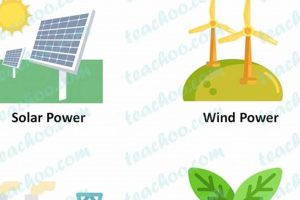
![Guide to What Energy Resources Are Renewable [+Future] | Renewable Energy Solutions for a Sustainable Future | Clean & Green Power](https://pplrenewableenergy.com/wp-content/uploads/2026/03/th-516-300x200.jpg "Guide to What Energy Resources Are Renewable [+Future] Renewable Energy Solutions for a Sustainable Future | Clean & Green Power")