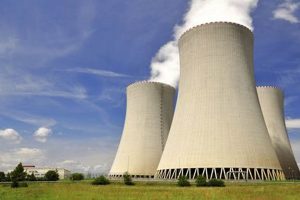
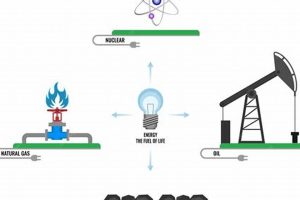
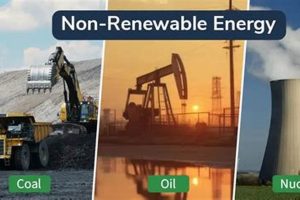
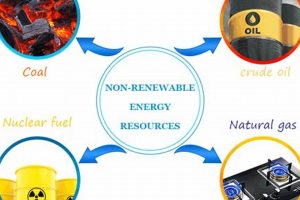
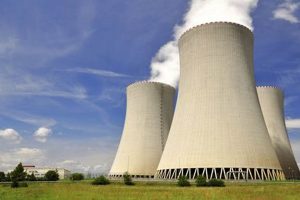
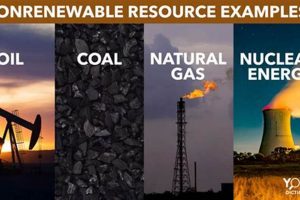
Uranium, the fuel for nuclear fission reactors, is a finite resource extracted from the Earth’s crust. Like fossil fuels (coal, oil, and natural gas), it is not replenished on a human timescale, classifying it as a non-renewable energy source. Fission, the process of splitting uranium atoms to release heat, is the foundation of nuclear power generation. This heat boils water, creating steam that drives turbines connected to generators, ultimately producing electricity.
Despite its non-renewable nature, nuclear fission offers a significant advantage over fossil fuels: it doesn’t emit greenhouse gases during electricity production. This characteristic makes it a crucial tool in mitigating climate change. Historically, nuclear energy emerged as a powerful alternative during the mid-20th century, driven by concerns over energy security and air pollution. Its high energy density allows for substantial power output from relatively small amounts of fuel, reducing land use requirements compared to other energy sources.
The following sections will delve deeper into the specific aspects of uranium extraction, the nuclear fuel cycle, reactor technologies, waste management, and the future prospects of this vital energy source in a world grappling with climate change and growing energy demands.
Tips for Understanding Nuclear Energy as a Non-Renewable Resource
Careful consideration of the following points will enhance comprehension of the complexities associated with utilizing uranium for electricity generation.
Tip 1: Resource Availability: Recognize that uranium reserves, while substantial, are finite. Exploration and development of new extraction techniques are crucial for long-term viability.
Tip 2: Fuel Cycle Awareness: The nuclear fuel cycle encompasses multiple stages, from uranium mining and enrichment to fuel fabrication, reactor operation, spent fuel storage, and eventual disposal or reprocessing. Each stage presents unique technical and environmental challenges.
Tip 3: Waste Management: Spent nuclear fuel contains radioactive materials requiring safe and secure long-term management. Understanding the different waste disposal strategies, including deep geological repositories, is essential.
Tip 4: Reactor Technology: Different reactor designs offer varying levels of efficiency, safety, and waste generation. Researching the advantages and disadvantages of different reactor types (e.g., pressurized water reactors, fast breeder reactors) provides valuable insight.
Tip 5: Safety and Security: Nuclear power plants operate under stringent safety regulations to prevent accidents and ensure the secure handling of nuclear materials. Awareness of these safety protocols is crucial for public confidence.
Tip 6: Economic Considerations: The economic viability of nuclear power depends on factors such as construction costs, operating expenses, and government policies. A comprehensive economic analysis is necessary to evaluate its competitiveness with other energy sources.
Tip 7: Geopolitical Implications: Uranium resources are unevenly distributed globally, creating geopolitical considerations regarding supply security and international cooperation.
By considering these factors, a more informed perspective on the role of nuclear fission as a non-renewable energy source can be achieved, leading to better-informed decisions regarding its future utilization.
These insights pave the way for a concluding discussion on the future of nuclear energy within the broader context of global energy transitions and sustainability objectives.
1. Uranium
The classification of nuclear power as a non-renewable energy source stems directly from the finite nature of its primary fuel: uranium. Understanding the limitations of uranium availability is crucial for evaluating the long-term viability of nuclear fission as a sustainable energy option. This section explores the multifaceted implications of uranium’s finite supply.
- Resource Depletion:
Uranium, like fossil fuels, exists in finite quantities within the Earth’s crust. Continuous extraction for nuclear power generation inevitably depletes these reserves. While current known reserves are estimated to last for several decades, future demand and consumption patterns will significantly impact their longevity. This depletion necessitates ongoing exploration efforts and development of efficient extraction technologies to access lower-grade ores, which are often more environmentally challenging to process.
- Supply Chain Vulnerability:
The uneven global distribution of uranium deposits creates potential vulnerabilities in the nuclear fuel supply chain. Geopolitical factors, trade policies, and resource nationalism can influence access to uranium, potentially disrupting reactor operations and impacting energy security for nations reliant on nuclear power. Diversification of uranium sources and international cooperation are crucial to mitigate these risks.
- Price Volatility:
The finite nature of uranium makes its price susceptible to market fluctuations influenced by supply and demand dynamics. Geopolitical instability, production disruptions, and changing energy policies can all contribute to price volatility. Such fluctuations can impact the economic feasibility of nuclear power projects and influence investment decisions in the sector.
- Long-Term Sustainability:
The finite nature of uranium raises concerns about the long-term sustainability of nuclear fission as a primary energy source. While advanced reactor designs and fuel cycles (such as breeder reactors) offer potential solutions for extending uranium utilization, these technologies are not yet commercially deployed at scale. The development of sustainable nuclear technologies and exploration of alternative nuclear fuels are critical for ensuring the long-term viability of nuclear power.
The finite nature of uranium resources underscores the importance of strategically managing this non-renewable resource. Efforts focused on improving reactor efficiency, minimizing waste generation, exploring alternative nuclear fuels (like thorium), and developing advanced recycling technologies are essential for ensuring the responsible and sustainable utilization of nuclear power for future generations. This finite resource reality necessitates a comprehensive approach to energy planning that considers the limitations of uranium and explores diversified energy portfolios.
2. Fission
Nuclear fission is the fundamental process underpinning nuclear power generation and its classification as a non-renewable energy source. Fission involves the splitting of a heavy atomic nucleus, typically uranium-235 or plutonium-239, into two smaller nuclei, accompanied by the release of a substantial amount of energy. This energy release stems from the conversion of a small fraction of the original mass into energy, as described by Einstein’s famous equation, E=mc. The neutrons released during fission can then trigger further fission events in a chain reaction, sustaining the energy release process within a nuclear reactor.
The connection between fission and the non-renewable nature of nuclear power lies in the fuel required for this process. Uranium, the most commonly used nuclear fuel, is a finite resource extracted from the Earth’s crust. While abundant compared to some other energy resources, its supply is not infinite. The continuous consumption of uranium in fission reactors progressively depletes these finite reserves, classifying nuclear power as a non-renewable energy source. For example, the operation of a typical 1,000-megawatt nuclear power plant requires approximately 27 tonnes of enriched uranium annually. This consumption necessitates continuous uranium mining and processing, impacting the environment and highlighting the non-renewable nature of the fuel source. Furthermore, the byproducts of fission, including radioactive waste, require careful and long-term management, adding another layer of complexity to the sustainability considerations associated with nuclear power.
Understanding the fission process is crucial for comprehending the benefits and challenges associated with nuclear power. While fission offers a carbon-free source of electricity generation, mitigating greenhouse gas emissions and contributing to climate change mitigation efforts, the finite nature of uranium and the generation of radioactive waste necessitate careful consideration of its long-term sustainability. Further research and development of advanced reactor technologies, such as fast breeder reactors, which can utilize more abundant uranium isotopes and even generate more fissile material than they consume, are essential pathways for enhancing the sustainability and extending the viability of nuclear fission as an energy source. The responsible management of nuclear fuel resources and waste remains a paramount concern for the continued and safe operation of nuclear power plants.
3. Waste

The long-term management of radioactive waste represents a significant challenge intrinsically linked to the utilization of nuclear power, a non-renewable energy source. Spent nuclear fuel and other radioactive byproducts generated during reactor operations pose potential hazards to human health and the environment, requiring meticulous and enduring management strategies. The complexities of waste management contribute significantly to the overall debate surrounding the sustainability of nuclear energy.
- Spent Nuclear Fuel:
Spent nuclear fuel, removed from reactors after its energy-producing capacity diminishes, contains highly radioactive isotopes with long half-lives. These isotopes require safe and secure storage for thousands of years to prevent environmental contamination and minimize risks to human health. For example, plutonium-239, a byproduct of uranium fission, has a half-life of 24,110 years, necessitating extended storage periods. Interim storage solutions currently employed include cooling pools and dry cask storage, while deep geological repositories are considered the preferred long-term solution for isolating spent fuel from the biosphere.
- High-Level Waste:
High-level waste encompasses highly radioactive byproducts generated during reprocessing of spent nuclear fuel. Reprocessing aims to extract reusable materials, such as uranium and plutonium, while separating out the remaining highly radioactive waste. This waste stream, though smaller in volume than spent fuel, still requires long-term isolation due to its high radioactivity and long half-lives. Vitrification, a process involving incorporating the waste into a stable glass matrix, is a common method for preparing high-level waste for disposal in geological repositories.
- Low-Level Waste:
Low-level waste constitutes the majority of radioactive waste generated by nuclear power plants and related facilities. This category includes contaminated materials such as tools, protective clothing, and resins used in water treatment systems. Low-level waste typically exhibits lower radioactivity and shorter half-lives compared to spent fuel or high-level waste. Management strategies for low-level waste include near-surface disposal in engineered landfills or shallow land burial.
- Environmental Monitoring:
Long-term environmental monitoring programs are essential components of radioactive waste management. These programs track the movement of radionuclides in the environment, ensuring the integrity of waste disposal facilities and detecting any potential leaks or releases. Monitoring activities provide crucial data for evaluating the effectiveness of long-term management strategies and ensuring the protection of human health and the environment. Data collected through monitoring can inform future waste management practices and contribute to the ongoing assessment of nuclear power’s environmental impact.
The intricacies of radioactive waste management, encompassing diverse waste streams and requiring extended timescales, pose ongoing challenges for the nuclear industry. The development of robust and sustainable waste management solutions is critical for ensuring the long-term viability of nuclear power as a component within the global energy mix. The finite nature of uranium resources, coupled with the complexities of waste management, necessitates a comprehensive approach to energy planning that considers both the benefits and challenges associated with this non-renewable energy source.
4. Safety

Safety is paramount in the operation of nuclear power plants, given the potential for accidents involving radioactive materials. The inherent risks associated with nuclear fission necessitate stringent safety protocols and robust regulatory oversight. This critical focus on safety is inextricably linked to the utilization of non-renewable uranium resources, as the processes involved in extracting, processing, and utilizing uranium for power generation present unique safety challenges. A comprehensive understanding of these safety considerations is essential for informed decision-making regarding the role of nuclear power in the energy landscape.
- Reactor Design and Operation:
Nuclear reactors are complex systems designed with multiple layers of safety features to prevent accidents and mitigate their potential consequences. These features include fail-safe mechanisms, redundant control systems, and containment structures designed to prevent the release of radioactive materials in the event of an accident. For example, reactor vessels are constructed from thick steel to withstand high pressures and temperatures, while containment buildings are designed to withstand external impacts and prevent the escape of radioactive materials. Stringent operating procedures and continuous monitoring are essential for ensuring the safe operation of these complex systems.
- Waste Management and Disposal:
The safe handling and disposal of radioactive waste, a byproduct of nuclear fission, are crucial aspects of nuclear safety. Spent nuclear fuel, containing highly radioactive isotopes, requires secure storage and eventual disposal in geologically stable repositories to prevent environmental contamination and minimize risks to human health. For instance, the long-term storage of high-level waste in deep geological repositories aims to isolate these materials from the biosphere for thousands of years. Transporting radioactive materials also requires specialized containers and stringent safety protocols to prevent accidents and minimize radiation exposure.
- Emergency Preparedness and Response:
Comprehensive emergency preparedness and response plans are essential for mitigating the potential consequences of nuclear accidents. These plans involve detailed procedures for evacuating populations, providing medical care, and containing radioactive releases. Regular drills and exercises are conducted to ensure the effectiveness of these plans and the readiness of emergency response personnel. The Chernobyl and Fukushima accidents underscore the importance of robust emergency preparedness and the potential for transboundary impacts in the event of a severe nuclear accident.
- Security and Non-Proliferation:
Nuclear security measures aim to prevent the theft or diversion of nuclear materials that could be used for malicious purposes, including the construction of nuclear weapons. Stringent security protocols, including physical protection, access controls, and material accounting systems, are implemented at nuclear facilities to safeguard nuclear materials and prevent unauthorized access. International cooperation and non-proliferation treaties play a crucial role in minimizing the risks of nuclear proliferation and ensuring the peaceful use of nuclear technology.
These multifaceted safety considerations, spanning reactor design, waste management, emergency preparedness, and security, are integral to the responsible utilization of nuclear power, a non-renewable energy source. The potential risks associated with nuclear technology necessitate continuous improvements in safety protocols, regulatory oversight, and international cooperation to minimize the likelihood and potential consequences of accidents. A transparent and proactive approach to safety is essential for maintaining public trust and ensuring the safe and sustainable operation of nuclear power plants.
5. Proliferation
Nuclear proliferation, the spread of nuclear weapons or the capability to produce them, presents a significant risk associated with the utilization of nuclear power, a non-renewable energy source. The same technologies used to generate electricity from uranium can, under certain circumstances, be diverted to produce fissile materials suitable for nuclear weapons. This dual-use nature of nuclear technology necessitates stringent safeguards and international cooperation to prevent the spread of nuclear weapons while enabling the peaceful use of nuclear energy. The potential for proliferation adds a complex layer of geopolitical and security considerations to the broader discussion surrounding nuclear power’s role in the global energy mix.
- Dual-Use Technology:
Nuclear power plants utilize uranium enrichment and reprocessing technologies that can also be employed to produce weapons-grade fissile materials. Centrifuges used to enrich uranium for reactor fuel can be modified to produce highly enriched uranium suitable for nuclear weapons. Similarly, reprocessing spent nuclear fuel can separate plutonium, another fissile material used in nuclear weapons. This inherent dual-use capability necessitates strict international safeguards and monitoring to ensure that nuclear materials are not diverted for military purposes. For example, the International Atomic Energy Agency (IAEA) conducts inspections of nuclear facilities to verify compliance with non-proliferation agreements and detect any potential diversion of nuclear materials.
- State-Level Proliferation:
Countries pursuing nuclear power programs may, under certain circumstances, choose to develop nuclear weapons under the guise of peaceful energy production. This clandestine pursuit of nuclear weapons can destabilize regional security and increase the risk of nuclear conflict. The case of North Korea, which developed nuclear weapons while ostensibly pursuing a peaceful nuclear energy program, illustrates the potential for state-level proliferation under the cover of civilian nuclear activities. International pressure, sanctions, and diplomatic efforts are crucial tools for preventing and addressing state-level proliferation.
- Non-State Actor Acquisition:
The potential for non-state actors, such as terrorist organizations, to acquire nuclear materials or technology poses a grave security threat. While highly challenging, the theft or diversion of nuclear materials from poorly secured facilities or during transport could provide a pathway for non-state actors to develop a crude nuclear device. Strengthening nuclear security measures, including physical protection, cybersecurity, and robust material accounting systems, is essential to mitigate the risk of non-state actor acquisition. International cooperation and intelligence sharing are crucial for detecting and disrupting any attempts by non-state actors to acquire nuclear materials or technology.
- Geopolitical Instability:
The pursuit of nuclear weapons by certain countries can exacerbate regional tensions and fuel arms races. The proliferation of nuclear weapons can destabilize geopolitical dynamics and increase the risk of nuclear conflict. For example, the ongoing tensions between India and Pakistan, both nuclear-armed states, highlight the potential for regional instability stemming from nuclear proliferation. Disarmament efforts, non-proliferation treaties, and diplomatic engagement are essential for mitigating the risks of geopolitical instability associated with nuclear proliferation.
The potential for proliferation underscores the complex interplay between nuclear power, a non-renewable energy source, and international security. The dual-use nature of nuclear technology necessitates robust safeguards, stringent security measures, and continuous international cooperation to prevent the spread of nuclear weapons while enabling the peaceful use of nuclear energy. Addressing the proliferation risks associated with nuclear power is crucial for maintaining global security and ensuring the responsible development and utilization of this energy source.
6. Economics
The economic competitiveness of nuclear power, derived from a non-renewable uranium source, hinges on a complex interplay of factors influencing its lifecycle costs. These costs encompass capital expenditures for plant construction, operating expenses for fuel, maintenance, and staffing, as well as externalized costs associated with waste disposal and decommissioning. High upfront capital costs, often exceeding those of other energy sources, present a significant barrier to entry for new nuclear power projects. For instance, the construction of the Vogtle Electric Generating Plant in the United States has faced significant cost overruns and delays, impacting its economic viability. Conversely, the relatively low operating costs of nuclear power plants, due to the high energy density of uranium fuel, can contribute to competitive electricity prices over the long term, provided construction costs are managed effectively. Government policies, including subsidies, tax incentives, and carbon pricing mechanisms, can significantly influence the economic competitiveness of nuclear power relative to other energy sources.
Furthermore, the cost of managing nuclear waste, including spent fuel storage, transportation, and eventual disposal in geological repositories, represents a significant long-term financial commitment. The absence of a permanent disposal solution in many countries adds to the economic uncertainties associated with nuclear waste management. Decommissioning costs, incurred at the end of a nuclear power plant’s operational life, also contribute to the overall economic assessment. Decommissioning involves dismantling the plant, safely managing radioactive materials, and restoring the site to acceptable environmental conditions. The long-term nature of these costs necessitates careful financial planning and cost estimation to ensure the economic sustainability of nuclear power projects. For example, the decommissioning of the Yankee Rowe nuclear power plant in Massachusetts demonstrated the complexities and substantial costs associated with dismantling nuclear facilities.
In summary, the economic competitiveness of nuclear power, utilizing non-renewable uranium, requires a comprehensive assessment of its lifecycle costs, including capital expenditures, operating expenses, waste management, and decommissioning. While high upfront costs can pose challenges, the relatively low operating costs and the absence of greenhouse gas emissions during electricity generation contribute to its long-term economic potential. Government policies, technological advancements, and effective waste management strategies play crucial roles in determining the ultimate economic viability of nuclear power in a diversifying global energy market. Understanding these economic considerations is crucial for informed policy decisions regarding the role of nuclear power in achieving sustainable energy goals.
Frequently Asked Questions
This section addresses common inquiries regarding the classification of nuclear power as a non-renewable energy source and its associated implications.
Question 1: Why is nuclear power considered non-renewable?
Nuclear power relies on uranium, a finite element extracted from the Earth. Like fossil fuels, uranium is not replenished on a human timescale, thus classifying it as a non-renewable resource.
Question 2: How long will uranium reserves last?
Estimates vary, but current known uranium reserves are projected to last for several decades to centuries, depending on consumption rates and technological advancements. Exploration and development of advanced reactor designs are crucial for extending uranium utilization.
Question 3: Is nuclear power sustainable despite using non-renewable fuel?
The sustainability of nuclear power is debated. While uranium is finite, nuclear power plants generate minimal greenhouse gas emissions during operation, a key factor in mitigating climate change. However, long-term waste management and potential proliferation risks require careful consideration.
Question 4: What are the environmental impacts of uranium mining?
Uranium mining, like any mining activity, can have environmental impacts, including land disturbance, habitat disruption, and potential water contamination. Responsible mining practices and stringent environmental regulations are essential for minimizing these impacts.
Question 5: Are there alternative fuels for nuclear power?
Research is ongoing into alternative nuclear fuels, such as thorium, which is more abundant than uranium. Thorium reactors offer potential advantages in terms of waste reduction and proliferation resistance, but further technological development is required.
Question 6: How does nuclear waste disposal impact the environment?
Safe and secure long-term disposal of radioactive waste is crucial for minimizing environmental impact. Deep geological repositories are considered the preferred solution for isolating high-level waste from the biosphere for thousands of years.
Understanding these aspects of nuclear power as a non-renewable resource is essential for informed discourse and decision-making regarding its role in sustainable energy strategies.
The following section delves into the lifecycle of a nuclear power plant, from construction to decommissioning.
Conclusion
This exploration of nuclear power as a non-renewable energy source has highlighted its multifaceted nature. Reliance on finite uranium reserves necessitates careful consideration of resource availability, fuel cycle management, and the long-term implications of radioactive waste disposal. While nuclear fission offers a carbon-free electricity generation method, contributing to climate change mitigation efforts, the finite nature of its fuel source and the complexities of waste management underscore the imperative for responsible and strategic utilization. Safety remains paramount, demanding stringent protocols and robust regulatory oversight to minimize risks associated with reactor operations and waste handling. Furthermore, the potential for nuclear proliferation adds another layer of complexity, requiring international cooperation and stringent safeguards to prevent the diversion of nuclear materials for non-peaceful purposes. The economic competitiveness of nuclear power depends on managing substantial upfront capital costs, long construction timelines, and the long-term financial commitments associated with waste disposal and decommissioning.
Nuclear power’s role in future energy landscapes remains subject to ongoing debate and technological advancements. Continued research and development of advanced reactor designs, alternative fuel cycles, and improved waste management strategies are crucial for enhancing the sustainability and long-term viability of this energy source. A comprehensive understanding of the benefits, challenges, and long-term implications associated with nuclear power as a non-renewable resource is essential for informed decision-making and responsible energy planning, balancing the need for reliable energy sources with the imperatives of environmental stewardship and global security. The future of nuclear power hinges on a commitment to continuous improvement, innovation, and international collaboration to address the complex challenges associated with its utilization.