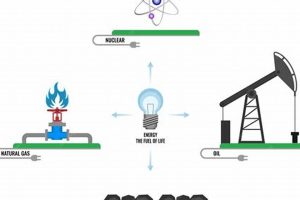
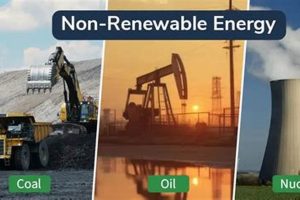
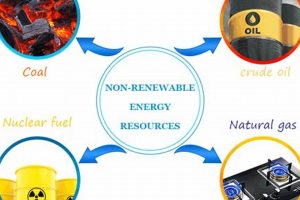
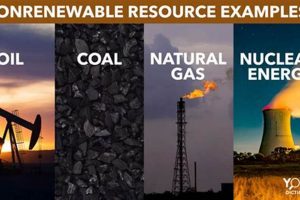
The combustion of fossil fuels like coal, oil, and natural gas for electricity generation, transportation, and industrial processes releases harmful substances into the environment. These pollutants include greenhouse gases (such as carbon dioxide, methane, and nitrous oxide), contributing to climate change; particulate matter, leading to respiratory problems; sulfur oxides and nitrogen oxides, causing acid rain; and heavy metals like mercury, accumulating in ecosystems and posing risks to human health. For example, coal-fired power plants emit significant quantities of sulfur dioxide, which reacts with atmospheric moisture to form sulfuric acid, a key component of acid rain.
Understanding the environmental and health consequences of these emissions is crucial for developing sustainable energy solutions. Historically, reliance on these energy sources has fueled industrialization and economic growth, but the associated environmental costs have become increasingly apparent. Addressing these challenges is essential for safeguarding public health, preserving ecosystems, and mitigating the long-term impacts of climate change. The transition towards cleaner energy alternatives is vital for a sustainable future.
This exploration will delve further into specific forms of pollution associated with different non-renewable resources, examining their distinct impacts and potential mitigation strategies. Subsequent sections will analyze the environmental and health consequences in greater detail, focusing on air and water pollution, climate change, and the effects on biodiversity. Finally, the discussion will consider the transition to cleaner energy alternatives and policies aimed at reducing reliance on unsustainable practices.
Reducing the Impact of Fossil Fuel Consumption
Minimizing the adverse effects associated with conventional energy sources requires a multifaceted approach encompassing both individual actions and broader societal shifts. The following recommendations offer practical strategies to mitigate the environmental and health consequences.
Tip 1: Improve Energy Efficiency: Reducing energy consumption through improvements in building insulation, the use of energy-efficient appliances, and optimized industrial processes lessens the demand for fossil fuels, thereby decreasing associated pollution. For example, upgrading to Energy Star certified appliances can significantly reduce household energy usage.
Tip 2: Transition to Renewable Energy Sources: Supporting and adopting renewable energy technologies like solar, wind, hydro, and geothermal power reduces reliance on fossil fuels. Investing in renewable energy infrastructure and promoting policies that incentivize their adoption are crucial steps.
Tip 3: Support Sustainable Transportation: Utilizing public transportation, cycling, walking, and electric vehicles minimizes reliance on combustion engines, thereby reducing emissions. Promoting policies that encourage sustainable transportation options is essential.
Tip 4: Advocate for Policy Changes: Supporting policies that promote energy efficiency, renewable energy adoption, and stricter emissions standards can create systemic change. Engaging in advocacy and supporting organizations working towards sustainable energy solutions is vital.
Tip 5: Invest in Research and Development: Continued investment in research and development of clean energy technologies, carbon capture and storage, and other innovative solutions is crucial for long-term sustainability. Supporting research initiatives can accelerate the transition to a cleaner energy future.
Tip 6: Promote Sustainable Land Use Practices: Deforestation and land degradation contribute to climate change and exacerbate the impacts of pollution. Supporting sustainable forestry and agriculture practices can help mitigate these effects.
Tip 7: Practice Conscious Consumption: Reducing overall consumption of goods and services minimizes the energy required for their production and transportation, indirectly lessening pollution from fossil fuel use.
By implementing these strategies, significant progress can be made toward reducing the environmental and health burdens associated with conventional energy sources. Collective action and sustained commitment are essential for achieving a sustainable energy future.
This exploration has highlighted the critical need for transitioning toward cleaner energy alternatives and adopting sustainable practices. The following conclusion will summarize the key findings and offer a perspective on the future of energy production and consumption.
1. Fossil Fuel Combustion

Fossil fuel combustion represents a central process in non-renewable energy production and a primary source of associated pollution. The burning of coal, oil, and natural gas releases energy used for electricity generation, transportation, and industrial processes. However, this combustion also generates a complex mixture of pollutants with detrimental environmental and health consequences. The chemical reactions involved oxidize carbon and hydrogen atoms, producing carbon dioxide and water vapor. Simultaneously, impurities within the fuels, such as sulfur and nitrogen, are oxidized, forming sulfur oxides and nitrogen oxides, precursors to acid rain. Furthermore, incomplete combustion can produce particulate matter, a mixture of solid and liquid particles suspended in the air, posing significant respiratory health risks. For example, coal-fired power plants emit substantial amounts of sulfur dioxide, nitrogen oxides, and particulate matter, impacting air quality regionally and globally. Oil refineries release volatile organic compounds (VOCs), contributing to smog formation. The extraction and transportation of fossil fuels also pose environmental risks, as evidenced by oil spills and methane leaks, potent greenhouse gases.
Understanding the direct link between fossil fuel combustion and the release of harmful pollutants is crucial for developing effective mitigation strategies. Quantifying emissions from various combustion sources allows for targeted interventions. For instance, implementing stricter emission standards for power plants can reduce sulfur dioxide and nitrogen oxide pollution. Developing and deploying carbon capture and storage technologies offers a potential pathway to reduce carbon dioxide emissions from large point sources. Promoting fuel switching from coal to natural gas, while still relying on fossil fuels, can offer a short-term reduction in certain pollutants but does not address the underlying issue of greenhouse gas emissions. Ultimately, transitioning to renewable energy sources remains the most effective long-term solution. Analyzing the lifecycle emissions of different energy sources, from extraction to end-use, provides a comprehensive understanding of their environmental impact, informing policy decisions and technological advancements.
Addressing the challenges posed by fossil fuel combustion requires a multi-pronged approach. This includes technological advancements in cleaner combustion processes, emissions control technologies, and renewable energy development. Policy interventions, such as carbon pricing and emissions trading schemes, can incentivize the adoption of cleaner technologies. Promoting energy efficiency and conservation measures reduces overall energy demand, further lessening reliance on fossil fuels. The transition towards a sustainable energy future requires a concerted global effort, integrating technological innovation, policy implementation, and societal behavioral changes.
2. Greenhouse Gas Emissions

Greenhouse gas emissions represent a significant component of pollution stemming from non-renewable energy sources. The combustion of fossil fuels (coal, oil, and natural gas) releases substantial quantities of greenhouse gases, primarily carbon dioxide (CO2), methane (CH4), and nitrous oxide (N2O), into the atmosphere. This process directly links non-renewable energy consumption to climate change. The accumulation of these gases in the atmosphere traps heat, leading to a warming planet and associated climatic shifts. The magnitude of CO2 emissions from fossil fuel combustion far surpasses natural sources, disrupting the Earth’s carbon cycle and driving global warming. For instance, the burning of coal for electricity generation releases significant amounts of CO2, contributing directly to the increasing atmospheric concentration of this greenhouse gas. Methane leaks from natural gas extraction and distribution further exacerbate the problem. Understanding this cause-and-effect relationship is fundamental to addressing climate change mitigation.
The importance of greenhouse gas emissions as a component of pollution from non-renewable sources lies in their long-term and widespread impacts. Climate change resulting from these emissions affects global weather patterns, sea levels, and ecosystem stability. The increased frequency and intensity of extreme weather events, such as hurricanes, droughts, and heatwaves, pose significant threats to human societies and natural environments. Rising sea levels endanger coastal communities and ecosystems. Shifts in precipitation patterns disrupt agricultural practices and water resources. The practical significance of understanding this connection lies in the ability to develop and implement effective mitigation strategies. These strategies include transitioning to renewable energy sources, improving energy efficiency, implementing carbon capture and storage technologies, and promoting sustainable land use practices. Accurate measurement and monitoring of greenhouse gas emissions are essential for tracking progress and evaluating the effectiveness of these strategies.
Addressing the challenge of greenhouse gas emissions from non-renewable energy sources requires a global, multi-faceted approach. The transition towards a decarbonized energy system is crucial for mitigating climate change and its associated impacts. This transition involves not only technological advancements but also policy changes, economic incentives, and societal behavioral shifts. Continued research and development of clean energy technologies and sustainable practices are essential for long-term solutions. International cooperation and policy frameworks play a vital role in achieving global emissions reduction targets. The long-term consequences of inaction necessitate a concerted effort to address the complex interplay between non-renewable energy, greenhouse gas emissions, and climate change.
3. Air and Water Contamination

Air and water contamination represent significant consequences of pollution stemming from non-renewable energy sources. The extraction, processing, and combustion of fossil fuels release a complex mixture of pollutants that contaminate both air and water resources. These pollutants include particulate matter, sulfur oxides, nitrogen oxides, heavy metals, and volatile organic compounds. Combustion processes release particulate matter directly into the atmosphere, contributing to respiratory illnesses and reduced visibility. Sulfur oxides and nitrogen oxides react with atmospheric moisture to form acid rain, which damages ecosystems and infrastructure. Heavy metals, such as mercury, are released during coal combustion and can bioaccumulate in aquatic food chains, posing risks to human health. Oil spills, a consequence of oil extraction and transportation, contaminate marine environments, causing widespread ecological damage. For example, coal-fired power plants release substantial amounts of particulate matter and sulfur dioxide, impacting air quality and contributing to acid rain. Oil refineries release volatile organic compounds, contributing to smog formation. Mining activities can contaminate water sources with heavy metals and other toxins.
The importance of air and water contamination as components of pollution from non-renewable energy sources lies in their direct impact on human health and environmental integrity. Contaminated air contributes to respiratory problems, cardiovascular diseases, and other health issues. Polluted water sources compromise access to safe drinking water and threaten aquatic life. Understanding the specific pollutants released from different non-renewable energy sources and their pathways through the environment is crucial for developing effective mitigation strategies. For instance, implementing stricter emission standards for power plants can reduce air pollution. Investing in technologies to prevent and remediate oil spills can protect marine ecosystems. Developing and enforcing regulations for mining operations can minimize water contamination. Analyzing the lifecycle impacts of different energy sources provides a comprehensive understanding of their potential for pollution.
Addressing the challenge of air and water contamination requires a multi-faceted approach. Transitioning to cleaner energy sources reduces the release of harmful pollutants at the source. Improving energy efficiency minimizes the overall demand for non-renewable energy, thereby reducing associated pollution. Implementing pollution control technologies, such as scrubbers for power plants and wastewater treatment systems for industrial facilities, can mitigate the release of pollutants into the environment. Enforcing environmental regulations and monitoring compliance are crucial for ensuring the effectiveness of these measures. The long-term health and environmental consequences of air and water contamination necessitate a sustained commitment to reducing pollution from non-renewable energy sources and transitioning towards a cleaner energy future.
4. Ecosystem Disruption

Ecosystem disruption represents a significant consequence of pollution arising from non-renewable energy sources. The extraction, processing, and combustion of fossil fuels introduce a range of pollutants into the environment, disrupting the delicate balance of ecosystems. These pollutants include greenhouse gases, contributing to climate change and ocean acidification; acid rain, altering soil and water chemistry; heavy metals, accumulating in food chains; and oil spills, devastating marine life. Cause-and-effect relationships are evident, for example, between coal-fired power plant emissions and acid rain damage to forests, or between oil spills and the decimation of marine bird populations. Understanding ecosystem disruption as a component of non-renewable energy pollution is crucial because it highlights the interconnectedness of environmental systems and the far-reaching consequences of human activities. Real-life examples, such as the decline of coral reefs due to ocean acidification and warming, underscore the practical significance of this understanding.
Further analysis reveals that ecosystem disruption manifests across diverse environments. Air pollution from coal combustion affects terrestrial ecosystems through acid rain and heavy metal deposition, impacting plant growth and animal health. Water pollution from industrial discharge and oil spills contaminates aquatic ecosystems, harming fish populations and disrupting aquatic food webs. Climate change, driven by greenhouse gas emissions, alters temperature regimes and precipitation patterns, affecting species distribution and ecosystem functioning globally. The consequences range from localized impacts, like fish kills in a polluted river, to global phenomena, such as shifts in migratory bird patterns or the melting of polar ice caps. The practical applications of this understanding include developing targeted conservation strategies, implementing stricter environmental regulations, and transitioning to cleaner energy sources to mitigate further ecosystem damage.
In summary, ecosystem disruption stands as a critical consequence of non-renewable energy pollution, highlighting the interconnectedness of environmental systems and the far-reaching impacts of human activities. Addressing this challenge requires a multi-pronged approach, encompassing technological advancements, policy changes, and societal shifts towards sustainable practices. The long-term consequences of inaction necessitate a concerted effort to transition towards cleaner energy sources, reduce emissions, and protect the integrity of ecosystems for future generations. The intricate link between human actions and environmental consequences underscores the urgency of addressing this challenge.
5. Human Health Impacts

Pollution stemming from non-renewable energy sources presents significant threats to human health. The combustion of fossil fuels and subsequent release of pollutants into the environment creates a complex web of interactions, directly and indirectly impacting human well-being. Understanding these health impacts is crucial for developing effective mitigation strategies and transitioning towards cleaner energy sources. The following facets explore the multifaceted nature of these impacts, offering a comprehensive perspective on the health risks associated with non-renewable energy pollution.
- Respiratory Illnesses
Air pollution from non-renewable energy sources significantly contributes to respiratory illnesses. Particulate matter, sulfur dioxide, and nitrogen oxides, released during the combustion of fossil fuels, irritate and inflame the airways, exacerbating conditions like asthma, bronchitis, and emphysema. Children, the elderly, and individuals with pre-existing respiratory conditions are particularly vulnerable. Studies have demonstrated a direct correlation between exposure to air pollution from power plants and increased hospital admissions for respiratory problems. These impacts underscore the urgency of transitioning to cleaner energy sources and implementing effective air quality management strategies.
- Cardiovascular Diseases
Exposure to air pollution from non-renewable energy sources is linked to an increased risk of cardiovascular diseases. Fine particulate matter can enter the bloodstream, contributing to inflammation and the development of atherosclerosis, a leading cause of heart attacks and strokes. Studies have shown a correlation between long-term exposure to air pollution and increased mortality from cardiovascular diseases. These findings highlight the need for stricter emission standards and a shift towards cleaner energy alternatives to protect cardiovascular health.
- Neurological Disorders
Emerging research suggests a link between exposure to air pollution from non-renewable energy sources and neurological disorders. Heavy metals, such as mercury, released during coal combustion, can bioaccumulate in the food chain and negatively impact neurological development, particularly in children. Exposure to air pollution has also been associated with an increased risk of neurodegenerative diseases like Alzheimer’s and Parkinson’s disease. Further research is needed to fully understand these complex relationships and the long-term neurological impacts of non-renewable energy pollution.
- Waterborne Diseases
Water contamination resulting from non-renewable energy extraction and processing can lead to waterborne diseases. Oil spills and industrial discharge can contaminate drinking water sources, exposing populations to harmful pathogens and toxins. These contaminants can cause a range of illnesses, from gastrointestinal infections to more severe health problems. Protecting water resources from pollution associated with non-renewable energy activities is essential for safeguarding public health.
These facets demonstrate the interconnectedness of non-renewable energy pollution and human health. The health consequences extend beyond immediate respiratory problems, affecting cardiovascular and neurological systems and posing risks through contaminated water sources. Addressing these challenges requires a comprehensive approach encompassing emissions reductions, transitioning to cleaner energy sources, and implementing public health interventions to mitigate the impacts of non-renewable energy pollution on human well-being.
Frequently Asked Questions
This section addresses common inquiries regarding the pollution resulting from non-renewable energy sources, aiming to provide clear and concise information.
Question 1: What are the primary pollutants associated with non-renewable energy sources?
Combustion of fossil fuels (coal, oil, and natural gas) releases pollutants such as particulate matter, sulfur oxides, nitrogen oxides, carbon dioxide, methane, and heavy metals like mercury. These pollutants contribute to various environmental and health problems.
Question 2: How does non-renewable energy pollution contribute to climate change?
The burning of fossil fuels releases greenhouse gases, primarily carbon dioxide, which trap heat in the atmosphere. This process intensifies the greenhouse effect, leading to global warming and associated climate change impacts.
Question 3: What are the health effects of non-renewable energy pollution?
Exposure to air pollution from non-renewable energy sources can cause respiratory problems (asthma, bronchitis), cardiovascular diseases, and potentially neurological disorders. Water contamination from these sources can lead to waterborne illnesses.
Question 4: How does non-renewable energy pollution impact ecosystems?
Acid rain, resulting from sulfur and nitrogen oxide emissions, damages forests and aquatic life. Oil spills devastate marine ecosystems. Heavy metals accumulate in food chains, posing risks to wildlife. Climate change, driven by greenhouse gas emissions, disrupts ecosystems globally.
Question 5: What are the alternatives to non-renewable energy sources?
Renewable energy sources, such as solar, wind, hydro, geothermal, and biomass, offer cleaner alternatives. These sources generate energy from sustainable resources, minimizing environmental impact and promoting energy independence.
Question 6: What actions can individuals take to reduce non-renewable energy pollution?
Individuals can reduce their energy consumption through energy efficiency measures (e.g., using energy-efficient appliances, improving home insulation). Supporting policies that promote renewable energy and sustainable practices also contributes to broader change.
Understanding the multifaceted nature of non-renewable energy pollution and its consequences is essential for informed decision-making and promoting a sustainable energy future. Transitioning towards cleaner energy alternatives and adopting responsible consumption practices are vital steps towards mitigating the adverse effects of non-renewable energy reliance.
This FAQ section has addressed key concerns regarding non-renewable energy pollution. The following section will delve into specific case studies, illustrating real-world examples of the impacts discussed.
Conclusion
This exploration has underscored the profound and multifaceted consequences of pollution stemming from non-renewable energy sources. From the ubiquitous release of greenhouse gases driving climate change to the localized devastation of ecosystems through oil spills and heavy metal contamination, the environmental and human health impacts are undeniable. Air and water quality degradation, coupled with the disruption of delicate ecological balances, paints a stark picture of the unsustainable nature of continued reliance on fossil fuels. The examination of these interconnected impacts reveals a clear imperative: a transition towards cleaner, more sustainable energy solutions is not merely desirable, but essential for the health of the planet and future generations.
The evidence presented necessitates a decisive shift away from non-renewable energy sources and a concerted global effort to embrace sustainable alternatives. Continued reliance on fossil fuels carries profound risks, jeopardizing ecological integrity and human well-being. Investing in renewable energy technologies, implementing stringent environmental regulations, and fostering a collective commitment to responsible energy consumption represent crucial steps toward mitigating the far-reaching consequences of non-renewable energy pollution. The future of the planet hinges on the choices made todaychoices that must prioritize sustainability, innovation, and a decisive break from the unsustainable practices of the past.