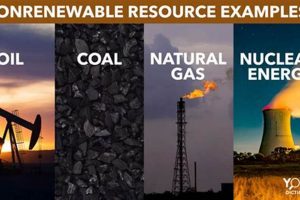
Petroleum, formed from the remains of ancient organisms over millions of years, exists in finite quantities. Its extraction and consumption rates far exceed its natural replenishment rate. For example, the amount of oil currently used globally in a single year took nature millennia to produce. This inherent imbalance defines it as a finite resource.
The finite nature of this energy source has significant implications for global economies and the environment. Historically, inexpensive and readily available petroleum fueled industrial growth and transportation systems worldwide. This reliance, however, has led to concerns about energy security, price volatility, and the environmental consequences of combustion. Recognizing this limitation has spurred research and development of alternative energy sources and sustainable practices.
Understanding the finite nature of this vital energy source is fundamental to discussions about energy policy, climate change mitigation, and sustainable development. The following sections explore the future of energy, the transition to renewable resources, and the challenges of meeting global energy demands in a sustainable manner.
Practical Steps for a Post-Petroleum Future
Given the finite nature of conventional petroleum resources, proactive measures are essential for a sustainable energy future. The following recommendations offer practical steps individuals and communities can take to reduce reliance on this non-renewable resource.
Tip 1: Improve Energy Efficiency: Investing in energy-efficient appliances, vehicles, and building insulation significantly reduces energy consumption. For example, replacing incandescent bulbs with LEDs or improving home insulation can yield substantial energy savings.
Tip 2: Embrace Alternative Transportation: Utilizing public transportation, cycling, walking, or electric vehicles lessens dependence on petroleum-based fuels. Carpooling and trip consolidation also contribute to reduced fuel consumption.
Tip 3: Support Renewable Energy: Advocating for and investing in renewable energy sources like solar, wind, and geothermal power accelerates the transition to a sustainable energy landscape.
Tip 4: Reduce, Reuse, Recycle: Manufacturing processes often rely heavily on fossil fuels. Reducing consumption, reusing products, and recycling materials minimizes demand and conserves energy.
Tip 5: Advocate for Policy Changes: Supporting policies that incentivize renewable energy development, energy efficiency, and sustainable practices is crucial for systemic change.
Tip 6: Educate and Engage: Raising awareness about the finite nature of petroleum resources and the importance of sustainable practices within communities fosters broader understanding and action.
By adopting these measures, individuals and communities can contribute to a more sustainable future, reducing reliance on finite resources and mitigating the environmental impact of energy consumption.
These individual and collective actions are essential stepping stones toward a future powered by sustainable and renewable energy sources. The concluding section offers further perspectives on the challenges and opportunities of this transition.
1. Finite Resource

The concept of a “finite resource” is central to understanding why oil is non-renewable. A finite resource exists in limited quantities within the Earth’s crust. Unlike renewable resources like solar or wind energy, which are replenished naturally at a rate comparable to or exceeding human consumption, oil’s formation takes millions of years under specific geological conditions. This timescale renders its replenishment negligible in relation to current extraction and usage rates. Consequently, continuous extraction inevitably leads to depletion. For example, known oil reserves are projected to last for decades at current consumption rates, highlighting the finite nature of this resource. The distinction between finite and renewable resources clarifies the inherent limitations of an energy system reliant on oil.
The practical significance of recognizing oil as a finite resource lies in the imperative to develop alternative energy strategies. Continued reliance on a depleting resource poses risks to energy security, economic stability, and environmental sustainability. Understanding this limitation necessitates investments in renewable energy technologies, energy efficiency measures, and sustainable practices. These strategies mitigate the risks associated with resource depletion and contribute to a more secure and sustainable energy future. For instance, transitioning to electric vehicles powered by renewable energy sources reduces dependence on finite oil reserves and mitigates greenhouse gas emissions.
In summary, the finite nature of oil underscores the critical need for a transition to sustainable energy systems. Recognizing the limitations of this non-renewable resource allows for informed decision-making regarding energy policies, investments, and consumption patterns. Addressing the challenges associated with resource depletion requires a global commitment to innovation, collaboration, and sustainable practices. This understanding is fundamental to ensuring long-term energy security and environmental sustainability.
2. Geological Timescale

The geological timescale provides crucial context for understanding the non-renewable nature of oil. Oil formation requires specific conditions involving the accumulation and transformation of organic matter over vast stretches of time, typically millions of years. This process occurs within sedimentary basins under immense pressure and heat. The rate of natural oil formation is exceptionally slow compared to current consumption rates. For instance, the oil consumed globally in a single year took millions of years to form naturally. This disparity in timescales underscores why oil is considered a finite resource; natural replenishment is negligible relative to human extraction and use. Consequently, dependence on oil necessitates a long-term perspective that accounts for its finite supply.
The practical implications of this geological timescale are significant. Recognizing the vast time required for oil formation necessitates a shift towards sustainable energy practices. Continued reliance on a resource that replenishes at a geologically insignificant rate presents risks to energy security and economic stability. This understanding encourages investment in renewable energy sources, which offer a continuous supply of energy unlike the finite reserves of oil. For example, solar energy harnesses the power of the sun, a virtually inexhaustible resource, contrasting sharply with the limited availability of oil dictated by its geological formation timescale.
In summary, the geological timescale of oil formation is a critical factor in its classification as a non-renewable resource. This understanding compels the development and adoption of sustainable energy strategies that reduce reliance on finite resources. The contrast between rapid consumption and slow formation emphasizes the need for proactive measures to ensure long-term energy security and environmental sustainability. This perspective highlights the urgency of transitioning toward renewable energy sources and adopting responsible consumption practices.
3. Extraction Limitations

Extraction limitations are intrinsically linked to the non-renewable nature of oil, highlighting the challenges and constraints associated with accessing and utilizing this finite resource. While geological processes dictate the overall quantity of oil formed over millennia, extraction limitations determine how much of that resource is technically and economically recoverable at any given time. Several factors contribute to these limitations, including the depth and location of oil reservoirs, the permeability of the surrounding rock formations, and the viscosity of the oil itself. For example, offshore drilling operations in deep water present significant technical challenges and higher costs compared to conventional onshore extraction. Similarly, extracting heavy crude oil requires specialized techniques and energy-intensive processes, further limiting accessibility.
These extraction limitations have practical consequences for global energy markets and resource management. As easily accessible reserves are depleted, the industry must resort to increasingly complex and costly extraction methods. This can lead to higher oil prices, increased energy insecurity, and greater environmental risks associated with unconventional extraction techniques like hydraulic fracturing (fracking) and tar sands oil extraction. Moreover, the energy return on energy invested (EROEI) decreases as extraction becomes more challenging, meaning a larger proportion of the energy produced must be reinvested in the extraction process itself, reducing the net energy gain. For instance, the EROEI for conventional oil extraction might be significantly higher than that for tar sands oil, reflecting the increased energy input required for the latter.
In summary, extraction limitations underscore the finite nature of oil resources and the challenges associated with their continued exploitation. These limitations contribute to price volatility, energy insecurity, and environmental concerns. Understanding these constraints reinforces the need for diversification of energy sources and a transition towards renewable energy technologies that are not subject to the same geological and technical limitations as oil extraction. This understanding informs policy decisions, investment strategies, and technological advancements aimed at ensuring a sustainable energy future.
4. Environmental Impact
The environmental impact of oil extraction and consumption is intrinsically linked to its non-renewable nature. Because oil is a finite resource extracted from geologically sensitive environments, its lifecycle, from exploration and production to refining and combustion, presents significant environmental challenges. Understanding these impacts is crucial for informed decision-making regarding energy policy and sustainable practices.
- Greenhouse Gas Emissions
Combustion of oil-based fuels releases substantial amounts of greenhouse gases, primarily carbon dioxide, into the atmosphere. These emissions contribute significantly to climate change, with far-reaching consequences including rising global temperatures, altered weather patterns, and sea-level rise. For example, the transportation sector, heavily reliant on oil-based fuels, accounts for a substantial portion of global greenhouse gas emissions.
- Habitat Disruption
Oil exploration and extraction activities, particularly in sensitive ecosystems like the Arctic or deep ocean, disrupt habitats and pose risks to biodiversity. Construction of pipelines and drilling platforms, along with noise and light pollution, can negatively impact wildlife populations. Oil spills, while relatively infrequent, can have devastating and long-lasting effects on marine and coastal environments, as exemplified by the Deepwater Horizon oil spill in the Gulf of Mexico.
- Air and Water Pollution
Oil refining and combustion processes release pollutants into the air and water, impacting air quality and water resources. These pollutants can have adverse effects on human health and ecosystems. For example, particulate matter and sulfur dioxide emissions from oil refineries contribute to respiratory problems and acid rain. Wastewater discharge from oil and gas operations can contaminate groundwater and surface water sources.
- Land Degradation
Oil extraction activities, especially those involving surface mining like tar sands oil extraction, can lead to significant land degradation, including deforestation, soil erosion, and habitat loss. The extensive infrastructure required for oil production, such as pipelines and access roads, further fragments natural landscapes and impacts ecological processes. For instance, large-scale tar sands operations in Canada have resulted in significant deforestation and habitat fragmentation.
These environmental impacts, inextricably linked to the extraction and use of a finite resource, highlight the need for a transition to more sustainable energy sources. The cumulative effects of greenhouse gas emissions, habitat disruption, and pollution underscore the urgency of developing and implementing renewable energy technologies and sustainable practices. Moving away from a reliance on oil is essential for mitigating the environmental consequences associated with its extraction, transportation, and consumption. This transition is crucial for protecting ecosystems, safeguarding human health, and ensuring a sustainable future.
5. Economic Dependence
Economic dependence on oil stems directly from its historical dominance as a primary energy source. This dependence is amplified by the non-renewable nature of oil, creating vulnerabilities and challenges for economies reliant on this finite resource. The cause-and-effect relationship is clear: economies built on readily available and relatively inexpensive oil face significant disruptions as reserves dwindle and prices fluctuate. This dependence is a critical component of understanding the broader implications of “is oil non-renewable” because it highlights the systemic risks associated with relying on a finite resource. For example, the 1973 oil crisis demonstrated the economic vulnerability of nations heavily reliant on oil imports when supply was disrupted, leading to sharp price increases and economic recession. Similarly, fluctuations in global oil prices continue to impact national economies, demonstrating the persistent economic dependence on this non-renewable resource.
The practical significance of understanding this economic dependence lies in recognizing the need for diversification and resilience. Over-reliance on a single, finite energy source creates vulnerabilities to supply disruptions, price volatility, and geopolitical instability. Transitioning to a more diversified energy portfolio that includes renewable energy sources mitigates these risks. Investing in renewable energy technologies, energy efficiency measures, and sustainable transportation systems reduces economic dependence on oil and fosters greater economic stability. For instance, nations investing heavily in solar and wind energy are less susceptible to fluctuations in global oil prices, demonstrating the practical benefits of reducing dependence on this non-renewable resource. Furthermore, the development and deployment of renewable energy technologies create new economic opportunities and jobs, fostering economic growth in a sustainable manner.
In summary, economic dependence on oil, driven by its non-renewable nature, creates systemic vulnerabilities for nations reliant on this finite resource. Understanding this dependence underscores the urgency of transitioning to a more diversified and sustainable energy future. Investing in renewable energy, energy efficiency, and sustainable practices enhances energy security, mitigates economic risks, and fosters a more resilient and sustainable global economy. This transition, while challenging, presents significant opportunities for economic growth, innovation, and environmental stewardship. Recognizing the interconnectedness of economic dependence and resource finiteness is crucial for informed decision-making and effective policy development in the pursuit of a sustainable energy future.
6. Energy Transition Urgency

The urgency of transitioning to sustainable energy systems is inextricably linked to the non-renewable nature of oil. Because oil reserves are finite and their extraction presents environmental challenges, continued reliance on this depleting resource creates a confluence of economic, environmental, and geopolitical risks. This urgency is not merely a theoretical concern; it is driven by the practical limitations and consequences of depending on a finite resource in a world with growing energy demands. For example, projections of future oil demand exceeding projected supply underscore the need for alternative energy sources to meet global energy needs. Furthermore, the increasing frequency and intensity of extreme weather events linked to climate change, driven in part by greenhouse gas emissions from burning fossil fuels, add further urgency to the transition away from oil.
The practical significance of recognizing this urgency lies in the need for immediate and decisive action. Delayed action risks exacerbating the challenges associated with resource depletion, climate change, and economic instability. Investments in renewable energy technologies, energy efficiency measures, and sustainable infrastructure are crucial for mitigating these risks. Policy frameworks that incentivize the adoption of sustainable practices and discourage continued reliance on oil are essential. For instance, government incentives for electric vehicle purchases and the development of renewable energy infrastructure demonstrate concrete steps towards an energy transition. International cooperation and technological innovation play vital roles in accelerating the development and deployment of sustainable energy solutions. Moreover, public awareness and engagement are crucial for fostering societal support for the necessary changes.
In summary, the urgency of the energy transition is a direct consequence of the non-renewable nature of oil. This urgency underscores the need for proactive and decisive action to mitigate the risks associated with resource depletion, climate change, and economic instability. Transitioning to a sustainable energy future requires a concerted global effort involving policy changes, technological advancements, and societal shifts in energy consumption patterns. Understanding the interconnectedness of energy transition urgency and the finite nature of oil is fundamental to navigating the challenges and opportunities of building a sustainable energy future. This transition represents not only a challenge but also an opportunity to create a more resilient, equitable, and environmentally sustainable world.
7. Sustainable Alternatives

The imperative to develop and deploy sustainable alternatives is a direct consequence of the non-renewable nature of oil. Because oil is a finite resource with inherent extraction limitations and environmental consequences, sustainable alternatives represent not merely an option but a necessity for long-term energy security and environmental sustainability. This cause-and-effect relationship is fundamental to understanding the broader context of “is oil non-renewable.” Sustainable alternatives, such as solar, wind, geothermal, and hydropower, offer a pathway to decouple energy systems from finite resources and mitigate the environmental impacts associated with fossil fuel consumption. For example, the growth of solar photovoltaic (PV) installations worldwide demonstrates the increasing viability and scalability of renewable energy technologies as alternatives to oil-dependent electricity generation. Similarly, advancements in battery technology are facilitating the transition to electric vehicles, reducing reliance on oil-based transportation fuels. The connection between sustainable alternatives and the non-renewable nature of oil is not merely theoretical; it is driving practical changes in energy production and consumption patterns globally.
The practical significance of this understanding lies in the need for continued investment, innovation, and policy support for sustainable alternatives. Transitioning away from oil dependence requires a multifaceted approach involving research and development of new technologies, deployment of existing renewable energy solutions, and implementation of policies that incentivize sustainable practices. For instance, government subsidies for renewable energy projects and carbon pricing mechanisms demonstrate concrete policy interventions aimed at accelerating the adoption of sustainable alternatives. Furthermore, advancements in energy storage technologies, such as grid-scale batteries and pumped hydro storage, are addressing the intermittency challenges associated with some renewable energy sources like solar and wind power. The practical application of sustainable alternatives requires addressing technical, economic, and policy challenges to ensure a smooth and equitable transition.
In summary, sustainable alternatives are intrinsically linked to the non-renewable nature of oil. The finite supply of oil and its associated environmental impacts necessitate a shift towards sustainable energy sources. This understanding drives innovation, investment, and policy changes aimed at accelerating the development and deployment of renewable energy technologies, energy efficiency measures, and sustainable practices. The transition to sustainable alternatives represents not only a challenge but also an opportunity to create a more secure, resilient, and environmentally sustainable energy future. Recognizing the interconnectedness of sustainable alternatives and the finite nature of oil is crucial for navigating the complexities of the global energy landscape and ensuring a sustainable future for generations to come.
Frequently Asked Questions
This section addresses common inquiries regarding the non-renewable nature of oil, providing clear and concise answers based on scientific understanding and industry data.
Question 1: Why is oil considered a non-renewable resource?
Oil is classified as non-renewable due to the vast timescale required for its formation. The geological processes that transform organic matter into oil take millions of years, significantly exceeding current consumption rates. This means natural replenishment is negligible compared to human usage, resulting in depletion of existing reserves.
Question 2: How much oil is left in the world?
Estimating remaining oil reserves involves complexities. While proven reserves are quantifiable, undiscovered resources remain uncertain. Technological advancements may enable access to previously inaccessible reserves, but ultimately, the total amount of oil on Earth is finite and subject to depletion.
Question 3: What are the primary consequences of oil depletion?
Oil depletion carries multifaceted consequences, including increased energy costs, economic instability, and potential geopolitical tensions. Furthermore, reliance on oil contributes significantly to greenhouse gas emissions, driving climate change and associated environmental impacts.
Question 4: How does the non-renewable nature of oil impact energy security?
Dependence on a finite resource like oil creates vulnerabilities in energy security. Price volatility, supply disruptions, and geopolitical factors can impact access to oil, posing risks to national and global energy systems. Diversifying energy sources enhances energy security.
Question 5: What are the alternatives to oil-based fuels?
Sustainable alternatives to oil-based fuels include renewable energy sources such as solar, wind, hydro, geothermal, and biomass. Moreover, energy efficiency improvements and alternative transportation systems reduce reliance on oil.
Question 6: How can individuals contribute to reducing oil dependence?
Individuals can contribute by adopting energy-efficient practices, utilizing public transport or electric vehicles, supporting renewable energy initiatives, and advocating for policies that promote sustainable energy solutions. Collective action accelerates the transition away from oil dependence.
Understanding the non-renewable nature of oil is crucial for informed decision-making about energy consumption, investment, and policy development. The transition towards sustainable energy sources and practices is essential for mitigating the risks associated with oil depletion and ensuring a sustainable future.
For further exploration of this topic, the following section delves into the specific challenges and opportunities associated with transitioning away from oil dependence and building a sustainable energy future.
Conclusion
The non-renewable nature of oil presents a fundamental challenge to global energy systems. This finite resource, formed over geological timescales far exceeding current consumption rates, faces inevitable depletion. Exploration of its finite nature reveals inherent limitations in extraction, significant environmental consequences, and economic vulnerabilities associated with dependence. The urgency of transitioning toward sustainable alternatives is underscored by the interconnectedness of these factors. Sustainable practices, renewable energy technologies, and diversified energy portfolios offer pathways to mitigate the risks associated with continued reliance on this depleting resource.
The future of energy hinges on a decisive shift away from dependence on non-renewable resources like oil. Transitioning to a sustainable energy landscape requires collective action, policy changes, technological innovation, and a fundamental shift in energy consumption patterns. Embracing sustainable practices is not merely a prudent course of action; it is an imperative for ensuring long-term energy security, economic stability, and environmental sustainability. The legacy of reliance on non-renewable resources must give way to a future powered by sustainable innovation and responsible energy practices.