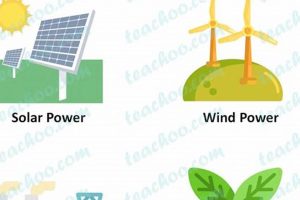
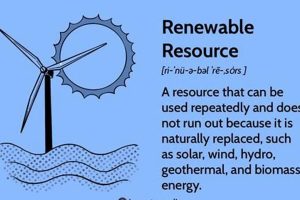
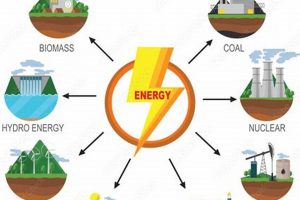
Harnessing power from naturally replenishing resources offers a sustainable alternative to fossil fuels. These resources, unlike finite reserves, are continuously renewed by natural processes, ensuring long-term availability and minimizing environmental impact. Examples include solar radiation, wind currents, geothermal heat, flowing water, and biomass.
The adoption of such sustainable power generation methods is vital for mitigating climate change, reducing reliance on imported fuels, and fostering energy independence. Historically, reliance on these resources was limited by technological constraints; however, advancements have significantly improved efficiency and cost-effectiveness, making them increasingly competitive with conventional energy sources. Their deployment also supports job creation and stimulates economic growth in related industries.
This article will explore five principal contributors to the renewable energy landscape: solar, wind, geothermal, hydro, and biomass power generation.
Harnessing Renewable Power
The successful integration and utilization of renewable energy sources require careful planning and execution. The following tips offer guidance for optimizing the contribution of these resources to the energy mix.
Tip 1: Prioritize Resource Assessment: Comprehensive evaluation of available resources is essential before initiating any renewable energy project. Accurate data on solar irradiance, wind speed, geothermal gradients, or water flow rates are crucial for determining project feasibility and optimizing system design.
Tip 2: Optimize System Siting: The location of renewable energy installations significantly impacts performance and efficiency. Solar arrays should be positioned to maximize sunlight exposure, while wind turbines should be placed in areas with consistent and strong wind patterns. Hydroelectric facilities should be located to take advantage of available water sources while minimizing environmental disruption.
Tip 3: Integrate Energy Storage Solutions: Renewable energy sources are often intermittent. Energy storage technologies, such as batteries or pumped hydro, are crucial for ensuring a reliable and consistent power supply, mitigating the variability associated with solar and wind power.
Tip 4: Leverage Grid Modernization: A modernized electrical grid is essential for efficiently integrating renewable energy sources. Smart grid technologies, including advanced metering infrastructure and grid automation, enable better management of distributed generation and facilitate two-way communication between energy producers and consumers.
Tip 5: Emphasize Energy Efficiency: Reducing overall energy demand is a crucial step in maximizing the impact of renewable energy sources. Implementing energy efficiency measures in buildings, industries, and transportation systems reduces the reliance on all energy sources, making the transition to a renewable energy economy more manageable.
Tip 6: Foster Public-Private Partnerships: Collaboration between government entities and private sector companies accelerates the deployment of renewable energy technologies. Public-private partnerships leverage the expertise and resources of both sectors to overcome barriers and facilitate project development.
Effective implementation of these strategies will contribute to a more sustainable and resilient energy future, optimizing the benefits derived from renewable power generation.
The next section will provide a conclusive summary of “what are 5 main sources of renewable energy” and their impact.
1. Sustainability

Sustainability constitutes a foundational principle in the discussion surrounding the primary renewable resources. Its relevance stems from the capacity of these sources to meet present energy demands without compromising the ability of future generations to meet their own. Sustainability, therefore, serves as a critical lens through which to evaluate the long-term viability and environmental impact of these energy sources.
- Resource Replenishment
Renewable sources, by definition, replenish themselves within a human timescale. Solar radiation is continuously available, wind patterns persist, geothermal heat emanates from the Earth’s core, water cycles replenish rivers and reservoirs, and biomass can be regrown. The rate of energy extraction must remain below the rate of replenishment to ensure long-term availability and avoid resource depletion. Over-extraction of groundwater for geothermal plants or unsustainable logging practices for biomass, for example, can undermine the long-term sustainability of these energy systems.
- Environmental Stewardship
Sustainability requires minimizing environmental degradation throughout the lifecycle of energy production. This entails considering the impacts of resource extraction, manufacturing, operation, and decommissioning of energy infrastructure. For instance, while hydropower is renewable, large-scale dam construction can disrupt aquatic ecosystems. Similarly, wind turbines can pose a threat to bird populations. Sustainable practices necessitate careful environmental impact assessments and mitigation strategies to minimize ecological harm.
- Waste Minimization and Recycling
Sustainable energy systems strive to minimize waste generation and maximize resource utilization. This includes recycling components of renewable energy infrastructure, such as solar panels and wind turbine blades, at the end of their operational lifespan. Furthermore, sustainable practices involve reducing energy consumption through efficiency measures, thereby decreasing the overall demand for energy and minimizing the strain on natural resources.
- Community and Social Equity
Sustainability extends beyond environmental considerations to encompass social and economic factors. The development and deployment of renewable resources should benefit local communities, promoting job creation, economic diversification, and energy independence. Projects should be designed in consultation with local stakeholders to ensure equitable distribution of benefits and minimize potential social disruptions. For instance, community-owned solar farms can empower residents and foster a sense of ownership in the transition to a sustainable energy future.
These facets highlight the multifaceted nature of sustainability and its integral connection to the development and utilization of power generation methods. A truly sustainable energy system requires a holistic approach that considers environmental, economic, and social factors, ensuring long-term resource availability, minimizing environmental impact, and promoting equitable distribution of benefits.
2. Availability

The inherent spatial and temporal variations in the distribution and intensity of renewable resources profoundly influence their practical utilization. This variability dictates the economic feasibility and technological requirements for harnessing energy from these sources, shaping deployment strategies and necessitating robust grid management solutions.
- Geographic Distribution
The concentration of renewable resources is not uniform across the globe. Solar irradiation is highest in arid and semi-arid regions, while consistent wind regimes are typically found in coastal areas and high-altitude terrains. Geothermal potential is concentrated in tectonically active zones, and hydropower is dependent on the availability of suitable river systems. This uneven distribution necessitates geographically tailored solutions and may lead to international energy trade.
- Temporal Variability
Renewable energy sources exhibit significant fluctuations over time scales ranging from seconds to seasons. Solar power output varies diurnally and seasonally, while wind power generation depends on prevailing weather patterns. Hydropower availability is subject to seasonal rainfall and snowmelt patterns. These temporal variations present challenges for grid operators, requiring the integration of energy storage solutions and sophisticated forecasting techniques.
- Resource Intensity
The energy density of renewable resources varies considerably. Solar and wind power, while abundant, are relatively diffuse compared to fossil fuels. This lower energy density necessitates large land areas for energy capture, potentially leading to land-use conflicts. Concentrated solar power and enhanced geothermal systems aim to increase energy density, but require advanced technologies and significant upfront investments.
- Accessibility and Infrastructure
The economic viability of harnessing renewable energy sources depends on their accessibility and the availability of suitable infrastructure. Remote locations with abundant renewable resources may lack the necessary transmission infrastructure to transport energy to demand centers. Developing new transmission lines and upgrading existing grids can be costly and time-consuming, posing a significant barrier to renewable energy deployment. Furthermore, permitting processes and regulatory frameworks can influence the speed and ease with which renewable energy projects can be developed.
The complex interplay of these factors underscores the need for a comprehensive assessment of resource availability when evaluating the potential of power generation methods. Policy decisions, technological innovations, and infrastructure investments must be aligned to overcome the challenges posed by resource variability and ensure the reliable and cost-effective integration of these resources into the energy mix.
3. Environmental Impact

The environmental footprint of energy generation necessitates careful scrutiny, even when considering sources deemed renewable. While generally lower than those associated with fossil fuels, power generation methods still present environmental considerations that require mitigation and ongoing assessment. These impacts range from land use and habitat disruption to emissions related to manufacturing and operation.
- Land Use and Habitat Disruption
Large-scale deployment of solar and wind farms requires significant land areas, potentially leading to habitat fragmentation and displacement of wildlife. Hydropower projects can inundate vast areas of land, altering river ecosystems and displacing communities. Biomass energy production can lead to deforestation and soil degradation if not managed sustainably. Careful site selection, environmental impact assessments, and mitigation measures are crucial to minimize ecological harm.
- Lifecycle Emissions
While renewable resources do not directly emit greenhouse gases during electricity generation, emissions are associated with the manufacturing, transportation, installation, and decommissioning of energy infrastructure. The production of solar panels, wind turbines, and batteries involves energy-intensive processes and the use of raw materials. A comprehensive lifecycle analysis is necessary to accurately assess the overall carbon footprint of power generation methods, identifying opportunities for emission reductions.
- Water Consumption
Some power generation methods require significant amounts of water for cooling or processing. Concentrated solar power plants, geothermal power plants, and biomass refineries can strain local water resources, particularly in arid and semi-arid regions. Sustainable water management practices, such as using dry cooling technologies or recycling wastewater, are essential to minimize water consumption and protect aquatic ecosystems.
- Noise and Visual Pollution
Wind turbines can generate noise pollution that affects nearby residents and wildlife. Large-scale power generation facilities can also alter the visual landscape, raising aesthetic concerns. Careful siting, noise mitigation measures, and visual impact assessments are necessary to address these concerns and ensure public acceptance of renewable energy projects.
Addressing the environmental considerations associated with these methods requires a holistic approach that considers the entire lifecycle of energy production. Technological innovations, sustainable resource management practices, and robust regulatory frameworks are essential to minimize the environmental impact and ensure the long-term sustainability of power generation methods.
4. Technological Advancements
Technological progress serves as a primary driver in enhancing the efficiency, reducing the costs, and expanding the applicability of the 5 main sources of renewable energy. Innovations in materials science, engineering, and energy storage directly impact the economic viability and large-scale deployment of these sustainable options. The evolution of each resource is intrinsically linked to breakthroughs that overcome inherent limitations and improve performance metrics.
For example, advancements in photovoltaic (PV) cell technology, such as the development of perovskite and thin-film solar cells, have increased solar energy conversion efficiency and lowered manufacturing costs. Similarly, the development of larger and more efficient wind turbines, coupled with improved grid integration technologies, has made wind power a more competitive energy source. Geothermal energy benefits from enhanced drilling techniques, allowing access to deeper and hotter geothermal reservoirs, while advanced hydropower technologies, like pumped hydro storage, address the intermittency challenges of other renewable resources. Biomass energy sees advancements in sustainable feedstock production and efficient conversion technologies, reducing emissions and improving energy yields.
In conclusion, continuous technological innovation is crucial for realizing the full potential of power generation methods. Overcoming challenges related to intermittency, storage, and cost competitiveness requires ongoing investment in research and development. This will ultimately facilitate a transition towards a more sustainable and diversified energy future, powered by the evolution of these resources.
5. Economic Viability

The economic viability of the main renewable resources represents a critical determinant in their widespread adoption and integration into global energy markets. The levelized cost of energy (LCOE), encompassing all costs over the lifetime of a project divided by the total energy produced, serves as a primary metric for evaluating the competitiveness of these sources compared to traditional fossil fuels. Historically, high upfront capital costs and technological limitations have hindered the economic viability of many power generation methods; however, advancements in technology, economies of scale, and supportive policy frameworks have dramatically altered this landscape.
For instance, solar photovoltaic (PV) and wind power have experienced significant cost reductions over the past decade, making them increasingly competitive with coal and natural gas in many regions. These cost reductions are driven by factors such as improved manufacturing processes, increased module efficiencies, and streamlined project development. Government incentives, such as tax credits and feed-in tariffs, have further enhanced the economic attractiveness of renewable energy investments, accelerating their deployment and driving down costs through economies of scale. Hydropower, while often possessing higher upfront capital costs, can offer long-term economic benefits due to its longevity and relatively low operating costs. Geothermal energy, characterized by high initial drilling expenses, benefits from stable baseload power generation and reduced fuel price volatility. Biomass energy faces challenges related to feedstock sourcing and transportation costs, but can become economically viable when integrated with waste management systems or utilized in combined heat and power applications.
Ultimately, the economic viability of the core renewable resources depends on a complex interplay of factors, including technological innovation, policy support, resource availability, and market conditions. Continued investment in research and development, coupled with well-designed policy frameworks that internalize the environmental costs of fossil fuels, is crucial for unlocking the full economic potential of the 5 main sources of renewable energy and facilitating a sustainable energy transition.
6. Geographical Dependence
The efficacy of power generation methods is inextricably linked to geographical factors, influencing both the resource availability and the economic viability of their deployment. The inherent characteristics of a specific location, encompassing climate, topography, and geological composition, dictate the potential for harnessing solar, wind, hydro, geothermal, and biomass energy. This geographical dependence necessitates localized assessments and tailored strategies to maximize the contribution of these sources to the overall energy mix.
Solar energy potential, for instance, is significantly higher in regions characterized by high solar irradiance, typically found in arid and semi-arid areas closer to the equator. Wind energy development thrives in coastal regions and mountainous terrains where consistent and strong wind patterns prevail. Hydropower generation relies on the presence of substantial river systems and suitable topography for dam construction. Geothermal energy exploitation is concentrated in tectonically active regions with accessible geothermal resources, such as Iceland or the western United States. Biomass energy production is dependent on land availability, agricultural practices, and forest management strategies. The geographical constraints of each source influence not only the achievable energy output but also the infrastructure requirements, such as transmission lines needed to transport energy from resource-rich areas to demand centers.
Understanding the geographical dependence of the central components of environmentally sustainable power is crucial for effective energy planning and policy development. Recognizing these geographical limitations enables informed decision-making regarding resource allocation, technology selection, and infrastructure investment, ultimately contributing to a more resilient and sustainable energy future. Ignoring geographical realities can lead to inefficient deployment, increased costs, and unrealized potential, hindering the transition towards a cleaner energy economy.
7. Resource Intermittency
The variable nature of resources presents a significant challenge to the widespread integration of power generation methods. Unlike dispatchable sources such as fossil fuel-based power plants, many sustainable resources are subject to fluctuations in availability, impacting grid stability and requiring sophisticated management strategies.
- Temporal Variability in Solar Energy
Solar irradiance, the primary driver of photovoltaic power generation, varies diurnally, seasonally, and with weather conditions. Daily cycles lead to zero generation during nighttime hours, necessitating alternative power sources or energy storage solutions. Seasonal variations in sunlight intensity affect overall energy production, requiring adjustments in grid management strategies. Cloud cover can cause rapid and unpredictable fluctuations in solar power output, posing challenges for grid operators in maintaining system stability. The reliance on solar energy necessitates accurate forecasting and responsive grid management to mitigate the effects of intermittency.
- Wind Power Fluctuation
Wind speed, the driving force behind wind energy generation, is inherently variable, fluctuating on timescales ranging from seconds to hours. This variability makes it challenging to predict wind power output accurately, requiring sophisticated forecasting models and grid management techniques. Periods of low wind speeds, known as wind droughts, can result in significant reductions in energy production, necessitating backup power sources. Conversely, periods of high wind speeds can exceed turbine capacity, requiring curtailment of energy production to prevent damage to equipment. The intermittent nature of wind power necessitates the integration of energy storage solutions and geographically diverse wind farms to smooth out fluctuations and enhance grid reliability.
- Hydropower Seasonality and Drought
Hydropower generation, dependent on water availability in rivers and reservoirs, is subject to seasonal variations in rainfall and snowmelt. During dry seasons or periods of drought, water levels can decline significantly, reducing hydropower output and potentially affecting water supplies for other uses. Climate change is exacerbating these challenges, leading to more frequent and severe droughts in some regions. The reliance on hydropower as a baseload power source requires careful water management practices and the integration of alternative energy sources to mitigate the impacts of seasonal variability and drought.
- Biomass Supply Chain Vulnerabilities
While often considered a more dispatchable resource, biomass energy production is still susceptible to intermittency challenges. The availability of biomass feedstocks can be affected by seasonal factors, such as harvesting cycles, and by external events, such as wildfires or disease outbreaks. Disruptions in the biomass supply chain can lead to fluctuations in energy production, impacting the reliability of biomass power plants. Sustainable biomass management practices and diversified feedstock sourcing are essential to mitigate these vulnerabilities and ensure a consistent supply of biomass for energy generation.
Addressing the intermittency challenges associated with environmentally sustainable power requires a multifaceted approach that integrates forecasting techniques, energy storage solutions, grid modernization, and diversified energy sources. Developing robust and resilient energy systems that can effectively manage the variable nature of resources is essential for realizing the full potential of cleaner power sources and ensuring a reliable and sustainable energy future.
Frequently Asked Questions
This section addresses common inquiries and clarifies misconceptions regarding the main resources that contribute to environmentally sustainable power generation.
Question 1: What distinguishes energy sources as ‘renewable’?
Renewable energy sources are characterized by their capacity to be replenished within a human timescale. This replenishment occurs naturally through ongoing environmental processes, such as solar radiation, wind currents, and hydrological cycles. The continuous replenishment distinguishes these resources from finite fossil fuels, ensuring long-term availability.
Question 2: How do deployment contribute to reduced carbon emissions?
The utilization of power generation methods directly reduces carbon emissions by displacing the need for fossil fuel-based power generation. Fossil fuels, when combusted, release greenhouse gases into the atmosphere, contributing to climate change. Energy generated from solar, wind, hydro, geothermal, and sustainable biomass sources produces significantly lower levels of greenhouse gas emissions, mitigating the impact on the global climate.
Question 3: What are the primary limitations hindering the widespread adoption of power generation?
Several limitations currently impede the full-scale adoption of environmentally sustainable power generation. These include resource intermittency, requiring energy storage solutions and grid modernization; geographical dependence, necessitating tailored approaches; high upfront capital costs for some technologies; and the need for robust infrastructure to transport energy from resource-rich areas to demand centers.
Question 4: How does energy storage address resource intermittency?
Energy storage technologies, such as batteries, pumped hydro storage, and thermal energy storage, play a crucial role in mitigating the intermittency challenges associated with these methods. Energy storage systems capture excess energy during periods of high production and release it during periods of low production, ensuring a more consistent and reliable power supply. The integration of storage enhances grid stability and reduces reliance on backup fossil fuel-based power plants.
Question 5: What role do governmental policies play in promoting these sources?
Governmental policies are instrumental in driving the deployment of environmentally sustainable power generation. Policies such as tax incentives, feed-in tariffs, renewable portfolio standards, and carbon pricing mechanisms create a supportive environment for investment in technologies. These policies reduce financial barriers, incentivize innovation, and level the playing field with traditional fossil fuels, accelerating the transition towards a cleaner energy economy.
Question 6: How can advancements in technology improve the effectiveness of sources of power?
Advancements in technology are continuously enhancing the efficiency, reducing the costs, and expanding the applicability of power generation. Innovations in materials science, engineering, and energy storage are improving the performance of solar panels, wind turbines, geothermal systems, and biomass conversion technologies. Technological progress directly contributes to increased energy output, reduced environmental impact, and improved economic viability, making more sources of power increasingly competitive with conventional energy sources.
In summary, this FAQ section clarifies key aspects, addresses limitations, and highlights the ongoing advancements that contribute to expanding the role of main power sources in meeting global energy demands.
The subsequent section will present a concluding overview of the importance of environmentally sustainable power generation.
What are 5 Main Sources of Renewable Energy
This exploration of what are 5 main sources of renewable energysolar, wind, hydro, geothermal, and biomassreveals their collective potential to reshape the global energy landscape. Each resource presents unique characteristics, benefits, and challenges, demanding a nuanced understanding for effective integration into existing energy infrastructures. Their sustainable nature, reduced environmental impact compared to fossil fuels, and growing economic competitiveness underscore their importance in mitigating climate change and ensuring long-term energy security.
The continued advancement and strategic deployment of what are 5 main sources of renewable energy represent a critical pathway towards a more sustainable future. Overcoming existing limitations through technological innovation, policy support, and informed investment is essential to fully realize their transformative potential. The ongoing transition to a diversified and cleaner energy mix requires a concerted effort from governments, industries, and individuals to embrace these resources and contribute to a resilient and environmentally responsible energy future.