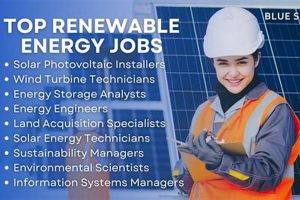
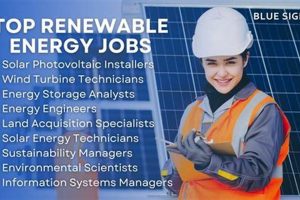
Employment opportunities within China’s sustainable power sector encompass a wide range of roles, from manufacturing and installation of solar panels and wind turbines to research and development of new energy technologies, grid management, and related support services. For example, a technician might specialize in maintaining photovoltaic systems, while an engineer could focus on improving the efficiency of wind turbine design.
This rapidly expanding field offers significant economic and social advantages. It contributes to domestic job growth, reduces reliance on fossil fuels, improves air quality, and bolsters China’s global standing in clean energy innovation. The country’s commitment to combating climate change and achieving carbon neutrality targets has further propelled investments and employment in this crucial sector. Historically, this growth has been driven by government policies and incentives, resulting in China becoming a world leader in renewable energy capacity.
Further exploration will delve into specific employment trends, regional variations within the Chinese market, key players in the industry, required skill sets, and future prospects for professionals seeking careers in this dynamic and vital sector.
This section offers practical guidance for individuals seeking opportunities within China’s dynamic renewable energy sector. These tips aim to provide valuable insights into the job market landscape and enhance the effectiveness of career searches.
Tip 1: Develop Specialized Skills: Focus on acquiring in-demand technical proficiencies, such as expertise in photovoltaic systems, wind turbine maintenance, energy storage technologies, or grid integration. Advanced degrees or certifications in relevant fields can enhance competitiveness.
Tip 2: Research Key Industry Players: Identify leading companies in China’s renewable energy sector, including state-owned enterprises, private companies, and research institutions. Understanding their specific areas of focus can help tailor applications.
Tip 3: Network Strategically: Attend industry conferences, workshops, and career fairs to connect with professionals and explore potential opportunities. Online platforms and professional networking sites can also facilitate valuable connections.
Tip 4: Understand Regional Variations: China’s renewable energy landscape varies geographically. Research specific provinces or regions known for particular technologies or projects to identify targeted job searches.
Tip 5: Gain Language Proficiency: Mandarin fluency is highly advantageous for navigating the Chinese job market and effectively communicating within organizations. Investing in language training can significantly enhance career prospects.
Tip 6: Stay Updated on Policy Developments: Government policies and incentives play a crucial role in shaping China’s renewable energy sector. Keeping abreast of policy changes and targets can inform career decisions.
Tip 7: Highlight Relevant Experience: Emphasize any prior experience in related fields, such as engineering, manufacturing, or project management. Quantifiable achievements and demonstrable skills are particularly valuable.
By implementing these strategies, individuals can increase their likelihood of securing fulfilling and impactful careers within China’s thriving renewable energy sector. Focusing on skill development, targeted research, and networking can prove invaluable in navigating this dynamic job market.
These practical tips offer a starting point for individuals seeking to contribute to a sustainable future while advancing their careers in a rapidly expanding industry. The following conclusion provides further insights into the overall outlook of the Chinese renewable energy job market.
1. Growth

The remarkable growth of China’s renewable energy sector directly fuels a significant expansion of employment opportunities. This growth is driven by a confluence of factors, including ambitious government targets, declining technology costs, and increasing global demand for clean energy solutions. Understanding the multifaceted nature of this growth is crucial for comprehending its impact on the job market.
- Capacity Expansion
China’s aggressive pursuit of renewable energy capacity targets has led to massive infrastructure projects, such as large-scale solar farms and wind power installations. These projects create a surge in demand for construction workers, technicians, engineers, and project managers, directly contributing to job creation.
- Technological Advancements
Continuous innovation in renewable energy technologies drives demand for specialized skills. For example, advancements in energy storage solutions require expertise in battery technology, power electronics, and grid integration. This creates opportunities for researchers, engineers, and technicians specializing in these emerging fields.
- Investment and Financing
Significant investments, both public and private, are pouring into China’s renewable energy sector. This influx of capital supports the development of new projects, research initiatives, and manufacturing facilities, further stimulating job growth across the value chain.
- Supply Chain Development
China’s dominance in the manufacturing of solar panels and wind turbines has fostered a robust domestic supply chain. This expansive network of suppliers, manufacturers, and distributors creates numerous employment opportunities in areas like production, logistics, and quality control.
These interconnected facets of growth demonstrate the profound impact of China’s renewable energy expansion on employment. The continuous development of new technologies, increasing investment, and the expansion of manufacturing and installation capacity contribute to a dynamic and evolving job market with significant potential for future growth. This expansion presents a wealth of opportunities for individuals seeking careers in a sector poised for continued expansion and innovation.
2. Innovation
Innovation serves as a critical driver of growth and transformation within China’s renewable energy job market. Continuous advancements in technologies, processes, and business models create new opportunities and reshape existing roles. Exploring the facets of innovation provides valuable insight into its influence on employment trends and future prospects within the sector.
- Research and Development
Extensive research and development efforts in areas such as solar cell efficiency, wind turbine design, and energy storage technologies generate demand for highly skilled scientists, engineers, and technicians. For instance, advancements in perovskite solar cell technology are creating new research and development roles focused on material science, nanotechnology, and device fabrication. These innovations translate into novel employment opportunities within research institutions, universities, and private companies.
- Smart Grid Technologies
The integration of renewable energy sources into the power grid requires sophisticated smart grid technologies. This drives demand for professionals with expertise in areas such as grid management, data analytics, cybersecurity, and artificial intelligence. Real-world examples include the development of advanced grid control systems and predictive maintenance algorithms that optimize grid stability and efficiency, leading to specialized job creation in software development, data science, and network engineering.
- Energy Storage Solutions
Innovation in energy storage solutions is crucial for addressing the intermittency of renewable energy sources. Advancements in battery technology, pumped hydro storage, and thermal energy storage create new opportunities for engineers, technicians, and project managers specializing in these areas. For example, the development of large-scale battery storage systems for grid-level applications is driving demand for expertise in battery management systems, power electronics, and system integration.
- Circular Economy Practices
The adoption of circular economy principles within the renewable energy sector leads to the creation of new job roles focused on recycling and repurposing materials. For example, the development of efficient methods for recycling solar panels and wind turbine blades reduces waste and creates opportunities in areas such as materials recovery, component refurbishment, and remanufacturing.
These interconnected facets of innovation highlight its significant impact on the evolving landscape of renewable energy jobs in China. As the sector continues to prioritize technological advancements and sustainable practices, the demand for specialized skills and expertise will further intensify, creating a dynamic and opportunity-rich job market for individuals seeking to contribute to a cleaner energy future.
3. Manufacturing

Manufacturing plays a pivotal role in China’s renewable energy sector, driving economic growth and contributing significantly to global clean energy supply chains. Examining the key facets of manufacturing within this context provides valuable insights into its impact on employment and the broader industry landscape.
- Solar Panel Production
China’s dominance in solar panel manufacturing creates a vast network of employment opportunities, from production line workers to specialized engineers overseeing quality control and process optimization. For example, factories producing photovoltaic cells and modules require technicians skilled in operating automated equipment, conducting performance tests, and ensuring product quality. This large-scale production capacity drives demand for a diverse range of manufacturing roles, contributing significantly to job creation within the renewable energy sector.
- Wind Turbine Component Manufacturing
The production of wind turbine components, including blades, nacelles, and towers, generates substantial employment in manufacturing facilities across China. Specialized roles include composite technicians crafting lightweight yet durable blades, welders assembling tower sections, and electrical engineers integrating control systems within the nacelle. This specialized manufacturing ecosystem necessitates skilled labor and contributes to the growth of related industries.
- Battery Production for Energy Storage
The increasing demand for energy storage solutions, driven by the intermittency of renewable energy sources, has fueled the growth of battery manufacturing in China. This sector creates job opportunities in areas such as cell production, battery pack assembly, and testing. For example, the production of lithium-ion batteries for grid-scale energy storage systems requires specialized skills in electrochemistry, materials science, and manufacturing process control. This rapidly expanding sector offers significant employment potential.
- Balance of System Component Manufacturing
Manufacturing balance of system (BOS) components, such as inverters, cables, and mounting structures, is essential for the seamless integration of renewable energy systems. This segment creates diverse manufacturing jobs, ranging from assembly line workers to quality control inspectors. For instance, the production of solar inverters requires skilled technicians proficient in electronics assembly, testing, and quality assurance. The robust manufacturing of BOS components supports the overall growth of the renewable energy industry.
These interconnected manufacturing facets underscore the significance of this sector within China’s renewable energy landscape. The ongoing expansion of manufacturing capacity, coupled with continuous technological advancements, creates a dynamic job market with diverse opportunities for skilled professionals. This robust manufacturing base not only supports domestic renewable energy deployment but also contributes significantly to the global supply chain, solidifying China’s position as a key player in the clean energy transition. The continued growth and innovation within this sector are expected to further drive employment and contribute to a more sustainable future.
4. Installation
Installation represents a crucial phase in the deployment of renewable energy projects within China, creating numerous employment opportunities and directly contributing to the nation’s clean energy transition. Understanding the multifaceted nature of installation activities provides valuable insights into its impact on the renewable energy job market and the broader industry landscape.
- Solar Panel Installation
Large-scale solar farm installations require skilled technicians to assemble and mount photovoltaic panels, connect wiring, and configure inverters. For example, rooftop solar installations on residential and commercial buildings necessitate specialized expertise in roof mounting systems, electrical wiring, and system integration. This widespread adoption of solar energy creates substantial demand for installation professionals across various settings, ranging from utility-scale projects to distributed generation systems.
- Wind Turbine Installation
Constructing and installing wind turbines involves specialized teams responsible for assembling tower sections, mounting nacelles and rotors, and connecting electrical systems. Offshore wind farm installations present additional complexities, requiring specialized vessels and expertise in subsea cabling and foundation installation. The increasing capacity of wind power projects, both onshore and offshore, drives demand for skilled professionals with expertise in heavy lifting, electrical work, and mechanical assembly.
- Energy Storage System Installation
Deploying energy storage systems, such as battery storage units or pumped hydro facilities, necessitates skilled technicians and engineers to integrate these technologies into the grid and ensure their seamless operation. For example, installing grid-scale battery storage systems requires expertise in power electronics, battery management systems, and grid integration protocols. As energy storage becomes increasingly critical for grid stability and reliability, the demand for specialized installation expertise will continue to grow.
- Grid Connection and Commissioning
Connecting renewable energy projects to the electricity grid and commissioning them for operation involves specialized engineers and technicians who ensure compliance with grid codes and safety regulations. This critical phase involves testing and verifying system performance, integrating control systems, and coordinating with grid operators. The increasing complexity of grid integration, particularly with the growing penetration of renewable energy sources, necessitates skilled professionals capable of managing these intricate processes.
These interconnected facets of installation highlight its crucial role in the deployment and operation of renewable energy projects in China. The increasing scale and complexity of these projects generate substantial demand for skilled professionals across various installation specialties. This dynamic field offers significant employment opportunities for individuals seeking to contribute directly to China’s clean energy transition and the global shift towards a more sustainable future. The continued growth of renewable energy capacity will further drive demand for skilled installation professionals, ensuring the efficient and effective integration of clean energy technologies into the power grid.
5. Research

Research forms the bedrock of advancements within China’s renewable energy sector, driving innovation and shaping the evolution of related employment opportunities. A robust research ecosystem fuels technological breakthroughs, optimizes processes, and informs policy decisions, creating a dynamic and evolving job market.
- Material Science for Renewable Energy
Research in material science plays a crucial role in enhancing the efficiency and durability of renewable energy technologies. For example, developing advanced materials for solar cells, such as perovskites, can significantly improve their performance and reduce manufacturing costs. This research translates into specialized roles for material scientists, chemists, and engineers within research institutions, universities, and private companies, driving demand for expertise in materials synthesis, characterization, and device fabrication.
- Grid Integration and Stability Studies
Research on grid integration focuses on ensuring the seamless and reliable incorporation of renewable energy sources into the power grid. This includes developing advanced grid management systems, smart grid technologies, and energy storage solutions to address the intermittency of renewable energy. Real-world examples include research on grid stability analysis, distributed generation control, and the development of advanced forecasting algorithms. These research efforts create opportunities for electrical engineers, power systems specialists, and computer scientists, driving demand for expertise in grid modeling, control systems, and data analytics.
- Renewable Energy Policy and Market Analysis
Research in policy and market analysis informs decision-making processes and shapes the development of the renewable energy sector. This includes analyzing market trends, evaluating policy effectiveness, and assessing the economic and social impacts of renewable energy deployment. For instance, researchers analyze the impact of carbon pricing mechanisms, feed-in tariffs, and renewable portfolio standards on market dynamics and investment decisions. This research creates opportunities for economists, policy analysts, and market researchers, generating demand for expertise in policy analysis, market modeling, and data interpretation.
- Environmental Impact Assessments and Sustainability Studies
Research on environmental impact assessments focuses on evaluating the potential environmental effects of renewable energy projects and developing strategies to minimize negative impacts. This includes assessing the lifecycle impacts of different renewable energy technologies, analyzing land use changes, and studying the effects on biodiversity. For example, researchers conduct life cycle assessments of solar panels and wind turbines to quantify their environmental footprint and identify opportunities for improvement. This research generates employment for environmental scientists, ecologists, and sustainability specialists, driving demand for expertise in environmental impact assessment, life cycle analysis, and ecological modeling.
These interconnected research domains contribute significantly to the growth and evolution of China’s renewable energy job market. The continuous pursuit of technological advancements, coupled with the need for informed policy decisions and sustainable practices, creates a dynamic landscape of research opportunities, driving demand for highly skilled professionals across a range of disciplines. This sustained focus on research not only strengthens China’s position as a global leader in renewable energy but also fosters a robust and evolving job market, offering diverse career paths for individuals passionate about contributing to a cleaner and more sustainable future. The ongoing expansion of research activities is expected to further diversify employment opportunities and drive innovation within the sector.
6. Management

Effective management constitutes a crucial element within China’s renewable energy sector, ensuring the efficient operation, strategic development, and sustainable growth of projects and organizations. Competent leadership and strategic decision-making are essential for navigating the complexities of this dynamic industry and maximizing its contribution to China’s clean energy transition. Exploring the key facets of management within this context reveals its significant impact on the overall success and continued expansion of the renewable energy job market.
- Project Management
Managing renewable energy projects requires specialized expertise in planning, execution, and oversight, encompassing all phases from initial feasibility studies to commissioning and operation. For example, project managers oversee complex tasks such as site selection, permitting, procurement, construction, and grid integration. Effective project management ensures projects are completed on time and within budget, adhering to quality standards and regulatory requirements. This specialized field offers significant employment opportunities for individuals with strong organizational, communication, and technical skills.
- Operations and Maintenance Management
Efficient operation and maintenance (O&M) are crucial for maximizing the performance and lifespan of renewable energy assets. O&M managers oversee teams responsible for routine inspections, preventative maintenance, troubleshooting, and repairs. For instance, optimizing the performance of wind farms requires continuous monitoring of turbine performance data, predictive maintenance scheduling, and efficient spare parts management. Expertise in data analysis, predictive modeling, and maintenance optimization is increasingly valuable in this field, creating opportunities for specialized roles within O&M teams.
- Supply Chain Management
Managing the complex supply chains associated with renewable energy technologies necessitates efficient logistics, procurement, and inventory control. Supply chain managers oversee the sourcing of raw materials, component manufacturing, and the distribution of finished products. For example, ensuring the timely delivery of solar panels to project sites requires effective coordination with manufacturers, logistics providers, and installation teams. Expertise in supply chain optimization, inventory management, and logistics planning is crucial for minimizing costs and ensuring project timelines are met. This specialized field offers diverse employment opportunities within manufacturing companies, project developers, and logistics firms.
- Policy and Regulatory Management
Navigating the policy and regulatory landscape is essential for the successful development and operation of renewable energy projects in China. Policy and regulatory managers ensure compliance with relevant regulations, engage with government agencies, and monitor policy changes. For example, understanding and adhering to feed-in tariffs, renewable portfolio standards, and environmental regulations is crucial for project viability. Expertise in policy analysis, regulatory compliance, and stakeholder engagement is highly valued in this field, creating opportunities for specialized roles within project development companies, consulting firms, and government agencies.
These interconnected management facets demonstrate the crucial role of effective leadership and strategic decision-making in driving the success of China’s renewable energy sector. As the industry continues to expand and mature, the demand for skilled management professionals will further intensify. This creates diverse employment opportunities for individuals with expertise in project management, operations and maintenance, supply chain management, and policy and regulatory affairs. The continued growth and evolution of the renewable energy sector will further elevate the importance of skilled management in ensuring the efficient, sustainable, and impactful deployment of clean energy technologies.
Frequently Asked Questions
This section addresses common inquiries regarding employment within China’s renewable energy sector. The following questions and answers provide concise and informative insights for individuals exploring career opportunities in this dynamic field.
Question 1: What are the most in-demand job roles in China’s renewable energy sector?
Currently, high demand exists for skilled technicians specializing in the installation and maintenance of solar and wind energy systems. Engineering roles focused on grid integration, energy storage, and research and development are also highly sought after. Demand for project managers, policy analysts, and supply chain specialists continues to grow in response to the expanding scale of renewable energy projects.
Question 2: What qualifications are typically required for renewable energy jobs in China?
Technical roles often require specialized vocational training or degrees in engineering, electrical engineering, or related fields. Advanced degrees and certifications in specific renewable energy technologies can enhance competitiveness. Management positions typically necessitate relevant experience and potentially advanced degrees in business administration or project management. Proficiency in Mandarin Chinese is generally advantageous for navigating the job market and workplace communication.
Question 3: How does the salary range compare to other sectors in China?
Salaries within the renewable energy sector are generally competitive with other engineering and technical fields. Experienced professionals and those with specialized skills in high-demand areas can command higher salaries. Compensation can vary based on location, company size, and specific job responsibilities.
Question 4: What are the primary locations for renewable energy jobs in China?
Renewable energy jobs are distributed across various regions in China, with concentrated activity in areas with abundant renewable resources. Coastal provinces are prominent for offshore wind development, while inland regions with strong solar irradiance are hubs for solar energy projects. Major cities often serve as centers for research, development, and management roles.
Question 5: What are the future prospects for employment in this sector?
The long-term outlook for renewable energy employment in China remains positive, driven by ambitious government targets and ongoing technological advancements. Continued growth is anticipated across various segments, including manufacturing, installation, research and development, and management. Emerging areas such as energy storage, smart grids, and green hydrogen are expected to create new and specialized job opportunities.
Question 6: How can international candidates access job opportunities in China’s renewable energy sector?
International candidates can explore opportunities through online job boards, professional networking platforms, and recruitment agencies specializing in the Chinese market. Possessing relevant experience, specialized skills, and Mandarin language proficiency can enhance competitiveness. Visa requirements and work permit regulations should be carefully considered and adhered to throughout the application process.
This FAQ section has provided a concise overview of common inquiries regarding employment within China’s renewable energy sector. Further research and exploration of specific job roles, companies, and regional markets can provide a more comprehensive understanding of the dynamic career landscape.
The concluding section of this article summarizes key takeaways and offers final thoughts on the future of renewable energy jobs in China.
China Renewable Energy Jobs
This exploration of employment opportunities within China’s renewable energy sector has highlighted the dynamic and multifaceted nature of this rapidly evolving field. From manufacturing and installation to research and management, the industry offers diverse career paths for skilled professionals. Ambitious government targets, coupled with continuous technological advancements, underpin sustained growth and create a robust demand for specialized expertise. The analysis of key aspects, including manufacturing, installation, research, and management, underscores the breadth and depth of employment opportunities. Practical tips for navigating the job market provide valuable guidance for individuals seeking to contribute to this transformative sector. Addressing frequently asked questions offers further clarity and insights for prospective job seekers.
The ongoing expansion of China’s renewable energy sector presents significant opportunities for both domestic and international talent. Continued investment in research and development, coupled with supportive government policies, fosters a dynamic and promising job market. As the world transitions towards a cleaner energy future, the significance of employment within China’s renewable energy sector will only continue to grow, offering impactful careers for individuals dedicated to shaping a sustainable future.