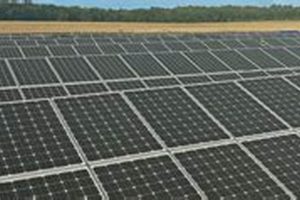
Houses powered by sustainable resources, such as solar, wind, geothermal, and hydroelectric power, represent a significant shift towards environmentally friendly living. A dwelling utilizing rooftop photovoltaic panels to generate electricity and a geothermal heat pump for climate control exemplifies this concept.
These environmentally conscious residences offer significant advantages, including reduced reliance on fossil fuels, lower operating costs, and decreased carbon emissions. They contribute to a more sustainable future by mitigating the effects of climate change and promoting energy independence. The increasing awareness of environmental issues and advancements in renewable energy technologies have propelled the adoption of such housing from a niche concept to a practical and increasingly popular choice.
The following sections will delve into specific renewable energy sources suitable for residential applications, discuss the design and implementation of these systems, and analyze the economic and environmental impact of adopting this sustainable approach to housing.
Tips for Implementing Renewable Energy in Homes
Integrating renewable energy systems into residential buildings requires careful planning and consideration. The following tips offer guidance for homeowners interested in transitioning to a more sustainable lifestyle.
Tip 1: Conduct a Thorough Energy Audit: A professional energy audit helps identify areas of energy loss and determines the most suitable renewable energy options for a specific location and climate. This assessment should consider factors such as roof orientation, shading, and local wind patterns.
Tip 2: Prioritize Energy Efficiency: Before investing in renewable energy systems, it’s crucial to improve energy efficiency throughout the house. This includes upgrading insulation, sealing air leaks, and using energy-efficient appliances.
Tip 3: Research Available Incentives and Rebates: Many governments and utility companies offer financial incentives, such as tax credits and rebates, to encourage the adoption of renewable energy technologies. Exploring these options can significantly reduce the upfront costs.
Tip 4: Choose the Right Renewable Energy System: Different renewable energy technologies suit different homes and locations. For example, solar panels are ideal for sunny climates, while wind turbines are better suited for areas with consistent wind resources. Geothermal systems offer consistent performance regardless of weather conditions.
Tip 5: Work with Qualified Professionals: Installing renewable energy systems requires specialized knowledge and expertise. It’s essential to work with certified installers and contractors who can ensure proper system design, installation, and maintenance.
Tip 6: Monitor System Performance: Regularly monitoring the performance of renewable energy systems ensures optimal efficiency and helps identify potential issues early on. Many systems offer monitoring tools that provide real-time data on energy production and consumption.
Tip 7: Consider Battery Storage: Integrating battery storage with renewable energy systems allows homeowners to store excess energy generated during peak production times and use it later when needed, further reducing reliance on the grid.
By following these tips, homeowners can make informed decisions about implementing renewable energy systems and maximize the benefits of sustainable living. These strategies contribute to lower energy bills, reduced environmental impact, and increased energy independence.
This understanding of practical implementation sets the stage for a deeper exploration of the broader implications of widespread renewable energy adoption in residential settings.
1. Sustainable Design

Sustainable design forms the foundation of effective renewable energy homes. It encompasses a holistic approach that considers the entire lifecycle of a building, from material selection and construction to energy consumption and eventual deconstruction. This approach prioritizes minimizing environmental impact while maximizing occupant well-being. Within the context of renewable energy homes, sustainable design principles guide the integration of renewable energy systems, ensuring optimal performance and minimizing the home’s overall ecological footprint. For example, passive solar design techniques, such as strategically placed windows and thermal mass, can reduce heating and cooling loads, thereby maximizing the effectiveness of solar photovoltaic or geothermal systems. Selecting locally sourced, sustainable building materials further reduces the embodied energy of the home, contributing to a lower overall environmental impact.
Furthermore, sustainable design considers water conservation strategies, such as rainwater harvesting and greywater recycling systems. These systems can be integrated with renewable energy technologies to further reduce reliance on municipal water supplies and minimize energy consumption associated with water treatment and distribution. Additionally, sustainable landscaping practices, including drought-tolerant plantings and permeable paving, reduce water usage and stormwater runoff, contributing to a more ecologically balanced and resilient home environment. The integration of smart home technologies, optimized for energy management and automation, further enhances the efficiency and performance of renewable energy systems, allowing for dynamic adjustments based on real-time energy consumption patterns and environmental conditions.
Sustainable design represents an essential component of renewable energy homes, going beyond simply installing renewable energy systems. It represents a comprehensive approach that minimizes environmental impact throughout the building’s lifecycle. By incorporating sustainable design principles, renewable energy homes become more efficient, resilient, and ecologically responsible. This integrated approach is crucial for realizing the full potential of renewable energy technologies and creating truly sustainable built environments. Moving forward, prioritizing sustainable design will be essential for accelerating the transition to a more sustainable and resilient future for the built environment.
2. Energy Efficiency
Energy efficiency plays a crucial role in maximizing the effectiveness and overall sustainability of renewable energy homes. Minimizing energy consumption reduces the demand placed on renewable energy systems, allowing them to operate more efficiently and potentially reducing the overall system size and cost. Furthermore, energy-efficient homes are less reliant on the grid, enhancing energy independence and reducing the environmental impact associated with electricity generation from conventional sources.
- Building Envelope Optimization
The building envelope, comprising walls, roof, and foundation, plays a significant role in energy loss. Effective insulation, high-performance windows, and airtight construction minimize heat transfer, reducing the need for heating and cooling. For instance, a well-insulated home requires less energy to maintain a comfortable indoor temperature, reducing the load on renewable energy systems like solar panels or geothermal heat pumps. This, in turn, can reduce the number of solar panels required or the size of the geothermal system, leading to cost savings and minimizing the home’s environmental impact.
- Efficient Appliances and Lighting
Using energy-efficient appliances and lighting significantly reduces electricity consumption. Energy Star-certified appliances consume less energy than conventional models, contributing to lower operating costs and reducing the demand on renewable energy systems. Similarly, LED lighting provides significant energy savings compared to traditional incandescent bulbs. For example, replacing outdated appliances with Energy Star models and switching to LED lighting can significantly reduce a home’s overall energy consumption, maximizing the benefits of renewable energy generation and minimizing reliance on the grid.
- Smart Home Energy Management Systems
Smart home technologies offer advanced control over energy consumption. These systems can monitor and optimize energy usage in real-time, adjusting lighting, heating, and cooling based on occupancy and environmental conditions. This intelligent management reduces energy waste and enhances the performance of renewable energy systems by aligning energy consumption with production patterns. Integrating smart thermostats, automated lighting controls, and energy monitoring dashboards allows homeowners to fine-tune energy usage, maximizing the effectiveness of their renewable energy investments.
- Behavioral Changes and Energy Conservation Practices
Occupant behavior plays a vital role in energy efficiency. Adopting energy-conscious habits, such as turning off lights when leaving a room and unplugging electronic devices when not in use, can significantly reduce energy consumption. Promoting awareness of energy usage and encouraging responsible energy consumption practices complements technological advancements in energy efficiency, further maximizing the benefits of renewable energy homes.
By prioritizing energy efficiency, renewable energy homes can operate more effectively, minimizing reliance on the grid and reducing their environmental impact. The synergistic relationship between energy efficiency and renewable energy generation is essential for creating truly sustainable and resilient homes. This integrated approach not only reduces energy costs and environmental impact but also promotes energy independence and enhances the overall comfort and performance of the home.
3. Reduced Emissions

A primary advantage of dwellings powered by renewable resources lies in their capacity to significantly curtail greenhouse gas emissions. Conventional homes, reliant on fossil fuel-based electricity generation and heating systems, contribute substantially to atmospheric carbon dioxide, methane, and other pollutants. Renewable energy homes, conversely, generate power from sources like solar and wind, which produce minimal to no greenhouse gases during operation. This fundamental shift in energy sourcing directly addresses a critical environmental concern: mitigating climate change. For instance, a home utilizing solar photovoltaics for electricity offsets the emissions that would have resulted from equivalent electricity generated by a coal-fired power plant. Similarly, geothermal heating systems eliminate the combustion of natural gas or propane, further reducing a home’s carbon footprint.
The reduction in emissions achieved through renewable energy homes extends beyond operational benefits. The embodied energy of building materials, the energy consumed during manufacturing and transportation, represents a significant portion of a home’s overall environmental impact. Sustainable construction practices, often integral to renewable energy home designs, prioritize materials with lower embodied energy, further minimizing emissions. Moreover, these homes frequently incorporate energy-efficient features, such as improved insulation and airtight construction, which reduce the energy demand, and consequently, emissions associated with heating and cooling. The cumulative effect of these strategies results in a substantial reduction in the total lifecycle emissions of a home, from construction through operation and eventual deconstruction.
The transition to renewable energy homes represents a vital step towards decarbonizing the building sector, a significant contributor to global greenhouse gas emissions. The practical significance of this shift lies in mitigating the impacts of climate change, improving air quality, and promoting a more sustainable future. While challenges remain in terms of upfront costs and technological advancements, the demonstrable reduction in emissions achievable through renewable energy homes underscores their importance in addressing global environmental challenges. The continued development and adoption of these technologies are crucial for creating a more sustainable and resilient built environment.
4. Cost Savings

A compelling financial argument strengthens the case for renewable energy homes. While initial investments can be higher than traditional construction, significant long-term cost savings are achievable through reduced energy consumption and operational expenses. Analyzing the various facets of these cost savings provides a comprehensive understanding of the financial benefits associated with transitioning to renewable energy sources for residential power.
- Reduced Energy Bills
Renewable energy systems generate electricity on-site, reducing or eliminating reliance on grid-supplied power. This translates directly into lower monthly electricity bills, a consistent and predictable cost saving. For example, a home with a solar photovoltaic system sized to meet its electricity needs could potentially eliminate its monthly electricity bill entirely, depending on local net metering policies. Over time, these savings can accumulate significantly, offsetting the initial investment in the renewable energy system.
- Lower Operating and Maintenance Costs
Renewable energy systems, particularly solar photovoltaic and wind turbines, have relatively low operating and maintenance costs compared to traditional heating and cooling systems. While occasional maintenance is required, such as panel cleaning or turbine inspections, the absence of fuel costs and minimal moving parts contribute to lower ongoing expenses. This contrasts with conventional systems that require regular fuel deliveries and more frequent maintenance, resulting in higher operating costs over the lifespan of the equipment.
- Increased Home Value
Studies indicate that homes equipped with renewable energy systems tend to have higher market values compared to similar homes without such features. This added value reflects the growing consumer demand for sustainable and energy-efficient housing. The perceived long-term cost savings and environmental benefits associated with renewable energy homes contribute to their increased desirability and market value, potentially offering a return on investment through increased resale value.
- Financial Incentives and Rebates
Many governments and utility companies offer financial incentives, such as tax credits, rebates, and grants, to encourage the adoption of renewable energy technologies. These incentives can significantly reduce the upfront costs of installing renewable energy systems, making them more financially accessible to homeowners. Utilizing available incentives can substantially lower the initial investment, accelerating the return on investment and enhancing the overall financial viability of renewable energy homes.
The cumulative effect of these cost-saving factors contributes to the long-term financial benefits of renewable energy homes. While the initial investment may be higher, the reduced operating costs, increased home value, and potential financial incentives create a compelling economic case for transitioning to renewable energy. This financial advantage, coupled with the environmental benefits, positions renewable energy homes as a fiscally responsible and environmentally conscious choice for homeowners seeking long-term savings and a sustainable lifestyle.
5. Energy Independence

Energy independence, within the context of residential buildings, signifies a reduced reliance on centralized power grids. Renewable energy homes represent a pathway toward this autonomy by generating power on-site, decreasing vulnerability to grid outages and fluctuations in energy prices. This localized power generation empowers homeowners, affording them greater control over their energy consumption and contributing to a more resilient and sustainable energy landscape.
- Reduced Reliance on the Grid
Renewable energy systems, such as solar photovoltaics and wind turbines, generate electricity directly at the point of consumption, decreasing the need for grid-supplied power. This reduced reliance enhances energy security and minimizes dependence on external energy sources. For example, a home with a rooftop solar array and battery storage can operate independently of the grid during peak demand periods or power outages, ensuring a continuous supply of electricity.
- Protection from Price Volatility
Fluctuations in fossil fuel prices directly impact the cost of grid-supplied electricity. Renewable energy homes, by generating their own power, are less susceptible to these price fluctuations. This price stability offers homeowners greater control over their energy expenses and provides a hedge against rising energy costs. For instance, a home with a geothermal heating system is insulated from volatile natural gas prices, ensuring predictable and stable heating costs.
- Enhanced Grid Resilience
Distributed renewable energy generation strengthens the overall resilience of the electricity grid. By reducing demand on the grid, renewable energy homes contribute to a more decentralized and robust energy infrastructure. This distributed generation model minimizes the impact of localized outages and enhances the grid’s ability to withstand disruptions. For example, during periods of peak demand, renewable energy homes can reduce strain on the grid, minimizing the risk of brownouts or blackouts.
- Empowerment and Control
Renewable energy homes empower homeowners by giving them greater control over their energy production and consumption. This autonomy fosters a sense of self-reliance and allows individuals to actively participate in the transition to a more sustainable energy future. By generating their own power, homeowners become active participants in the energy landscape, contributing to a more decentralized and democratic energy system.
The pursuit of energy independence through renewable energy homes represents a significant step towards a more sustainable and resilient energy future. By reducing reliance on centralized power grids, these homes enhance energy security, protect against price volatility, and empower individuals to take control of their energy consumption. This localized approach to energy generation fosters a more distributed and democratic energy landscape, contributing to a more sustainable and resilient future for all.
Frequently Asked Questions about Renewable Energy Homes
This section addresses common inquiries regarding residences utilizing renewable energy sources, offering concise and informative responses to facilitate informed decision-making.
Question 1: What are the most common types of renewable energy systems used in homes?
Solar photovoltaic (PV) systems, solar thermal systems, wind turbines, geothermal heat pumps, and hydroelectric systems represent the most frequently implemented renewable energy technologies for residential applications. The suitability of each technology depends on factors such as geographic location, climate, and available resources.
Question 2: What is the typical lifespan of a residential renewable energy system?
The expected lifespan varies depending on the specific technology. Solar PV panels generally last 25-30 years or more, while wind turbines have a lifespan of 20-25 years. Geothermal heat pumps can last for several decades, with the ground loop potentially lasting for centuries. Regular maintenance can extend the operational life of these systems.
Question 3: Are renewable energy homes more expensive to build than conventional homes?
The initial construction costs of renewable energy homes can be higher due to the investment in renewable energy technologies. However, long-term cost savings from reduced energy bills and potential financial incentives often offset the initial investment over time.
Question 4: Do renewable energy homes require backup power sources?
While renewable energy systems generate clean power, their output can fluctuate depending on weather conditions. Battery storage systems provide backup power during periods of low renewable energy generation, ensuring a consistent electricity supply. Connection to the grid can also serve as a backup option.
Question 5: Are renewable energy homes suitable for all climates and locations?
Different renewable energy technologies are better suited for specific climates and locations. Solar PV systems perform optimally in sunny regions, while wind turbines require consistent wind resources. Geothermal systems are effective in various climates due to the stable temperature of the earth. Careful assessment of local conditions is essential for selecting the most appropriate technology.
Question 6: What are the environmental benefits of renewable energy homes?
Renewable energy homes significantly reduce reliance on fossil fuels, resulting in lower greenhouse gas emissions, improved air quality, and reduced environmental impact. They contribute to mitigating climate change and promoting a more sustainable energy future.
Understanding these key aspects of renewable energy homes empowers individuals to make informed decisions about sustainable housing options and their long-term benefits.
The subsequent section delves into case studies of successful renewable energy home implementations, providing practical examples and insights into real-world applications.
Conclusion
Renewable energy homes represent a significant advancement toward a sustainable future for the built environment. This exploration has highlighted the multifaceted benefits of integrating renewable energy technologies into residential buildings, encompassing environmental, economic, and societal advantages. From reducing greenhouse gas emissions and mitigating climate change to lowering energy costs and enhancing energy independence, these homes offer a compelling alternative to conventional housing. The examination of sustainable design principles, energy efficiency measures, and the various renewable energy options available for residential applications underscores the potential of these technologies to transform the way we live and interact with the environment.
The transition to widespread adoption of renewable energy homes necessitates continued technological advancements, supportive policies, and increased public awareness. The potential for these homes to contribute to a more sustainable and resilient future is undeniable. As the world grapples with the challenges of climate change and resource depletion, the adoption of renewable energy homes stands as a crucial step towards a more environmentally responsible and sustainable future for generations to come. Further research, development, and implementation of these technologies will be essential for realizing the full potential of renewable energy homes and creating a truly sustainable built environment.