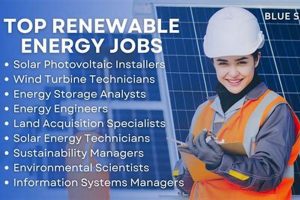
Information technology professionals play a crucial role in the renewable energy industry, contributing to areas such as smart grid management, data analytics for optimizing energy generation, cybersecurity for critical infrastructure, and software development for monitoring and controlling renewable energy systems. For instance, a wind farm relies on sophisticated software to adjust turbine blades based on real-time wind conditions and grid demand, requiring skilled programmers and data analysts.
This convergence of technology and sustainable energy generation is vital for addressing climate change and ensuring a reliable energy future. Historically, the renewable energy sector relied on traditional engineering disciplines. However, the increasing complexity of integrating these energy sources into existing grids, optimizing their performance, and safeguarding them from cyber threats has created a significant demand for IT expertise. This growing demand translates into exciting career opportunities for individuals seeking to contribute to a more sustainable world.
The following sections will delve deeper into specific roles, required skills, and career paths within this dynamic field, offering a roadmap for those interested in pursuing a career at the intersection of technology and renewable energy.
Tips for Pursuing a Career in Renewable Energy IT
Navigating the evolving landscape of renewable energy information technology requires strategic planning and a focused approach. The following tips offer guidance for individuals seeking to enter or advance within this dynamic field.
Tip 1: Develop Specialized Skills: Focus on acquiring in-demand skills such as data analytics, cloud computing, cybersecurity, and programming languages relevant to the renewable energy sector (e.g., Python, R). Understanding specific software platforms used in energy management and grid optimization can also be highly beneficial.
Tip 2: Network Strategically: Attend industry conferences, join professional organizations related to both IT and renewable energy, and connect with professionals on platforms like LinkedIn to build a strong network within the field.
Tip 3: Gain Relevant Experience: Seek internships, volunteer opportunities, or entry-level positions related to IT within the renewable energy sector. Practical experience demonstrates a genuine interest and provides valuable exposure to real-world applications.
Tip 4: Understand the Regulatory Landscape: Familiarize oneself with government policies, incentives, and regulations impacting the renewable energy sector, as these factors influence technological developments and industry needs.
Tip 5: Highlight Transferable Skills: Even without direct renewable energy experience, individuals with strong IT skills in areas like database management, network administration, or software development can position themselves as valuable assets by highlighting the transferability of their expertise.
Tip 6: Research Companies and Roles: Thoroughly research companies involved in renewable energy and identify specific roles aligned with one’s skills and interests. This targeted approach increases the effectiveness of job applications.
Tip 7: Stay Current with Industry Trends: The renewable energy sector is constantly evolving. Staying informed about emerging technologies, market trends, and policy changes is essential for remaining competitive and adaptable.
By implementing these strategies, individuals can enhance their prospects and contribute to a rewarding career within the crucial intersection of information technology and renewable energy.
The concluding section will summarize key opportunities and challenges within this evolving field.
1. Data Analysis

Data analysis plays a critical role in optimizing renewable energy operations, driving efficiency and informing strategic decision-making. Within the renewable energy sector, vast amounts of data are generated from various sources, including weather patterns, energy consumption, grid performance, and equipment sensor readings. Analyzing this data allows stakeholders to identify trends, predict energy generation, optimize energy distribution, and improve the overall performance of renewable energy systems. For example, by analyzing historical wind speed data combined with real-time weather forecasts, wind farm operators can predict energy output and adjust turbine operations to maximize efficiency.
The practical significance of data analysis within renewable energy spans several key areas. Predictive maintenance, enabled by analyzing equipment performance data, allows for proactive identification of potential issues, minimizing downtime and extending the lifespan of critical assets. Grid optimization, facilitated by analyzing energy consumption patterns, allows operators to balance supply and demand more effectively, reducing reliance on fossil fuel-based backup power. Furthermore, data analysis contributes to financial modeling and investment decisions by providing insights into the profitability and long-term viability of renewable energy projects. Understanding energy usage patterns, combined with weather data, allows for accurate projections of return on investment and informs resource allocation decisions.
Data analysis skills are essential for various roles within the renewable energy IT sector, including data scientists, energy analysts, and software developers. The ability to collect, process, and interpret large datasets is becoming increasingly valuable as the industry continues to adopt advanced technologies such as machine learning and artificial intelligence. Addressing the challenges of data security and privacy is paramount, particularly as the volume and sensitivity of data generated by renewable energy systems continue to grow. Effective data governance and robust security protocols are essential for maintaining the integrity and confidentiality of this valuable information.
2. Software Development
Software development forms a cornerstone of the renewable energy sector’s technological advancements, enabling efficient management, control, and optimization of energy generation, distribution, and consumption. From designing smart grids to developing control systems for individual renewable energy installations, software engineers play a vital role in shaping the future of sustainable energy.
- Control Systems for Renewable Energy Generation
Software controls the operation of individual renewable energy generation units, such as wind turbines and solar panels. These systems optimize performance based on real-time conditions, maximizing energy output while ensuring safe and reliable operation. For example, software algorithms adjust the angle of wind turbine blades to capture optimal wind energy while protecting the turbine from excessive stress during high winds. This intricate control requires specialized software tailored to the specific characteristics of each renewable energy technology.
- Smart Grid Management
Software applications facilitate the integration of renewable energy sources into existing power grids. These applications manage the complex interplay between distributed generation, fluctuating energy supply, and varying consumer demand. Smart grid software optimizes energy flow, balances supply and demand, and enhances grid stability, essential for incorporating intermittent renewable energy sources into the broader energy infrastructure. Real-time monitoring and control capabilities enable grid operators to respond dynamically to changing conditions, minimizing disruptions and maximizing efficiency.
- Data Analytics and Visualization Platforms
Software platforms provide the tools for collecting, analyzing, and visualizing data from renewable energy systems. These platforms enable data-driven insights into system performance, energy generation patterns, and potential areas for improvement. Visualization tools transform complex data into easily understandable formats, facilitating informed decision-making regarding maintenance, upgrades, and future investments. This data-driven approach is crucial for optimizing the long-term performance and cost-effectiveness of renewable energy installations.
- Simulation and Modeling Software
Software tools are used to simulate and model the performance of renewable energy systems under various conditions. These simulations aid in the design and optimization of new installations, predicting energy output, assessing environmental impact, and evaluating the feasibility of different project scenarios. Accurate modeling is critical for minimizing risks, maximizing efficiency, and ensuring the long-term success of renewable energy projects, allowing developers to test various scenarios before physical implementation.
These diverse facets of software development highlight the crucial role of skilled programmers, engineers, and data scientists within the renewable energy sector. As technology continues to advance, the demand for specialized software expertise will further increase, driving innovation and accelerating the transition towards a sustainable energy future.
3. Cybersecurity
Cybersecurity is paramount within the renewable energy sector due to the increasing reliance on digital technologies for managing and controlling critical infrastructure. As renewable energy systems become more interconnected and reliant on data exchange, they become increasingly vulnerable to cyberattacks, which can disrupt operations, compromise data integrity, and even cause physical damage. Protecting these systems requires specialized expertise and a comprehensive approach to cybersecurity.
- Network Security
Renewable energy facilities often utilize complex networks to connect various components, such as wind turbines, solar panels, and grid management systems. These networks must be secured against unauthorized access, data breaches, and malicious attacks. Implementing robust firewalls, intrusion detection systems, and secure communication protocols are crucial for protecting network integrity and preventing disruptions to energy generation and distribution. For example, a wind farm’s network could be targeted to disrupt turbine operations, potentially causing physical damage or impacting energy supply.
- Data Protection
Renewable energy systems generate vast amounts of data related to energy production, consumption, and grid operations. Protecting this data from unauthorized access and manipulation is essential for maintaining operational efficiency and ensuring the reliability of energy supply. Data encryption, access control mechanisms, and secure data storage solutions are vital for safeguarding sensitive information and complying with data privacy regulations. Compromised data could be used to manipulate energy markets or disrupt grid stability.
- Threat Detection and Response
Implementing robust threat detection and response mechanisms is crucial for identifying and mitigating cyberattacks in real-time. Security information and event management (SIEM) systems, intrusion detection systems, and security analytics tools help identify suspicious activity and enable rapid response to security incidents. Prompt action can minimize the impact of cyberattacks and prevent widespread damage. A rapid response to a detected intrusion could prevent a cascading failure across a power grid.
- Security Awareness Training
Human error remains a significant factor in cybersecurity breaches. Providing comprehensive security awareness training to personnel working within the renewable energy sector is essential for mitigating risks. Training programs should cover topics such as phishing scams, password security, and safe data handling practices. Educating employees about potential threats and best practices empowers them to identify and report suspicious activity, strengthening the overall security posture. An employee clicking on a malicious link in a phishing email could inadvertently provide access to critical systems.
The increasing complexity and interconnected nature of renewable energy systems necessitate a robust cybersecurity strategy. These facets highlight the critical role of cybersecurity professionals in protecting vital energy infrastructure and ensuring the continued growth and stability of the renewable energy sector. As the industry evolves, the demand for skilled cybersecurity experts will continue to rise, making it a crucial area of focus within IT jobs in the renewable energy sector.
4. Cloud Computing

Cloud computing plays a transformative role in the renewable energy sector, providing scalable and cost-effective solutions for data management, analytics, and control systems. The inherent variability of renewable energy sources, coupled with the increasing complexity of smart grids, necessitates flexible and powerful computing resources. Cloud platforms offer the scalability to handle vast amounts of data generated by renewable energy systems, enabling real-time analysis, predictive modeling, and optimized energy distribution. For instance, cloud-based platforms can process weather data, historical energy consumption patterns, and real-time grid information to predict energy generation and optimize energy storage strategies.
The practical significance of cloud computing within the renewable energy sector is multifaceted. Cloud-based platforms facilitate remote monitoring and control of renewable energy assets, enabling operators to manage geographically dispersed installations from a centralized location. This reduces operational costs and improves response times to changing conditions. Furthermore, cloud computing enhances collaboration among stakeholders, enabling seamless data sharing and fostering innovation in the development of new renewable energy technologies. For example, researchers can utilize cloud-based platforms to share data and collaborate on developing advanced algorithms for optimizing wind farm performance. The scalability and flexibility of cloud resources also enable rapid deployment of new applications and services, accelerating the pace of innovation within the sector.
Cloud computing’s integration within the renewable energy industry presents both opportunities and challenges. While cloud platforms offer significant advantages in terms of scalability, cost-effectiveness, and collaboration, addressing data security and privacy concerns is paramount. Robust security protocols, data encryption, and access control mechanisms are essential for protecting sensitive information and ensuring the reliability of renewable energy systems. Furthermore, the reliance on cloud providers necessitates careful consideration of data ownership, vendor lock-in, and potential disruptions due to network outages. Navigating these challenges requires a strategic approach to cloud adoption, ensuring that security, reliability, and data governance are prioritized alongside the benefits of scalability and flexibility.
5. Network Management

Network management forms a critical component of information technology within the renewable energy sector, ensuring the reliable and secure communication necessary for efficient operations. Renewable energy systems, often geographically dispersed and comprising numerous interconnected devices, rely heavily on robust communication networks for data transmission and control. Effective network management ensures the seamless flow of information between these devices, enabling real-time monitoring, control, and optimization of energy generation and distribution. For example, a network of sensors on a solar farm transmits data on panel performance and environmental conditions to a central control system, requiring reliable network connectivity for continuous monitoring and efficient energy management. Network management professionals ensure the stability and security of this communication infrastructure, mitigating potential disruptions to energy generation.
The practical significance of network management within renewable energy spans several key areas. Reliable communication networks are essential for remote monitoring and control of renewable energy assets, allowing operators to manage geographically dispersed installations efficiently. This centralized control improves response times to changing conditions and optimizes energy generation based on real-time data. Furthermore, secure network infrastructure protects sensitive data from unauthorized access and cyber threats, safeguarding operational integrity and ensuring data privacy. For instance, secure networks protect against unauthorized access to wind turbine control systems, preventing malicious actors from disrupting operations or compromising grid stability. Effective network management also facilitates predictive maintenance by enabling continuous monitoring of equipment performance, allowing operators to identify potential issues proactively and minimize downtime. This proactive approach reduces maintenance costs and extends the lifespan of critical assets.
The increasing complexity and interconnected nature of renewable energy systems amplify the importance of skilled network management professionals. As the industry continues to adopt advanced technologies such as smart grids and the Internet of Things (IoT), the demand for expertise in network security, optimization, and management will continue to grow. Addressing the challenges of integrating diverse communication technologies, ensuring network resilience, and protecting against evolving cyber threats requires specialized knowledge and a proactive approach to network management. This critical function ensures the reliable and secure operation of renewable energy infrastructure, contributing significantly to the growth and sustainability of the sector.
6. System Integration

System integration plays a crucial role in the renewable energy sector, connecting disparate systems and enabling seamless data exchange and control across the entire energy infrastructure. As renewable energy sources become increasingly integrated into existing power grids, the need for robust and efficient system integration becomes paramount. This involves connecting various hardware and software components, from individual renewable energy generation units to smart grid management systems, ensuring they function as a cohesive whole. Effective system integration optimizes energy generation, distribution, and consumption, maximizing the efficiency and reliability of renewable energy sources.
- Connecting Renewable Energy Sources to the Grid
Integrating renewable energy sources, such as solar farms and wind turbines, into existing power grids requires specialized system integration expertise. This involves connecting the generation units to grid infrastructure, ensuring compatibility with existing systems, and enabling bidirectional communication for real-time control and monitoring. For instance, integrating a solar farm into the grid requires connecting inverters, transformers, and other components to the grid network while ensuring compliance with grid stability and safety protocols. This integration enables the seamless flow of energy from the solar farm to the grid and facilitates grid operators’ control over energy distribution.
- Integrating Smart Grid Technologies
Smart grids utilize advanced technologies to optimize energy distribution and consumption. System integration plays a vital role in connecting these technologies, such as smart meters, advanced sensors, and energy storage systems, into a unified network. This integration enables real-time monitoring of grid conditions, dynamic energy management, and improved grid stability. For example, integrating smart meters into the grid provides real-time data on energy consumption, allowing grid operators to optimize energy distribution and implement demand-response programs, improving grid efficiency and reducing reliance on peak-demand power plants.
- Data Management and Analysis Integration
Renewable energy systems generate vast amounts of data from various sources, including weather sensors, energy generation units, and grid infrastructure. System integration connects these data sources to central data management and analytics platforms, enabling comprehensive data analysis, performance monitoring, and predictive maintenance. Integrating data from weather forecasts with real-time energy generation data allows for optimized energy storage strategies and improved forecasting of energy availability, maximizing the utilization of renewable energy resources. This integration requires robust data pipelines and secure data transfer mechanisms to ensure data integrity and reliability.
- Cybersecurity Integration
Integrating robust cybersecurity measures across the entire renewable energy infrastructure is crucial for protecting against cyber threats. System integration plays a vital role in connecting various security systems, such as firewalls, intrusion detection systems, and access control mechanisms, ensuring comprehensive protection against unauthorized access and cyberattacks. Integrating cybersecurity measures at all levels, from individual generation units to grid management systems, safeguards the integrity and reliability of the entire energy infrastructure. For instance, integrating intrusion detection systems with control systems allows for rapid detection and response to cyberattacks targeting renewable energy generation units, preventing potential disruptions to energy supply.
The increasing complexity and interconnected nature of renewable energy systems underscore the critical importance of system integration. These facets demonstrate how system integration professionals contribute significantly to the efficiency, reliability, and security of renewable energy infrastructure, making it a crucial area of expertise within IT jobs in the renewable energy sector. As the industry continues to evolve, the demand for skilled system integrators with expertise in connecting diverse technologies and ensuring seamless data exchange will continue to rise, making it a vital area for career development and growth within the renewable energy IT field.
Frequently Asked Questions
This section addresses common inquiries regarding careers in information technology within the renewable energy industry.
Question 1: What types of IT roles are in demand within the renewable energy sector?
The renewable energy sector requires diverse IT expertise, including data scientists, software developers, network engineers, cybersecurity specialists, cloud architects, and system integrators. Demand is particularly high for professionals skilled in data analytics, artificial intelligence, and cybersecurity.
Question 2: What qualifications are typically required for IT jobs in renewable energy?
Most roles require a bachelor’s degree in computer science, information technology, or a related field. Advanced degrees or certifications in specialized areas like data science or cybersecurity can be advantageous. Practical experience through internships or personal projects is highly valued.
Question 3: How can individuals with traditional IT experience transition into the renewable energy sector?
Professionals can transition by acquiring relevant skills through online courses or certifications focused on renewable energy technologies and applications. Highlighting transferable skills like data analysis, project management, and software development during the application process is crucial.
Question 4: What is the career growth potential within renewable energy IT?
The sector offers significant growth potential due to increasing global investment in renewable energy and the growing complexity of technological requirements. Career paths can lead to senior management roles, specialized technical positions, or entrepreneurial ventures.
Question 5: What are the key challenges faced by IT professionals in this industry?
Challenges include the rapid pace of technological change, the need to integrate diverse systems and technologies, cybersecurity threats, and the geographically dispersed nature of many renewable energy projects. Adaptability and continuous learning are essential.
Question 6: How can one stay updated on the latest trends and developments in renewable energy IT?
Staying informed requires actively engaging with industry publications, attending conferences and webinars, joining professional organizations, and networking with other professionals in the field. Continuous learning and professional development are key to remaining competitive.
Understanding these key aspects of the renewable energy IT landscape allows for informed career decisions and strategic skill development.
The next section will explore emerging trends and future prospects within this dynamic field.
Conclusion
Information technology jobs within the renewable energy sector represent a critical component of global sustainability efforts. This exploration has highlighted the diverse roles, required skills, and evolving challenges within this dynamic field. From data analysis and software development to cybersecurity and system integration, IT professionals contribute significantly to optimizing renewable energy generation, grid management, and the overall transition towards a cleaner energy future. The convergence of technology and sustainable energy presents a unique opportunity for career growth and impactful contributions to addressing climate change.
The increasing global demand for renewable energy ensures continued growth and innovation within this sector. As technology advances and the complexity of renewable energy systems increases, the need for skilled IT professionals will only intensify. Embracing continuous learning, developing specialized expertise, and actively engaging with the evolving landscape of renewable energy IT are essential for individuals seeking to contribute to this critical field and shape a sustainable future.