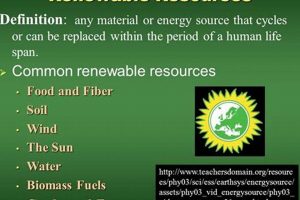
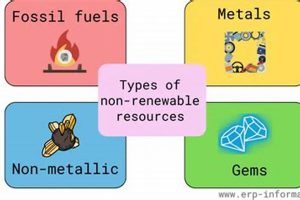
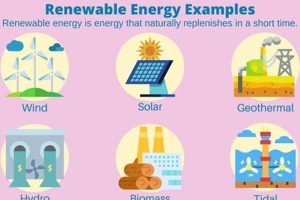
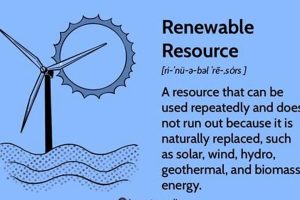
Harnessing power from sources that naturally replenish offers a sustainable alternative to finite fossil fuels. Examples of these sources include sunlight, wind, water, and geothermal heat. These energy sources are continuously available or can be replenished within a human lifespan.
The adoption of these resources is driven by numerous advantages. Diminished greenhouse gas emissions mitigate climate change, while reduced air and water pollution safeguard public health and ecosystems. Utilizing domestically available resources enhances energy security and reduces reliance on volatile global markets. Furthermore, developing and deploying relevant technologies fosters economic growth and job creation in emerging sectors.
The following discussion will delve into the specific environmental, economic, and social benefits derived from widespread utilization of these energy alternatives, highlighting their crucial role in a sustainable future.
Maximizing the Benefits of Renewable Energy Integration
The transition to reliance on sustainable energy sources requires strategic planning and informed decision-making. The following provides key considerations for optimizing the integration of these power alternatives.
Tip 1: Diversify Energy Portfolio: Reduce dependence on a single renewable source by integrating a mix of solar, wind, hydro, and geothermal. Geographic diversity also reduces vulnerability to localized weather events or resource fluctuations.
Tip 2: Invest in Energy Storage: Implement battery storage systems or pumped hydro to address the intermittent nature of some renewable sources, ensuring a consistent power supply even when the sun isn’t shining or the wind isn’t blowing.
Tip 3: Modernize Grid Infrastructure: Upgrade existing power grids to accommodate the bidirectional flow of electricity from distributed renewable generation sources. This includes implementing smart grid technologies for efficient management and real-time monitoring.
Tip 4: Incentivize Adoption through Policy: Governments can encourage widespread adoption via tax credits, feed-in tariffs, and renewable portfolio standards. Clear and consistent policies provide long-term stability and attract private investment.
Tip 5: Promote Energy Efficiency: Reduce overall energy demand through building codes, appliance standards, and public awareness campaigns. Lowering demand minimizes the strain on all energy sources and reduces the need for rapid expansion of renewable infrastructure.
Tip 6: Support Research and Development: Invest in technological advancements to improve the efficiency, reliability, and cost-effectiveness of renewable energy technologies. This includes exploring new materials, designs, and grid integration techniques.
Tip 7: Conduct Thorough Environmental Impact Assessments: While generally beneficial, renewable energy projects can have localized environmental impacts. Conduct thorough assessments to minimize any potential negative effects on wildlife, habitats, and water resources.
Implementing these strategies will enhance the effectiveness and sustainability of transitioning to renewable energy, maximizing the advantages for both the environment and the economy.
The subsequent section will offer a broader perspective on the future of energy and its implications for global sustainability.
1. Sustainability

The concept of sustainability is intrinsically linked to the significance of renewable energy resources. Sustainability, in this context, refers to the capacity to meet the energy needs of the present without compromising the ability of future generations to meet their own needs. Renewable energy resources directly address this principle, offering a path toward long-term ecological and societal well-being.
- Resource Depletion Mitigation
Fossil fuels are finite resources, subject to depletion over time. Reliance on these resources leads to eventual scarcity and price volatility. Renewable sources, by definition, are naturally replenished, ensuring a continuous supply of energy indefinitely. Wind, solar, and hydro power, for instance, harness readily available natural phenomena, reducing dependence on depleting reserves and fostering energy independence.
- Environmental Impact Reduction
The extraction, processing, and combustion of fossil fuels generate significant environmental consequences. Air and water pollution, habitat destruction, and greenhouse gas emissions contribute to climate change and ecological degradation. Renewable energy technologies, such as solar panels and wind turbines, produce minimal emissions during operation and have a significantly smaller environmental footprint over their lifecycle compared to fossil fuel power plants.
- Climate Change Resilience
Climate change poses a growing threat to global stability and security. Rising temperatures, extreme weather events, and sea-level rise disrupt ecosystems, displace populations, and threaten infrastructure. Shifting to renewable energy sources is critical for mitigating climate change by reducing greenhouse gas emissions and transitioning to a low-carbon economy. Renewable energy contributes to a more resilient energy system, less vulnerable to the impacts of a changing climate.
- Long-Term Economic Viability
While initial investment costs for renewable energy infrastructure may be higher than traditional fossil fuel plants, the long-term operational costs are often lower due to the absence of fuel expenses. Moreover, renewable energy development stimulates economic growth by creating jobs in manufacturing, installation, maintenance, and research sectors. Investment in renewables promotes a more sustainable and diversified economy, less susceptible to fluctuations in global fossil fuel prices.
These facets of sustainability highlight the crucial role of renewable energy resources in securing a prosperous and environmentally sound future. By mitigating resource depletion, reducing environmental impacts, building climate resilience, and fostering long-term economic viability, renewable energy offers a pathway toward a more sustainable and equitable world for present and future generations.
2. Environmental Protection

Environmental protection is fundamentally linked to the imperative for renewable energy resources. The detrimental effects of fossil fuel extraction, processing, and combustion on the environment are well-documented, ranging from localized pollution to global climate change. Renewable energy sources offer a viable alternative, mitigating these adverse impacts through reduced emissions, minimized resource extraction, and enhanced ecological preservation. This shift is not merely a preference, but a necessity to maintain the health of ecosystems and ensure a habitable planet.
The connection between environmental preservation and renewable energy is evident across multiple domains. Solar energy, for example, generates electricity without emitting greenhouse gases, thereby reducing contributions to climate change. Similarly, wind power harnesses kinetic energy from the atmosphere with minimal disruption to air quality. Geothermal energy taps into the Earth’s internal heat, providing a consistent energy source with a relatively small surface footprint compared to fossil fuel infrastructure. Each renewable option minimizes the negative effects associated with conventional energy production, resulting in tangible improvements in air and water quality.
The practical significance of comprehending this relationship extends to policy decisions, technological development, and individual choices. Governments can implement policies promoting renewable energy adoption, encouraging investment in clean energy technologies, and establishing standards for reduced emissions. The integration of renewable energy sources into existing power grids, combined with advancements in energy storage, strengthens the reliability and resilience of energy systems. The convergence of these practices constitutes a collective commitment to a more sustainable future.
3. Energy Security

Energy security, defined as the uninterrupted availability of energy sources at an affordable price, is a critical concern for nations worldwide. The transition to renewable energy resources is intrinsically linked to enhancing energy security, offering a pathway to reduce dependence on volatile global markets and safeguard national energy interests.
- Reduced Reliance on Imported Fuels
Many nations depend heavily on imported fossil fuels, exposing them to price fluctuations, supply disruptions, and geopolitical instability. Renewable energy resources, derived from domestically available sources such as sunlight, wind, and geothermal heat, diminish the need for imports. For instance, a country with abundant solar resources can invest in solar energy infrastructure, lessening its reliance on foreign oil and gas and insulating its economy from external shocks.
- Diversified Energy Supply
Concentrating energy production on a limited number of sources increases vulnerability to disruptions caused by natural disasters, infrastructure failures, or political instability. Renewable energy resources enable a more diversified energy portfolio, spreading risk across multiple sources and reducing the impact of disruptions to any single source. A combination of wind, solar, hydro, and geothermal energy sources provides a resilient and reliable energy supply, even if one source experiences temporary setbacks.
- Decentralized Energy Generation
Traditional energy systems rely on centralized power plants and long-distance transmission lines, making them susceptible to widespread outages caused by grid failures or cyberattacks. Renewable energy resources facilitate decentralized energy generation, with distributed solar panels, wind turbines, and microgrids located closer to end-users. Decentralization enhances resilience by reducing dependence on centralized infrastructure and empowering local communities to generate their own power.
- Protection Against Price Volatility
Fossil fuel prices are subject to significant fluctuations due to geopolitical events, supply constraints, and market speculation. Renewable energy resources, once deployed, have relatively stable operating costs, as they are not subject to the same price volatility as fossil fuels. Investing in renewable energy provides a hedge against future price increases, stabilizing energy costs for consumers and businesses and fostering long-term economic predictability.
The facets of reduced import reliance, diversified supply, decentralized generation, and price stability underscore the vital role of renewable energy in achieving energy security. By harnessing indigenous resources and diversifying energy portfolios, nations can enhance their resilience, protect their economies, and secure a sustainable energy future. The strategic deployment of renewable energy technologies is a critical step towards achieving greater energy independence and mitigating the risks associated with dependence on traditional fossil fuels.
4. Economic Growth

The integration of renewable energy resources is not solely an environmental imperative; it also presents substantial opportunities for economic expansion. Investments in renewable energy infrastructure, technological innovation, and related industries catalyze economic growth, creating jobs, stimulating technological advancements, and fostering new markets.
- Job Creation in Emerging Sectors
The development, manufacturing, installation, and maintenance of renewable energy technologies generate significant employment opportunities. Solar panel installation, wind turbine manufacturing, and biofuel production are examples of industries experiencing rapid growth, offering diverse job roles ranging from skilled labor to engineering and management positions. These jobs often contribute to local economies, particularly in rural areas where renewable energy projects are frequently located. For example, wind farms in the American Midwest have revitalized agricultural communities by providing new income streams and employment options, diversifying local economies beyond traditional farming.
- Technological Innovation and Export Opportunities
The pursuit of more efficient and cost-effective renewable energy technologies drives innovation across various scientific and engineering disciplines. Research and development in areas such as energy storage, smart grids, and advanced materials creates new intellectual property and fosters technological leadership. Countries that invest in renewable energy innovation can become exporters of these technologies, gaining a competitive edge in the global market. Germany’s success in exporting solar energy technology, for instance, demonstrates how investment in renewable energy research can lead to significant economic gains through international trade.
- Reduced Energy Costs and Increased Competitiveness
As renewable energy technologies mature and become more cost-competitive with fossil fuels, they can reduce energy costs for businesses and consumers. Lower energy prices enhance the competitiveness of domestic industries, making them more attractive to investors and consumers. For example, companies located in regions with abundant and affordable renewable energy resources may have a competitive advantage over those relying on more expensive fossil fuels, attracting new investments and stimulating local economies.
- Rural Economic Development
Renewable energy projects are often located in rural areas with abundant renewable resources, such as wind, solar, and biomass. These projects can provide significant economic benefits to rural communities, including increased tax revenues, land lease payments to farmers, and job creation. The development of wind farms, for instance, can revitalize rural economies by providing a new source of income for landowners and creating employment opportunities in construction, maintenance, and operations. These economic benefits can help to offset population decline and support the long-term sustainability of rural communities.
These facets underscore the integral role of renewable energy resources in stimulating economic growth. By fostering job creation, driving technological innovation, reducing energy costs, and promoting rural development, renewable energy contributes to a more sustainable and prosperous economy. The transition to renewable energy is not just an environmental imperative; it is also a strategic investment in future economic prosperity.
5. Resource Abundance
The inherent abundance of renewable energy resources constitutes a primary justification for their increasing importance. Unlike finite fossil fuels, renewable sources derive from naturally replenishing flows or stocks, ensuring long-term availability. This abundance mitigates concerns related to resource depletion, price volatility driven by scarcity, and geopolitical dependencies associated with unevenly distributed fossil fuel reserves. The ubiquity of solar irradiance, wind currents, geothermal gradients, and hydropower potential provides a diversified energy base, reducing vulnerability to localized resource constraints.
The practical significance of resource abundance is exemplified by the widespread adoption of solar photovoltaic (PV) technology. Even regions with moderate solar irradiance can generate substantial electricity using PV systems. Similarly, areas with consistent wind patterns are increasingly leveraging wind turbine technology to supply grid-scale power. Iceland’s reliance on geothermal energy showcases the potential of harnessing subsurface heat, a resource available, albeit with varying intensity, across the globe. These examples illustrate how harnessing abundant renewable resources can lead to greater energy independence and reduced reliance on external energy sources.
While the mere existence of abundant resources is not sufficient for widespread adoption, it provides a critical foundation. Successful utilization requires technological advancements to improve efficiency, energy storage solutions to address intermittency, and supportive policy frameworks to incentivize investment and deployment. The abundance of renewable resources serves as a fundamental driver, however, making the pursuit of these technologies economically viable and strategically imperative. Overcoming the challenges associated with integration will unlock the full potential of these resources, leading to a more sustainable and secure energy future.
6. Technological Advancement

Technological advancement serves as a critical enabler in realizing the full potential of renewable energy resources. Innovations across various domains are continuously improving the efficiency, reliability, and cost-effectiveness of renewable energy technologies, making them increasingly competitive with traditional fossil fuels and expanding their applicability across diverse settings.
- Improved Efficiency of Energy Conversion
Advancements in materials science and engineering have led to significant improvements in the efficiency of converting renewable resources into usable energy. Solar cell efficiency, for example, has steadily increased, allowing photovoltaic systems to generate more electricity from a given surface area. Similarly, improvements in wind turbine design and blade aerodynamics have enhanced the amount of energy captured from wind currents. These efficiency gains translate into lower costs per unit of energy produced, making renewable energy more economically viable. For instance, modern combined cycle gas turbines operate close to 60% efficiency, while the average efficiency of older coal-fired plants hovers around 33%.
- Development of Advanced Energy Storage Solutions
The intermittent nature of some renewable resources, such as solar and wind, necessitates the development of effective energy storage solutions. Technological advancements in battery technology, pumped hydro storage, and compressed air energy storage are addressing this challenge. Improved energy storage systems allow excess energy generated during peak production periods to be stored and released when demand is high, ensuring a consistent and reliable power supply. The deployment of large-scale battery storage systems alongside solar farms in California, for example, helps to smooth out the variability of solar power and provide grid stability.
- Smart Grid Technologies for Enhanced Grid Management
The integration of renewable energy resources into existing power grids requires sophisticated grid management technologies. Smart grids, incorporating advanced sensors, communication networks, and control systems, enable real-time monitoring, optimization, and control of electricity flow. These technologies facilitate the integration of distributed renewable generation sources, enhance grid stability, and improve overall system efficiency. The implementation of smart grid infrastructure in countries like Denmark, which has a high penetration of wind power, has been instrumental in managing the variability of wind energy and ensuring grid reliability.
- Reduced Manufacturing Costs through Scalable Production
Technological advancements have also led to significant reductions in the manufacturing costs of renewable energy technologies. Automation, process optimization, and economies of scale have driven down the cost of solar panels, wind turbines, and other renewable energy components. These cost reductions make renewable energy more accessible to a wider range of consumers and businesses, accelerating the transition to a cleaner energy future. The plummeting costs of solar PV modules over the past decade, for example, have made solar energy one of the most cost-competitive forms of electricity generation in many parts of the world.
These advancements directly impact the increasing importance of renewable energy resources by enabling wider adoption, increasing reliability, and reducing costs. Continuous investment in technological innovation is critical for unlocking the full potential of renewable energy and achieving a sustainable energy future. Further research into advanced materials, energy storage solutions, and grid management technologies will further accelerate the transition to a cleaner, more resilient, and economically viable energy system.
Frequently Asked Questions
This section addresses common inquiries concerning the significance of renewable energy resources, providing factual and concise responses.
Question 1: Why is the transition to renewable energy considered essential?
The transition is essential due to the finite nature of fossil fuels and the environmental consequences associated with their extraction and combustion. Renewable sources offer a sustainable alternative.
Question 2: How do renewable energy resources contribute to energy security?
Renewable sources enhance energy security by reducing reliance on imported fuels and diversifying energy supplies, thereby mitigating geopolitical risks.
Question 3: What role does renewable energy play in mitigating climate change?
Renewable energy significantly reduces greenhouse gas emissions, a primary driver of climate change, offering a pathway to a low-carbon economy.
Question 4: Are renewable energy resources economically viable compared to fossil fuels?
Technological advancements and economies of scale are steadily improving the cost-competitiveness of renewable energy, making it increasingly viable and, in some cases, cheaper than fossil fuels.
Question 5: What are the primary challenges associated with integrating renewable energy into existing power grids?
Challenges include intermittency of some sources, the need for grid modernization to accommodate distributed generation, and the development of effective energy storage solutions.
Question 6: Do renewable energy projects have any environmental impacts?
While generally beneficial, renewable energy projects can have localized environmental impacts, such as land use changes or effects on wildlife. Careful planning and environmental assessments are essential to minimize negative impacts.
Renewable energy resources represent a crucial component of a sustainable future, offering solutions to environmental challenges, enhancing energy security, and fostering economic growth. Understanding their importance is paramount for informed decision-making and effective policy implementation.
The subsequent section will explore the long-term outlook for renewable energy and its potential impact on global sustainability.
Why Renewable Energy Resources Are Important
This exploration has illuminated the multifaceted significance of renewable energy resources. The environmental advantages, including reduced emissions and resource preservation, are complemented by enhanced energy security through diversified supply and decreased reliance on volatile global markets. Furthermore, economic growth is stimulated by job creation and technological innovation within the renewable energy sector. Resource abundance and ongoing technological advancements underscore the long-term viability and increasing cost-effectiveness of these alternatives.
The sustained and conscientious deployment of renewable energy technologies represents a critical imperative for ensuring a stable and sustainable future. Continued investment in research, development, and supportive policy frameworks will be essential to fully realize the transformative potential of these resources and mitigate the long-term risks associated with continued reliance on finite and environmentally damaging fossil fuels. The future depends on a decisive shift toward renewable energy as a cornerstone of global energy strategy.
![Guide to What Energy Resources Are Renewable [+Future] | Renewable Energy Solutions for a Sustainable Future | Clean & Green Power](https://pplrenewableenergy.com/wp-content/uploads/2026/03/th-516-300x200.jpg "Guide to What Energy Resources Are Renewable [+Future] Renewable Energy Solutions for a Sustainable Future | Clean & Green Power")