Determining the optimal method for harnessing naturally replenishing power presents a complex challenge. Evaluating various options involves considering factors such as energy output, environmental impact, cost-effectiveness, and geographic suitability. Each technology exhibits unique strengths and weaknesses in these key areas.
The widespread adoption of sustainable energy solutions is crucial for mitigating climate change, reducing reliance on finite resources, and fostering energy independence. Historically, reliance on fossil fuels has led to significant environmental degradation and geopolitical instability. Shifting towards cleaner alternatives addresses these concerns while creating new economic opportunities.
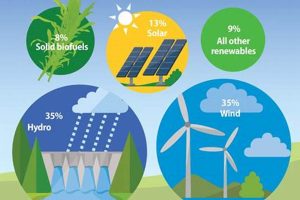
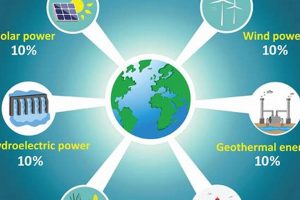
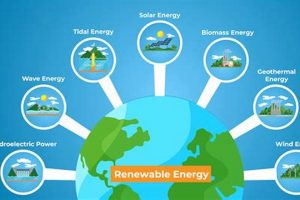
This analysis will examine the merits and drawbacks of solar, wind, hydro, geothermal, and biomass energy, providing a comparative overview to illuminate the diverse landscape of renewable energy technologies and inform decision-making regarding energy infrastructure development.
Guidance for Evaluating Renewable Energy Options
Selecting the most appropriate renewable energy resource requires careful assessment of multiple factors and trade-offs. A holistic approach, considering technical feasibility, economic viability, and environmental stewardship, is paramount.
Tip 1: Conduct a thorough resource assessment. Accurate data on solar irradiance, wind speeds, water availability, geothermal gradients, or biomass potential is crucial. Local conditions significantly impact energy output and system performance.
Tip 2: Analyze lifecycle costs. Beyond initial capital expenditures, consider operational expenses, maintenance requirements, and decommissioning costs. A comprehensive economic model reveals the long-term financial implications.
Tip 3: Evaluate environmental impact rigorously. Assess the potential for habitat disruption, water usage, land use changes, and emissions during construction and operation. Minimize negative consequences through thoughtful planning and mitigation strategies.
Tip 4: Consider grid integration challenges. Intermittency of solar and wind power requires robust grid infrastructure, energy storage solutions, or demand-side management techniques to ensure reliable electricity supply.
Tip 5: Assess social and community impacts. Engage with local stakeholders to address concerns related to noise pollution, visual aesthetics, or potential economic disruptions. Fair compensation and community benefits are essential.
Tip 6: Stay informed about technological advancements. Renewable energy technologies are rapidly evolving. Continuously monitor emerging innovations to identify opportunities for improved efficiency, cost reduction, and environmental performance.
Tip 7: Understand policy and regulatory frameworks. Government incentives, regulations, and permitting processes influence the economic viability and deployment timeline of renewable energy projects. Navigating the policy landscape effectively is crucial.
Optimizing renewable energy selection involves a systematic and data-driven approach. Addressing technical, economic, environmental, and social considerations maximizes the benefits of sustainable energy development.
The subsequent sections will delve into specific considerations for different renewable energy resources, providing a more detailed understanding of the factors influencing project feasibility and success.
1. Resource Availability

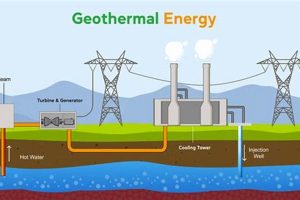
Resource availability serves as a fundamental determinant when evaluating energy options. The inherent geographical distribution of renewable resources directly impacts the feasibility and effectiveness of various technologies. Solar energy, for example, flourishes in regions with high solar irradiance, measured as kilowatt-hours per square meter per day. Areas with frequent cloud cover or shorter daylight hours experience reduced energy generation, impacting project economics. Similarly, wind energy projects necessitate consistent wind speeds exceeding a certain threshold to ensure adequate power output, rendering some locations unsuitable despite potential benefits. Geothermal energy, tied to specific geological formations, is constrained by geographic location. Without sufficient quantities of the relevant renewable resource, technologies dependent on that resource are simply not an option.
The impact of resource availability is evident in project planning and energy policy. Countries like Germany, despite limited sunshine compared to equatorial regions, have invested heavily in solar photovoltaic installations, showcasing the potential with appropriate technology and incentives, while acknowledging a lower capacity factor than sunnier locales. Conversely, Iceland’s abundant geothermal resources power a significant portion of its energy needs, demonstrating the direct link between resource wealth and energy independence. Hydroelectric projects are also inherently site-dependent, requiring suitable river systems with adequate flow rates and topographic features for dam construction. Misjudging resource availability can lead to significant financial losses and project failure, such as ill-conceived wind farms in areas with inconsistent wind patterns.
In summary, resource availability establishes the foundational viability of renewable energy projects. A detailed and accurate assessment of resource potential, incorporating long-term trends and seasonal variations, is paramount. Understanding the limitations and opportunities presented by resource endowments is critical for optimizing energy planning and fostering sustainable development.
2. Technological Maturity

Technological maturity significantly influences the selection of optimal renewable energy sources. Established technologies, such as hydropower and certain wind turbine designs, boast a long operational history, refined manufacturing processes, and readily available maintenance infrastructure. This translates to lower perceived risk for investors and greater reliability in energy generation. Conversely, nascent technologies, like advanced geothermal systems or wave energy converters, face challenges associated with unproven performance, higher initial costs due to limited economies of scale, and a scarcity of specialized expertise. The level of technological readiness directly impacts the financial viability and widespread adoption of different renewable energy options. For instance, solar photovoltaic (PV) technology, having undergone significant advancements in efficiency and cost reduction over the past two decades, represents a mature and widely deployed renewable energy solution. The relative ease of installation, coupled with decreasing module prices, has fueled exponential growth in solar PV capacity globally.
The ongoing development of energy storage technologies, such as advanced battery systems and pumped hydro storage, addresses a critical limitation of intermittent renewable sources like solar and wind. Increased storage capacity enhances grid stability and allows for greater penetration of these variable resources. However, the technological maturity of energy storage remains a key factor. While lithium-ion batteries have become increasingly prevalent, their cost and lifespan remain challenges for large-scale deployment. Alternative storage technologies, such as flow batteries and compressed air energy storage, are in earlier stages of development, offering the potential for improved cost and performance but requiring further validation. Government support, research funding, and pilot projects play a crucial role in accelerating the technological maturation of promising renewable energy technologies. Investment in research and development leads to improved efficiency, reduced costs, and enhanced reliability, ultimately making these technologies more competitive with conventional energy sources.
In summary, technological maturity exerts a profound influence on the practicality and economic viability of renewable energy options. While established technologies offer lower risk and greater certainty, ongoing advancements in emerging technologies hold the potential to revolutionize the energy landscape. A balanced approach, considering both mature and developing technologies, is essential for achieving a sustainable energy future. Addressing challenges related to cost, reliability, and scalability through targeted research and development efforts is critical for unlocking the full potential of renewable energy resources.
3. Economic Viability

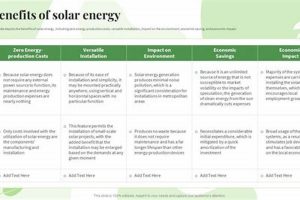
Economic viability serves as a critical determinant in assessing the relative merits of different renewable energy sources. The ultimate selection hinges not only on resource availability and technological readiness but also on the capacity to generate power at a competitive cost relative to established energy markets. Factors such as initial capital investment, ongoing operational expenses, and projected energy output over the lifespan of the installation contribute to the overall economic equation. Projects exhibiting high initial costs or excessive maintenance burdens may prove economically unsustainable despite abundant renewable resources. The Levelized Cost of Energy (LCOE), a metric representing the total cost of an energy project divided by the total energy produced over its lifetime, provides a standardized basis for comparing economic competitiveness across various renewable energy technologies and conventional power sources. For instance, solar photovoltaic (PV) installations have experienced substantial cost reductions in recent years, resulting in LCOEs that are increasingly competitive with fossil fuel-based power plants, particularly in regions with high solar irradiance. This enhanced economic viability has driven significant growth in solar energy deployment worldwide.
Government policies, including tax incentives, subsidies, and feed-in tariffs, play a crucial role in shaping the economic landscape for renewable energy. These policies can effectively reduce the perceived risk for investors and accelerate the deployment of renewable energy technologies by providing financial support and guaranteeing a stable revenue stream. For example, feed-in tariffs, which guarantee a fixed price for electricity generated from renewable sources, have proven successful in stimulating the growth of solar and wind energy in numerous countries. However, the long-term economic sustainability of renewable energy projects ultimately depends on their inherent competitiveness in the absence of government support. As renewable energy technologies mature and economies of scale are realized, their reliance on subsidies should decrease, paving the way for market-driven growth. The intermittency of certain renewable sources, such as solar and wind, also impacts economic viability by requiring investments in energy storage solutions or grid infrastructure to ensure a reliable power supply. The costs associated with these ancillary services must be factored into the overall economic assessment.
In summary, economic viability is paramount in determining the optimal mix of renewable energy sources. While technological advancements and policy support contribute to cost reductions and enhanced competitiveness, long-term sustainability hinges on the capacity of renewable energy technologies to deliver affordable and reliable power to consumers. A comprehensive economic analysis, incorporating all relevant costs and benefits, is essential for making informed decisions about energy investments and for fostering a sustainable and economically viable energy future. Challenges related to intermittency and grid integration must be addressed to ensure that renewable energy can compete effectively with conventional power sources in the long term.
4. Environmental Impact

Environmental consequences are paramount when evaluating energy sources, including renewable alternatives. While often viewed as inherently benign, each renewable technology carries distinct environmental implications that warrant careful scrutiny. The optimal choice minimizes ecological disruption throughout its lifecycle, from resource extraction to decommissioning.
- Land Use Requirements
Solar and wind energy projects, particularly large-scale installations, demand extensive land areas, potentially displacing habitats and altering landscapes. Solar farms may require clearing vegetation and grading terrain, while wind turbines can disrupt avian migration patterns and fragment ecosystems. Hydropower reservoirs inundate vast stretches of land, altering riverine ecosystems and displacing human populations. The comparative land footprint of different renewable technologies is a critical factor in assessing their overall environmental impact.
- Material Extraction and Manufacturing
The production of renewable energy technologies necessitates the extraction of raw materials, such as rare earth elements for wind turbine magnets and silicon for solar panels. Mining activities can result in habitat destruction, water pollution, and greenhouse gas emissions. The manufacturing processes involved in producing these components also contribute to environmental impacts through energy consumption and waste generation. A comprehensive life-cycle assessment is essential to quantify the environmental burden associated with the production phase of renewable energy technologies.
- Water Usage
Hydropower projects fundamentally alter river flow regimes, affecting downstream ecosystems and water availability for other uses. Concentrated solar power plants with thermal storage require substantial water for cooling, potentially straining water resources in arid regions. Biomass energy production can also be water-intensive, particularly if dedicated energy crops are cultivated. Sustainable water management practices are crucial for mitigating the environmental impacts of water-dependent renewable energy technologies.
- Waste Management and Decommissioning
The eventual decommissioning of renewable energy facilities poses waste management challenges. Solar panels contain hazardous materials that require specialized recycling processes, while wind turbine blades, composed of composite materials, present difficulties in disposal. Hydropower dams can accumulate sediment, reducing their storage capacity and potentially requiring costly removal. Proper planning for waste management and decommissioning is essential to minimize the long-term environmental liabilities associated with renewable energy technologies.
A comprehensive evaluation of environmental impact is crucial for selecting the most sustainable renewable energy options. Consideration of land use, material extraction, water usage, and waste management practices provides a holistic understanding of the ecological consequences associated with different technologies. Minimizing environmental disruption across the entire lifecycle is essential for achieving a truly sustainable energy future.
5. Scalability Potential

Scalability potential acts as a crucial factor when assessing renewable energy sources. The ability to expand energy production efficiently and cost-effectively to meet growing demand directly influences its overall viability.
- Geographic Constraints
Certain renewable technologies are limited by geographic constraints. Hydropower relies on specific river systems and topography, restricting its expansion to suitable locations. Geothermal energy depends on accessible geothermal resources, limiting its geographic distribution. Scalability is hindered when resource availability is geographically localized, making widespread deployment challenging.
- Technological Adaptability
Scalability often depends on the adaptability of technology to various environments and energy demands. Solar photovoltaic (PV) systems can be deployed on rooftops, in large-scale solar farms, and integrated into building materials, showcasing high adaptability. Wind energy, however, requires open spaces and may face limitations in densely populated areas. The more adaptable a technology, the greater its scalability potential.
- Investment and Infrastructure Requirements
The scale of investment and infrastructure required for expansion significantly impacts scalability. Solar and wind projects generally have lower initial investment costs compared to nuclear power plants or large hydropower dams, facilitating quicker deployment. However, grid infrastructure upgrades and energy storage solutions are often necessary to accommodate increased renewable energy capacity, adding to the overall investment burden. The ease of securing investment and developing supporting infrastructure determines scalability.
- Resource Depletion and Environmental Limits
The scalability of certain renewable resources is bounded by depletion rates and environmental considerations. Biomass energy, for example, is constrained by the sustainable harvesting of biomass feedstocks and the potential for deforestation or land degradation. Hydropower projects can alter river ecosystems and displace communities. Scalability must be balanced with sustainable resource management and the avoidance of negative environmental consequences.
Scalability potential directly impacts the effectiveness of various renewable energy sources to meet future energy demands. Technologies that exhibit high adaptability, require lower investment, and operate within sustainable resource limits demonstrate greater potential for widespread deployment and significant contributions to a sustainable energy future.
6. Grid Integration

The successful integration of renewable energy sources into existing electrical grids represents a pivotal consideration in determining optimal energy strategies. Grid integration capabilities directly impact the reliability, stability, and overall economic viability of incorporating renewable energy technologies. The complexity of integrating intermittent sources like solar and wind power necessitates advanced grid management techniques and infrastructure upgrades.
- Intermittency Management
Renewable energy sources such as solar and wind are inherently intermittent, their output fluctuating based on weather conditions. This intermittency poses challenges for grid operators, who must maintain a constant balance between electricity supply and demand. Advanced forecasting tools, coupled with flexible generation resources and energy storage solutions, are essential for managing intermittency and ensuring grid stability. The capacity to effectively manage intermittency is a critical factor in determining how successfully a specific renewable energy source can be integrated into the grid.
- Grid Stability and Reliability
Large-scale integration of renewable energy sources can impact grid stability and reliability, particularly in systems not designed to handle fluctuating power inputs. Voltage and frequency variations can occur, potentially leading to equipment damage or system outages. Advanced grid control technologies, such as smart inverters and dynamic reactive power compensation, are necessary to maintain grid stability and reliability under high penetration scenarios. The ability of a renewable energy technology to support grid stability directly influences its feasibility for large-scale deployment.
- Infrastructure Upgrades and Expansion
Integrating renewable energy sources often necessitates significant investments in grid infrastructure upgrades and expansion. Transmission lines must be reinforced to transport electricity from remote renewable energy generation sites to load centers. Distribution networks may require upgrades to accommodate distributed generation from rooftop solar panels. These infrastructure investments represent a substantial cost component of renewable energy integration and must be carefully considered when evaluating the economic viability of different renewable energy options.
- Energy Storage Solutions
Energy storage technologies, such as batteries and pumped hydro storage, play a crucial role in facilitating grid integration of intermittent renewable energy sources. Storage systems can absorb excess energy generated during periods of high renewable output and release it during periods of low output, smoothing out fluctuations and enhancing grid stability. The availability and cost-effectiveness of energy storage solutions directly impact the feasibility of integrating large amounts of intermittent renewable energy into the grid. As storage technologies continue to improve, their role in enabling renewable energy integration will become even more critical.
The successful integration of renewable energy sources into the grid is not solely a technical challenge, but also requires careful planning, policy support, and regulatory frameworks. Streamlined permitting processes, standardized interconnection agreements, and supportive pricing mechanisms are essential for fostering renewable energy deployment and facilitating grid integration. The interplay between technological solutions, policy frameworks, and economic incentives ultimately determines the effectiveness and efficiency of integrating renewable energy sources into existing electrical grids.
Frequently Asked Questions
The following section addresses common inquiries regarding the selection of the most suitable renewable energy source for a given application, clarifying key considerations and dispelling misconceptions.
Question 1: Is there a single “best” renewable energy source for all situations?
No singular renewable energy source universally excels across all contexts. The optimal choice depends on site-specific resource availability, economic feasibility, technological maturity, environmental considerations, and grid integration capabilities. A comprehensive assessment considering these factors is essential.
Question 2: How does intermittency impact the viability of solar and wind energy?
Intermittency, the fluctuating nature of solar and wind resources, necessitates advanced grid management strategies, including accurate forecasting, flexible generation resources, and energy storage solutions. These strategies mitigate the challenges posed by variable energy production and ensure grid stability.
Question 3: What are the primary environmental concerns associated with hydropower?
Hydropower projects can significantly alter river ecosystems, inundate large land areas, displace human populations, and impact water quality. Careful environmental impact assessments and mitigation measures are crucial to minimizing these negative consequences.
Question 4: How does the Levelized Cost of Energy (LCOE) inform renewable energy investment decisions?
The LCOE provides a standardized metric for comparing the economic competitiveness of different energy technologies, accounting for initial capital costs, operating expenses, and projected energy output. Lower LCOE values indicate greater economic viability and attractiveness for investment.
Question 5: What role do government policies play in promoting renewable energy adoption?
Government policies, such as tax incentives, subsidies, feed-in tariffs, and renewable energy mandates, can significantly influence the economic viability and deployment timeline of renewable energy projects, fostering investment and accelerating the transition to a sustainable energy future.
Question 6: How does energy storage enhance the value of renewable energy sources?
Energy storage technologies, including batteries and pumped hydro storage, address the intermittency challenges of solar and wind energy by storing excess energy generated during periods of high output and releasing it during periods of low output, thereby enhancing grid stability and increasing the reliability of renewable energy supply.
In conclusion, the selection of the most appropriate renewable energy source requires a comprehensive evaluation of various factors, including resource availability, technological maturity, economic viability, environmental impact, scalability, and grid integration capabilities. A nuanced understanding of these considerations is essential for informed decision-making and the development of sustainable energy strategies.
The subsequent section will address potential future trends and innovations within the renewable energy landscape.
Determining the Optimal Path Forward
This examination reveals that “which source of renewable energy is the best” is not a static answer. The suitability of each renewable energy technology depends on a complex interplay of factors including resource availability, technological readiness, economic viability, environmental impact, scalability, and grid integration capabilities. No single solution offers a universally superior advantage. The selection process demands a detailed assessment of specific project contexts and a comprehensive understanding of the trade-offs inherent in each technology.
Continued progress towards a sustainable energy future hinges on informed decision-making, strategic investments in technological innovation, and supportive policy frameworks. The future energy landscape will likely involve a diverse portfolio of renewable energy sources, optimized for specific geographic locations and energy demands. Pursuing innovation and promoting adaptive approaches remain critical steps toward a more resilient and sustainable energy future.