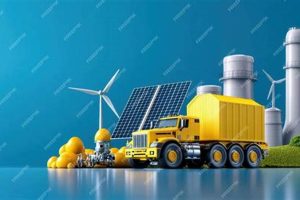
Harnessing power from natural resources like sunlight, wind, water, and geothermal heat offers a sustainable alternative to fossil fuels. Solar panels convert sunlight into electricity, while wind turbines capture kinetic energy from moving air. Hydroelectric dams utilize the potential energy of water stored at height, and geothermal plants tap into the Earth’s internal heat. These diverse technologies represent key pathways for a cleaner energy future.
The shift towards sustainable energy sources is crucial for mitigating climate change and ensuring long-term energy security. Reducing reliance on finite fossil fuels minimizes greenhouse gas emissions, a primary driver of global warming. Furthermore, renewable resources are virtually inexhaustible, offering a stable and reliable energy supply for generations to come. Historically, reliance on fossil fuels has had significant environmental and geopolitical consequences; the development and implementation of renewable energy technologies offer a path towards a more sustainable and equitable future.
Exploring the specific mechanisms and technologies involved in capturing energy from these natural sources provides a deeper understanding of the transition towards a sustainable energy landscape. This involves examining the scientific principles, engineering advancements, and economic factors that drive the growth and adoption of these vital technologies.
Tips for Transitioning to Sustainable Energy
The following tips offer practical guidance for supporting and adopting sustainable energy solutions.
Tip 1: Invest in rooftop solar panels: Homeowners and businesses can generate their own electricity by installing solar panels. This reduces reliance on the grid and lowers energy costs over time.
Tip 2: Support community solar projects: For those without suitable rooftops, community solar projects offer an alternative way to benefit from solar energy. Participants subscribe to a shared solar farm and receive credits on their electricity bills.
Tip 3: Choose energy-efficient appliances and electronics: Look for products with Energy Star certifications, which indicate they meet high efficiency standards. This reduces overall energy consumption and supports a lower carbon footprint.
Tip 4: Advocate for renewable energy policies: Contact elected officials to express support for policies that promote the development and adoption of renewable energy technologies. This includes tax incentives, renewable portfolio standards, and streamlined permitting processes.
Tip 5: Explore green power options with utility providers: Many utility companies offer green power programs that allow customers to choose electricity generated from renewable sources. This often involves a slightly higher rate but directly supports renewable energy development.
Tip 6: Reduce overall energy consumption: Simple actions like turning off lights when leaving a room, using programmable thermostats, and sealing air leaks can significantly reduce energy use and lower utility bills.
Tip 7: Consider electric vehicles: As transportation is a major source of emissions, switching to an electric vehicle powered by renewable energy can substantially reduce one’s carbon footprint.
By incorporating these practices, individuals and communities can contribute to a cleaner, more sustainable energy future, while also potentially saving money and enhancing energy independence.
These actions, when adopted collectively, can create a significant impact on the transition towards a more sustainable energy future.
1. Solar Power

Solar power represents a critical component of renewable energy acquisition. Photovoltaic (PV) cells and concentrated solar power (CSP) systems are the primary technologies utilized to convert sunlight into usable electricity. PV cells directly convert sunlight into electricity through the photovoltaic effect, while CSP systems use mirrors to concentrate sunlight, heating a fluid that drives a turbine to generate electricity. Large-scale solar farms, rooftop installations, and even integrated solar panels in building materials contribute to a diversified energy portfolio. The increasing efficiency and decreasing cost of solar technologies are driving wider adoption, demonstrating their significance in the transition to sustainable energy systems. For example, the growth of solar farms in desert regions with high solar irradiance demonstrates the potential for utility-scale solar power generation. Similarly, the increasing affordability of rooftop solar panels empowers individuals and communities to contribute to renewable energy generation.
The practical significance of understanding solar power lies in its potential to decentralize energy production, enhance energy independence, and reduce reliance on fossil fuels. Unlike centralized power plants that rely on fossil fuels, solar power can be generated at the point of consumption, reducing transmission losses and enhancing grid resilience. This distributed generation model empowers individuals and communities to become active participants in the energy transition. Furthermore, the modular nature of solar technology allows for scalable deployment, from small rooftop systems to large-scale solar farms, catering to diverse energy needs. For instance, off-grid communities can leverage solar power to gain access to electricity, while urban centers can integrate solar panels into building infrastructure to reduce their reliance on the grid. The continued development and implementation of solar technologies play a crucial role in addressing global climate change and ensuring long-term energy security.
Integrating solar power into the broader energy mix presents both opportunities and challenges. While solar energy offers a clean and sustainable alternative to fossil fuels, its intermittent nature requires effective energy storage solutions and grid management strategies. Balancing the fluctuating supply of solar power with demand requires advancements in battery technology and smart grids. Overcoming these challenges is essential for maximizing the potential of solar energy and achieving a seamless transition to a sustainable energy future. The ongoing research and development in solar technology, coupled with supportive policies and infrastructure development, will pave the way for a future powered by clean and abundant solar energy.
2. Wind Energy
Wind energy represents a significant source of renewable energy, converting the kinetic energy of wind into usable electricity. Its growing importance stems from its clean, sustainable nature and potential to contribute substantially to global energy demands. Understanding the various facets of wind energy generation is crucial for comprehending its role in a sustainable energy future.
- Turbine Technology:
Wind turbines, the primary devices used to capture wind energy, consist of large blades mounted on a tall tower. As wind passes over the blades, it causes them to rotate, driving a generator that produces electricity. Technological advancements, such as larger rotor diameters and improved blade designs, continually enhance energy capture efficiency. For example, offshore wind turbines, situated in areas with higher and more consistent wind speeds, often utilize larger rotors and more advanced technology than their onshore counterparts, leading to higher energy yields. These developments contribute directly to the increasing viability of wind energy as a significant power source.
- Resource Assessment and Siting:
Careful evaluation of wind resources is crucial for effective wind farm development. Wind speed, direction, and consistency are key factors considered when selecting suitable locations for wind turbines. Resource assessment involves analyzing meteorological data, conducting wind measurements, and utilizing computer modeling to predict energy output. Siting considerations also include environmental impacts, proximity to transmission lines, and community acceptance. For instance, offshore wind farms, while offering higher energy yields, require specialized installation vessels and subsea cables for grid connection, impacting project costs and timelines. Understanding these factors optimizes energy production and minimizes potential negative impacts.
- Grid Integration and Storage:
The intermittent nature of wind energy necessitates effective grid integration strategies. Balancing fluctuating wind power with energy demand requires sophisticated grid management systems and energy storage solutions. Advanced forecasting models, smart grids, and energy storage technologies, such as batteries and pumped hydro, play crucial roles in ensuring grid stability and reliability. For example, the integration of large-scale battery storage systems with wind farms allows for the storage of excess energy generated during periods of high wind and its subsequent release during periods of lower wind or higher demand. This contributes to a more stable and reliable energy supply.
- Environmental and Economic Impacts:
While wind energy offers substantial environmental benefits by reducing greenhouse gas emissions, careful consideration of potential impacts is essential. Environmental assessments evaluate potential effects on wildlife, bird and bat populations, and noise levels. Economic impacts include job creation in manufacturing, installation, and maintenance, as well as revenue generation for local communities. For instance, the development of offshore wind farms often involves collaborations with local fishing industries to minimize disruptions and ensure sustainable coexistence. Balancing environmental considerations with economic benefits is crucial for responsible wind energy development.
These facets of wind energy demonstrate its complex role in the broader context of renewable energy acquisition. The ongoing advancements in turbine technology, coupled with strategic resource assessment, grid integration solutions, and careful consideration of environmental and economic factors, solidify wind energy’s position as a crucial component of a sustainable energy future. As wind energy technologies continue to evolve, their contribution to global energy security and climate change mitigation will only continue to grow, highlighting the importance of ongoing research, development, and responsible implementation.
3. Hydropower
Hydropower plays a significant role in renewable energy generation by harnessing the natural flow of water to generate electricity. This process relies on the conversion of potential energy, stored in water held at elevation, into kinetic energy as it flows downstream. This kinetic energy then drives turbines connected to generators, producing electricity. The scale of hydropower projects varies significantly, from small run-of-river systems that utilize the natural flow of a river without impoundment, to large-scale reservoir systems that store vast amounts of water behind dams. The Three Gorges Dam in China, for example, exemplifies a large-scale hydropower project, while numerous smaller run-of-river systems operate worldwide, often in mountainous regions with consistent water flow. Understanding the scale and diversity of hydropower applications is crucial for assessing its contribution to renewable energy portfolios.
The practical significance of hydropower lies in its capacity to provide a reliable and dispatchable source of renewable energy. Unlike intermittent renewable sources like solar and wind, hydropower generation can be adjusted to meet fluctuating energy demands, offering grid stability. This dispatchability makes hydropower a valuable asset in balancing the intermittency of other renewable sources, ensuring a consistent and reliable energy supply. Pumped hydro storage, a further application of hydropower, utilizes surplus energy to pump water uphill, storing potential energy that can be released later to generate electricity when demand is high. This storage capacity enhances grid flexibility and reliability, further contributing to the overall value of hydropower in a sustainable energy system. For example, Switzerland relies heavily on hydropower for electricity generation, leveraging its mountainous terrain and abundant water resources to achieve a high degree of energy independence.
However, hydropower development presents environmental and social considerations that require careful evaluation. Large-scale dam construction can impact river ecosystems, affecting fish migration patterns, sediment flow, and water quality. Reservoir creation can also displace communities and alter land use patterns. Balancing the benefits of clean energy generation with potential environmental and social impacts necessitates comprehensive environmental impact assessments and stakeholder engagement. Sustainable hydropower development prioritizes minimizing environmental disruption and ensuring equitable outcomes for affected communities. The ongoing evolution of hydropower technologies, such as fish-friendly turbines and improved reservoir management practices, aims to mitigate these impacts and promote more sustainable hydropower development. Understanding these complexities is crucial for informed decision-making and responsible integration of hydropower into renewable energy strategies.
4. Geothermal Energy

Geothermal energy represents a key component of renewable energy acquisition, harnessing the Earth’s internal heat for various applications. This heat, originating from the planet’s core, manifests in accessible forms such as hot springs, geysers, and underground reservoirs of hot water and steam. Tapping into these resources provides a sustainable and reliable energy source. Geothermal power plants utilize this heat to generate electricity, while direct-use applications range from heating buildings and greenhouses to industrial processes. The Iceland Deep Drilling Project, for example, explores the potential of supercritical geothermal fluids for enhanced power generation, highlighting ongoing innovation in the field. Enhanced Geothermal Systems (EGS), another evolving technology, expands the reach of geothermal energy by accessing heat in dry rock formations, significantly increasing its potential contribution to renewable energy portfolios.
The practical significance of geothermal energy lies in its continuous availability and baseload power generation capacity. Unlike intermittent renewable sources like solar and wind, geothermal power plants can operate 24/7, providing a consistent and stable energy supply regardless of weather conditions. This reliability makes geothermal energy a valuable asset in balancing the intermittency of other renewable sources and ensuring grid stability. Furthermore, geothermal resources often exist in areas unsuitable for other renewable energy technologies, diversifying energy portfolios and enhancing energy access in diverse geographic locations. The Geysers Geothermal Field in California, the world’s largest geothermal power plant, demonstrates the significant potential of geothermal energy to contribute to regional energy demands. Direct-use applications, such as geothermal district heating systems in Reykjavik, Iceland, showcase the versatility of geothermal energy in meeting heating and cooling needs sustainably.
Despite its advantages, geothermal energy development presents specific challenges. Exploration and drilling costs can be substantial, and resource assessment requires specialized geological expertise. Furthermore, geothermal power plants can release small amounts of greenhouse gases, although significantly less than fossil fuel-based power plants. Sustainable geothermal development prioritizes minimizing environmental impacts through careful site selection, responsible drilling practices, and effective emissions management. The future of geothermal energy hinges on continued technological advancements, exploration of unconventional resources like EGS, and policy support to overcome these challenges and unlock its full potential as a key contributor to a sustainable energy future.
5. Biomass Energy

Biomass energy, derived from organic matter, represents a multifaceted approach to renewable energy generation. Its relevance stems from the utilization of readily available resources, including wood, crops, agricultural residues, and organic waste. Exploring the various facets of biomass energy reveals its potential to contribute significantly to a sustainable energy future.
- Direct Combustion:
Direct combustion, one of the simplest forms of biomass energy utilization, involves burning organic matter to produce heat. This heat can be used directly for space heating or cooking, or to generate electricity in steam turbines. Traditional wood-burning stoves and large-scale biomass power plants exemplify this approach. While a readily available technology, direct combustion raises concerns regarding air quality and greenhouse gas emissions if not managed effectively. Efficient combustion technologies and emissions control systems are crucial for minimizing environmental impacts.
- Biofuels:
Biofuels, derived from biomass through various conversion processes, offer a renewable alternative to fossil fuels in transportation. Ethanol, commonly produced from corn or sugarcane, and biodiesel, derived from vegetable oils or animal fats, are prominent examples. These biofuels can be blended with conventional gasoline or diesel, reducing reliance on fossil fuels and lowering greenhouse gas emissions. However, the sustainability of biofuels depends on factors such as feedstock production methods and land use changes, as unsustainable practices can lead to deforestation and other environmental concerns.
- Anaerobic Digestion:
Anaerobic digestion, a biological process, breaks down organic matter in the absence of oxygen, producing biogas, a mixture primarily composed of methane and carbon dioxide. Biogas can be used directly for cooking, heating, or electricity generation. This process effectively utilizes organic waste materials, such as agricultural residues and municipal solid waste, diverting them from landfills and reducing methane emissions. Anaerobic digestion contributes to waste management solutions while generating renewable energy, offering a dual benefit in terms of environmental sustainability.
- Biopower:
Biopower involves the combustion of biomass, specifically dedicated energy crops or wood residues, in specialized power plants to generate electricity. This approach provides a renewable alternative to fossil fuel-based power generation, reducing greenhouse gas emissions and promoting sustainable forestry practices. However, the sustainability of biopower depends on responsible sourcing of biomass feedstocks to prevent deforestation and ensure sustainable land management practices. Integrating biopower into existing energy grids requires careful consideration of biomass availability, transportation logistics, and potential environmental impacts.
These diverse facets of biomass energy highlight its potential to contribute significantly to a sustainable energy landscape. By utilizing readily available organic resources and employing various conversion technologies, biomass energy offers pathways for reducing reliance on fossil fuels, mitigating climate change, and promoting sustainable waste management practices. However, ensuring the sustainability of biomass energy requires careful consideration of feedstock sourcing, land use impacts, and emissions control, emphasizing the need for responsible development and implementation of these technologies. The ongoing research and development in biomass conversion technologies, coupled with sustainable resource management practices, will play a crucial role in maximizing the environmental and economic benefits of biomass energy as a key component of a diversified renewable energy portfolio.
Frequently Asked Questions about Renewable Energy
Addressing common inquiries regarding renewable energy acquisition provides clarity and fosters informed decision-making. The following questions and answers offer insights into key aspects of renewable energy technologies and their implementation.
Question 1: What are the primary types of renewable energy sources available?
The principal renewable energy sources include solar, wind, hydro, geothermal, and biomass. Each source harnesses a different naturally occurring phenomenon, from sunlight and wind to the Earth’s internal heat and organic matter.
Question 2: How does renewable energy contribute to environmental sustainability?
Renewable energy sources produce little to no greenhouse gas emissions during operation, mitigating climate change. Their utilization reduces reliance on finite fossil fuels, promoting long-term energy security and reducing air pollution.
Question 3: What are the key challenges associated with transitioning to renewable energy?
Challenges include the intermittency of some renewable sources (like solar and wind), the need for robust energy storage solutions and grid modernization, and the upfront costs associated with renewable energy infrastructure development.
Question 4: How can individuals contribute to the adoption of renewable energy?
Individuals can support renewable energy adoption by installing rooftop solar panels, participating in community solar projects, choosing energy-efficient appliances, advocating for supportive policies, and exploring green power options with utility providers.
Question 5: What is the role of government policy in promoting renewable energy development?
Government policies, such as tax incentives, renewable portfolio standards, and streamlined permitting processes, play a crucial role in incentivizing renewable energy investments, accelerating technological advancements, and creating a supportive market environment.
Question 6: What is the long-term outlook for renewable energy?
The long-term outlook for renewable energy is positive, with continued technological advancements, decreasing costs, and growing awareness of environmental and economic benefits driving its expansion as a dominant energy source globally.
Understanding these key aspects of renewable energy empowers individuals, communities, and policymakers to make informed decisions and contribute to a sustainable energy future.
Further exploration of specific renewable energy technologies and their applications provides a deeper understanding of their role in the global energy transition.
Conclusion
Acquisition of renewable energy presents a multifaceted challenge requiring diverse technological approaches and strategic implementation. Exploration of solar, wind, hydro, geothermal, and biomass energy reveals distinct advantages and challenges associated with each resource. From harnessing sunlight and wind to utilizing the Earth’s internal heat and organic matter, these pathways offer viable alternatives to finite fossil fuels. Addressing the intermittency of some renewable sources through advancements in energy storage and grid management is crucial for a seamless transition. Furthermore, careful consideration of environmental and social impacts ensures responsible development and equitable access to clean energy.
The pursuit of sustainable energy solutions signifies a global imperative to mitigate climate change and ensure long-term energy security. Continued investment in research, development, and deployment of renewable energy technologies is paramount. Embracing a diversified approach that leverages the unique strengths of each renewable resource, while addressing associated challenges, paves the way for a future powered by clean, sustainable energy. The transition necessitates collaborative efforts across sectors, encompassing technological innovation, policy support, and community engagement, to achieve a resilient and equitable energy future for all.