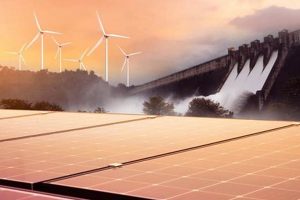
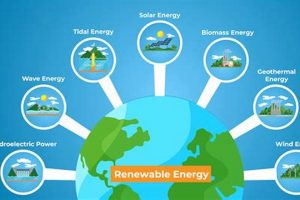
Identifying the optimal energy source for long-term sustainability requires careful consideration of various factors. This evaluation includes resource availability, technological maturity, environmental impact, and economic viability. Diverse renewable options each present unique advantages and disadvantages regarding these criteria.
Transitioning to sustainable energy systems is critical for mitigating climate change, ensuring energy security, and promoting economic development. Historically, reliance on fossil fuels has led to environmental degradation and geopolitical instability. Consequently, exploring and implementing renewable alternatives represents a vital step toward a more resilient and equitable future.
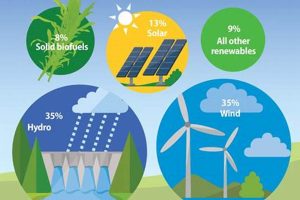
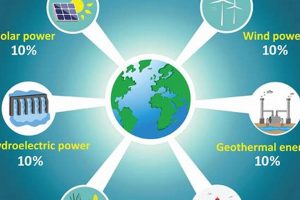
This article will explore the potential of solar, wind, hydro, geothermal, and biomass energy, examining their current state of development, limitations, and prospects for large-scale deployment. A comparative analysis will illuminate the strengths and weaknesses of each, facilitating a more informed understanding of their respective roles in meeting future energy demands.
Successfully addressing future energy requirements demands a strategic approach. Understanding the nuances of renewable energy technologies is paramount. Consider the following guidelines:
Tip 1: Prioritize Diversification. A balanced portfolio of renewable resources reduces dependence on any single technology and enhances overall system resilience. Geographic diversity in deployment further mitigates risks associated with regional resource variability.
Tip 2: Invest in Energy Storage. Intermittency is a key challenge for solar and wind power. Widespread adoption necessitates substantial investments in energy storage solutions, such as batteries, pumped hydro, and thermal storage, to ensure reliable energy supply.
Tip 3: Promote Technological Advancement. Continued research and development efforts are crucial for improving the efficiency, reducing the cost, and enhancing the environmental performance of renewable energy technologies. Focus should include advanced materials, smart grids, and innovative energy conversion methods.
Tip 4: Streamline Permitting Processes. Lengthy and complex permitting procedures can significantly impede the deployment of renewable energy projects. Governments should simplify and expedite these processes while maintaining rigorous environmental safeguards.
Tip 5: Implement Supportive Policies. Policy frameworks, including feed-in tariffs, tax incentives, and renewable energy standards, provide crucial financial and regulatory support for renewable energy development. These policies should be designed to promote competition and innovation.
Tip 6: Address Land Use Considerations. Careful planning is essential to minimize the environmental and social impacts of large-scale renewable energy projects. Land use considerations should include impacts on biodiversity, agriculture, and community well-being.
Tip 7: Enhance Grid Infrastructure. Modernizing and expanding existing grid infrastructure is critical for integrating large quantities of renewable energy. This includes upgrading transmission lines, implementing smart grid technologies, and improving grid management systems.
Adopting these strategies will optimize the transition to a sustainable energy future, minimizing environmental impact and maximizing long-term energy security. Further exploration of specific renewable energy technologies is necessary to determine optimal deployment strategies within diverse contexts.
The subsequent sections will delve into specific analyses of available renewable energy technologies.
1. Scalability

Scalability is a critical determinant in evaluating energy sources for long-term global needs. The ability to expand production and deployment to meet escalating energy demands is essential for any viable future energy solution.
- Resource Availability and Geographic Constraints
Scalability is directly limited by the abundance and accessibility of the underlying resource. Solar energy, while widely available, requires significant land area for large-scale deployment. Wind power is constrained by suitable wind regimes, often located in remote areas requiring extensive transmission infrastructure. Geothermal energy is geographically restricted to areas with accessible geothermal resources. Biomass, while renewable, competes with food production and faces sustainability challenges related to land use and deforestation.
- Technological Maturity and Manufacturing Capacity
The maturity of the technology and the capacity to manufacture components at scale influence scalability. Solar photovoltaic (PV) technology has demonstrated significant scalability due to advancements in manufacturing processes and reductions in material costs. Wind turbine technology is also relatively mature, but faces challenges related to the production of large components and supply chain constraints for rare earth elements. Emerging technologies like advanced geothermal systems and ocean energy are less mature and require further development to achieve significant scalability.
- Economic Considerations and Investment Capacity
The economic feasibility of large-scale deployment and the availability of investment capital are essential for scalability. Solar and wind energy have become increasingly cost-competitive with fossil fuels, attracting significant private investment. However, large-scale deployment requires substantial upfront capital investments in manufacturing facilities, infrastructure, and grid integration. Government policies, such as tax incentives and renewable energy mandates, play a crucial role in attracting investment and accelerating the deployment of scalable renewable energy technologies.
- Grid Integration and Transmission Infrastructure
Scalability is heavily dependent on the capacity of existing grid infrastructure to accommodate intermittent renewable energy sources. Integrating large amounts of solar and wind power requires investments in grid modernization, including smart grid technologies, energy storage solutions, and expanded transmission capacity. The development of long-distance transmission lines is essential to connect remote renewable energy resources to population centers, but faces challenges related to permitting, land use, and environmental impacts.
The scalability of a given energy source is not solely determined by its technological potential but also by a complex interplay of resource availability, manufacturing capacity, economic viability, and grid integration capabilities. Determining the optimal path forward requires a holistic assessment of these factors to identify solutions capable of meeting future energy demands sustainably and reliably.
2. Cost-effectiveness

Cost-effectiveness is a central consideration when evaluating potential energy sources for long-term implementation. The economic viability of a technology significantly influences its adoption rate and overall contribution to the future energy mix. An assessment of costs must encompass the entire lifecycle, from initial investment to decommissioning.
- Levelized Cost of Energy (LCOE)
LCOE is a primary metric for comparing the cost-effectiveness of different energy sources. It represents the average net present cost of electricity generation for a plant over its lifetime, allowing for comparisons between technologies with differing capital costs, operating costs, and lifespans. Lower LCOE values indicate greater cost-effectiveness. For example, solar and wind energy have experienced significant LCOE reductions in recent years, making them increasingly competitive with traditional fossil fuel sources. However, the LCOE does not fully account for intermittency or grid integration costs.
- Capital Expenditure (CAPEX)
CAPEX refers to the initial investment required to construct an energy generation facility. Renewable energy technologies, such as solar and wind farms, often have high upfront capital costs compared to fossil fuel plants. However, these costs are typically offset by lower operating expenses. For instance, a nuclear power plant has a very high CAPEX but relatively low fuel costs, whereas a natural gas plant has a lower CAPEX but higher fuel costs. The relative competitiveness of renewable energy sources is improving as capital costs decline due to technological advancements and economies of scale.
- Operating Expenditure (OPEX)
OPEX encompasses the ongoing costs associated with operating and maintaining an energy generation facility. Renewable energy technologies generally have lower operating expenses compared to fossil fuel plants because they do not require fuel. However, they may incur costs related to maintenance, land lease, and grid connection. Hydroelectric plants, for example, have very low operating costs but may face significant environmental mitigation expenses. The lower OPEX of many renewable technologies contributes to their long-term cost-effectiveness.
- External Costs and Social Benefits
Cost-effectiveness analyses should ideally incorporate external costs, such as the environmental and health impacts of energy generation. Traditional cost calculations often exclude these externalities, leading to an underestimation of the true cost of fossil fuels. Renewable energy sources typically have lower external costs, resulting in societal benefits such as reduced air pollution and greenhouse gas emissions. Accounting for these factors improves the economic case for renewable energy adoption. Carbon pricing mechanisms, such as carbon taxes or cap-and-trade systems, can help internalize these external costs and incentivize the transition to cleaner energy sources.
The overall cost-effectiveness of energy sources is a dynamic calculation influenced by technological advancements, policy interventions, and market conditions. As renewable energy technologies continue to mature and costs decline, they are poised to play an increasingly significant role in meeting future energy demands. A comprehensive assessment of lifecycle costs, including externalities, is essential for making informed decisions about energy investments and promoting a sustainable energy future.
3. Resource Availability

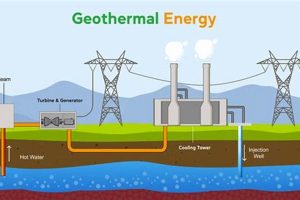
The identification of an optimal renewable energy source for long-term deployment is inextricably linked to the geographic and temporal availability of the resources required for its operation. Resource availability dictates the practical feasibility and scalability of any renewable energy technology. A geographically constrained or intermittently available resource limits the potential for widespread adoption, regardless of other beneficial characteristics such as cost or environmental impact. For example, while geothermal energy offers a consistent baseload power supply, its dependence on specific geological formations restricts its applicability to certain regions. Similarly, solar energys reliance on sunlight renders it subject to diurnal and seasonal variations, necessitating energy storage solutions or grid integration strategies to ensure reliable electricity supply.
Wind energy, while abundant in certain areas, exhibits significant variability in wind speed and direction, affecting the predictability and stability of electricity generation. Hydropower depends on consistent precipitation patterns and river flows, factors increasingly threatened by climate change-induced droughts and altered hydrological cycles. Biomass, although theoretically renewable, is constrained by land availability, competition with food production, and the sustainability of harvesting practices. The practical significance of understanding resource availability lies in the ability to strategically deploy renewable energy technologies where they are most effective and sustainable. For instance, coastal regions with high wind resources are prime candidates for offshore wind farms, while arid regions with high solar irradiance are suitable for large-scale solar photovoltaic installations.
In conclusion, resource availability forms a critical foundation for assessing the viability of renewable energy technologies. A comprehensive understanding of the spatial and temporal distribution of renewable resources, coupled with the technological capabilities to harness them efficiently, is essential for achieving a sustainable energy future. Challenges related to resource variability necessitate innovative energy storage solutions and grid infrastructure development to ensure the reliable and cost-effective delivery of renewable energy to meet future energy demands.
4. Environmental Impact

The environmental consequences associated with energy generation are pivotal in determining the optimal renewable energy sources for long-term sustainability. A comprehensive evaluation of each potential source must extend beyond immediate energy output to consider the broader ecological footprint, encompassing resource extraction, land use, emissions, and potential impacts on biodiversity.
- Land Use and Habitat Disruption
Large-scale deployment of renewable energy infrastructure, such as solar farms and wind turbine installations, can require significant land areas, potentially leading to habitat loss and fragmentation. Hydropower dams alter river ecosystems, affecting aquatic species and downstream water availability. Sustainable site selection and mitigation strategies are crucial to minimizing these impacts. For example, offshore wind farms, while requiring substantial investment, minimize land use impacts and can create artificial reefs, potentially enhancing marine biodiversity. Careful planning and environmental impact assessments are essential to balance energy production with ecological preservation.
- Greenhouse Gas Emissions and Air Quality
While renewable energy sources generally produce significantly fewer greenhouse gas emissions than fossil fuels, some technologies, such as biomass combustion, can still contribute to air pollution. The lifecycle emissions associated with manufacturing, transportation, and installation of renewable energy components must also be considered. A comparative analysis of lifecycle emissions across different renewable technologies is essential to identify the most environmentally benign options. For instance, solar photovoltaic systems typically have lower lifecycle emissions than biomass power plants, especially when accounting for deforestation and land-use change associated with biomass cultivation.
- Water Consumption and Water Quality
Certain renewable energy technologies, such as concentrating solar power (CSP) and some geothermal plants, require substantial amounts of water for cooling or steam production. This can strain water resources in arid regions, potentially exacerbating water scarcity issues. Hydropower dams alter river flow regimes, affecting downstream water quality and availability for irrigation and municipal use. Implementing water-efficient cooling technologies and promoting closed-loop systems can minimize water consumption. The environmental consequences of water usage should be carefully evaluated when selecting renewable energy technologies for specific regions. The operation of geothermal plants can potentially leach contaminants into groundwater, necessitating careful monitoring and management to mitigate these risks.
- Resource Depletion and Waste Management
The manufacturing of renewable energy components, such as solar panels and wind turbines, requires the extraction of raw materials, some of which are finite or scarce. The disposal of end-of-life components, such as solar panels containing heavy metals, poses waste management challenges. Promoting circular economy principles, such as recycling and reuse of materials, is crucial to minimizing resource depletion and waste generation. Research and development efforts should focus on developing more sustainable materials and manufacturing processes. Extended producer responsibility schemes can incentivize manufacturers to design products for recyclability and manage end-of-life waste streams effectively.
The environmental ramifications associated with energy generation necessitate a holistic and comparative evaluation of renewable sources. Mitigation strategies, technological advancements, and responsible planning are imperative to minimize ecological impacts. Ultimately, the selection of optimal energy technologies must consider the intricate interplay between energy demand, resource availability, and environmental sustainability. Further exploration of this dynamic requires a comprehensive understanding of the technological maturity of existing and emergent options.
5. Technological Maturity

Technological maturity is a critical factor in determining the suitability of a renewable energy source for widespread future deployment. It reflects the level of development, refinement, and proven reliability of a technology, influencing its cost-effectiveness, scalability, and overall risk profile. The most promising energy solutions must possess a sufficient degree of technological maturity to ensure stable and efficient operation over extended periods.
- Commercial Viability and Deployment Scale
A mature technology has typically progressed through research and development, pilot projects, and demonstration phases to reach a point where it can be commercially deployed at scale. Solar photovoltaic (PV) and wind turbine technologies exemplify mature renewable energy sources, having achieved significant cost reductions and widespread adoption in diverse geographic locations. Their demonstrated reliability and established supply chains contribute to their current dominance in the renewable energy sector. In contrast, technologies such as advanced geothermal systems or wave energy converters remain in earlier stages of development, facing challenges in achieving cost-competitiveness and demonstrating long-term operational stability.
- Operational Reliability and Performance
Technological maturity directly influences the operational reliability and performance of a renewable energy system. Mature technologies possess well-defined operating parameters, established maintenance procedures, and a track record of consistent energy output. This reduces the risk of unexpected failures and minimizes downtime, ensuring a stable and predictable energy supply. For instance, hydroelectric power, as a long-established technology, benefits from decades of operational experience, resulting in highly reliable performance and predictable energy generation. Emerging technologies, however, may exhibit greater variability in performance and higher maintenance requirements, increasing operational uncertainties.
- Standardization and Industry Best Practices
Mature technologies are typically characterized by the presence of industry standards, best practices, and established certification processes. These standards ensure consistency in design, manufacturing, and installation, promoting interoperability and reducing the risk of substandard performance. The standardization of solar panel dimensions and performance specifications, for example, simplifies integration into existing grid infrastructure and facilitates large-scale deployment. In contrast, technologies lacking established standards may face challenges in achieving widespread adoption and attracting investment due to increased uncertainty and perceived risk.
- Cost Reduction and Economies of Scale
Technological maturity often correlates with cost reduction through economies of scale, improved manufacturing processes, and increased competition. As technologies mature, production volumes increase, driving down unit costs and enhancing affordability. The dramatic decline in the cost of solar PV modules over the past decade illustrates this phenomenon. Widespread deployment further stimulates innovation and technological refinements, leading to additional cost reductions and performance improvements. Immature technologies, lacking these advantages, may remain too expensive for widespread adoption without significant government subsidies or technological breakthroughs.
The interplay between technological maturity and cost-effectiveness, operational reliability, standardization, and deployment scale significantly impacts the selection of energy solutions. While emerging technologies may offer long-term potential, emphasis should be given to proven mature options given current circumstances. A balanced approach to energy security requires a portfolio that leverages both mature and emerging renewable technologies.
6. Energy Storage

Effective energy storage solutions are inextricably linked to determining the optimal renewable energy source for long-term sustainable power generation. Intermittency, a characteristic of many promising renewable sources, necessitates robust energy storage systems to ensure consistent and reliable energy delivery, mitigating fluctuations inherent in solar, wind, and other variable sources.
- Mitigating Intermittency of Variable Renewables
Many renewable energy sources, notably solar and wind, exhibit inherent variability due to weather patterns and diurnal cycles. Energy storage systems address this intermittency by storing excess energy generated during periods of high resource availability and releasing it during periods of low resource availability. This capability enables renewable energy sources to function as baseload power providers, enhancing their grid integration potential and overall reliability.
- Enhancing Grid Stability and Reliability
Large-scale integration of variable renewable energy sources can introduce instability to the electrical grid, potentially causing voltage fluctuations and frequency deviations. Energy storage systems can provide ancillary services such as frequency regulation, voltage support, and spinning reserve, thereby improving grid stability and reducing the risk of blackouts. These services are essential for maintaining a reliable and resilient power grid capable of accommodating high penetrations of renewable energy.
- Reducing Curtailment of Renewable Energy
During periods of high renewable energy generation and low demand, excess electricity may be curtailed, meaning it is intentionally wasted to prevent overloading the grid. Energy storage systems can absorb this excess energy, preventing curtailment and maximizing the utilization of renewable resources. By storing surplus energy, these systems enable renewable energy sources to contribute more effectively to meeting peak demand and reducing reliance on fossil fuel-based power plants.
- Enabling Off-Grid and Microgrid Applications
Energy storage systems are crucial for enabling off-grid and microgrid applications, where access to the main electrical grid is limited or unavailable. In these settings, energy storage provides a buffer against the variability of renewable energy sources, ensuring a continuous and reliable power supply for remote communities, critical infrastructure, and industrial facilities. Energy storage can also facilitate the integration of multiple renewable energy sources within a microgrid, enhancing its overall resilience and sustainability.
The development and deployment of cost-effective and efficient energy storage technologies are essential for unlocking the full potential of renewable energy sources and achieving a sustainable energy future. Energy storage allows for the integration of variable sources by acting as a buffer for the grid. Without it, renewable energy source deployment is significantly limited by fluctuations in energy supply.
7. Grid Integration

Effective grid integration is a determining element in assessing the suitability of any renewable energy source for widespread future application. The ability to seamlessly and reliably integrate renewable energy into existing electrical grids dictates its practical contribution to the overall energy supply. Inadequate grid infrastructure or incompatible energy characteristics can severely limit the deployment potential of even the most sustainable and cost-effective renewable technologies. For example, large-scale implementation of intermittent sources such as solar and wind requires sophisticated grid management systems and enhanced transmission capacity to maintain grid stability and prevent disruptions. Without such integration, the full benefits of these renewable sources cannot be realized.
Conversely, renewable energy sources that can be more easily integrated into existing grids offer a distinct advantage. Geothermal and biomass power plants, for instance, can provide baseload power and contribute to grid stability due to their consistent output. Hydropower, with its ability to rapidly adjust power output, can also play a valuable role in grid stabilization. Real-world examples, such as the successful integration of wind power in Denmark and Germany, demonstrate that with proper planning and investment in grid infrastructure, high penetrations of variable renewable energy can be achieved without compromising grid reliability. The integration of distributed renewable energy generation, such as rooftop solar, presents unique challenges related to grid management and voltage regulation, but can also enhance grid resilience and reduce transmission losses.
In summary, grid integration represents a critical link in enabling renewable sources. The absence of this critical step will stymie the potential contribution of new sources to a long-term energy plan. Successfully incorporating renewable energy into existing grids demands a holistic strategy encompassing technological innovation, policy support, and infrastructure investment. Prioritizing grid integration is therefore essential in the pursuit of a sustainable and reliable energy future. The ultimate energy approach hinges on a source’s inherent capacity for streamlined assimilation into pre-existing infrastructural networks.
Frequently Asked Questions
This section addresses prevalent inquiries regarding the selection of optimal renewable energy resources for long-term application. The responses aim to provide clear, concise, and evidence-based explanations to enhance comprehension.
Question 1: What quantifiable metrics should be employed to assess the viability of diverse renewable energy sources?
Quantifiable metrics for assessing renewable energy viability include Levelized Cost of Energy (LCOE), capacity factor, energy return on investment (EROI), land use intensity (hectares/MW), water consumption (liters/kWh), and lifecycle greenhouse gas emissions (g CO2eq/kWh). These metrics facilitate a comparative evaluation of economic and environmental performance.
Question 2: How does intermittency in solar and wind power generation influence grid stability, and what are the proposed solutions?
Intermittency in solar and wind power generation introduces variability that can destabilize grid frequency and voltage. Proposed solutions include deployment of energy storage systems (batteries, pumped hydro), grid modernization through smart grids, geographic diversification of renewable energy installations, and demand-side management strategies.
Question 3: What are the primary challenges hindering the large-scale deployment of geothermal energy, despite its baseload power capabilities?
Challenges hindering geothermal energy deployment include the limited geographic availability of suitable geothermal resources, high upfront capital costs associated with drilling and infrastructure development, and potential environmental concerns related to induced seismicity and land disturbance.
Question 4: To what extent does biomass energy contribute to carbon neutrality, considering lifecycle emissions and land-use change?
The carbon neutrality of biomass energy depends on sustainable harvesting practices and lifecycle emissions accounting. Deforestation and land-use change associated with biomass cultivation can release significant carbon dioxide, offsetting any potential carbon benefits. Sustainable biomass practices, such as utilizing agricultural residues and promoting reforestation, are essential for achieving carbon neutrality.
Question 5: What are the key technological advancements anticipated to improve the efficiency and reduce the cost of energy storage systems?
Technological advancements anticipated to improve energy storage efficiency and reduce costs include the development of advanced battery chemistries (lithium-ion, solid-state, flow batteries), improved thermal energy storage materials, and enhanced pumped hydro storage designs. Furthermore, research into compressed air energy storage (CAES) and hydrogen storage systems holds significant promise.
Question 6: How do policy frameworks, such as feed-in tariffs and renewable energy standards, impact the adoption rate and competitiveness of renewable energy sources?
Policy frameworks such as feed-in tariffs (FITs) and renewable energy standards (RES) provide financial incentives and regulatory mandates that accelerate the adoption and enhance the competitiveness of renewable energy sources. FITs guarantee a fixed price for renewable energy generation, while RES require utilities to procure a certain percentage of their electricity from renewable sources. These policies create stable market conditions and attract investment in renewable energy projects.
The selection of a future renewable energy source depends on a comprehensive evaluation. The factors are lifecycle assessment, costs, scalability and performance.
The next section provides concluding thoughts to summarize key insights.
Conclusion
The determination of what is the best renewable energy source for the future demands a comprehensive assessment, considering scalability, cost-effectiveness, resource availability, environmental impact, technological maturity, energy storage requirements, and grid integration challenges. Each renewable energy technology presents distinct advantages and limitations across these parameters. A singular “best” solution does not exist; rather, an optimal strategy necessitates a diversified energy portfolio tailored to specific geographic locations, resource endowments, and societal needs. Technological advancements, policy interventions, and infrastructure investments will play a critical role in shaping the future energy landscape.
Achieving a sustainable energy future hinges on informed decision-making, responsible resource management, and a commitment to continuous innovation. Stakeholders must prioritize long-term environmental and economic considerations to guide the transition toward a cleaner, more resilient, and equitable energy system. The future hinges upon continued research, responsible implementation, and unwavering dedication to a sustainable global energy ecosystem.