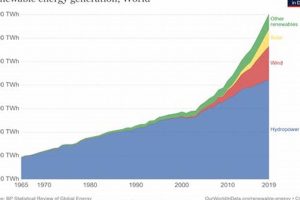
Sustainable energy sources replenished naturally over a relatively short period are commonly referred to as renewable energy. These resources include solar, wind, hydro, geothermal, and biomass. For example, sunlight constantly replenishes solar energy, while wind drives turbines to generate electricity. Unlike fossil fuels, these sources offer a continuous supply of power.
Harnessing these naturally replenishing resources offers significant advantages. Reduced reliance on finite fossil fuels mitigates the environmental impact of energy production, lessening greenhouse gas emissions and promoting cleaner air and water. The distributed nature of many renewable technologies enhances energy security and resilience, reducing dependence on centralized power sources. Historically, reliance on renewable energy was commonplace; however, the advent of readily accessible fossil fuels shifted energy production paradigms. The growing recognition of the finite nature of these resources and the environmental consequences of their use has driven a resurgence of interest in sustainable energy solutions.
This discussion lays the groundwork for exploring specific renewable energy technologies, their current applications, and their future potential. Understanding the diverse range of available technologies and their respective advantages and challenges is crucial for informed decision-making in the transition towards a more sustainable energy future.
Tips for Transitioning to Sustainable Energy Sources
Transitioning to a greater reliance on sustainable energy requires careful consideration and planning. The following tips provide guidance for individuals, communities, and businesses seeking to embrace renewable energy solutions.
Tip 1: Conduct an Energy Audit: A comprehensive energy audit assesses current energy consumption patterns, identifying areas for improvement and potential opportunities for integrating renewable energy technologies. This analysis provides a baseline for evaluating the effectiveness of implemented changes.
Tip 2: Explore Available Incentives: Numerous government and private sector incentives, including tax credits, rebates, and grants, can significantly reduce the upfront costs associated with renewable energy installations. Thorough research can reveal applicable programs and maximize financial benefits.
Tip 3: Consider Site-Specific Factors: The suitability of different renewable energy technologies varies depending on geographical location and local conditions. Factors such as solar irradiance, wind speed, and available land or rooftop space influence technology choices.
Tip 4: Evaluate Long-Term Costs and Benefits: While initial investments in renewable energy systems can be substantial, long-term cost savings through reduced energy bills and potential revenue generation through feed-in tariffs should be factored into the decision-making process.
Tip 5: Prioritize Energy Efficiency Measures: Implementing energy efficiency measures, such as improved insulation, energy-efficient appliances, and smart home technologies, reduces overall energy demand and maximizes the impact of renewable energy installations.
Tip 6: Engage with Local Communities and Experts: Connecting with local communities and renewable energy experts provides valuable insights, shared experiences, and access to local resources and support networks.
Tip 7: Support Policy Initiatives: Advocating for policies that promote renewable energy development and incentivize sustainable practices creates a favorable environment for widespread adoption and accelerates the transition to a cleaner energy future.
By implementing these strategies, individuals, businesses, and communities can effectively contribute to a more sustainable energy future, realizing both economic and environmental benefits.
These actionable steps facilitate informed choices and pave the way for a smoother transition towards a more sustainable and resilient energy landscape. The subsequent conclusion will synthesize these points and offer a perspective on the future of renewable energy.
1. Sustainable

Sustainability forms the core principle of renewable energy, representing the ability to meet present energy needs without compromising the ability of future generations to meet their own. This concept is intricately linked with renewable energy sources, which offer a pathway to long-term energy security and environmental well-being. Understanding sustainability in the context of renewable energy requires examining its multifaceted nature.
- Resource Availability:
Sustainable energy relies on resources that are naturally replenished over a relatively short timeframe. Unlike fossil fuels, which are finite and depleting, renewable resources such as solar radiation, wind, and water flows are continuously available. This continuous replenishment ensures a consistent energy supply for the foreseeable future, reducing dependence on dwindling resources and mitigating the risks associated with resource scarcity.
- Environmental Impact:
Sustainable energy technologies minimize environmental impact compared to conventional fossil fuel-based power generation. Renewable energy sources produce significantly lower greenhouse gas emissions, reducing the contribution to climate change. Furthermore, they mitigate other environmental impacts, such as air and water pollution, associated with fossil fuel extraction, processing, and combustion. For instance, solar photovoltaic systems generate electricity without emitting harmful pollutants, contributing to cleaner air and healthier communities.
- Economic Viability:
Sustainability encompasses economic viability, ensuring that renewable energy technologies are affordable and accessible. While initial investment costs can be significant, the long-term economic benefits of renewable energy are substantial. Reduced reliance on volatile fossil fuel markets enhances energy price stability. Furthermore, the distributed nature of many renewable energy technologies can stimulate local economies, creating jobs in manufacturing, installation, and maintenance.
- Social Equity:
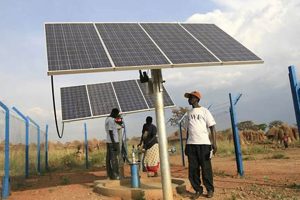
Sustainable energy promotes social equity by ensuring access to clean and affordable energy for all. Renewable energy technologies can be deployed in both urban and rural areas, providing energy access to underserved communities. This can empower communities by providing opportunities for economic development, improved healthcare, and enhanced quality of life. Off-grid solar systems, for example, can bring electricity to remote areas, improving access to education and essential services.
These facets of sustainability highlight the interconnectedness of environmental, economic, and social considerations in the transition to renewable energy. By embracing sustainable practices and investing in renewable energy technologies, societies can build a more resilient, equitable, and environmentally responsible energy future. This transition not only mitigates the risks associated with climate change and resource depletion but also unlocks opportunities for economic growth and improved well-being for present and future generations.
2. Replenishable
The defining characteristic of renewable energy sources lies in their replenishable nature. Unlike finite fossil fuels, these resources are naturally replenished over relatively short periods, ensuring a continuous supply of energy. This inherent replenishability is crucial for long-term energy security and environmental sustainability. Exploring the facets of this characteristic reveals its significance in the context of renewable energy.
- Natural Cycles:
Replenishment of renewable resources is driven by natural cycles inherent in Earth’s systems. Solar energy is constantly replenished by the sun’s radiation, while wind energy is driven by atmospheric pressure differences and temperature gradients. Hydropower relies on the water cycle, with precipitation replenishing rivers and reservoirs. These natural cycles ensure a continuous supply of energy, unlike fossil fuels formed over geological timescales.
- Timescale of Replenishment:
The timescale of replenishment is a critical factor distinguishing renewable from non-renewable resources. Renewable resources are replenished at a rate comparable to or faster than their consumption. For example, sunlight continuously replenishes solar energy, and wind regenerates kinetic energy for wind turbines. This rapid replenishment contrasts sharply with the slow formation of fossil fuels, making renewables a sustainable long-term energy source.
- Resource Management:
Sustainable management practices are essential for ensuring the continued replenishment of renewable resources. Responsible forestry practices are crucial for biomass energy, ensuring sustainable harvesting and replanting. Water resource management is critical for hydropower, balancing energy generation with ecological needs and water availability. Careful management ensures the long-term viability of these resources.
- Environmental Impact:
The replenishable nature of renewable resources significantly reduces their environmental impact compared to fossil fuels. Continuous replenishment minimizes resource depletion and avoids the environmental damage associated with extraction. Reduced greenhouse gas emissions contribute to mitigating climate change, and minimized air and water pollution promotes healthier ecosystems. The continuous cycle of replenishment contributes to a more sustainable energy future.
The replenishable nature of renewable energy sources is fundamental to their role in a sustainable energy future. This characteristic distinguishes them from finite fossil fuels, offering a pathway to long-term energy security while minimizing environmental impact. Understanding the processes and timescales of replenishment is crucial for effectively harnessing these resources and ensuring their long-term viability. This inherent replenishability underpins the transition towards a more sustainable and resilient energy landscape.
3. Environmentally Friendly

The environmental benefits of renewable energy sources are central to their growing adoption. Compared to conventional fossil fuel-based energy generation, renewables offer significant advantages in mitigating environmental impacts, contributing to a cleaner and more sustainable energy future. Examining the key environmental advantages reveals the scope of their positive impact.
- Reduced Greenhouse Gas Emissions:
Renewable energy sources produce significantly fewer greenhouse gas emissions than fossil fuels. Solar and wind power, for example, generate electricity without direct greenhouse gas emissions, mitigating the primary driver of climate change. This reduction in emissions is crucial for achieving global climate goals and mitigating the risks associated with rising global temperatures.
- Improved Air Quality:
Renewable energy technologies contribute to cleaner air by reducing air pollutants associated with fossil fuel combustion. Unlike conventional power plants, renewable energy sources do not emit sulfur oxides, nitrogen oxides, or particulate matter, which contribute to respiratory problems and other health issues. Improved air quality enhances public health and reduces healthcare costs.
- Water Conservation:
Many renewable energy technologies require significantly less water than conventional power plants. Solar and wind power, in particular, have minimal water requirements for operation, contrasting sharply with water-intensive fossil fuel and nuclear power plants. This reduced water consumption is crucial in water-stressed regions and contributes to sustainable water resource management.
- Reduced Land Degradation:
While renewable energy technologies can have land use impacts, they generally result in less land degradation than fossil fuel extraction. Solar and wind farms can often coexist with other land uses, such as agriculture or grazing. Furthermore, they avoid the extensive land disturbance associated with mining and drilling operations, preserving natural habitats and ecosystems.
These environmental advantages underscore the crucial role of renewable energy in mitigating environmental challenges and building a sustainable energy future. The transition to renewable energy sources not only addresses climate change but also contributes to cleaner air, water conservation, and reduced land degradation, enhancing overall environmental quality and promoting a healthier planet.
4. Diverse Sources
The diversity of renewable energy sources represents a significant advantage in the transition to a sustainable energy future. Unlike reliance on a single dominant energy source, as is the case with fossil fuels, renewable energy encompasses a range of technologies, each harnessing a different naturally replenished resource. This diversity enhances energy security, resilience, and adaptability to varying geographical and climatic conditions. It allows for a more decentralized and distributed energy infrastructure, reducing dependence on centralized power generation and transmission.
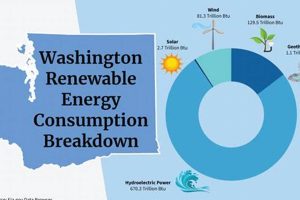
Solar energy, derived from sunlight, offers significant potential in regions with high solar irradiance. Wind energy, harnessed by wind turbines, proves effective in areas with consistent wind resources. Hydropower utilizes the energy of flowing water, particularly in regions with suitable river systems or dam infrastructure. Geothermal energy taps into the Earth’s internal heat, providing a reliable baseload power source in geothermally active areas. Biomass energy utilizes organic matter, offering a flexible and readily available resource. This diverse range of options allows for tailored solutions based on specific regional characteristics and resource availability. For example, a coastal region might prioritize wind and wave energy, while a desert region might focus on solar power. The ability to combine different renewable energy sources further enhances system resilience and reliability.
This inherent diversity within renewable energy technologies strengthens the overall energy system. It mitigates risks associated with resource limitations, price volatility, and geopolitical instability. Diversification allows for optimized energy portfolios tailored to specific regional needs and resource availability, maximizing efficiency and minimizing environmental impact. The ability to integrate diverse renewable energy sources into a cohesive energy system is key to a sustainable and resilient energy future. This distributed approach enhances energy access, reduces transmission losses, and strengthens community energy independence.
5. Energy Security
Energy security is intrinsically linked to the adoption of renewable energy sources. It represents the uninterrupted availability of energy sources at an affordable price. Transitioning to renewables enhances energy security by reducing dependence on finite and geographically concentrated fossil fuels, mitigating vulnerabilities to price volatility and supply disruptions. This shift promotes greater energy independence and resilience, strengthening national energy security and reducing reliance on global energy markets.
- Reduced Reliance on Fossil Fuel Imports:
Renewable energy sources offer a domestic energy supply, reducing reliance on imported fossil fuels. This reduces vulnerability to geopolitical instability and price fluctuations in international energy markets. For example, a nation investing heavily in solar and wind power reduces its dependence on imported oil and gas, enhancing its energy independence and mitigating potential supply disruptions due to international conflicts or political tensions.
- Decentralized Energy Production:
Renewable energy technologies facilitate decentralized energy production, distributing energy generation across numerous smaller facilities rather than relying on a few large centralized power plants. This decentralized approach enhances grid resilience, reducing vulnerability to large-scale outages caused by natural disasters or cyberattacks. Distributed solar and wind installations, for example, can continue generating power even if a central power plant is offline, enhancing local energy security.
- Diversification of Energy Sources:
Renewable energy diversifies the energy mix, reducing reliance on a single dominant energy source. This diversification enhances energy security by mitigating risks associated with resource scarcity, price volatility, or technological disruptions affecting a specific energy source. A nation utilizing a combination of solar, wind, hydro, and geothermal resources is less vulnerable to disruptions affecting any single source, enhancing overall energy system resilience.
- Technological Innovation and Economic Growth:
Investing in renewable energy technologies stimulates technological innovation and economic growth. This fosters domestic manufacturing capabilities, creating jobs and reducing reliance on foreign energy technologies. A robust domestic renewable energy industry enhances national energy security by ensuring access to essential technologies and expertise, reducing dependence on international supply chains.
These facets of energy security demonstrate the crucial role of renewable energy in building a more secure and resilient energy future. By reducing reliance on fossil fuels, decentralizing energy production, diversifying energy sources, and fostering technological innovation, the transition to renewable energy strengthens national energy independence, mitigates risks, and promotes long-term energy sustainability. This shift towards renewables not only enhances energy security but also contributes to economic growth and environmental sustainability, creating a more secure, resilient, and prosperous future.
6. Economic Benefits

Renewable energy sources offer substantial economic benefits, driving growth and creating new economic opportunities while mitigating the financial risks associated with volatile fossil fuel markets. The transition to sustainable energy systems fosters job creation, stimulates local economies, and reduces energy costs, contributing to long-term economic stability and prosperity.
Job Creation: The renewable energy sector is a significant job creator. Manufacturing, installing, maintaining, and operating renewable energy technologies require a skilled workforce. Solar and wind energy, in particular, have witnessed substantial job growth, surpassing employment in traditional fossil fuel industries. These jobs are often localized, benefiting communities directly through increased employment opportunities and tax revenue. For instance, the growth of rooftop solar installations creates jobs for installers, electricians, and maintenance personnel within local communities.
Economic Growth: Investments in renewable energy infrastructure stimulate economic growth. These investments drive demand for renewable energy technologies, creating markets for manufacturers and suppliers. The development of local supply chains further enhances economic benefits, reducing reliance on imported energy technologies and creating opportunities for domestic businesses. Furthermore, renewable energy projects often attract private investment, injecting capital into local economies and fostering innovation.
Energy Price Stability: Renewable energy sources contribute to energy price stability by reducing dependence on volatile fossil fuel markets. Unlike fossil fuels, the “fuel” for renewable energy sunlight, wind, water is essentially free. This reduces exposure to fluctuating fuel prices, providing greater price predictability and stability for consumers and businesses. This stability protects against price shocks and reduces the economic burden of energy costs, particularly for vulnerable populations.
Rural Development: Renewable energy projects can play a crucial role in rural development. Wind farms and solar installations located in rural areas generate revenue for landowners, create local jobs, and diversify rural economies. This can revitalize struggling rural communities, providing new economic opportunities and improving quality of life. For example, wind farms can lease land from farmers, providing a stable income stream and supplementing agricultural activities.
In summary, the economic benefits of renewable energy extend beyond simple cost savings. They encompass job creation, economic growth, energy price stability, and rural development. These benefits contribute to a more robust, resilient, and sustainable economy, mitigating the risks associated with fossil fuel dependence and creating a more prosperous future. While challenges remain in terms of upfront investment costs and infrastructure development, the long-term economic advantages of transitioning to renewable energy are undeniable, paving the way for a more secure and prosperous future.
Frequently Asked Questions about Renewable Energy
This section addresses common inquiries regarding renewable energy technologies, offering concise and informative responses to clarify potential uncertainties and misconceptions.
Question 1: Are renewable energy sources reliable enough to meet global energy demands?
While the intermittency of some renewable sources, like solar and wind, presents a challenge, advancements in energy storage technologies and grid management systems are enhancing their reliability. Furthermore, diversifying renewable energy portfolios and integrating different sources mitigates intermittency issues and enhances overall system stability. The increasing capacity and decreasing costs of battery storage, for example, allow for the storage of excess solar and wind energy for use during periods of lower generation.
Question 2: Are renewable energy technologies too expensive to implement on a large scale?
The costs of renewable energy technologies have decreased dramatically in recent years, making them increasingly competitive with conventional fossil fuel-based power generation. Furthermore, considering the long-term costs associated with fossil fuels, including environmental and health impacts, renewable energy often presents a more cost-effective solution over the lifecycle of a project. Government incentives and supportive policies further enhance the economic viability of renewable energy investments. Economies of scale and ongoing technological advancements continue to drive down costs, making renewable energy an increasingly affordable option.
Question 3: Do renewable energy installations require large amounts of land, impacting natural habitats and ecosystems?
The land use requirements of renewable energy technologies vary depending on the specific technology and location. While some technologies, such as solar and wind farms, can require significant land areas, they can often coexist with other land uses, such as agriculture or grazing. Furthermore, renewable energy installations avoid the extensive land degradation associated with fossil fuel extraction. Careful site selection and project planning minimize environmental impacts and maximize land use efficiency. Technological advancements, such as floating offshore wind turbines and agrivoltaics (combining solar panels with agriculture), are further reducing land use impacts.
Question 4: How do renewable energy sources contribute to job creation and economic growth?
The renewable energy sector is a significant driver of job creation and economic growth. Manufacturing, installing, maintaining, and operating renewable energy technologies create numerous employment opportunities across various skill levels. Furthermore, investments in renewable energy infrastructure stimulate economic activity, driving demand for renewable energy technologies and fostering innovation. The growth of the renewable energy sector generates new economic opportunities and contributes to a more sustainable and resilient economy.
Question 5: What role does government policy play in promoting the adoption of renewable energy?
Supportive government policies are crucial for accelerating the transition to renewable energy. Policies such as feed-in tariffs, tax incentives, renewable portfolio standards, and carbon pricing mechanisms create a favorable market environment for renewable energy investments. These policies incentivize the adoption of renewable energy technologies, stimulate market growth, and drive innovation. Consistent and long-term policy support is essential for ensuring the continued growth and success of the renewable energy sector.
Question 6: How can individuals contribute to the transition to renewable energy?
Individuals can contribute to the transition to renewable energy in various ways. Investing in rooftop solar panels or participating in community solar projects directly supports renewable energy generation. Choosing energy-efficient appliances and reducing energy consumption lowers overall energy demand. Supporting policies that promote renewable energy and advocating for sustainable practices creates a broader societal shift towards a cleaner energy future. Individual actions, combined with collective efforts, accelerate the transition to a more sustainable energy landscape.
Understanding the realities and dispelling misconceptions surrounding renewable energy empowers informed decision-making and facilitates wider adoption of these essential technologies.
The following section delves into the future of renewable energy, exploring emerging trends and potential advancements that promise to further revolutionize the energy sector.
Conclusion
Renewable energy sources, encompassing solar, wind, hydro, geothermal, and biomass, represent a critical transition away from finite fossil fuels. Their inherent sustainability, driven by naturally replenishing resources, offers a pathway to long-term energy security and environmental well-being. This exploration has highlighted the multifaceted nature of renewable energy, emphasizing its diversity, environmental benefits, economic advantages, and contribution to enhanced energy security. From reduced greenhouse gas emissions and improved air quality to job creation and economic growth, the advantages of transitioning to renewable energy are substantial and far-reaching.
The future of energy hinges on continued investment in and adoption of renewable energy technologies. Addressing challenges such as intermittency, storage capacity, and grid integration requires ongoing innovation and supportive policies. The transition to a sustainable energy future demands collective action, encompassing government initiatives, private sector investment, and individual choices. Embracing renewable energy is not merely a technological shift; it represents a fundamental shift towards a more sustainable, resilient, and prosperous future for all.