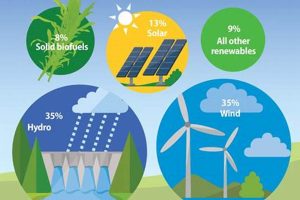
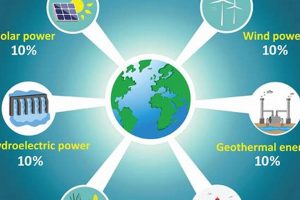
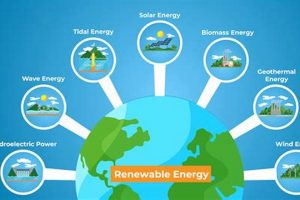
Energy resources within the United States that are naturally replenished on a human timescale, such as solar, wind, geothermal, hydropower, and biomass, offer alternatives to fossil fuels. These energy forms harness the power of natural processes to generate electricity, heat, and fuel.
The utilization of these domestic energy options presents multiple advantages. Diversifying the energy supply enhances national energy security, reducing dependence on potentially volatile global markets. Furthermore, employing these resources mitigates environmental impact by decreasing greenhouse gas emissions associated with conventional energy generation and improving air quality. Historically, the development and deployment of these technologies have been driven by concerns about resource depletion, environmental degradation, and economic opportunities.
Subsequent discussions will delve into the specific types of these sustainable power options employed across the nation, examining their current contributions to the energy mix, technological advancements, and the policy landscape shaping their future growth.
Strategies for Maximizing the Potential of Nationally Available Sustainable Energy
The following recommendations outline approaches to promote the effective adoption and integration of domestically sourced sustainable energy solutions.
Tip 1: Invest in Research and Development: Prioritize funding for innovations in energy generation, storage, and distribution technologies. Enhanced efficiency and reduced costs are crucial for widespread adoption. Example: Support grant programs for advanced solar panel materials or improved energy storage solutions.
Tip 2: Establish Clear and Consistent Policy Frameworks: Implement stable, long-term policies, such as renewable portfolio standards and tax incentives, to provide certainty for investors and encourage development. Example: Enacting multi-year tax credits for wind and solar projects.
Tip 3: Modernize the Electrical Grid Infrastructure: Upgrade the nation’s grid to accommodate the intermittent nature of certain energy generation methods and to facilitate the transmission of electricity from remote renewable resource-rich areas. Example: Investing in smart grid technologies and high-voltage transmission lines.
Tip 4: Promote Energy Efficiency Initiatives: Encourage energy conservation through building codes, appliance standards, and public awareness campaigns to reduce overall energy demand. Example: Offering rebates for energy-efficient appliances and providing incentives for home weatherization.
Tip 5: Foster Public-Private Partnerships: Encourage collaboration between government, industry, and research institutions to accelerate the deployment of domestic renewable energy solutions. Example: Supporting joint ventures for large-scale energy projects and technology development.
Tip 6: Streamline Permitting Processes: Reduce bureaucratic obstacles to project development by establishing efficient and transparent permitting procedures. Example: Implementing a coordinated permitting process for renewable energy projects on federal lands.
Tip 7: Develop Workforce Training Programs: Invest in education and training programs to prepare a skilled workforce for the renewable energy sector. Example: Supporting vocational training programs for solar panel installation and wind turbine maintenance.
These strategies, when implemented comprehensively, will drive the growth of domestically sourced sustainable energy, contributing to a more secure, environmentally responsible, and economically vibrant energy future.
The subsequent section will provide a concluding summary of the key points presented.
1. Solar Power Potential

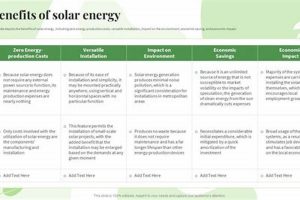
The assessment of solar power potential constitutes a critical component of understanding the overall viability of domestic renewable energy resources. The amount of solar radiation reaching a given area directly influences the electricity-generating capacity of photovoltaic (PV) systems and concentrated solar power (CSP) plants. Regions with higher solar irradiance, typically measured in kilowatt-hours per square meter per day, possess a greater capacity to produce electricity from sunlight. Consequently, strategic deployment of solar energy infrastructure requires a detailed evaluation of solar power potential across different geographical locations within the nation.
The importance of solar power potential as a renewable energy source stems from its abundance and widespread availability. Unlike fossil fuels, which are geographically concentrated and finite, sunlight is a readily available resource throughout the United States. For instance, the southwestern states, such as Arizona, California, and Nevada, exhibit exceptionally high solar power potential, making them ideal locations for large-scale solar energy projects. These projects contribute significantly to decarbonizing the electricity grid and reducing dependence on conventional energy sources. Furthermore, advancements in solar technology, such as increased panel efficiency and reduced manufacturing costs, are continually enhancing the economic viability of solar energy, making it an increasingly competitive option.
A thorough understanding of solar power potential is practically significant for policymakers, energy developers, and grid operators. It informs decisions related to energy planning, infrastructure investment, and grid integration strategies. Accurate solar resource assessments enable the optimized placement of solar facilities, maximizing electricity generation and minimizing environmental impact. Challenges remain in addressing the intermittent nature of solar power, requiring the development of energy storage solutions and sophisticated grid management techniques. However, ongoing research and technological advancements are steadily overcoming these challenges, paving the way for a future where solar energy plays an ever-increasing role in meeting the nation’s energy needs, contributing significantly to its domestic renewable energy portfolio.
2. Wind Energy Expansion

Wind energy expansion represents a pivotal element within the nation’s renewable energy portfolio. The process involves increasing the installed capacity of wind turbines and wind farms to generate electrical power. This expansion directly contributes to a greater proportion of domestic electricity being derived from sources that are naturally replenished. Consequently, augmenting wind energy generation reduces reliance on fossil fuels, decreasing greenhouse gas emissions associated with conventional power plants. Subsidies and tax incentives have historically incentivized wind energy development, leading to significant growth in states such as Texas, Iowa, and Oklahoma. The inherent variability of wind necessitates advanced forecasting and grid management solutions.
The practical significance of wind energy expansion extends beyond environmental considerations. Investing in wind energy projects stimulates economic activity in rural areas where wind resources are often abundant. The manufacturing, installation, and maintenance of wind turbines create jobs and contribute to local economies. Large-scale wind farms can provide landowners with a stable income stream through lease agreements. Furthermore, a diversified energy supply enhances national energy security by reducing dependence on imported fossil fuels and mitigating the impact of price fluctuations in global energy markets. Interconnection costs and transmission line capacity are ongoing challenges to integrating additional wind generation into the existing grid.
In summary, wind energy expansion is integral to the nation’s renewable energy goals. Its continued growth requires sustained policy support, technological advancements, and infrastructure investments. Addressing the challenges related to intermittency and grid integration is crucial for realizing the full potential of this domestic resource and transitioning towards a more sustainable energy future. Strategic wind energy development enhances energy security and promotes economic growth within local communities.
3. Hydropower Sustainability

Hydropower, a long-standing component of domestically sourced renewable energy, necessitates a focus on sustainability to ensure its continued viability as an electricity source. Balancing power generation with environmental stewardship and societal considerations is paramount.
- Ecological Impact Mitigation
Hydropower facilities can alter river ecosystems, impacting fish migration, sediment transport, and water quality. Sustainable hydropower operations prioritize mitigating these ecological impacts through measures such as fish ladders, regulated water releases, and habitat restoration projects. The effectiveness of these measures directly influences the long-term environmental acceptability of hydroelectric power as a domestic energy source.
- Water Resource Management
Hydropower facilities rely on consistent water flow to generate electricity. Sustainable hydropower requires careful management of water resources, considering competing demands from agriculture, industry, and municipal water supplies. In regions with variable precipitation patterns, optimizing reservoir operations and coordinating with other water users is essential for ensuring reliable power generation while minimizing water shortages. This element has become prominent within the arid regions of the U.S., which are becoming more arid.
- Infrastructure Modernization
Many existing hydroelectric dams in the United States are aging, necessitating infrastructure modernization to improve safety, efficiency, and environmental performance. Upgrading turbines, spillways, and other dam components can enhance electricity generation while reducing the risk of dam failures and environmental damage. Modernization also facilitates the integration of advanced monitoring and control systems, enabling more responsive management of water resources.
- Community Engagement and Benefit Sharing
Sustainable hydropower development involves engaging with local communities and sharing the benefits of hydropower projects. This can include providing access to electricity, creating jobs, and supporting community development initiatives. Addressing the concerns of indigenous communities and other stakeholders affected by hydropower projects is critical for ensuring social acceptability and long-term sustainability.
The pursuit of sustainability within the context of hydroelectric energy requires a holistic approach that addresses ecological impacts, water resource management, infrastructure modernization, and community engagement. By implementing sustainable practices, the nation can ensure that hydropower continues to play a valuable role as a reliable and environmentally responsible component of its domestic renewable energy resources. Modernization efforts in hydropower facilities in the U.S. are a constant effort to maintain sustainable practices.
4. Geothermal Resource Utilization

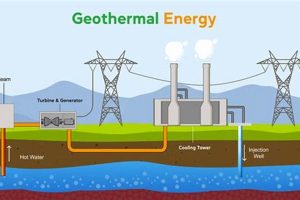
Geothermal resource utilization constitutes a key component of domestic renewable energy, offering a consistent and reliable source of power and heat that is independent of weather conditions. The subsurface heat of the earth provides a valuable resource that can be harnessed through various technologies, contributing to the diversification of energy sources within the United States.
- Direct Use Applications
Direct use of geothermal resources involves tapping into geothermal reservoirs to provide heat directly for various applications, such as space heating, greenhouse operations, and aquaculture. For example, in Klamath Falls, Oregon, geothermal energy is used extensively for district heating systems, providing a sustainable and cost-effective alternative to conventional heating methods. This direct utilization reduces reliance on fossil fuels and lowers greenhouse gas emissions, directly supporting the goals of increasing reliance on sustainable energy sources.
- Geothermal Power Generation
Geothermal power generation involves using geothermal resources to produce electricity. Geothermal power plants harness steam or hot water from underground reservoirs to turn turbines and generate electricity. The Geysers in California, one of the world’s largest geothermal fields, produces electricity for millions of homes. Compared to other renewable sources, geothermal power generation offers a consistent baseload power supply, enhancing grid stability and reliability.
- Enhanced Geothermal Systems (EGS)
Enhanced Geothermal Systems (EGS) represent an innovative approach to accessing geothermal resources in areas where naturally occurring hydrothermal reservoirs are not readily available. EGS involves injecting water into hot, dry rocks deep underground to create artificial geothermal reservoirs. The resulting steam or hot water can then be used for power generation or direct use applications. EGS has the potential to significantly expand the geographical availability of geothermal energy, making it a more widely accessible renewable energy resource. Current research focuses on the technological and economic viability of EGS projects.
- Geothermal Heat Pumps
Geothermal heat pumps, also known as ground source heat pumps, utilize the constant temperature of the earth to heat and cool buildings. These systems circulate a fluid through underground pipes, transferring heat from the earth into buildings during the winter and extracting heat from buildings in the summer. Geothermal heat pumps are highly energy-efficient and can significantly reduce heating and cooling costs compared to conventional systems. Their widespread adoption could substantially decrease energy consumption and greenhouse gas emissions in the residential and commercial sectors.
The various facets of geothermal resource utilization underscore its importance as a component of renewable energy sources within the United States. From direct use applications to geothermal power generation and enhanced geothermal systems, these technologies offer diverse pathways to harness the earth’s internal heat for sustainable energy production. While challenges related to resource availability, infrastructure development, and technological advancements remain, continued investment in geothermal energy has the potential to contribute significantly to a cleaner, more secure energy future.
5. Biomass Energy Conversion

Biomass energy conversion represents a multifaceted approach within the broader framework of domestically sourced renewable energy resources. It entails the transformation of organic matter into usable forms of energy, encompassing diverse feedstocks and technological processes. Its relevance stems from the potential to utilize waste streams, agricultural residues, and dedicated energy crops, reducing reliance on fossil fuels and mitigating greenhouse gas emissions. The following facets highlight key aspects of this conversion process.
- Direct Combustion for Heat and Power
Direct combustion involves burning biomass feedstocks, such as wood chips, agricultural residues, or municipal solid waste, to generate heat for industrial processes, space heating, or electricity production. For example, biomass power plants often utilize wood pellets or agricultural byproducts to generate steam, which then drives turbines to produce electricity. The efficiency of direct combustion systems and the control of emissions are critical considerations for maximizing the environmental benefits of this conversion pathway. The utilization of dedicated energy crops, while an option, raises concerns regarding land use and potential competition with food production.
- Anaerobic Digestion for Biogas Production
Anaerobic digestion employs microorganisms to break down organic matter in the absence of oxygen, producing biogas, a mixture primarily composed of methane and carbon dioxide. Biogas can be used directly as a fuel for heating and cooking, or it can be upgraded to pipeline-quality renewable natural gas. Anaerobic digestion systems are commonly employed at wastewater treatment plants, agricultural operations, and landfills to convert organic waste into a valuable energy resource. The capture and utilization of biogas from these sources reduces methane emissions, a potent greenhouse gas, while simultaneously generating a renewable fuel.
- Thermochemical Conversion for Biofuels and Bioproducts
Thermochemical conversion processes, such as pyrolysis and gasification, utilize high temperatures and controlled atmospheres to transform biomass into biofuels, bioproducts, and synthesis gas (syngas). Pyrolysis involves heating biomass in the absence of oxygen to produce bio-oil, a liquid fuel that can be further refined into transportation fuels or used as a feedstock for chemical production. Gasification converts biomass into syngas, a mixture of carbon monoxide and hydrogen, which can be used to produce a range of products, including synthetic natural gas, methanol, and other valuable chemicals. These thermochemical conversion pathways offer the potential to produce a diverse array of renewable fuels and chemicals from biomass feedstocks, contributing to the decarbonization of the transportation and industrial sectors.
- Fermentation for Ethanol Production
Fermentation is a biological process that utilizes microorganisms, typically yeast, to convert sugars from biomass feedstocks into ethanol. Corn-based ethanol production is the most prevalent form of fermentation for biofuel production in the United States. However, ongoing research focuses on developing advanced biofuels from non-food feedstocks, such as cellulosic biomass from agricultural residues and dedicated energy crops. Cellulosic ethanol production offers the potential to reduce greenhouse gas emissions and avoid competition with food production, enhancing the sustainability of biofuel production.
In conclusion, biomass energy conversion comprises a range of technologies that contribute to the nation’s renewable energy landscape. The diverse pathways available for converting biomass into usable forms of energy highlight the potential to utilize waste streams, agricultural residues, and dedicated energy crops as sustainable alternatives to fossil fuels. While challenges related to feedstock availability, conversion efficiency, and environmental impacts remain, continued research and development in biomass energy conversion offer the potential to enhance energy security, reduce greenhouse gas emissions, and stimulate economic growth in rural communities. Ongoing studies, for example, are comparing the environmental impacts of various biomass feedstocks and conversion pathways, further refining the understanding of this segment of nationally available sustainable energy options.
Frequently Asked Questions about “us renewable energy sources”
The following questions and answers address common inquiries and concerns regarding renewable energy resources within the United States. The information provided aims to offer clarity and promote a deeper understanding of these critical energy sources.
Question 1: What constitutes “us renewable energy sources?”
These sources encompass energy resources that are naturally replenished on a human timescale. These include solar, wind, geothermal, hydropower, and biomass. These energy forms are distinct from fossil fuels, which are finite and non-renewable.
Question 2: Are “us renewable energy sources” reliable?
The reliability of these sources varies depending on the specific resource and the technology used to harness it. Solar and wind energy are intermittent, depending on weather conditions. Geothermal and biomass offer more consistent, baseload power. Hydropower reliability is dependent on water availability and infrastructure maintenance.
Question 3: What are the environmental impacts of “us renewable energy sources?”
While generally considered environmentally friendly, these sources are not without impact. Hydropower can alter river ecosystems. Biomass combustion can release air pollutants. Wind farms can pose a threat to bird and bat populations. Solar panel manufacturing involves the use of certain materials with environmental concerns. Careful planning and mitigation are essential.
Question 4: Are “us renewable energy sources” economically competitive?
The economic competitiveness of these sources has improved significantly in recent years. The cost of solar and wind energy has declined dramatically, making them competitive with fossil fuels in many locations. Government policies, such as tax incentives and renewable portfolio standards, also play a role in promoting their economic viability. Geothermal and biomass costs depend on the specific resource and technology.
Question 5: What are the challenges to expanding the use of “us renewable energy sources?”
Challenges include intermittency, transmission infrastructure limitations, permitting processes, and public acceptance. Overcoming these challenges requires investment in energy storage technologies, grid modernization, streamlined regulatory processes, and public education efforts.
Question 6: What role do “us renewable energy sources” play in reducing greenhouse gas emissions?
These sources play a crucial role in reducing greenhouse gas emissions by displacing fossil fuel-based electricity generation. Shifting towards a greater reliance on these energy resources is essential for mitigating climate change and achieving national and international emissions reduction targets.
In summary, renewable energy resources within the United States represent a diverse and increasingly important component of the energy sector. While challenges remain, their potential to provide clean, reliable, and economically viable energy is substantial.
The subsequent section will offer concluding thoughts on the overall importance and future prospects of renewable energy sources in the United States.
Conclusion
The preceding exploration of the energy resources that are naturally replenished within the United States has illuminated their multifaceted nature and critical role in the nation’s energy landscape. From solar and wind to hydropower, geothermal, and biomass, each resource presents unique opportunities and challenges in the pursuit of a more sustainable energy future. The examination of solar power potential, wind energy expansion, hydropower sustainability, geothermal resource utilization, and biomass energy conversion reveals the diverse technological pathways and policy considerations shaping the development and deployment of renewable energy technologies.
The sustained and strategic development of these domestic energy sources remains paramount. The continued advancement of technology, coupled with thoughtful policy implementation, holds the potential to transform the energy sector, fostering economic growth, enhancing energy security, and mitigating the environmental impacts associated with traditional fossil fuels. The pursuit of a cleaner, more resilient energy future necessitates a continued commitment to innovation, investment, and informed decision-making regarding these valuable national resources.