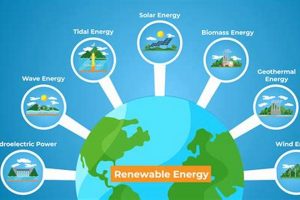
Renewable energy sources within the United States encompass a diverse range of technologies, including solar, wind, hydroelectric, geothermal, and biomass. For example, solar power harnesses sunlight using photovoltaic panels or concentrating solar-thermal power systems, while wind power utilizes turbines to convert wind energy into electricity.
Domestic clean energy production offers significant advantages, contributing to reduced reliance on fossil fuels, decreased greenhouse gas emissions, and enhanced energy security. The historical development of these technologies has seen periods of rapid growth and innovation, spurred by policy changes, technological advancements, and increasing public awareness of environmental concerns. This progress has led to a substantial increase in the capacity and economic competitiveness of renewable energy in the national energy mix.
The following sections will delve further into specific aspects of the American renewable energy landscape, exploring topics such as current market trends, technological innovations, policy frameworks, and future projections for growth and development.
Tips for Supporting American Renewable Energy
Promoting the growth and adoption of renewable energy sources within the United States requires a multifaceted approach. The following tips offer practical guidance for individuals, businesses, and communities seeking to contribute to a sustainable energy future.
Tip 1: Invest in Energy-Efficient Appliances and Practices: Reducing overall energy consumption lessens the demand placed on both renewable and non-renewable energy resources. Choosing Energy Star certified appliances and implementing energy-saving habits, such as reducing heating and cooling needs, can significantly decrease energy usage.
Tip 2: Explore Residential Solar Installations: Rooftop solar panels offer homeowners the opportunity to generate clean electricity on-site. Consulting with qualified installers can help determine the feasibility and potential benefits of residential solar systems.
Tip 3: Support Policies that Encourage Renewable Energy Development: Advocating for policies that incentivize renewable energy investments, such as tax credits, rebates, and renewable portfolio standards, can create a favorable environment for continued growth in the sector.
Tip 4: Consider Community Solar Projects: Participating in community solar projects allows individuals and businesses to share in the benefits of a larger-scale solar installation, even if they cannot install panels on their own property.
Tip 5: Research and Invest in Renewable Energy Companies: Supporting publicly traded companies focused on renewable energy technologies can provide financial backing for the industry’s continued expansion.
Tip 6: Reduce, Reuse, and Recycle: Embracing these principles conserves resources and reduces the energy required for manufacturing and processing new materials. This indirectly supports the transition to a more sustainable energy system.
By incorporating these strategies, individuals and organizations can actively contribute to the growth of the American renewable energy sector and help accelerate the transition towards a cleaner, more sustainable energy future.
The concluding section will summarize the key opportunities and challenges facing the renewable energy industry in the United States and offer perspectives on its future trajectory.
1. Solar Power

Solar power represents a significant component of the U.S. renewable energy portfolio, contributing to a cleaner energy landscape and reduced reliance on fossil fuels. Its increasing affordability and technological advancements position it as a key driver of the nation’s transition to sustainable energy sources. This section explores key facets of solar power’s role within the broader context of U.S. renewables.
- Photovoltaic (PV) Systems
PV systems, utilizing solar panels to directly convert sunlight into electricity, comprise the majority of solar installations nationwide. Residential rooftop solar, commercial-scale solar farms, and utility-scale projects exemplify the diverse applications of PV technology. These systems contribute significantly to distributed generation, enhancing grid resilience and reducing transmission losses.
- Concentrating Solar Power (CSP)
CSP technology utilizes mirrors to concentrate sunlight, generating heat used to drive turbines and produce electricity. While less prevalent than PV systems, CSP offers the advantage of thermal energy storage, allowing for electricity generation even when sunlight is not directly available. This characteristic enhances grid stability and provides a dispatchable renewable energy source.
- Policy and Market Drivers
Federal and state policies, such as tax credits, rebates, and renewable portfolio standards, play a crucial role in incentivizing solar energy development. These incentives, coupled with decreasing costs and technological advancements, have driven substantial growth in the solar industry, creating jobs and fostering innovation.
- Grid Integration and Infrastructure
Integrating solar power into the existing electricity grid presents both opportunities and challenges. Managing the intermittent nature of solar energy requires grid modernization efforts, including advanced forecasting, energy storage solutions, and smart grid technologies. Addressing these infrastructure needs is essential for maximizing the benefits of solar power within the U.S. energy mix.
The continued advancement and integration of solar technologies play a vital role in the overall growth and success of the U.S. renewables sector. Addressing challenges related to grid integration and storage will further unlock the potential of solar power to contribute to a cleaner, more sustainable energy future.
2. Wind Energy

Wind energy represents a crucial component of the U.S. renewable energy landscape, offering a clean and sustainable alternative to fossil fuels. Its growing capacity and decreasing costs position it as a key driver in reducing greenhouse gas emissions and enhancing energy independence. The connection between wind energy and the broader U.S. renewables sector is multifaceted, encompassing technological advancements, economic impacts, and grid integration considerations.
The increasing prevalence of utility-scale wind farms across the country demonstrates wind energy’s contribution to clean electricity generation. States such as Texas, Iowa, Oklahoma, Kansas, and California boast significant wind energy capacity, providing substantial economic benefits through job creation and local investment. Furthermore, offshore wind projects, while still in nascent stages of development, hold immense potential for expanding wind energy’s contribution to the U.S. energy mix. Technological advancements, such as larger turbines and improved blade designs, continue to enhance the efficiency and cost-competitiveness of wind energy.
However, integrating wind power into the electricity grid presents challenges due to its intermittent nature. Addressing these challenges requires grid modernization efforts, including improved forecasting capabilities, energy storage solutions, and transmission infrastructure upgrades. Overcoming these hurdles is essential to maximizing the potential of wind energy and ensuring grid stability as renewable penetration increases. Despite these challenges, wind energy remains a vital pillar of the U.S. renewables sector, playing a critical role in achieving national clean energy goals and fostering a sustainable energy future.
3. Hydropower
Hydropower represents a long-standing component of the U.S. renewable energy landscape, offering a substantial contribution to clean electricity generation. However, its role within the broader context of “U.S. renewables” requires careful consideration, given its unique characteristics and potential environmental impacts. This section explores key facets of hydropower’s connection to the overall U.S. renewables sector.
- Conventional Hydroelectric Dams
Large-scale hydroelectric dams represent a mature technology, providing a significant portion of renewable electricity generation. Examples include the Hoover Dam and the Grand Coulee Dam, which harness the energy of major rivers to power vast regions. While these projects offer substantial clean energy benefits, their construction and operation can have significant environmental consequences, including habitat alteration and impacts on fish migration. Therefore, their role in the future of U.S. renewables requires careful evaluation.
- Pumped Hydroelectric Storage
Pumped hydroelectric storage functions as a large-scale energy storage technology, utilizing surplus electricity to pump water uphill to a reservoir, which can then be released to generate electricity during peak demand periods. This technology plays a crucial role in grid stability and balancing the intermittency of other renewable sources like solar and wind. Its expansion could be instrumental in supporting greater renewable energy penetration within the U.S. grid.
- Run-of-River Hydropower
Run-of-river hydropower projects utilize the natural flow of rivers to generate electricity without requiring large dams or reservoirs. These projects generally have a lower environmental impact compared to conventional hydropower, although they can still affect aquatic ecosystems. Their smaller scale and distributed nature make them suitable for specific locations and contribute to a more diversified renewable energy portfolio.
- Environmental and Social Considerations
The environmental and social impacts of hydropower projects vary significantly depending on their scale and design. Factors such as water availability, habitat alteration, fish passage, and greenhouse gas emissions from reservoirs must be considered. Balancing the benefits of clean energy generation with potential environmental trade-offs presents a complex challenge for hydropower development within the U.S. renewables sector.
Hydropower’s contribution to U.S. renewables is complex and multifaceted. While conventional hydropower offers substantial clean energy generation, its environmental footprint necessitates careful evaluation. Pumped hydroelectric storage and run-of-river projects offer alternative approaches with potentially lower impacts. Ultimately, the future of hydropower within the U.S. renewables sector depends on balancing energy needs with environmental sustainability and social considerations.
4. Geothermal Energy
Geothermal energy, derived from the Earth’s internal heat, represents a consistent and reliable renewable energy source within the United States. Its potential contribution to “U.S. renewables” hinges on technological advancements, resource availability, and its integration into the broader energy mix. This section explores key facets of geothermal energy’s role in the U.S. renewables sector.
- Geothermal Power Plants
Geothermal power plants utilize steam or hot water extracted from underground reservoirs to drive turbines and generate electricity. These plants offer a baseload renewable energy source, providing continuous power output unlike intermittent sources such as solar and wind. The Geysers Geothermal Complex in California exemplifies a large-scale geothermal power operation, demonstrating the potential for significant clean energy generation from this resource.
- Geothermal Heat Pumps
Geothermal heat pumps utilize the relatively constant temperature of the Earth’s subsurface to provide heating and cooling for buildings. These systems offer high energy efficiency, reducing reliance on conventional heating and cooling systems and contributing to lower energy consumption overall. Their widespread adoption can play a significant role in reducing building-related emissions and promoting sustainable energy practices.
- Enhanced Geothermal Systems (EGS)
EGS technologies expand the potential of geothermal energy by accessing hot rock formations that lack sufficient permeability for conventional geothermal development. By creating artificial reservoirs and circulating water through these formations, EGS can harness geothermal energy from a wider range of geological settings. However, further research and development are necessary to fully realize the potential of EGS and address challenges related to induced seismicity and reservoir management.
- Resource Availability and Geographic Distribution
The availability of geothermal resources varies significantly across the United States. The western states, particularly California, Nevada, and Utah, possess abundant geothermal resources suitable for electricity generation. Other regions may be more suitable for geothermal heat pump applications. Understanding the geographic distribution of geothermal resources is crucial for strategic planning and optimizing the deployment of geothermal technologies within the broader U.S. renewables context.
Geothermal energy offers a valuable component of the U.S. renewables portfolio, providing baseload power generation and efficient heating and cooling solutions. While resource availability and technological advancements influence its deployment, geothermal energy’s contribution to a diverse and sustainable energy future is substantial. Integrating geothermal energy strategically within the broader energy mix can enhance grid stability, reduce emissions, and promote energy independence.
5. Biomass Resources

Biomass resources, derived from organic matter, represent a diverse and potentially significant component of the U.S. renewable energy portfolio. Understanding their role within “U.S. renewables” requires careful consideration of their diverse forms, conversion technologies, environmental impacts, and integration into the broader energy system. This section explores key facets of biomass resources and their connection to the U.S. renewables sector.
- Wood and Wood Residues
Wood and wood residues, including wood pellets, chips, and sawdust, represent a readily available biomass resource, particularly in forested regions. These materials can be used for direct combustion in power plants, combined heat and power systems, or converted into biofuels. Sustainable forestry practices are essential to ensure the long-term viability and environmental soundness of utilizing wood-based biomass for renewable energy.
- Agricultural Residues and Energy Crops
Agricultural residues, such as corn stover and wheat straw, along with dedicated energy crops like switchgrass and miscanthus, offer another source of biomass for renewable energy production. These materials can be converted into biofuels, biogas, or used for direct combustion. Optimizing the use of agricultural biomass requires careful consideration of land use, soil health, and potential impacts on food production.
- Biofuels Production
Biofuels, such as ethanol and biodiesel, derived from biomass resources, can be used as transportation fuels, reducing reliance on petroleum-based fuels. Ethanol, primarily produced from corn in the United States, is blended with gasoline, while biodiesel, produced from vegetable oils or animal fats, can be used in diesel engines. The environmental and economic sustainability of biofuels depends on factors such as feedstock source, conversion technology, and land use change impacts.
- Biogas and Anaerobic Digestion
Anaerobic digestion of organic matter, including animal manure, food waste, and wastewater sludge, produces biogas, a mixture of methane and carbon dioxide. Biogas can be used for electricity generation, heat production, or upgraded to biomethane, a renewable natural gas substitute. Anaerobic digestion offers benefits for waste management, reducing greenhouse gas emissions and providing a valuable renewable energy source.
Biomass resources offer a diverse range of pathways for contributing to U.S. renewable energy goals. However, their sustainable utilization requires careful consideration of environmental and economic factors, including land use, greenhouse gas emissions, and potential impacts on food production. Integrating biomass resources strategically within a diversified renewable energy portfolio can contribute to enhanced energy security, reduced emissions, and a more sustainable energy future.
6. Policy and Incentives

Government policies and incentives play a crucial role in shaping the development and deployment of renewable energy technologies within the United States. These mechanisms influence investment decisions, market growth, and the overall competitiveness of renewable energy sources compared to conventional fossil fuels. Understanding the connection between policy and the growth of the U.S. renewables sector is essential for effective policy design and achieving national clean energy goals.
Several key policy instruments influence the renewable energy landscape. The Federal Investment Tax Credit (ITC) and the Production Tax Credit (PTC) provide significant financial incentives for renewable energy projects, reducing the cost of capital and encouraging private investment. Renewable Portfolio Standards (RPS) mandate that a certain percentage of electricity generation comes from renewable sources, creating market demand and driving renewable energy development. State-level policies, such as net metering programs, further support distributed generation by allowing consumers to sell excess electricity generated by their renewable energy systems back to the grid. For example, the extension of the ITC in recent legislation has spurred significant growth in the solar industry, demonstrating the direct impact of policy on market dynamics.
The effectiveness of policy interventions depends on factors such as policy design, implementation, and consistency. Stable and predictable policies provide long-term certainty for investors, fostering confidence and encouraging sustained investment in renewable energy projects. Policy adjustments, such as phasing out tax credits or modifying RPS targets, can have significant impacts on market growth and investment decisions. Furthermore, policy coordination across different levels of governmentfederal, state, and localis essential for creating a coherent and supportive policy environment. Challenges remain in ensuring policy effectiveness, including addressing potential unintended consequences, streamlining permitting processes, and ensuring equitable access to renewable energy benefits. A comprehensive understanding of the interplay between policy and market dynamics is critical for navigating these challenges and achieving a sustainable and thriving renewable energy sector in the United States.
Frequently Asked Questions about U.S. Renewable Energy
This section addresses common inquiries regarding the development, deployment, and impact of renewable energy resources within the United States. Clarity on these points is essential for informed decision-making and public understanding of the transition to a sustainable energy future.
Question 1: What are the primary types of renewable energy resources utilized in the United States?
The primary renewable energy resources utilized within the United States include solar, wind, hydropower, geothermal, and biomass. Each resource offers distinct advantages and faces unique challenges related to technological development, resource availability, and integration into the existing energy infrastructure.
Question 2: How do renewable energy sources contribute to reducing greenhouse gas emissions?
Renewable energy sources produce electricity with significantly lower greenhouse gas emissions compared to conventional fossil fuels. Replacing fossil fuel-based power generation with renewable sources reduces carbon dioxide and other greenhouse gas emissions, mitigating the impacts of climate change.
Question 3: What is the economic impact of the renewable energy sector in the United States?
The renewable energy sector contributes significantly to the U.S. economy through job creation, investment in manufacturing and infrastructure, and reduced reliance on imported fossil fuels. The industry’s continued growth presents opportunities for economic development and diversification in communities across the nation.
Question 4: What challenges are associated with integrating renewable energy into the electricity grid?
Integrating variable renewable energy sources, such as solar and wind, presents grid management challenges due to their intermittent nature. Addressing these challenges requires grid modernization efforts, including advanced forecasting, energy storage solutions, and enhanced transmission infrastructure.
Question 5: What role do government policies play in promoting renewable energy development?
Government policies, such as tax incentives, renewable portfolio standards, and research and development funding, play a crucial role in incentivizing renewable energy development and deployment. These policies create market demand, reduce investment risks, and accelerate the transition to a cleaner energy system.
Question 6: How can individuals and communities support the growth of renewable energy?
Individuals and communities can support renewable energy growth through various actions, including investing in energy efficiency measures, installing rooftop solar panels, participating in community solar projects, advocating for supportive policies, and making informed consumer choices that prioritize renewable energy sources. Collective action at all levels is essential for accelerating the transition to a sustainable energy future.
Understanding the benefits, challenges, and policy landscape surrounding renewable energy is crucial for fostering informed decision-making and public support for a cleaner, more sustainable energy future. Continued engagement and collaboration among stakeholders will be essential for maximizing the potential of renewable energy resources within the United States.
The following section explores future projections for the U.S. renewable energy sector, examining potential growth trajectories and technological advancements that may shape the energy landscape in the years to come.
Conclusion
This exploration of the American renewable energy landscape has highlighted the diverse array of technologies contributing to a cleaner, more sustainable energy future. From the established presence of hydropower and biomass to the rapidly expanding sectors of solar and wind power, renewable energy sources are increasingly vital to the nation’s energy mix. The examination of geothermal energy’s potential and the crucial role of policy and incentives underscores the multifaceted nature of this dynamic sector. Addressing challenges related to grid integration, technological advancements, and consistent policy support will be essential for maximizing the benefits of these resources. Furthermore, understanding the economic and environmental implications of each renewable energy source provides valuable context for informed decision-making.
The continued growth and integration of renewable energy within the United States hold immense promise for economic prosperity, environmental stewardship, and enhanced energy independence. Strategic investments in research, development, and deployment of these technologies, coupled with supportive policies and public engagement, will be crucial for realizing this potential. The transition to a more sustainable energy future requires a collective commitment to innovation, collaboration, and a shared vision of a cleaner, more resilient energy system for generations to come. The trajectory of American renewable energy development carries profound implications for not only the nation’s energy security but also its global leadership in addressing the challenges of climate change and building a more sustainable world.