The focus on sustainable power derived from natural resources like sunlight, wind, and water offers a crucial alternative to traditional fossil fuels. For example, solar panels convert sunlight into electricity, while wind turbines harness wind power for the same purpose. These technologies represent practical applications of this focus.
Harnessing power from these resources offers significant advantages, including reduced greenhouse gas emissions, decreased reliance on finite fossil fuel reserves, and the potential for localized power generation, fostering energy independence. Historically, reliance on these resources has fluctuated; however, recent technological advancements and growing environmental awareness have propelled this field to the forefront of energy discussions globally.
This exploration of sustainable power generation will delve into specific technologies, their applications, and their impact on the global energy landscape. Subsequent sections will address the economic, political, and social factors influencing the transition to a more sustainable energy future.
Tips on Transitioning to Sustainable Power
The following tips offer guidance for individuals, communities, and businesses seeking to adopt more sustainable energy practices.
Tip 1: Conduct an Energy Audit: Assessing current energy consumption patterns provides a baseline for identifying areas for improvement and potential savings. Professional energy audits can offer detailed insights into energy usage and recommend targeted solutions.
Tip 2: Explore Available Incentives: Many governments and utility companies offer financial incentives, such as tax credits and rebates, to encourage the adoption of sustainable energy technologies. Researching available programs can significantly reduce upfront investment costs.
Tip 3: Consider Rooftop Solar Installations: For homeowners and businesses, rooftop solar panels offer a viable option for generating electricity directly on-site, reducing reliance on grid electricity and potentially lowering energy bills.
Tip 4: Invest in Energy-Efficient Appliances: Replacing outdated appliances with energy-efficient models can significantly reduce overall energy consumption. Look for appliances with high Energy Star ratings.
Tip 5: Support Community Solar Initiatives: Community solar projects allow individuals and businesses to invest in shared solar farms, benefiting from clean energy generation even if rooftop solar is not feasible.
Tip 6: Advocate for Policy Changes: Supporting policies that promote sustainable energy development and incentivize the adoption of clean energy technologies can accelerate the transition to a more sustainable energy future.
By implementing these strategies, significant progress can be made toward reducing reliance on fossil fuels and embracing a more sustainable energy future. These changes contribute not only to individual cost savings but also to broader environmental and economic benefits.
These practical steps empower individuals and organizations to actively participate in the global transition towards cleaner and more sustainable energy practices. The subsequent conclusion will summarize key findings and offer a forward-looking perspective on the future of sustainable energy.
1. Sustainability

Sustainability forms the core principle underpinning the focus on renewable energy sources. Transitioning away from finite fossil fuels to resources that naturally replenish, such as solar, wind, hydro, and geothermal, ensures the long-term viability of energy production for future generations. This shift addresses the inherent unsustainability of relying on depleting resources and mitigates the environmental damage associated with their extraction and combustion. For example, solar farms built on previously unusable land minimize environmental disruption while providing clean energy, demonstrating a practical application of sustainability in energy generation.
The emphasis on sustainability influences not only the choice of energy source but also the entire lifecycle of renewable energy systems. This includes responsible sourcing of materials for manufacturing solar panels and wind turbines, minimizing waste during production and installation, and developing effective recycling programs for decommissioned equipment. Furthermore, sustainable practices extend to land use considerations, ensuring minimal ecological impact and prioritizing biodiversity preservation in areas surrounding renewable energy installations. The rapidly growing electric vehicle market exemplifies this connection, as the sustainability of electric transportation relies heavily on the availability of renewable energy for charging.
Ultimately, the pursuit of sustainable energy represents a crucial step towards a more environmentally responsible and economically viable future. While challenges remain in terms of technological advancements, infrastructure development, and policy implementation, the fundamental principle of sustainability guides the transition towards a cleaner, more secure, and ultimately sustainable energy landscape. Addressing these challenges through sustained research and development, coupled with supportive policy frameworks, will be essential for realizing the full potential of renewable energy sources and securing a sustainable energy future.
2. Technological Advancement
Technological advancement is intrinsically linked to the viability and widespread adoption of renewable energy. Improvements in materials science, manufacturing processes, and energy storage solutions directly impact the efficiency, cost-effectiveness, and reliability of renewable energy technologies. For instance, advancements in photovoltaic cell technology have led to significant increases in the efficiency of solar panels, enabling greater energy generation from smaller surface areas. Similarly, the development of more robust and efficient wind turbine designs allows for the capture of greater amounts of wind energy, even at lower wind speeds. These advancements are crucial for driving down the cost of renewable energy, making it increasingly competitive with traditional fossil fuels.
Furthermore, technological advancements play a crucial role in integrating renewable energy sources into existing power grids. Smart grid technologies, advanced energy storage systems, and improved forecasting models enable more effective management of intermittent renewable energy sources like solar and wind. For example, the development of high-capacity batteries allows for the storage of excess solar energy generated during peak hours, which can then be released back into the grid during periods of low solar irradiance. Similarly, advancements in grid management software enable more efficient distribution of renewable energy across wider geographical areas, maximizing the utilization of these resources and enhancing grid stability. The development of more efficient and affordable energy storage solutions is critical for overcoming the intermittency challenges associated with renewable energy sources and enabling their wider adoption.
Continued technological progress remains essential for overcoming the remaining hurdles to widespread renewable energy adoption. Further research and development efforts are needed to improve the efficiency, durability, and affordability of existing renewable energy technologies, as well as to explore emerging technologies such as wave and tidal power. Overcoming these challenges through sustained technological advancement will pave the way for a more sustainable and resilient energy future. This progress will not only drive down costs and improve efficiency but also unlock new possibilities for integrating renewable energy into various sectors, including transportation, heating, and industrial processes.
3. Economic Viability

The economic viability of renewable energy is crucial for its widespread adoption and long-term success. Transitioning to a renewable energy-based economy requires careful consideration of costs, returns on investment, and the overall impact on economic growth and job creation. Analyzing the financial aspects of renewable energy projects, from initial investment to operational costs and revenue generation, is essential for ensuring their sustainability and competitiveness with traditional energy sources.
- Cost Competitiveness
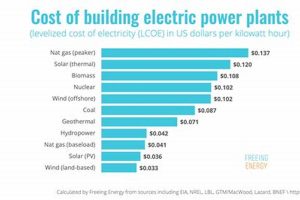
The decreasing cost of renewable energy technologies, particularly solar and wind power, has made them increasingly competitive with fossil fuels in many regions. Government subsidies and tax incentives further enhance the economic attractiveness of renewable energy investments, driving market growth and accelerating the transition towards a cleaner energy future. For example, the declining cost of solar photovoltaic panels has made solar energy a cost-competitive option for residential and commercial electricity generation in many parts of the world. This cost competitiveness is a key driver of the rapid expansion of the solar energy market.
- Job Creation
The renewable energy sector is a significant source of job creation, offering employment opportunities in manufacturing, installation, maintenance, and research and development. As the renewable energy industry continues to grow, it is expected to create even more jobs, contributing to economic growth and diversification. For example, the wind energy industry employs a large number of technicians and engineers in the manufacturing, installation, and maintenance of wind turbines, demonstrating the job creation potential of the renewable energy sector. These jobs often offer competitive salaries and benefits, contributing to local economies.
- Investment Opportunities
Renewable energy projects attract significant investment from both public and private sectors. The growing demand for clean energy creates opportunities for investors seeking both financial returns and positive environmental impact. For instance, large-scale solar and wind farms offer attractive investment opportunities for institutional investors and utilities, while community solar projects provide opportunities for individuals and small businesses to invest in local renewable energy generation. This influx of investment fuels innovation and accelerates the development and deployment of new renewable energy technologies.
- Energy Independence
Investing in renewable energy sources can reduce reliance on imported fossil fuels, enhancing energy security and independence. This is particularly relevant for countries with limited domestic fossil fuel resources, as it reduces their vulnerability to price volatility and geopolitical instability. For example, countries with abundant solar resources can reduce their dependence on imported oil by investing in solar power, enhancing their energy independence and reducing their trade deficits. This reduced reliance on imported fuels strengthens national energy security and can contribute to greater economic stability.
The economic benefits of renewable energy extend beyond direct cost savings and job creation. By reducing reliance on fossil fuels, renewable energy mitigates the economic risks associated with climate change, such as extreme weather events and rising sea levels. The transition to a renewable energy-based economy offers a pathway towards sustainable economic growth, enhanced energy security, and a healthier environment. Investing in renewable energy is not just an environmental imperative, but also a sound economic strategy for the future.
4. Environmental Impact

The environmental impact of energy production is a central concern driving the focus on renewable sources. Conventional energy generation, heavily reliant on fossil fuels, contributes significantly to greenhouse gas emissions, a primary driver of climate change. Furthermore, extraction and combustion of fossil fuels pose substantial risks to air and water quality, impacting ecosystems and human health. Conversely, renewable energy sources offer a significantly lower environmental footprint. Solar, wind, hydro, and geothermal energy generate electricity without emitting greenhouse gases during operation, substantially reducing their contribution to climate change. For example, a solar farm replacing a coal-fired power plant demonstrably reduces carbon dioxide emissions, showcasing the tangible environmental benefits of transitioning to renewable energy.
While renewable energy sources offer substantial environmental advantages over fossil fuels, it is crucial to acknowledge and address their potential environmental impacts. Land use considerations, habitat disruption, and manufacturing processes associated with renewable energy technologies require careful planning and mitigation strategies. Life-cycle assessments of renewable energy systems provide a comprehensive evaluation of their environmental footprint, from resource extraction and manufacturing to operation and decommissioning. For instance, understanding the environmental impact of mining materials for solar panels necessitates responsible sourcing and recycling practices to minimize negative consequences. Similarly, careful siting of wind farms is crucial for minimizing impacts on bird and bat populations. Addressing these challenges through rigorous environmental assessments and responsible development practices is essential for maximizing the environmental benefits of renewable energy.
Minimizing environmental impact remains a paramount objective in the transition to renewable energy. Continued technological advancements, coupled with robust environmental regulations and sustainable land management practices, are crucial for ensuring that renewable energy development proceeds responsibly. Successfully addressing these challenges will pave the way for a cleaner, healthier, and more sustainable future, powered by renewable energy sources. This requires a comprehensive approach, integrating environmental considerations into every stage of renewable energy development, from project planning and implementation to operation and decommissioning.
5. Policy and Regulation

Policy and regulation play a crucial role in shaping the development and adoption of renewable energy technologies. Effective policies provide frameworks for incentivizing investment, streamlining permitting processes, and ensuring grid integration, while regulations establish standards for safety, performance, and environmental protection. The interplay between policy and regulation creates the necessary conditions for a successful transition to a renewable energy-based economy. Without supportive policies and robust regulations, the growth of the renewable energy sector can be hindered, delaying the realization of its economic and environmental benefits.
- Incentivizing Investment
Financial incentives, such as tax credits, rebates, and feed-in tariffs, play a crucial role in attracting investment in renewable energy projects. These incentives reduce the upfront costs of renewable energy technologies, making them more financially attractive to investors and accelerating market growth. For example, production tax credits for wind energy have been instrumental in driving the growth of the wind energy industry in the United States. Similarly, feed-in tariffs, which guarantee a fixed price for renewable energy fed into the grid, have proven effective in promoting solar energy adoption in several European countries. These policies effectively lower the financial barriers to entry for renewable energy projects, stimulating private sector investment and driving innovation.
- Streamlining Permitting Processes
Clear and efficient permitting processes are essential for facilitating the timely development of renewable energy projects. Complex and lengthy permitting procedures can significantly delay project timelines and increase costs, hindering the growth of the renewable energy sector. Policy reforms aimed at streamlining permitting processes, such as designated renewable energy zones and expedited environmental reviews, can significantly reduce development timelines and promote investment. For example, establishing designated renewable energy zones with pre-approved environmental permits can significantly reduce the time and cost required to develop new wind or solar farms. This streamlined approach reduces uncertainty for developers and accelerates the deployment of renewable energy projects.
- Ensuring Grid Integration
Integrating renewable energy sources into existing power grids requires significant investment in grid infrastructure and the development of smart grid technologies. Policies that support grid modernization and the integration of renewable energy, such as renewable portfolio standards and net metering policies, are essential for ensuring the reliable and efficient delivery of renewable energy to consumers. Renewable portfolio standards mandate that a certain percentage of electricity generation comes from renewable sources, creating a market demand for renewable energy and driving investment in new projects. Net metering policies allow homeowners and businesses with rooftop solar panels to sell excess electricity back to the grid, further incentivizing distributed renewable energy generation. These policies help ensure that the grid can accommodate the increasing penetration of renewable energy sources and maintain grid stability.
- Establishing Standards and Regulations
Safety regulations, performance standards, and environmental protection measures are crucial for ensuring the responsible development and operation of renewable energy projects. Regulations governing the design, construction, and operation of renewable energy facilities help mitigate potential environmental impacts, protect public safety, and ensure the long-term performance and reliability of renewable energy systems. For example, regulations governing the disposal of decommissioned solar panels help prevent environmental contamination from hazardous materials. Similarly, safety standards for wind turbine construction and operation ensure the safety of workers and the surrounding community. These regulations provide a framework for responsible renewable energy development, minimizing potential risks and maximizing benefits.
The effectiveness of policies and regulations in promoting renewable energy adoption varies significantly across different regions and countries. Factors such as political will, existing energy infrastructure, and public support play a significant role in shaping the regulatory landscape and influencing the pace of renewable energy development. A comprehensive and well-designed policy and regulatory framework is essential for creating a stable and predictable market for renewable energy, attracting investment, and driving the transition towards a more sustainable energy future. Analyzing and comparing different policy approaches and regulatory frameworks across different jurisdictions can provide valuable insights for policymakers seeking to accelerate the adoption of renewable energy.
Frequently Asked Questions on Renewable Energy
This section addresses common inquiries regarding renewable energy technologies, their implementation, and their overall impact.
Question 1: What are the primary types of renewable energy sources available today?
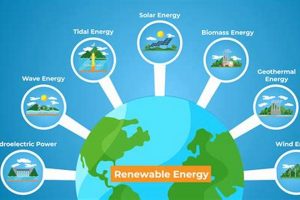
Several renewable energy sources are currently utilized, including solar, wind, hydro, geothermal, and biomass. Each source harnesses a different naturally replenishing resource to generate power.
Question 2: How does renewable energy contribute to mitigating climate change?
Renewable energy sources produce little to no greenhouse gas emissions during operation. Transitioning from fossil fuels to renewable energy significantly reduces the release of greenhouse gases, mitigating a key driver of climate change.
Question 3: Are renewable energy technologies reliable and consistent?
The intermittency of some renewable sources, like solar and wind, is addressed through technological advancements in energy storage and grid management. Battery storage systems and smart grids enhance the reliability and consistency of renewable energy supply.
Question 4: What is the economic impact of transitioning to renewable energy?
Transitioning to renewable energy creates economic opportunities through job creation in manufacturing, installation, maintenance, and research. Furthermore, it reduces reliance on imported fossil fuels, enhancing energy independence and stimulating local economies.
Question 5: What are the environmental impacts of renewable energy technologies, and how are they mitigated?
While renewable energy sources offer significant environmental benefits compared to fossil fuels, some impacts, such as land use and manufacturing processes, require consideration. Mitigation strategies include careful site selection, responsible sourcing of materials, and robust recycling programs.
Question 6: What role does government policy play in promoting renewable energy adoption?
Government policies, such as tax incentives, subsidies, and renewable portfolio standards, play a crucial role in incentivizing investment and accelerating the deployment of renewable energy technologies. Supportive policies create a favorable market environment for renewable energy growth.
Understanding the benefits and challenges associated with renewable energy is essential for informed decision-making and effective policy implementation. Further research and continued dialogue are crucial for advancing the transition to a sustainable energy future.
The subsequent section will explore future trends and innovations in renewable energy technologies and discuss their potential impact on the global energy landscape.
Conclusion
Focusing on renewable energy represents a fundamental shift in energy production and consumption. This exploration has highlighted the multifaceted nature of this transition, encompassing technological advancements, economic considerations, environmental impacts, and the crucial role of policy and regulation. From the decreasing costs of solar and wind power to the job creation potential of the renewable energy sector, the benefits of embracing sustainable energy sources are becoming increasingly evident. However, challenges remain, including the intermittency of some renewable sources, the need for grid modernization, and the responsible management of environmental impacts. Addressing these challenges through sustained research, technological innovation, and supportive policy frameworks is essential for realizing the full potential of renewable energy.
The transition to a renewable energy-based future requires a concerted global effort. Continued investment in research and development, coupled with robust policy implementation and international collaboration, will be crucial for accelerating the adoption of renewable energy technologies. The future of energy hinges on the successful integration of sustainable practices, technological innovation, and sound economic principles. Embracing renewable energy is not merely an environmental imperative; it is a strategic investment in a more sustainable, secure, and prosperous future for all.