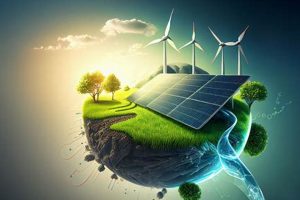
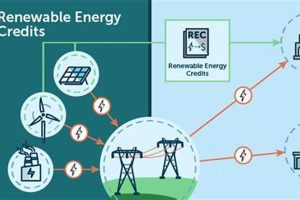
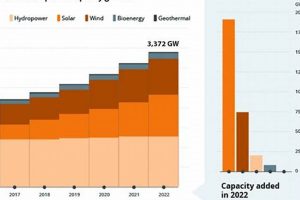
Capital deployments targeting sustainable power generation sources like solar, wind, hydro, geothermal, and biomass represent a growing sector. For instance, funding the construction of a new wind farm or investing in a company developing innovative solar panel technology falls under this category. These investments can take various forms, including direct project finance, equity stakes in renewable energy companies, and specialized funds focused on sustainable infrastructure.
Financing the transition to cleaner energy sources offers significant potential for both financial returns and positive environmental impact. Historically, reliance on fossil fuels has created numerous environmental and geopolitical challenges. The growing demand for clean power, coupled with supportive government policies and technological advancements, is driving rapid growth in this sector. This presents a compelling case for portfolio diversification and long-term sustainable growth.
Further exploration of this dynamic field will cover specific investment vehicles, market trends, risk assessment, and regulatory frameworks. An understanding of these factors is critical for informed decision-making within this evolving landscape.
Careful consideration of several key factors is crucial for successful navigation of the complex landscape of sustainable energy investments. Due diligence and a long-term perspective are essential.
Tip 1: Diversify across different renewable energy technologies. Over-reliance on a single technology can expose portfolios to technology-specific risks. A balanced approach encompassing solar, wind, and other emerging technologies can mitigate this risk.
Tip 2: Understand regulatory frameworks and government incentives. Policy changes can significantly impact the profitability of projects. Thorough research into current and potential future regulations is vital.
Tip 3: Assess the project developer’s track record and expertise. The success of renewable energy projects relies heavily on the experience and capabilities of the development team. Investigating their past performance is essential.
Tip 4: Evaluate the project’s location and resource availability. Factors like solar irradiance, wind speed, and geothermal activity directly influence energy generation potential and project viability.
Tip 5: Consider the long-term operational and maintenance costs. While renewable energy projects have lower fuel costs, ongoing maintenance and operational expenses should be factored into financial projections.
Tip 6: Conduct thorough financial analysis and risk assessment. Understanding the potential return on investment, payback periods, and associated risks is crucial for informed decision-making.
Tip 7: Explore different investment vehicles. Options range from direct project investments to publicly traded companies and specialized funds. Selecting the right vehicle aligns with investor risk tolerance and financial goals.
By adhering to these guidelines, investors can enhance their understanding of the sector, mitigate potential risks, and capitalize on the opportunities presented by the global transition towards sustainable energy sources.
Ultimately, aligning financial objectives with environmental stewardship offers the potential for both robust returns and a positive contribution to a sustainable future. Careful planning and thorough research remain paramount to success in this expanding market.
1. Solar
Solar energy, a cornerstone of the renewable energy sector, presents significant investment opportunities driven by declining costs, technological advancements, and increasing global demand for clean power. Its versatility, ranging from utility-scale solar farms to rooftop photovoltaic systems, offers diverse entry points for investors.
- Photovoltaic (PV) Systems
PV systems, the most common solar technology, directly convert sunlight into electricity using semiconductor materials. Examples include large-scale solar farms generating power for grids and residential rooftop installations providing individual households with clean energy. Investments in PV manufacturing, installation, and maintenance represent a substantial portion of the solar market.
- Concentrated Solar Power (CSP)
CSP systems use mirrors to concentrate sunlight onto a receiver, generating heat to drive turbines for electricity production. While requiring direct sunlight and large land areas, CSP offers the advantage of thermal energy storage, enabling electricity generation even after sunset. Investment opportunities exist in developing and deploying advanced CSP technologies with improved efficiency and storage capabilities.
- Solar Thermal
Solar thermal technologies capture solar energy for heating water and space heating applications. These systems contribute to reduced reliance on fossil fuels for residential and commercial heating needs. Investment opportunities include manufacturing solar thermal collectors, developing integrated building solutions, and financing projects focused on energy efficiency.
- Grid Integration and Storage
Integrating solar power into existing grids and developing efficient energy storage solutions are crucial for maximizing the impact of solar energy. Investments in grid modernization, smart grid technologies, and battery storage systems are essential for addressing the intermittency of solar power and ensuring reliable energy supply.
The diverse range of solar technologies and related infrastructure requirements creates a multifaceted landscape of investment opportunities. From financing large-scale solar projects to supporting innovative technologies, the solar sector offers avenues for capital deployment that contribute to the global transition towards sustainable energy while potentially generating attractive financial returns.
2. Wind

Wind energy represents a significant component of renewable energy investment opportunities, offering established technologies and substantial growth potential. Driven by technological advancements, declining costs, and supportive government policies, wind power is a key player in the global transition to sustainable energy sources. Exploring its various facets provides insights into its role in the broader landscape of renewable energy investments.
- Onshore Wind Farms
Land-based wind farms, utilizing large wind turbines to capture kinetic energy from wind, represent a mature and widely deployed technology. Investment opportunities include financing the construction and operation of new wind farms, acquiring existing assets, and investing in companies specializing in wind turbine manufacturing and maintenance. Examples include large-scale wind farms in Texas, the United States, and Inner Mongolia, China.
- Offshore Wind Farms
Offshore wind farms, located in bodies of water, offer higher capacity factors due to stronger and more consistent winds. While requiring higher upfront investment and specialized installation vessels, offshore wind presents significant growth potential. The Hornsea Project One in the UK, one of the world’s largest offshore wind farms, exemplifies the scale and potential of this technology. Investments encompass project development, turbine manufacturing, specialized marine infrastructure, and grid connection.
- Distributed Wind Turbines
Smaller-scale wind turbines installed on or near homes and businesses represent a growing segment of the wind energy market. These distributed generation systems reduce reliance on centralized power grids and offer localized energy solutions. Investment opportunities exist in manufacturing, installation, and maintenance services for residential and commercial wind turbines.
- Technological Advancements and Grid Integration
Ongoing research and development in wind turbine technology, including larger rotor diameters, improved blade designs, and advanced control systems, contribute to increased efficiency and energy capture. Investments in innovative technologies and grid integration solutions, including energy storage and smart grid infrastructure, are essential for maximizing the contribution of wind power to a stable and reliable energy supply.
The diverse landscape of wind energy, encompassing onshore and offshore wind farms, distributed generation, and technological advancements, provides a range of investment opportunities. These investments play a crucial role in expanding clean energy capacity, reducing reliance on fossil fuels, and contributing to a sustainable energy future. As wind energy technology continues to evolve, evaluating these facets provides a framework for informed decision-making within this dynamic sector.
3. Hydropower
Hydropower, leveraging the natural flow of water to generate electricity, represents a well-established component of renewable energy investment opportunities. Its capacity for large-scale power generation and provision of baseload power makes it a significant contributor to energy grids worldwide. Understanding the multifaceted nature of hydropower investments requires exploring its various forms and their respective implications within the broader renewable energy landscape.
- Conventional Hydroelectric Dams
Large-scale hydroelectric dams, creating reservoirs to store water and control its flow through turbines, represent a mature and widely deployed hydropower technology. The Three Gorges Dam in China, the world’s largest power station, exemplifies the substantial generating capacity of these projects. Investments in conventional hydropower involve significant upfront capital expenditure for dam construction, infrastructure development, and environmental impact mitigation. While offering reliable baseload power, these projects require careful consideration of environmental and social impacts, including displacement of communities and alterations to river ecosystems.
- Run-of-River Hydropower
Run-of-river hydropower projects utilize the natural flow of rivers without the need for large reservoirs. These projects minimize environmental disruption compared to conventional dams, although their power output can fluctuate with river flow variations. Investments in run-of-river projects often involve smaller-scale deployments and focus on minimizing environmental impact while providing a more consistent energy source than other renewables like solar and wind. They represent a growing segment of the hydropower market, particularly in regions with suitable river systems and a focus on sustainable development.
- Pumped Storage Hydropower
Pumped storage hydropower functions as a giant battery, pumping water uphill during periods of low electricity demand and releasing it downhill to generate electricity during peak demand periods. This technology enhances grid stability and integrates other intermittent renewable sources like solar and wind. Investments in pumped storage hydropower involve significant infrastructure development, including two reservoirs at different elevations and reversible pump-turbine systems. These projects play a crucial role in balancing power supply and demand and optimizing grid reliability in the face of increasing penetration of variable renewable energy sources.
- Small Hydropower Systems
Small hydropower projects, typically generating less than 10 megawatts, offer decentralized power generation opportunities for remote communities or industrial applications. These projects often utilize existing infrastructure like canals or irrigation systems, minimizing environmental impact and providing localized power solutions. Investments in small hydropower systems can contribute to rural electrification and sustainable development initiatives, offering economic benefits and enhanced energy access in areas lacking connection to centralized power grids.
The diverse landscape of hydropower investments, encompassing conventional dams, run-of-river projects, pumped storage facilities, and small hydropower systems, presents varied opportunities within the renewable energy sector. Evaluating these facets requires careful consideration of environmental and social factors alongside financial viability. Hydropower’s contribution to baseload power, grid stability, and decentralized energy access positions it as a crucial component of the ongoing transition to a sustainable energy future.
4. Geothermal

Geothermal energy, derived from the Earth’s internal heat, presents distinct investment opportunities within the broader context of renewable energy. Harnessing this naturally occurring heat for electricity generation and direct-use applications offers a reliable and sustainable energy source. Investments in geothermal technologies contribute to diversifying renewable energy portfolios and reducing reliance on fossil fuels. The Hellisheii Power Station in Iceland, the world’s largest geothermal power plant, exemplifies the scale and potential of this technology for baseload power generation.
Geothermal resources offer advantages such as continuous availability, independence from weather conditions, and a smaller land footprint compared to other renewable sources like solar and wind. Investment opportunities span various aspects of the geothermal value chain, including exploration and resource assessment, drilling and well development, power plant construction and operation, and direct-use applications like space heating and industrial processes. Enhanced Geothermal Systems (EGS), a developing technology, expands the geographical reach of geothermal energy by accessing heat resources in areas not traditionally considered viable. This emerging technology presents opportunities for investors seeking exposure to innovative solutions within the renewable energy sector.
Despite its advantages, geothermal energy development faces challenges, including high upfront costs associated with exploration and drilling, potential induced seismicity related to EGS technologies, and the geographical limitation of readily accessible resources. Addressing these challenges through technological advancements, risk mitigation strategies, and supportive government policies enhances the viability and attractiveness of geothermal energy investments. A comprehensive understanding of these factors, coupled with rigorous due diligence, allows informed investment decisions that align with the growing demand for clean and sustainable energy solutions. Geothermal power plants like the one in The Geysers, California, showcase successful integration of geothermal energy into existing power grids. The future of geothermal energy hinges on continued innovation and investment to unlock its full potential as a key player in the global transition to a sustainable energy future.
5. Biomass

Biomass, encompassing organic matter derived from plants and animals, presents a multifaceted connection to renewable energy investment opportunities. Its utilization for energy production offers a pathway towards reducing reliance on fossil fuels and mitigating greenhouse gas emissions. Investments in biomass energy projects span various technologies, including direct combustion for heat and power generation, anaerobic digestion for biogas production, and the production of biofuels for transportation. Understanding the role of biomass within the broader renewable energy landscape requires considering its potential benefits, challenges, and practical applications.
Biomass feedstocks, such as agricultural residues, forestry byproducts, and dedicated energy crops, offer a potentially sustainable source of energy. For instance, using wood pellets from sustainably managed forests for electricity generation can displace coal-fired power plants, reducing carbon emissions and promoting responsible land management. Anaerobic digestion of organic waste, such as manure and food waste, produces biogas, a renewable fuel source for heating, electricity generation, and transportation. Furthermore, biofuels derived from crops like corn and sugarcane can supplement or replace conventional gasoline and diesel, reducing reliance on fossil fuels in the transportation sector. The Enerkem facility in Edmonton, Canada, converts municipal solid waste into biofuels, showcasing the innovative potential of biomass for waste valorization and sustainable fuel production. However, biomass utilization presents challenges related to land use competition, potential deforestation, and the sustainability of feedstock sourcing. Careful consideration of these factors is crucial for ensuring that biomass energy projects contribute positively to environmental sustainability.
Investing in biomass energy requires a thorough assessment of feedstock availability, technological viability, and environmental impact. Sustainable sourcing of biomass feedstocks is essential for mitigating potential negative consequences related to deforestation, land use change, and greenhouse gas emissions. Furthermore, technological advancements in biomass conversion processes, such as gasification and pyrolysis, can enhance the efficiency and environmental performance of bioenergy projects. Government policies and incentives play a crucial role in promoting sustainable biomass utilization and attracting investments in this sector. As the world transitions towards a more sustainable energy future, biomass, as a renewable energy source, holds significant potential. However, careful planning, sustainable practices, and ongoing innovation are essential for realizing the full potential of biomass while minimizing environmental and social impacts.
6. Investment Vehicles

Investment vehicles play a crucial role in facilitating access to renewable energy investment opportunities, providing diverse avenues for capital deployment within this expanding sector. These vehicles channel funds from individuals and institutions towards renewable energy projects, accelerating the transition to sustainable energy sources. Understanding the range of available investment vehicles is essential for effectively navigating this complex landscape and aligning investment strategies with specific financial goals and risk tolerances.
Several prominent investment vehicles offer exposure to renewable energy projects:
- Direct Investment in Projects: This involves directly financing the development or acquisition of renewable energy projects, such as wind farms or solar installations. This approach offers greater control over investment decisions but requires significant capital and expertise in project management and due diligence. An example would be a company financing the construction of a new solar farm.
- Renewable Energy Stocks: Investing in publicly traded companies specializing in renewable energy technologies, project development, or manufacturing offers a liquid and accessible entry point. Examples include companies like Vestas Wind Systems or First Solar. However, stock prices can be volatile and subject to market fluctuations.
- Renewable Energy Funds: Specialized investment funds focus on renewable energy projects, providing diversified portfolios and professional management. These funds pool capital from multiple investors, offering access to a broader range of projects and risk diversification, though management fees may apply.
- Green Bonds: Fixed-income securities specifically earmarked for financing environmentally friendly projects, including renewable energy infrastructure, offer a stable income stream and contribute directly to sustainable development. For example, a municipality might issue green bonds to finance the construction of a new wind farm or solar power plant.
- Yieldcos: Publicly traded companies formed to own and operate renewable energy assets, typically offering stable dividend yields based on long-term power purchase agreements. These provide a relatively low-risk investment option with predictable income streams. NextEra Energy Partners is an example of a Yieldco.
Selecting appropriate investment vehicles requires careful consideration of several factors, including individual risk tolerance, investment horizon, and financial objectives. Direct investment in projects requires substantial capital and expertise, while renewable energy stocks offer greater liquidity but higher volatility. Renewable energy funds provide diversification and professional management but involve management fees. Green bonds offer stable income with a focus on sustainability, and Yieldcos provide predictable dividends from operating renewable energy assets. Navigating this complex landscape necessitates thorough research, due diligence, and a comprehensive understanding of the risks and potential returns associated with each investment vehicle. The increasing demand for sustainable investments is driving innovation and growth in renewable energy finance, creating new opportunities and expanding access to this critical sector. Ultimately, informed decision-making about investment vehicles empowers individuals and institutions to contribute effectively to the global transition toward a sustainable energy future while potentially achieving attractive financial returns.
Frequently Asked Questions about Renewable Energy Investments
Addressing common inquiries regarding renewable energy investments provides clarity for potential investors and stakeholders. The following questions and answers offer insights into key aspects of this evolving sector.
Question 1: What are the typical risks associated with renewable energy investments?
Risks vary depending on the specific technology and investment vehicle. Common risks include regulatory changes, technological advancements that could render existing technologies obsolete, resource availability fluctuations (e.g., sunlight, wind), and project development delays. Thorough due diligence and diversification can mitigate these risks.
Question 2: How do returns from renewable energy investments compare to traditional investments?
Returns can be competitive with traditional investments, offering potentially stable, long-term income streams. However, returns depend on factors such as project specifics, government incentives, and market conditions. Direct project investments may offer higher returns but also carry higher risks.
Question 3: What is the role of government policy in influencing renewable energy investments?
Government policies, such as tax credits, feed-in tariffs, and renewable portfolio standards, significantly influence the financial viability and attractiveness of renewable energy projects. Policy stability and supportive regulatory frameworks are crucial for investor confidence and long-term market growth.
Question 4: How can investors assess the environmental and social impact of renewable energy projects?
Environmental and social impact assessments, conducted by independent experts, evaluate the potential effects of projects on local ecosystems, communities, and biodiversity. Investors can utilize these assessments to inform investment decisions and prioritize projects with positive sustainability profiles.
Question 5: What are the key barriers to wider adoption of renewable energy investments?
Barriers include high upfront capital costs for certain technologies, grid integration challenges related to intermittency of some renewable sources, permitting and regulatory hurdles, and public perception and acceptance of new energy infrastructure.
Question 6: What is the long-term outlook for renewable energy investments?
The long-term outlook is positive, driven by declining technology costs, increasing global demand for clean energy, and supportive government policies. Technological advancements and innovative financing mechanisms are expected to further accelerate the growth of the renewable energy sector.
Thorough research, due diligence, and careful consideration of the factors discussed above are crucial for informed investment decisions within the renewable energy sector. Aligning financial objectives with sustainability goals offers the potential for both attractive returns and a positive contribution to a cleaner energy future.
Further exploration of specific renewable energy technologies and investment strategies will provide additional insights for informed decision-making.
Conclusion
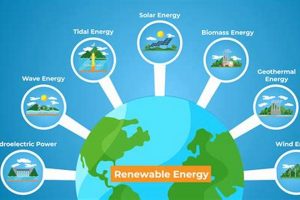
Renewable energy investment opportunities represent a critical component of the global transition towards a sustainable energy future. Exploration of various technologies, including solar, wind, hydropower, geothermal, and biomass, reveals a diverse range of investment options, each with distinct characteristics, potential benefits, and associated risks. Careful consideration of factors such as resource availability, technological maturity, regulatory frameworks, and investment vehicles is essential for informed decision-making within this dynamic sector. Furthermore, understanding the environmental and social impacts of renewable energy projects is crucial for aligning investment strategies with broader sustainability goals.
The ongoing growth and evolution of the renewable energy sector present significant opportunities for investors seeking both financial returns and positive environmental impact. Continued technological advancements, supportive government policies, and increasing global demand for clean energy are expected to drive further expansion and innovation within this critical market. Strategic allocation of capital towards renewable energy investment opportunities not only contributes to mitigating climate change and promoting energy independence but also positions portfolios for long-term growth and resilience in a rapidly transforming energy landscape.