


The legislative framework in Germany designed to promote electricity generation from renewable sources is a cornerstone of the nation’s energy policy. It mandates priority grid access for renewable energy and establishes feed-in... Read more »
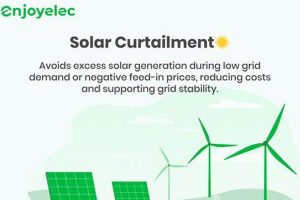
The intentional reduction of electricity generation from renewable sources, such as solar and wind power, occurs when supply exceeds grid capacity or demand. For example, a sunny day with low electricity consumption... Read more »


Employment opportunities in Wisconsin’s burgeoning clean energy sector encompass a wide range of specializations, from solar panel installation and wind turbine maintenance to biofuel production and energy-efficient building design. For example, a... Read more »

A New Jersey-specific mechanism exists to incentivize solar energy production, creating a market-based instrument representing the environmental benefits associated with generating electricity from solar resources. This instrument is tradable and distinct from... Read more »
Powering operations with resources like solar, wind, geothermal, and hydropower is a growing trend among businesses. For example, a manufacturing facility might install rooftop solar panels to offset its electricity consumption or... Read more »
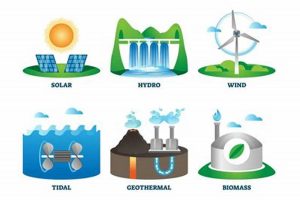
A pair of energy sources derived from naturally replenishing resources offers a viable alternative to finite fossil fuels. For instance, combining solar and wind power can provide a more consistent energy supply... Read more »

A system exists where verifiable attributes of electricity generated from renewable sources are tracked and traded. These attributes, representing proof of generation, are documented in the form of tradable instruments. For example,... Read more »
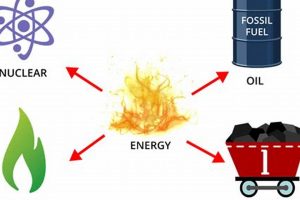
These finite energy sources are characterized by their inability to be replenished at a rate comparable to their consumption. They originate from geological processes occurring over millions of years. Examples include coal,... Read more »
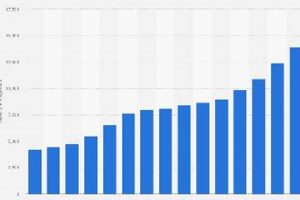
The proportion of Greece’s total energy consumption derived from renewable sources, such as solar, wind, hydro, and biomass, is a key metric for evaluating the nation’s progress towards energy independence, environmental sustainability,... Read more »

Wood fiber sourced from fast-growing aspen trees offers a sustainable biomass option for generating power and producing biofuels. This approach leverages the rapid growth cycle of aspen to provide a readily replenishable... Read more »