


Simultaneous production of electricity and useful heat from a single fuel source offers significant efficiency advantages over separate generation. For instance, a biomass power plant could generate electricity while using the waste... Read more »
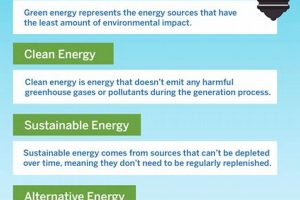
Distinguishing between energy sources that replace conventional fossil fuels and those derived from naturally replenishing resources is crucial for understanding the evolving energy landscape. While both contribute to reducing reliance on finite... Read more »

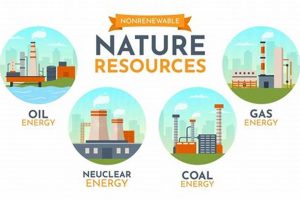
Petroleum, formed from ancient organic matter under immense pressure and heat over millions of years, is a finite resource. Its extraction and refinement provide fuels for transportation, heating, and electricity generation, as... Read more »
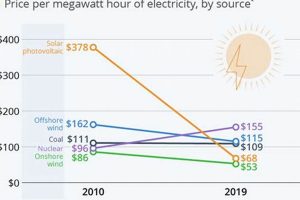
The cost comparison between renewable and non-renewable energy sources is a complex issue involving numerous factors. Analyzing relative expenses requires consideration of initial investment costs (e.g., solar panel installation versus building a... Read more »
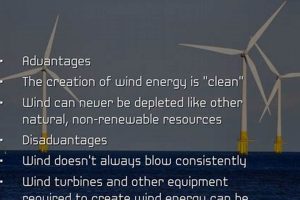
The question of whether a power source replenishes naturally over a human timescale is fundamental to its classification. Energy derived from moving air currents is categorized based on its origin and availability.... Read more »

While the terms are often used interchangeably, a distinction exists between renewable and environmentally friendly power sources. Renewable energy refers to any energy source that is naturally replenished over a relatively short... Read more »
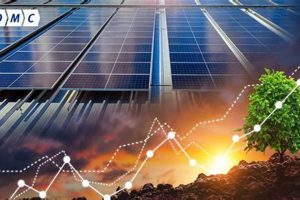
The expansion of national economies is increasingly intertwined with the adoption and development of sustainable energy sources. For instance, investments in solar and wind power infrastructure create jobs in manufacturing, installation, and... Read more »

The generation of electricity from sunlight constitutes a crucial element in the global transition toward sustainable energy solutions. Understanding the quantifiable aspects of this energy source, including efficiency rates, cost analyses, and... Read more »
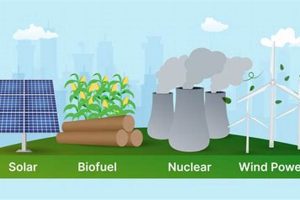
Elements from the earth and its atmosphere that support life and can be replenished within a human lifespan are vital components of a sustainable ecosystem. These include sunlight, wind, water, geothermal heat,... Read more »
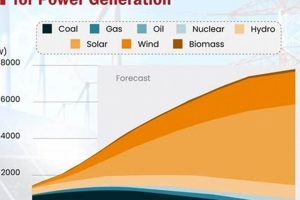
The People’s Republic of China’s power generation sector increasingly utilizes sources like solar, wind, hydro, and biomass. For example, massive solar farms in the Gobi Desert and extensive wind turbine deployments along... Read more »