



This global agricultural giant’s efforts in sustainable power generation encompass a diverse portfolio, including biofuels like ethanol and biodiesel, wind and solar power projects, and investments in innovative technologies designed to reduce... Read more »
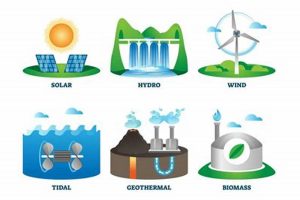
Harnessing power from naturally replenishing sources presents a vital alternative to traditional fossil fuels. These sources include solar, wind, and hydropower, each offering a distinct method of converting natural processes into usable... Read more »

Biomass energy derived from fast-growing trees like the river birch offers a sustainable alternative to fossil fuels. This renewable energy source involves cultivating and harvesting these trees specifically for energy production, often... Read more »
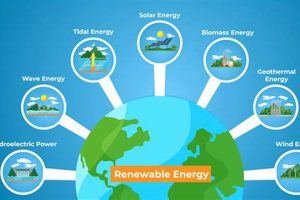
Various naturally replenishing resources can be harnessed to generate power. These sustainable alternatives offer a clean contrast to traditional fossil fuels. For example, solar irradiance can be converted directly into electricity through... Read more »
In Delaware, electricity suppliers meet state-mandated renewable portfolio standards (RPS) by generating or purchasing qualified renewable energy. One unit of verified renewable electricity generation equals one tradable certificate. These certificates represent the... Read more »

Early-stage investments in sustainable power generation, such as solar, wind, hydro, geothermal, and biomass energy, are crucial for fostering innovation and driving the transition to a cleaner energy future. These investments often... Read more »

Positions within investment firms specializing in financing companies focused on sustainable power sources like solar, wind, hydro, geothermal, and biomass constitute a growing sector. These roles involve identifying promising ventures, conducting due... Read more »
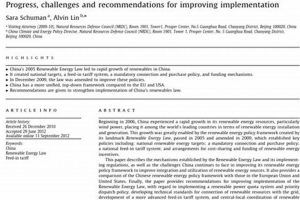
The legal framework governing sustainable power generation in China encompasses a complex interplay of national legislation, administrative regulations, and local policies. This framework aims to promote the development and utilization of resources... Read more »
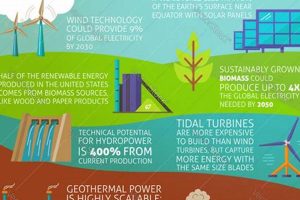
Harnessing power from naturally replenishing resources offers significant advantages across environmental, economic, and social domains. These advantages stem from the fundamental nature of resources like sunlight, wind, water, and geothermal heat, which... Read more »
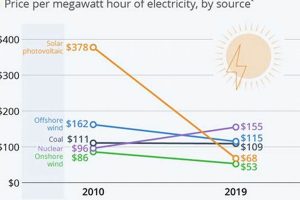
The price consumers and businesses pay for electricity generated from sources like solar, wind, hydro, and geothermal is typically calculated on a per-kilowatt-hour basis. This metric reflects the expenses associated with developing,... Read more »