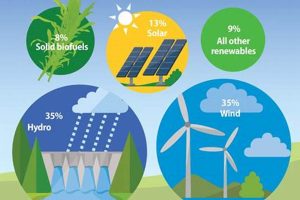
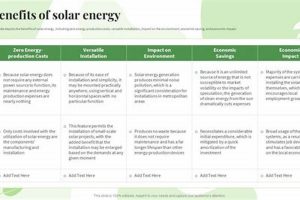
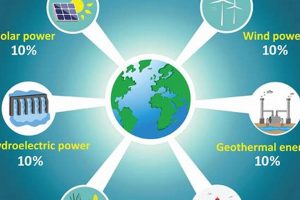
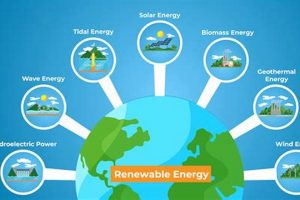
Harnessing power from naturally replenishing resources offers significant advantages across environmental, economic, and social domains. These advantages stem from the fundamental nature of resources like sunlight, wind, water, and geothermal heat, which are continuously available on a human timescale. An example is the generation of electricity using solar photovoltaic panels, converting sunlight directly into usable power.
The shift toward utilizing these sustainable power solutions yields multifaceted rewards. It promotes energy independence by reducing reliance on finite fossil fuels, often concentrated in specific geographic regions. Furthermore, it stimulates economic growth through the creation of new industries, manufacturing opportunities, and skilled employment in areas like installation, maintenance, and research. Historically, reliance on fossil fuels has led to economic vulnerabilities and geopolitical tensions, factors mitigated by diversification towards locally available, renewable alternatives.
The following sections will detail the specific environmental improvements achieved, the positive impacts on public health, the diverse economic opportunities presented, and the contributions to a more stable and secure energy future, all resultant from widespread adoption of power derived from sustainable resources.
Strategies for Maximizing Advantages of Sustainable Energy
The subsequent guidelines are designed to optimize the positive outcomes associated with the widespread implementation of environmentally friendly power technologies. These strategies address various aspects of deployment, from policy initiatives to individual consumption habits.
Tip 1: Incentivize Private Sector Investment: Government policies can significantly accelerate adoption by offering tax credits, subsidies, and streamlined permitting processes for renewable energy projects. This reduces upfront costs and improves return on investment, encouraging private entities to participate actively.
Tip 2: Invest in Grid Modernization: An upgraded and resilient electricity grid is essential for effectively integrating intermittent power sources, such as solar and wind. Smart grid technologies, including advanced sensors and energy storage solutions, enhance grid stability and reliability.
Tip 3: Promote Energy Efficiency: Reducing overall energy demand minimizes the required investment in new power generation capacity, regardless of the source. Building codes that mandate energy-efficient construction, appliance standards, and public awareness campaigns can collectively contribute to lower consumption.
Tip 4: Support Research and Development: Continuous innovation is critical for improving the efficiency, affordability, and reliability of renewable energy technologies. Funding research into advanced materials, energy storage systems, and grid management techniques will yield long-term benefits.
Tip 5: Foster Public Education and Awareness: Educating the public about the environmental and economic advantages of renewable energy is vital for gaining widespread support and driving consumer demand. Clear, factual information dispels misconceptions and promotes informed decision-making.
Tip 6: Implement Carbon Pricing Mechanisms: Establishing a price on carbon emissions, either through a carbon tax or a cap-and-trade system, internalizes the environmental costs of fossil fuels, making renewable energy sources more competitive. This creates a financial incentive for businesses and individuals to reduce their carbon footprint.
Tip 7: Develop Robust Energy Storage Solutions: Addressing the intermittency challenge requires advanced energy storage technologies, such as batteries, pumped hydro, and compressed air energy storage. Investing in these technologies enhances the reliability and dispatchability of renewable energy, enabling it to meet peak demand and provide baseload power.
These proactive measures, when implemented comprehensively, ensure that the potential benefits of sustainable power solutions are fully realized, contributing to a cleaner environment, a stronger economy, and a more sustainable energy future.
Consideration of the aforementioned suggestions will facilitate a more effective transition toward a sustainable energy paradigm.
1. Reduced Emissions

Mitigating greenhouse gas emissions constitutes a primary imperative in the transition to sustainable energy systems. The displacement of fossil fuel-based power generation with renewable alternatives directly addresses the escalating climate crisis and its associated environmental and societal repercussions.
- Diminished Carbon Dioxide (CO2) Output
Renewable energy sources, such as solar, wind, and hydro, produce minimal to no CO2 during operation, unlike coal and natural gas power plants. The combustion of fossil fuels releases significant quantities of CO2, the primary greenhouse gas contributing to global warming. Switching to renewable technologies substantially decreases this output, thereby slowing the rate of climate change. For example, replacing a coal-fired power plant with a wind farm results in a dramatic reduction in CO2 emissions over the facility’s lifespan.
- Alleviation of Air Pollution
Fossil fuel combustion also generates harmful air pollutants, including nitrogen oxides (NOx), sulfur dioxide (SO2), and particulate matter (PM2.5), which pose significant risks to public health. These pollutants contribute to respiratory illnesses, cardiovascular diseases, and other health problems. Renewable energy facilities, on the other hand, generally produce negligible air pollution, leading to improved air quality and a healthier environment. The installation of solar panels on residential rooftops, for instance, can reduce local air pollution and improve the health outcomes of nearby communities.
- Mitigation of Methane Emissions
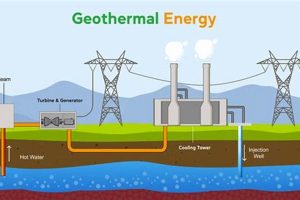
The extraction and transportation of natural gas, a fossil fuel often touted as a cleaner alternative to coal, are associated with significant methane emissions. Methane is a potent greenhouse gas with a far higher warming potential than CO2 over a shorter timeframe. Renewable energy sources, particularly those that do not rely on combustion, avoid these methane emissions, contributing to a more stable climate. The utilization of geothermal energy, for example, offers a reliable baseload power source without the methane leakage associated with natural gas infrastructure.
- Reduced Environmental Degradation
The extraction and transport of fossil fuels often result in extensive environmental damage, including habitat destruction, oil spills, and water contamination. Renewable energy projects, while not without their own environmental impacts, generally have a smaller footprint and less severe consequences. For example, wind farms can impact bird and bat populations, but these impacts can be mitigated through careful siting and operational adjustments. The reduced reliance on fossil fuels minimizes the overall environmental burden of energy production.
The reduction of emissions through the deployment of renewable energy technologies presents a compelling argument for their widespread adoption. The cumulative benefits of mitigating CO2 output, alleviating air pollution, curtailing methane emissions, and reducing environmental degradation underscore the critical role renewable energy plays in fostering a sustainable and healthy future.
2. Energy Security

Energy security, defined as the uninterrupted availability of energy sources at an affordable price, is significantly enhanced through the adoption of renewable energy sources. This enhancement stems from the diversification of energy supply, reduced reliance on geopolitical factors, and the decentralization of energy production.
- Diversification of Energy Mix
Renewable energy sources, including solar, wind, hydro, and geothermal, contribute to a more diversified energy portfolio. This diversification reduces dependence on any single energy source, mitigating risks associated with supply disruptions or price volatility. For instance, a country heavily reliant on imported natural gas can improve its energy security by developing domestic wind and solar power generation facilities. This diminishes vulnerability to geopolitical events affecting natural gas supply chains.
- Reduced Geopolitical Dependence
Fossil fuels are often concentrated in specific geographic regions, creating geopolitical dependencies. Countries reliant on imports from these regions are susceptible to political instability, trade disputes, and supply disruptions. Renewable energy sources, on the other hand, are more widely distributed, reducing the leverage of any single nation or region over global energy markets. Solar and wind resources are available in most countries, allowing for greater energy independence.
- Decentralized Energy Production
Renewable energy technologies facilitate decentralized energy production. Distributed generation systems, such as rooftop solar panels and small-scale wind turbines, enable individuals, communities, and businesses to generate their own electricity. This reduces reliance on centralized power plants and transmission infrastructure, enhancing grid resilience and minimizing the impact of large-scale outages. Local energy production fosters greater autonomy and control over energy supply.
- Mitigation of Price Volatility
Fossil fuel prices are subject to significant fluctuations due to supply and demand imbalances, geopolitical events, and market speculation. Renewable energy sources, particularly solar and wind, have relatively stable operating costs once the initial investment has been made. This price stability provides greater predictability and affordability for consumers and businesses, reducing the economic impact of energy price shocks. Long-term power purchase agreements (PPAs) for renewable energy projects offer predictable electricity prices for decades.
The enhanced energy security resulting from the integration of renewable energy sources offers significant strategic advantages. By diversifying supply, reducing geopolitical dependencies, decentralizing production, and mitigating price volatility, nations can achieve greater control over their energy future and foster a more resilient and stable energy system. The deployment of renewable energy technologies contributes to a more secure and sustainable energy landscape.
3. Job creation

The renewable energy sector presents a significant opportunity for employment generation across diverse skill sets. This facet of the benefits associated with sustainable energy sources holds considerable importance, particularly in regions seeking economic diversification and growth. The expansion of renewable energy infrastructure creates new jobs and stimulates economic activity across various segments of the workforce.
- Manufacturing and Component Production
The production of solar panels, wind turbines, and other renewable energy components necessitates a robust manufacturing base. This includes jobs in materials science, engineering, assembly, and quality control. The establishment of domestic manufacturing facilities for these components can create high-skilled, well-paying jobs and reduce reliance on foreign suppliers. An example includes the establishment of solar panel manufacturing plants within a country, reducing import dependency and fostering local expertise.
- Installation and Construction
The deployment of renewable energy projects requires a skilled workforce for installation, construction, and project management. This includes electricians, construction workers, engineers, and project managers. These jobs are often located in the areas where the renewable energy projects are being developed, providing economic benefits to local communities. Large-scale wind farm construction, for instance, requires a significant influx of construction personnel, stimulating the local economy during the project’s lifespan.
- Operations and Maintenance
Once renewable energy facilities are operational, they require ongoing maintenance and monitoring. This creates long-term, stable jobs for technicians, engineers, and maintenance personnel. The operation and maintenance of renewable energy facilities provide sustained employment opportunities in rural and underserved areas. Solar panel cleaning and wind turbine maintenance are examples of consistent employment sectors.
- Research and Development
Continuous innovation is crucial for improving the efficiency and affordability of renewable energy technologies. This requires investment in research and development, creating jobs for scientists, engineers, and researchers. Research institutions and private companies involved in renewable energy technology development contribute to long-term job growth and economic competitiveness. The development of advanced battery storage technologies, for example, creates numerous research and engineering positions.
These diverse facets of job creation within the renewable energy sector collectively contribute to the broader economic benefits associated with sustainable energy sources. The shift toward renewable energy not only promotes environmental sustainability but also stimulates economic growth and creates valuable employment opportunities across various skill levels and geographic locations. The renewable energy sector’s job creation potential is a significant factor driving its increasing adoption and contributing to a more prosperous and sustainable future.
4. Resource Availability

The extent and accessibility of renewable resources are fundamental determinants of the practical advantages derived from their utilization. The inherent renewability and widespread distribution of these resources distinguish them from finite fossil fuels, significantly influencing energy security, economic stability, and environmental sustainability.
- Geographic Distribution and Energy Independence
Renewable energy resources, such as solar irradiance and wind patterns, are geographically diverse, allowing numerous regions to harness their own energy potential. This reduces reliance on concentrated fossil fuel deposits, diminishing geopolitical dependencies and fostering energy independence. For example, nations with abundant sunshine can leverage solar photovoltaic technology, while coastal regions with consistent winds can utilize wind farms to generate electricity, lessening their dependence on foreign energy imports.
- Sustainability and Long-Term Security
Unlike fossil fuels, which are finite and subject to depletion, renewable resources replenish naturally over time. This characteristic ensures a sustainable energy supply for future generations. Properly managed, solar, wind, hydro, and geothermal resources offer a virtually inexhaustible source of energy, mitigating the risk of resource scarcity and ensuring long-term energy security. For instance, sustainable forestry practices combined with biomass energy generation provide a renewable fuel source without depleting forest ecosystems.
- Impact of Technological Advancements
Technological progress plays a crucial role in unlocking previously inaccessible renewable resources. Innovations in solar panel efficiency, wind turbine design, and geothermal drilling techniques expand the range of viable locations for renewable energy projects. Advanced energy storage solutions, such as batteries and pumped hydro, address the intermittency of solar and wind power, enabling their integration into the energy grid and enhancing resource utilization. The development of floating offshore wind turbines, for example, allows harnessing wind resources in deeper waters, opening up vast new areas for wind energy development.
- Environmental Considerations of Resource Extraction
While renewable energy resources are generally sustainable, the extraction and processing of materials used in renewable energy technologies can have environmental impacts. Responsible sourcing and recycling of materials, along with minimizing land use and habitat disruption, are essential for maximizing the overall benefits of renewable energy. The mining of lithium for battery production, for example, must be conducted in a sustainable manner to avoid environmental degradation and ensure the long-term viability of energy storage solutions.
The accessibility and sustainability of renewable energy resources directly influence their potential to deliver energy security, economic stability, and environmental benefits. Continued technological innovation, responsible resource management, and strategic policy implementation are crucial for maximizing the positive impact of renewable energy resources on global energy systems.
5. Price stability

The predictability and stability of energy prices constitute a critical element in assessing the comprehensive advantages associated with renewable energy sources. Fluctuations in energy costs can significantly impact economic planning, consumer affordability, and overall market stability. Renewable energy technologies offer a pathway to mitigate these price volatilities, providing more consistent and reliable energy expenses over the long term.
- Reduced Fuel Price Exposure
Renewable energy sources, such as solar and wind, do not require ongoing fuel purchases. This eliminates exposure to the fluctuating costs of fossil fuels, which are subject to geopolitical instability, supply disruptions, and market speculation. Once a renewable energy facility is constructed, its operating costs are largely independent of fuel price volatility, leading to more predictable energy expenses. Long-term power purchase agreements (PPAs) with renewable energy generators can further stabilize electricity prices for consumers and businesses.
- Lower Operating Costs
The operating costs of renewable energy facilities are generally lower than those of fossil fuel-based power plants. Solar panels and wind turbines require minimal maintenance and do not incur fuel costs, resulting in reduced operational expenses. This contributes to the long-term price competitiveness of renewable energy, making it an attractive option for consumers and businesses seeking stable and affordable energy. The lower operating costs can translate into savings for ratepayers and increased profitability for energy providers.
- Hedge Against Inflation
Renewable energy projects serve as a hedge against inflation in the energy sector. Fossil fuel prices tend to rise with inflation, impacting electricity rates and heating costs. Renewable energy, with its minimal fuel costs, is less susceptible to inflationary pressures, providing a buffer against rising energy expenses. This makes renewable energy a valuable asset for managing long-term energy costs and protecting consumers from the effects of inflation.
- Long-Term Cost Predictability
The long-term cost predictability of renewable energy allows for more effective financial planning and investment decisions. Businesses can accurately forecast their energy expenses, enabling them to make informed decisions about capital investments and operational strategies. Consumers can budget their energy costs with greater certainty, reducing financial stress and improving household stability. The predictable cost structure of renewable energy contributes to a more stable and sustainable economic environment.
The inherent price stability associated with renewable energy sources represents a significant benefit for individuals, businesses, and governments. By reducing exposure to fuel price volatility, lowering operating costs, hedging against inflation, and providing long-term cost predictability, renewable energy contributes to a more stable and sustainable energy economy. This price stability is a crucial factor driving the increasing adoption of renewable energy technologies worldwide.
6. Public Health
The integration of renewable energy sources into the power grid offers substantial enhancements to public health outcomes, directly attributable to the reduction of air pollution and the mitigation of climate-related health risks. The shift away from fossil fuel combustion inherently benefits populations by diminishing exposure to harmful pollutants.
- Reduced Respiratory Illnesses
Fossil fuel power plants release particulate matter, nitrogen oxides, and sulfur dioxide, all of which exacerbate respiratory illnesses such as asthma and bronchitis. Renewable energy facilities, particularly solar and wind, produce minimal to no such emissions during operation. Consequently, communities located near renewable energy installations experience a demonstrable decrease in the incidence and severity of respiratory ailments. A transition from coal to wind power in a given region correlates with fewer hospital admissions for respiratory conditions.
- Decreased Cardiovascular Diseases
Air pollution is a significant risk factor for cardiovascular diseases, including heart attacks and strokes. Fine particulate matter can penetrate deep into the lungs and bloodstream, contributing to inflammation and arterial damage. By reducing air pollution levels, renewable energy sources contribute to a decline in cardiovascular disease rates. Studies have shown a direct correlation between reductions in air pollution and improvements in cardiovascular health indicators in urban areas.
- Lower Cancer Risk
Exposure to certain air pollutants, such as benzene and formaldehyde emitted from fossil fuel combustion, increases the risk of developing various types of cancer. The shift to renewable energy diminishes the release of these carcinogenic pollutants, thereby reducing the overall cancer burden in affected communities. The decommissioning of coal-fired power plants and their replacement with renewable energy sources can measurably lower the lifetime cancer risk for nearby residents.
- Mitigation of Climate Change Impacts
Climate change, driven largely by greenhouse gas emissions from fossil fuel combustion, poses numerous threats to public health, including heat waves, extreme weather events, and the spread of infectious diseases. Renewable energy sources help mitigate climate change by reducing greenhouse gas emissions, thereby lessening the severity of these health risks. Increased reliance on renewable energy contributes to a more stable climate and a healthier future for all populations.
The nexus between public health and renewable energy underscores the profound societal benefits of transitioning to a sustainable energy system. The reduction of air pollution and the mitigation of climate change impacts directly translate to improved health outcomes, reduced healthcare costs, and a higher quality of life for communities worldwide. These public health benefits, alongside other advantages, reinforce the imperative for widespread adoption of renewable energy technologies.
7. Grid Resilience

Grid resilience, the ability of an electrical grid to withstand and recover rapidly from disruptions, is intrinsically linked to the positive attributes associated with environmentally sustainable power generation. The incorporation of diverse, distributed, and often modular power sources, characteristic of renewable energy systems, significantly enhances the grid’s capacity to absorb and adapt to unforeseen events. This inherent improvement in resilience is a direct consequence of the technology and infrastructure choices associated with a shift away from centralized, fossil fuel-dependent models.
Decentralized power generation, exemplified by rooftop solar installations and community wind farms, reduces reliance on long transmission lines that are vulnerable to weather events and physical attacks. A geographically distributed network of renewable energy sources provides redundancy, ensuring that localized disruptions do not cascade into widespread blackouts. Microgrids, often powered by renewable energy, can operate independently during grid outages, providing essential services to critical facilities such as hospitals and emergency response centers. The aftermath of Hurricane Maria in Puerto Rico demonstrated the vulnerabilities of a centralized grid and the potential of distributed renewable energy systems to provide resilient power solutions in the face of catastrophic events. Furthermore, advanced grid management technologies, such as smart grids and energy storage systems, facilitate the integration of variable renewable energy sources while simultaneously enhancing grid stability and responsiveness. These technologies enable the grid to anticipate and react to fluctuations in power supply and demand, mitigating the impact of intermittent renewable energy sources like solar and wind.
Ultimately, the advancement of grid resilience through the strategic deployment of environmentally responsible energy generation methodologies contributes to a more stable, secure, and sustainable energy infrastructure. While challenges remain in optimizing the integration of variable renewable resources, the enhanced resilience offered by these technologies is a critical component of their overall value proposition, supporting a more reliable and robust electricity supply for all consumers. The economic and social benefits of a resilient grid, particularly in the face of increasing climate-related extreme weather events, are substantial and underscore the importance of continued investment in renewable energy infrastructure and grid modernization.
Frequently Asked Questions
The following section addresses common inquiries regarding the merits of adopting renewable energy technologies. These responses aim to clarify prevalent misunderstandings and provide a factual basis for informed decision-making.
Question 1: Are renewable energy sources truly cost-competitive with fossil fuels?
The levelized cost of energy (LCOE) for many renewable energy technologies, such as solar and wind, has decreased significantly in recent years. In many locations, these sources are now cost-competitive or even cheaper than new fossil fuel power plants. Factors such as fuel costs, carbon pricing, and technological advancements will likely further enhance the economic competitiveness of renewable energy.
Question 2: Can renewable energy provide a reliable baseload power supply?
While some renewable energy sources, like solar and wind, are intermittent, others, such as geothermal and biomass, can provide consistent baseload power. Furthermore, advanced energy storage technologies, such as batteries and pumped hydro, can mitigate the intermittency of solar and wind, enabling them to meet baseload demand. A diversified energy mix that includes both baseload and intermittent renewable sources can ensure a reliable power supply.
Question 3: What are the environmental impacts of renewable energy technologies?
Although renewable energy sources generally have a lower environmental impact than fossil fuels, they are not entirely without consequences. Hydropower dams can impact aquatic ecosystems, wind farms can pose a risk to birds and bats, and solar panel manufacturing can involve the use of certain materials. However, these impacts can be mitigated through careful siting, technological advancements, and responsible manufacturing practices. The overall environmental footprint of renewable energy is significantly less than that of fossil fuels.
Question 4: How can the intermittency of solar and wind energy be addressed?
Several strategies can be employed to address the intermittency of solar and wind energy. These include geographic diversification of renewable energy sources, advanced weather forecasting, demand response programs, and energy storage solutions. A combination of these approaches can ensure a reliable and stable electricity supply, even with high penetrations of intermittent renewable energy.
Question 5: Do renewable energy sources create jobs?
Yes, the renewable energy sector is a significant source of job creation. Renewable energy projects require skilled workers for manufacturing, installation, maintenance, and research. The shift to renewable energy can stimulate economic growth and create new employment opportunities in various sectors.
Question 6: What role does government policy play in promoting renewable energy adoption?
Government policies can play a crucial role in accelerating the adoption of renewable energy technologies. These policies can include tax incentives, subsidies, renewable energy standards, and carbon pricing mechanisms. Supportive government policies can create a level playing field for renewable energy and encourage investment in sustainable energy projects.
In summation, the integration of renewable energy presents a compelling pathway towards a more sustainable, secure, and economically advantageous energy future.
The subsequent discussion will delve into the practical steps for individuals to support the broader adoption of renewable resources within their daily lives.
Conclusion
This exploration of the advantages associated with sustainable energy resources underscores their significance in shaping a more secure and environmentally sound future. The documented reductions in emissions, enhanced energy independence, creation of employment opportunities, resource sustainability, price stabilization, improvements in public health, and fortified grid resilience collectively present a compelling case for the broader adoption of these technologies. The presented evidence demonstrates that the integration of solar, wind, hydro, and geothermal power generation offers tangible and far-reaching improvements across diverse sectors of society.
The pursuit of these advantages requires continued investment in research, infrastructure, and policy development. The realization of the full potential inherent in renewable energy sources demands a sustained commitment to innovation and a clear-sighted understanding of the challenges and opportunities that lie ahead. The progress made thus far provides a solid foundation upon which to build a more sustainable and resilient energy future for generations to come; a future where environmental stewardship and economic prosperity are inextricably linked.