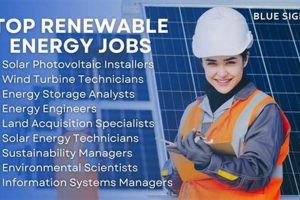
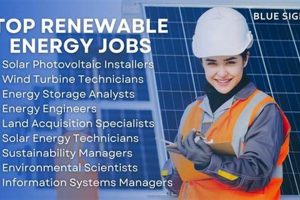
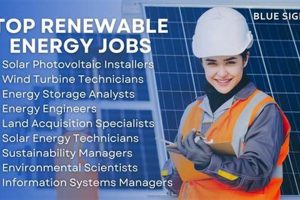
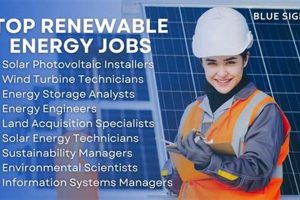
Employment opportunities within the renewable energy sector encompass a wide range of roles, from scientists and engineers developing innovative technologies to technicians installing and maintaining equipment like solar panels and wind turbines. Manufacturing positions producing components for these technologies are also included, as are roles in project management, sales, and finance supporting the industry’s growth. For instance, a solar power plant requires engineers to design the system, technicians to install it, and financial analysts to manage project costs.
This sector offers significant societal benefits, including reduced reliance on fossil fuels, decreased greenhouse gas emissions, and improved air quality. Historically, the growth of these career paths has been driven by increasing environmental awareness, technological advancements, and supportive government policies. This expanding field offers not only promising career prospects for individuals but also contributes to a more sustainable energy future for all.
The following sections will delve deeper into specific career paths within the renewable energy sector, exploring required skills, educational backgrounds, and potential for future growth. Further discussion will focus on the impact of government policies and technological innovation on the industry’s continued expansion.
Tips for Pursuing a Career in Renewable Energy
Navigating the dynamic landscape of the renewable energy sector requires strategic planning and focused effort. The following tips offer guidance for individuals seeking to enter or advance within this growing field.
Tip 1: Develop Specialized Skills: Acquiring expertise in specific areas like solar photovoltaic installation, wind turbine maintenance, or energy storage technologies can significantly enhance career prospects. Formal training programs and certifications demonstrate competency to potential employers.
Tip 2: Network Strategically: Attending industry conferences, joining professional organizations, and connecting with individuals already working in the field can provide valuable insights and potential job leads.
Tip 3: Research Industry Trends: Staying abreast of emerging technologies, policy changes, and market developments is crucial for making informed career decisions. Subscribing to industry publications and following relevant online resources can provide valuable updates.
Tip 4: Gain Practical Experience: Internships, volunteer work, or entry-level positions can provide valuable hands-on experience and demonstrate practical skills to employers. Even seemingly unrelated experiences can offer transferable skills applicable to the renewable energy sector.
Tip 5: Highlight Transferable Skills: Individuals with experience in fields like engineering, construction, or project management can leverage these transferable skills to transition into renewable energy roles. Emphasizing these skills on resumes and during interviews can demonstrate adaptability and relevant experience.
Tip 6: Consider Geographic Location: Employment opportunities within the renewable energy sector can vary significantly by region. Researching areas with high growth potential and aligning career goals with regional industry strengths can increase chances of success.
Tip 7: Focus on Continued Learning: The renewable energy field is constantly evolving. Pursuing continuing education opportunities, attending workshops, and obtaining further certifications demonstrate a commitment to professional development and can enhance career advancement.
By implementing these strategies, individuals can effectively position themselves for success in the dynamic and expanding renewable energy sector.
These tips offer a starting point for navigating the renewable energy job market. The following section will explore the long-term career outlook and the broader societal impacts of this rapidly growing industry.
1. Growth Potential

The growth potential of the renewable energy sector is a significant driver for employment opportunities. Increasing global demand for clean energy, coupled with declining costs of renewable energy technologies, fuels expansion across the industry. This growth translates directly into a rising demand for skilled professionals across various segments, including solar, wind, hydropower, and geothermal energy. For example, the increasing affordability of solar photovoltaic systems has led to a surge in installations, creating numerous jobs in manufacturing, installation, maintenance, and project management. Similarly, advancements in wind turbine technology have spurred the development of large-scale wind farms, generating employment in areas like turbine maintenance and grid integration.
This growth potential offers promising career pathways for individuals seeking to enter the field. The demand for specialized skills in areas like energy storage, smart grid technologies, and energy efficiency further amplifies the opportunities available. Moreover, the transition to a sustainable energy future necessitates a workforce capable of developing, implementing, and maintaining these technologies, ensuring long-term career stability and growth. The increasing integration of renewable energy sources into existing power grids also presents opportunities for professionals with expertise in grid modernization and management.
Understanding the growth potential within the renewable energy sector is crucial for both individuals seeking employment and policymakers aiming to foster economic development. While challenges such as fluctuating government policies and the need for ongoing technological innovation exist, the overall trajectory of the industry points towards continued expansion. This positive outlook underscores the significance of investing in education and training programs to develop a skilled workforce capable of meeting the evolving demands of this dynamic sector.
2. Technological Innovation
Technological innovation plays a crucial role in the evolution and expansion of the renewable energy job market. Advancements in renewable energy technologies drive down costs, improve efficiency, and open new avenues for implementation, ultimately influencing both the type and number of employment opportunities available. Understanding these advancements is critical for anticipating future workforce needs and developing effective training programs.
- Improved Energy Storage
Developments in battery technology and other energy storage solutions are critical for addressing the intermittency of renewable energy sources like solar and wind power. More efficient and cost-effective storage solutions enable greater grid integration of renewables, creating jobs in areas like battery manufacturing, system installation, and grid management. For instance, the growing demand for lithium-ion batteries has spurred significant growth in battery manufacturing facilities and related supply chains, creating numerous employment opportunities.
- Smart Grid Technologies
Smart grids utilize digital technologies to optimize energy distribution and consumption. These technologies are essential for managing the increasing complexity of integrating renewable energy sources into existing power grids. Consequently, demand for professionals with expertise in areas like data analytics, cybersecurity, and grid modernization is rising. As smart grids become more prevalent, opportunities for software developers, network engineers, and data scientists within the renewable energy sector are expanding.
- Advanced Materials for Renewable Energy Generation
Research into new materials, such as perovskites for solar cells or advanced composites for wind turbine blades, continues to improve the efficiency and durability of renewable energy technologies. These advancements create demand for materials scientists, chemical engineers, and manufacturing specialists to develop and produce these cutting-edge components. For example, the development of more efficient solar cell materials can lead to increased production and installation of solar panels, driving job growth in related fields.
- Artificial Intelligence and Machine Learning
Artificial intelligence and machine learning are being increasingly applied to optimize renewable energy systems, from predicting energy generation to automating maintenance tasks. This integration creates new roles for data scientists, software engineers, and AI specialists within the renewable energy industry. For instance, machine learning algorithms can be used to predict wind patterns and optimize turbine performance, increasing energy output and creating demand for professionals skilled in developing and implementing these algorithms.
These technological advancements not only create new job categories within the renewable energy sector but also influence existing roles. As technology evolves, continuous learning and upskilling become crucial for professionals seeking to remain competitive in this dynamic field. The ongoing interplay between technological innovation and workforce development will continue to shape the future of renewable energy employment, driving both economic growth and the transition to a sustainable energy future. Moreover, the increasing interconnectedness of these technologies requires a workforce capable of integrating diverse skill sets, from materials science to data analysis, to effectively develop and deploy comprehensive renewable energy solutions.
3. Skilled Workforce Needs
A significant barrier to the continued expansion of the renewable energy sector lies in the growing demand for a skilled workforce. The specialized nature of renewable energy technologies necessitates expertise across a range of disciplines, from engineering and manufacturing to installation and maintenance. This demand creates a critical need for targeted education and training programs to equip individuals with the skills necessary to fill these roles. For example, the increasing complexity of wind turbine technology requires skilled technicians capable of performing sophisticated maintenance and repair procedures. Similarly, the design and implementation of large-scale solar photovoltaic systems demand specialized engineering expertise. Without a sufficient pool of qualified professionals, the growth of the renewable energy sector faces significant constraints.
The connection between skilled workforce needs and renewable energy employment is a reciprocal one. The increasing demand for renewable energy technologies creates employment opportunities, while the specialized nature of these technologies simultaneously necessitates a skilled workforce. This dynamic creates both challenges and opportunities. For instance, the rapid growth of the offshore wind industry presents significant employment potential but also requires a workforce trained in specialized offshore installation and maintenance techniques. Addressing this skills gap requires strategic investment in training programs and partnerships between educational institutions and industry stakeholders. Furthermore, attracting and retaining skilled professionals within the renewable energy sector requires competitive compensation and benefits packages, as well as opportunities for career advancement. Failure to address these workforce challenges could hinder the growth of the industry and impede the transition to a sustainable energy future.
The availability of a skilled workforce is essential for the continued growth and success of the renewable energy sector. Investing in education, training, and workforce development is crucial for meeting the evolving demands of this dynamic industry. Addressing the skills gap not only unlocks employment opportunities but also contributes to a more sustainable and secure energy future. Policymakers, educational institutions, and industry stakeholders must collaborate to develop and implement strategies that ensure a robust and skilled workforce capable of driving the transition to a cleaner energy future. This collaborative effort will require ongoing assessment of workforce needs, development of targeted training programs, and implementation of policies that incentivize participation in the renewable energy sector.
4. Economic Impact
The economic impact of renewable energy employment extends beyond individual job creation. Growth in this sector stimulates local economies, fosters innovation, and contributes to broader economic diversification. Understanding these multifaceted economic effects is crucial for policymakers seeking to promote sustainable economic development.
- Job Creation Across Multiple Sectors
Renewable energy development generates employment opportunities across a wide range of sectors, including manufacturing, construction, installation, maintenance, and research. For example, the production of solar panels creates manufacturing jobs, while the construction of wind farms generates employment in the construction industry. This diversification of job creation strengthens local economies and reduces dependence on single industries.
- Rural Economic Revitalization
Renewable energy projects are often located in rural areas, providing economic opportunities in communities traditionally reliant on declining industries like agriculture or fossil fuel extraction. Wind farms, solar installations, and bioenergy projects can inject much-needed capital into these areas, stimulating local businesses and improving infrastructure. This revitalization effect can contribute to population retention and improved quality of life in rural communities.
- Investment and Innovation
The renewable energy sector attracts significant investment, driving innovation in both technology and business models. This investment fuels research and development, leading to more efficient and cost-effective renewable energy technologies. The resulting innovation further stimulates economic growth and creates new opportunities for entrepreneurs and businesses in related fields. For example, investments in battery storage technology have driven down costs and improved performance, creating new markets and employment opportunities.
- Reduced Healthcare Costs
Transitioning to renewable energy sources reduces air pollution, leading to improved public health outcomes and lower healthcare costs. Reduced emissions of pollutants like particulate matter and nitrogen oxides can decrease respiratory illnesses and cardiovascular diseases. These health benefits translate into economic savings for individuals, businesses, and healthcare systems. These cost savings can then be reinvested into other areas of the economy, furthering economic growth.
The economic impact of renewable energy employment extends far beyond direct job creation. The growth of this sector contributes to a more diversified and resilient economy, stimulates innovation, and improves public health. By understanding the interconnectedness of these economic benefits, policymakers can develop strategies that maximize the positive economic impacts of the transition to a sustainable energy future. This transition requires strategic investments in education, training, and infrastructure to support the continued growth of the renewable energy sector and ensure long-term economic prosperity. Moreover, recognizing the diverse economic benefits of renewable energy employment can encourage further investment and accelerate the transition to a cleaner and more sustainable energy system.
5. Environmental Benefits

Renewable energy employment offers substantial environmental benefits, directly contributing to a healthier planet and mitigating the effects of climate change. These benefits are intrinsically linked to the growth and development of the renewable energy sector, creating a positive feedback loop where job creation supports environmental protection, which in turn drives further demand for renewable energy solutions.
- Reduced Greenhouse Gas Emissions
Renewable energy sources, unlike fossil fuels, produce little to no greenhouse gas emissions during operation. The transition to renewable energy-based power generation significantly reduces emissions contributing to climate change. For instance, replacing a coal-fired power plant with a wind farm eliminates a major source of carbon dioxide emissions. The resulting decrease in atmospheric pollutants contributes to mitigating global warming and its associated consequences, such as sea-level rise and extreme weather events. Jobs related to renewable energy deployment, therefore, directly contribute to climate change mitigation.
- Improved Air Quality
Burning fossil fuels releases pollutants like sulfur dioxide, nitrogen oxides, and particulate matter, which contribute to respiratory problems and other health issues. Renewable energy sources produce no such air pollutants, leading to improved air quality and public health outcomes. For example, increased reliance on solar and wind power in urban areas reduces smog and respiratory illnesses. This improvement in air quality translates to a healthier environment and reduces the burden on healthcare systems. Jobs in renewable energy installation and maintenance directly support these public health benefits.
- Water Conservation
Many renewable energy technologies require significantly less water than traditional power generation methods. Unlike conventional power plants that rely on large quantities of water for cooling, solar and wind power require minimal water inputs. This water conservation is particularly important in water-stressed regions. For example, solar farms in arid climates offer a sustainable energy solution without straining limited water resources. Jobs related to the development and implementation of water-efficient renewable energy technologies contribute to sustainable water management practices.
- Protection of Ecosystems and Biodiversity
Renewable energy development, when planned and implemented responsibly, can minimize negative impacts on ecosystems and biodiversity. Compared to the extensive land disruption associated with fossil fuel extraction, renewable energy projects can be designed to minimize habitat destruction. For example, rooftop solar installations utilize existing infrastructure and reduce the need for large-scale land development. Similarly, careful siting of wind farms can minimize impacts on bird and bat populations. Jobs in environmental assessment and sustainable project development within the renewable energy sector are critical for ensuring ecological protection.
These environmental benefits are integral to the growth and development of the renewable energy employment sector. As the demand for clean energy increases, so too does the need for skilled professionals to design, install, maintain, and manage these technologies. The resulting job creation not only contributes to economic growth but also directly supports a healthier and more sustainable environment. Furthermore, the interconnectedness of environmental protection and renewable energy employment creates a positive feedback loop, where environmental benefits drive further demand for renewable energy solutions, leading to increased job creation and further environmental improvements. This virtuous cycle underscores the importance of investing in and supporting the renewable energy sector as a key strategy for both economic development and environmental sustainability.
Frequently Asked Questions about Renewable Energy Careers
This section addresses common inquiries regarding career paths within the renewable energy sector.
Question 1: What are the typical educational requirements for renewable energy jobs?
Educational requirements vary depending on the specific role. Entry-level positions in installation and maintenance may require vocational training or an associate’s degree, while engineering and research positions typically require a bachelor’s or advanced degree in a relevant field. Specialized certifications can further enhance career prospects.
Question 2: How can individuals with experience in other sectors transition into renewable energy?
Transferable skills from fields like engineering, construction, project management, and manufacturing are highly valued in the renewable energy sector. Highlighting these skills on resumes and during interviews, combined with relevant training or certifications, can facilitate a successful career transition.
Question 3: What is the long-term job outlook for the renewable energy sector?
The long-term job outlook for the renewable energy sector is generally positive. Increasing global demand for clean energy and ongoing technological advancements are expected to drive continued job growth in the coming years. However, specific growth areas may vary depending on regional policies and technological developments.
Question 4: Are renewable energy jobs geographically concentrated?
While renewable energy jobs are present throughout the country, some geographic areas offer higher concentrations of opportunities due to factors like resource availability, policy incentives, and industry clusters. Researching regional trends can be beneficial for job seekers.
Question 5: What are the typical salary ranges for renewable energy jobs?
Salary ranges vary depending on factors such as job title, experience level, location, and employer. However, many renewable energy jobs offer competitive salaries compared to other industries, particularly for specialized roles requiring advanced technical skills.
Question 6: How can one stay updated on current trends and job opportunities in the renewable energy sector?
Staying informed about industry trends is crucial. Subscribing to industry publications, following relevant online resources, attending industry conferences, and networking with professionals in the field can provide valuable insights and job leads.
Careful consideration of these frequently asked questions can assist individuals in making informed decisions about pursuing a career in the dynamic and growing renewable energy sector.
For further information, the subsequent section provides resources and links to relevant organizations and career platforms specializing in renewable energy employment opportunities.
Renewable Energy Employment
Exploration of career opportunities within the renewable energy sector reveals a dynamic and evolving landscape. From the technical expertise required for wind turbine maintenance to the financial acumen needed for project development, the industry encompasses a diverse range of skill sets and professional backgrounds. The examination of growth potential, technological innovation, required workforce skills, economic impact, and environmental benefits underscores the significance of this sector in addressing global challenges. Furthermore, analysis of frequently asked questions provides practical guidance for individuals seeking to enter or advance within this field.
The transition to a sustainable energy future necessitates a robust and adaptable workforce. Investment in education, training, and ongoing workforce development is crucial for ensuring the continued growth and success of the renewable energy sector. Strategic collaboration between governments, educational institutions, and industry stakeholders is essential for navigating the evolving demands of this dynamic field and maximizing its potential to contribute to both economic prosperity and environmental sustainability. The future of energy relies on a concerted effort to cultivate a skilled and dedicated workforce capable of driving innovation and implementation within the renewable energy sector.