Unsustainable or poorly implemented renewable energy projects can encompass various issues. These might include environmentally damaging siting practices, such as large-scale solar farms on sensitive ecosystems or hydropower dams disrupting riverine ecology. Inefficient or economically unsound projects also fall under this umbrella, alongside those reliant on materials with ethically questionable sourcing or manufacturing processes. For instance, a solar farm built on protected agricultural land, displacing food production and impacting biodiversity, exemplifies a project with potentially negative consequences.
Understanding the potential downsides of renewable energy development is crucial for ensuring truly sustainable transitions. Examining the full lifecycle impactsfrom resource extraction and manufacturing to operation and decommissioningallows for informed decision-making and the avoidance of unintended negative consequences. Historically, a focus solely on the benefits of renewable energy without considering potential drawbacks has led to projects with detrimental environmental and social outcomes. This underscores the need for comprehensive assessments and responsible implementation strategies.
This article will further explore specific examples of unsustainable renewable energy practices, delve into the complexities of evaluating their impacts, and discuss strategies for mitigating these challenges to ensure a genuinely sustainable energy future.
Mitigating the Risks of Unsustainable Renewable Energy Development
Careful planning and execution are critical to avoid the potential pitfalls of renewable energy projects. The following recommendations offer guidance for ensuring sustainable and responsible development.
Tip 1: Prioritize comprehensive environmental impact assessments. Thorough evaluations of potential ecological consequences, including impacts on biodiversity, habitats, and water resources, are essential before initiating any project.
Tip 2: Consider the full lifecycle of materials and components. Evaluate the environmental and social costs associated with resource extraction, manufacturing, transportation, operation, and eventual disposal or recycling of all materials used in renewable energy systems.
Tip 3: Engage with local communities and stakeholders. Open communication and collaboration with affected populations are crucial for addressing social and economic impacts, ensuring equitable benefit sharing, and minimizing potential conflicts.
Tip 4: Promote responsible land use practices. Prioritize siting renewable energy projects on already degraded or brownfield sites, minimizing encroachment on valuable agricultural land or natural ecosystems.
Tip 5: Evaluate the economic viability of projects. Conduct rigorous cost-benefit analyses, considering long-term operational and maintenance costs, to ensure projects are financially sustainable and contribute to local economies.
Tip 6: Support transparent and accountable governance. Strong regulatory frameworks, coupled with transparent permitting processes and public access to information, are essential for ensuring responsible project development and preventing corruption.
Tip 7: Invest in research and innovation. Continued research into more sustainable materials, improved manufacturing processes, and innovative technologies will further minimize the environmental footprint of renewable energy systems.
By adhering to these principles, the transition to renewable energy can be achieved in a manner that maximizes benefits while minimizing negative consequences, paving the way for a truly sustainable energy future.
This discussion on minimizing negative impacts serves as a crucial foundation for understanding the broader context of sustainable energy development. The following sections will further elaborate on specific challenges and opportunities within the renewable energy sector.
1. Habitat Destruction

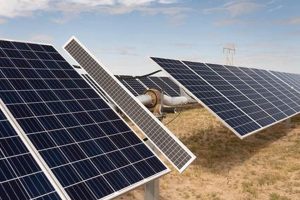
Habitat destruction represents a significant risk associated with poorly planned renewable energy projects. Large-scale installations, such as solar or wind farms, can fragment or eliminate crucial habitats for various species. Clearing land for these projects removes vegetation, disrupts wildlife corridors, and can lead to population declines or localized extinctions. Hydroelectric dams, while generating renewable energy, can alter riverine ecosystems, impacting aquatic species and disrupting migratory patterns. For example, the construction of large solar farms in desert ecosystems can fragment tortoise habitat, while wind turbines can pose collision risks for birds and bats. The disruption of natural water flow by hydroelectric dams can negatively impact fish spawning grounds and other aquatic life.
The impact of habitat destruction extends beyond individual species, affecting broader ecosystem health and functioning. Loss of biodiversity can weaken ecosystem resilience to environmental changes and disrupt essential ecological processes, such as pollination and nutrient cycling. Furthermore, habitat fragmentation can isolate populations, reducing genetic diversity and increasing their vulnerability to disease and other threats. Considering the cumulative impacts of multiple renewable energy projects on a landscape is therefore critical for minimizing overall habitat loss and maintaining ecosystem integrity.
Mitigating habitat destruction requires careful site selection, minimizing project footprints, and implementing mitigation strategies. Prioritizing brownfield sites or areas already degraded by human activity can reduce impacts on natural habitats. Implementing wildlife-friendly design features, such as appropriately spaced wind turbines and minimizing vegetation clearing, can further reduce risks. Conducting thorough environmental impact assessments and incorporating biodiversity conservation into project planning are essential steps towards ensuring that renewable energy development does not come at the expense of critical habitats and biodiversity.
2. Material Sourcing

The sourcing of materials for renewable energy technologies presents a critical challenge in ensuring truly sustainable practices. While these technologies offer significant environmental advantages over fossil fuels, the extraction, processing, and transportation of materials required for their manufacturing can have substantial negative impacts if not managed responsibly. Understanding these impacts is crucial for mitigating the risks associated with “bad renewable energy” and promoting a genuinely sustainable energy transition.
- Mining Impacts
Mining for materials such as copper, lithium, cobalt, and rare earth elements, essential for solar panels, wind turbines, and batteries, can have significant environmental and social consequences. These include habitat destruction, water pollution from tailings and chemical runoff, and greenhouse gas emissions from mining operations. For instance, cobalt mining, often associated with unethical labor practices, poses significant risks to human health and the environment. Minimizing these impacts requires stringent environmental regulations, responsible mining practices, and exploring alternative materials.
- Manufacturing Processes
The manufacturing of renewable energy components often involves energy-intensive processes and the use of hazardous chemicals. Silicon production for solar panels, for example, requires substantial energy input and can generate significant waste. Furthermore, the production of certain components may rely on fossil fuels, undermining the overall environmental benefits of the technology. Improving manufacturing efficiency, utilizing renewable energy sources in production, and minimizing the use of harmful chemicals are essential for reducing the environmental footprint of these technologies.
- Transportation and Logistics
The globalized nature of renewable energy supply chains necessitates the transportation of materials and components across vast distances. This reliance on long-distance shipping contributes to greenhouse gas emissions and can have other environmental impacts associated with transportation infrastructure. Optimizing supply chains, promoting regional manufacturing, and utilizing more sustainable transportation methods are crucial for reducing the carbon footprint of renewable energy technologies.
- End-of-Life Management
The disposal of decommissioned renewable energy equipment, such as solar panels and wind turbine blades, presents another significant challenge. These components often contain hazardous materials that require specialized recycling or disposal methods. The lack of adequate recycling infrastructure can lead to these materials ending up in landfills, posing environmental risks. Developing robust recycling programs, designing components for easier disassembly and recycling, and extending the lifespan of renewable energy technologies are essential for minimizing waste and promoting a circular economy.
Addressing these material sourcing challenges is crucial for avoiding the pitfalls of unsustainable renewable energy development. By prioritizing responsible mining practices, promoting sustainable manufacturing processes, optimizing supply chains, and developing robust end-of-life management strategies, the renewable energy sector can minimize its environmental impact and contribute to a truly sustainable future. Neglecting these considerations risks perpetuating environmentally and socially damaging practices, undermining the very purpose of transitioning to cleaner energy sources.
3. Waste Generation

Waste generation represents a significant challenge associated with renewable energy technologies, contributing to the phenomenon of “bad renewable energy” when not adequately addressed. While renewable sources offer cleaner energy production compared to fossil fuels, the manufacturing, operation, and eventual decommissioning of these technologies generate waste streams that require careful management. Understanding the types and volumes of waste generated, as well as the potential environmental and social impacts, is crucial for mitigating these challenges and promoting a genuinely sustainable energy transition.
The primary sources of waste generation within the renewable energy sector include manufacturing byproducts, component failures during operation, and end-of-life disposal of equipment. Manufacturing processes, such as silicon purification for solar panels, can produce significant chemical waste. Operational failures, such as damaged wind turbine blades, generate large, difficult-to-recycle components. The decommissioning of solar panels and wind turbines at the end of their lifespan results in substantial waste volumes if not properly managed. For example, discarded solar panels contain hazardous materials like lead and cadmium, which can leach into the environment if not disposed of correctly. Similarly, the composite materials used in wind turbine blades present recycling challenges due to their complex structure and composition. The scale of this waste generation will increase significantly as renewable energy deployments expand, necessitating proactive waste management strategies.
The environmental and social implications of inadequate waste management within the renewable energy sector are substantial. Improper disposal of hazardous materials can contaminate soil and water resources, posing risks to human health and ecosystems. Landfilling large components, such as wind turbine blades, consumes valuable land resources and can generate greenhouse gas emissions from decomposition. Furthermore, the lack of comprehensive recycling infrastructure for renewable energy components necessitates the extraction of virgin materials, exacerbating environmental pressures. The failure to address these waste management challenges undermines the overall sustainability of renewable energy technologies and perpetuates a cycle of resource depletion and environmental degradation. Therefore, prioritizing circular economy principles, developing robust recycling technologies, and designing products for easier disassembly and reuse are essential for mitigating waste generation and promoting a truly sustainable renewable energy future.
4. Economic Viability

Economic viability plays a crucial role in determining the long-term success and sustainability of renewable energy projects. Projects lacking financial soundness can contribute to the problem of unsustainable or “bad” renewable energy by diverting resources from more viable alternatives, failing to deliver promised benefits, and potentially leading to abandonment or premature decommissioning, creating environmental and economic liabilities.
- Cost Competitiveness
Renewable energy technologies must compete with established fossil fuel-based power generation. If the costs associated with developing, operating, and maintaining renewable energy projects are excessively high, they may become economically unviable, particularly without sufficient government subsidies or incentives. This can hinder widespread adoption and stall the transition to a cleaner energy system. For example, a solar farm requiring expensive specialized components or facing unexpectedly high maintenance costs might struggle to compete with cheaper fossil fuel alternatives, rendering it economically unsustainable.
- Return on Investment
Investors and stakeholders require a reasonable return on their investments in renewable energy projects. Projects with poor financial projections, unpredictable energy yields, or high operating costs may fail to attract necessary funding or become stranded assets. This can deter future investments in the sector and hinder technological advancement. A wind farm located in an area with lower than anticipated wind speeds, for example, would generate less electricity and consequently lower revenue than projected, impacting its financial viability.
- Grid Integration Costs
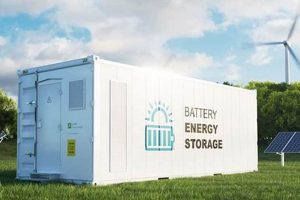
Integrating intermittent renewable energy sources, such as solar and wind power, into existing electricity grids can require significant investments in grid infrastructure upgrades, energy storage solutions, and grid management systems. These costs, if not properly accounted for, can negatively impact the overall economic viability of renewable energy projects and create financial burdens for grid operators and consumers. The need for substantial battery storage to compensate for the intermittent nature of solar power, for instance, can significantly increase the overall cost of a solar energy project.
- Lifecycle Costs
Assessing the economic viability of renewable energy projects requires considering the full lifecycle costs, including not only initial capital expenditures but also ongoing operational and maintenance expenses, decommissioning costs, and potential environmental remediation. Failure to account for these long-term costs can lead to inaccurate economic assessments and potentially unsustainable projects. For example, a hydroelectric dam might require expensive repairs or upgrades over its lifespan, or face substantial decommissioning costs at the end of its operational life, impacting its overall economic viability.
The economic viability of renewable energy projects is therefore a critical factor in determining their long-term success and contribution to a sustainable energy transition. Failing to address these economic considerations can lead to “bad” renewable energy projects that are financially unsustainable, environmentally detrimental, and ultimately hinder the transition to a cleaner and more secure energy future. Only by carefully evaluating the costs, risks, and potential returns associated with renewable energy projects can we ensure their long-term success and avoid the pitfalls of unsustainable development. This economic lens should be applied throughout the entire lifecycle of a project, from initial planning and development through operation and eventual decommissioning, to ensure true sustainability.
5. Community impacts
Negative community impacts represent a significant dimension of poorly planned or executed renewable energy projects, contributing to the broader issue of “bad” renewable energy. While renewable energy technologies offer substantial environmental benefits, their implementation can have detrimental social and economic consequences for local communities if not approached sensitively and responsibly. These impacts, often overlooked in the pursuit of clean energy goals, can erode public support for renewable energy and create social injustices.
Several factors contribute to negative community impacts. Large-scale renewable energy projects, such as wind or solar farms, can require significant land acquisition, potentially displacing residents and disrupting established agricultural practices. The influx of temporary workers during construction can strain local infrastructure and resources, while the long-term operational phase may offer limited employment opportunities for local communities. Noise pollution from wind turbines, visual impacts on landscapes, and decreased property values are additional concerns that can negatively affect the quality of life for nearby residents. For instance, the construction of a large hydroelectric dam can displace indigenous communities and submerge culturally significant sites, causing irreparable harm. Similarly, the development of extensive solar farms on prime agricultural land can disrupt local food production and livelihoods. These examples highlight the importance of considering the full spectrum of community impacts when planning and implementing renewable energy projects.
Understanding and mitigating these community impacts is crucial for ensuring the social acceptance and long-term sustainability of renewable energy transitions. Effective community engagement, including meaningful consultations with affected populations, transparent decision-making processes, and equitable benefit-sharing mechanisms, are essential for addressing local concerns and fostering positive relationships. Prioritizing projects that minimize displacement, create local employment opportunities, and respect cultural heritage can further enhance community support and ensure that the transition to renewable energy benefits all stakeholders. Neglecting these considerations risks exacerbating social inequalities and undermining the very goals of sustainable development. A just and equitable energy transition requires careful consideration of community impacts, ensuring that the pursuit of clean energy does not come at the expense of social justice and well-being. This approach is not only ethically sound but also pragmatically essential for achieving widespread acceptance and support for renewable energy technologies and ensuring their long-term success.
6. Intermittency Challenges

Intermittency, the fluctuating nature of renewable energy sources like solar and wind, presents a significant challenge in their integration into existing power grids and can contribute to the perception of “bad” renewable energy. Solar power generation fluctuates with cloud cover and time of day, while wind power depends on wind speed, making both inherently unpredictable. This variability poses challenges for grid stability, reliability, and planning, potentially undermining the effectiveness and public perception of these otherwise clean energy sources.
The primary consequence of intermittency is the mismatch between energy supply and demand. When renewable generation dips due to weather conditions, backup power sources are required to maintain grid stability and prevent blackouts. These backup sources often consist of fossil fuel-based power plants, negating some of the environmental benefits of renewable energy. Furthermore, the unpredictable nature of intermittent renewables requires complex and costly grid management strategies, including sophisticated forecasting models, demand-side management programs, and investments in energy storage technologies. For example, a sudden drop in wind power output on a hot summer day, when electricity demand for air conditioning is high, could strain the grid and necessitate activating a natural gas power plant, increasing carbon emissions. Similarly, periods of overproduction from solar panels during sunny days can lead to grid instability if not properly managed, requiring curtailment of renewable generation or investment in expensive energy storage solutions. In regions with limited grid interconnection capacity, this intermittency can further exacerbate challenges in balancing supply and demand.
Addressing intermittency challenges is crucial for maximizing the benefits of renewable energy and avoiding the pitfalls of unsustainable implementations. Strategies include diversifying renewable energy sources geographically and technologically, investing in smart grid technologies and advanced energy storage solutions, and implementing demand-side management programs to better match energy consumption with renewable generation patterns. Improving forecasting accuracy and developing flexible grid infrastructure can further enhance the integration of intermittent renewables. Failing to address these challenges effectively not only diminishes the environmental benefits of renewable energy but also risks undermining public confidence and hindering the transition to a cleaner and more sustainable energy system. The success of the renewable energy transition hinges on overcoming intermittency challenges through innovative solutions and strategic planning, ensuring that these clean energy sources contribute reliably and effectively to a stable and decarbonized power grid.
Frequently Asked Questions about Unsustainable Renewable Energy Practices
This section addresses common concerns and misconceptions surrounding the potential downsides of renewable energy development, aiming to provide clear and informative responses.
Question 1: Are all renewable energy sources inherently good for the environment?
While renewable energy sources offer significant environmental advantages over fossil fuels, their implementation can have negative consequences if not managed responsibly. Unsustainable practices, such as habitat destruction from poorly sited projects or the use of toxic materials in manufacturing, can undermine the overall environmental benefits.
Question 2: How can renewable energy projects negatively impact local communities?
Poorly planned projects can displace communities, disrupt traditional land uses, create noise pollution, and strain local infrastructure. Lack of community engagement and equitable benefit-sharing mechanisms can further exacerbate these negative social impacts.
Question 3: What are the environmental risks associated with the materials used in renewable energy technologies?
Mining for materials like lithium, cobalt, and rare earth elements can cause habitat destruction, water pollution, and greenhouse gas emissions. Manufacturing processes can also generate hazardous waste and consume significant energy. Responsible sourcing and recycling practices are crucial for minimizing these risks.
Question 4: What challenges does the intermittency of renewable energy sources pose to the power grid?
The fluctuating nature of solar and wind power requires backup power sources, often fossil fuel-based, to maintain grid stability. Integrating intermittent renewables necessitates investments in grid infrastructure, energy storage, and sophisticated grid management systems.
Question 5: Can renewable energy projects be economically unsustainable?
Projects with high upfront costs, low energy yields, or unexpected operational expenses can become financially unviable. Failing to account for lifecycle costs, including decommissioning and potential environmental remediation, can also lead to unsustainable projects.
Question 6: How can the risks associated with unsustainable renewable energy development be mitigated?
Comprehensive environmental and social impact assessments, responsible material sourcing and waste management practices, community engagement, and careful project siting are crucial for minimizing negative consequences and ensuring truly sustainable renewable energy development.
Understanding the potential downsides of renewable energy development is not about opposing clean energy but about ensuring its responsible and sustainable implementation. Recognizing these challenges allows for informed decision-making, better planning, and ultimately a more sustainable energy future.
The next section will explore case studies of both successful and problematic renewable energy projects, providing concrete examples of the principles discussed above.
Conclusion
Unsustainable renewable energy practices represent a significant challenge to the global transition towards cleaner energy systems. This exploration has highlighted the diverse facets of this issue, from habitat destruction and material sourcing concerns to economic viability, community impacts, and the inherent intermittency of certain renewable sources. Ignoring these potential pitfalls risks undermining the very goals of sustainable development and perpetuating environmental and social injustices. The pursuit of clean energy must not come at the expense of ecological integrity or community well-being.
The transition to a truly sustainable energy future requires a nuanced and comprehensive approach. Critical evaluation of potential impacts, transparent decision-making processes, and responsible implementation strategies are essential for maximizing the benefits of renewable energy while minimizing negative consequences. Continuous innovation, robust regulatory frameworks, and ongoing community engagement will be crucial for navigating the complexities of this transition and ensuring that the pursuit of clean energy leads to a genuinely sustainable and equitable future for all.