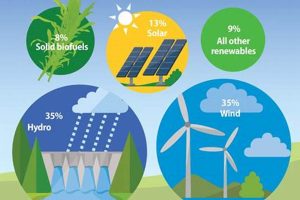
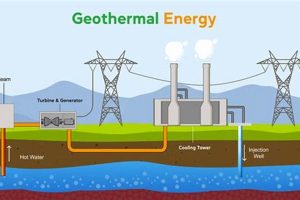
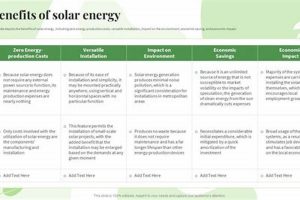
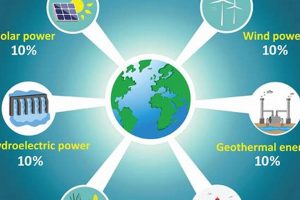
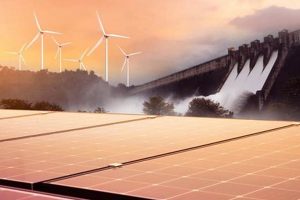
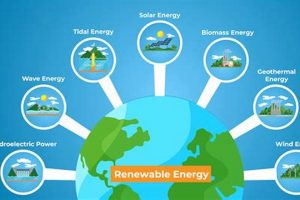
The utilization of naturally replenishing energy resources presents a duality of advantages and disadvantages. Harnessing power from solar, wind, hydro, geothermal, and biomass sources involves considering both their potential for sustainable energy production and the associated limitations. For instance, solar power offers a clean energy alternative but depends heavily on sunlight availability, while hydropower, though efficient, can significantly impact river ecosystems.
The significance of evaluating both the positive and negative aspects stems from the growing need to mitigate climate change and reduce reliance on fossil fuels. Historically, the transition to these alternative power methods has been driven by concerns regarding environmental degradation, energy security, and economic diversification. Their adoption promotes energy independence, reduces greenhouse gas emissions, and fosters technological innovation.
A comprehensive understanding requires an examination of the economic viability, environmental impact, technological advancements, and socio-political implications associated with each resource. Furthermore, the integration of these resources into existing energy infrastructure and their scalability for widespread adoption are crucial considerations for policymakers, investors, and consumers alike. Subsequent sections will delve into specific benefits and drawbacks across various categories.
Considerations for Evaluating Renewable Energy Options
Careful analysis is paramount when assessing the suitability of different renewable energy pathways. A balanced perspective, considering both advantages and disadvantages, is essential for informed decision-making.
Tip 1: Assess Resource Availability: Determine the local availability of the specific resources under consideration (solar irradiance, wind speeds, geothermal gradients, biomass potential). A lack of sufficient resources undermines project viability.
Tip 2: Evaluate Environmental Impact: Analyze the comprehensive environmental consequences, including land use, habitat disruption, water consumption, and potential impacts on biodiversity. Mitigation strategies are crucial.
Tip 3: Examine Economic Feasibility: Conduct a thorough cost-benefit analysis, factoring in capital expenditures, operational costs, energy production rates, and potential revenue streams. Consider available incentives and subsidies.
Tip 4: Investigate Technological Maturity: Evaluate the maturity and reliability of the technologies involved. Proven technologies with established track records offer lower risk than emerging or unproven methods.
Tip 5: Account for Grid Integration Challenges: Address the challenges of integrating intermittent renewable energy sources into existing power grids. This includes investing in energy storage solutions and smart grid technologies.
Tip 6: Analyze Social and Political Factors: Examine community acceptance, regulatory frameworks, and potential policy changes that could impact project success. Public support and favorable policies are often critical.
Tip 7: Prioritize Long-Term Sustainability: Focus on long-term sustainability by considering the lifespan of renewable energy infrastructure, the availability of raw materials, and the potential for future technological advancements.
Thorough evaluation is essential for the successful implementation and long-term sustainability of renewable energy projects. A comprehensive understanding of their potential and limitations is necessary for informed decision-making.
The following sections will address considerations of the future of renewable energy development.
1. Intermittency

Intermittency is an inherent characteristic of certain renewable energy sources, primarily solar and wind, posing a significant challenge to their widespread adoption and overall effectiveness. This variability, stemming from fluctuating weather conditions and the diurnal cycle, creates a mismatch between energy supply and demand. As sunlight is not consistently available and wind speeds fluctuate, the power output from these sources is not constant, directly impacting grid stability and reliability. Consequently, intermittency constitutes a core consideration when assessing the overall balance of advantages and disadvantages associated with these energy alternatives.
The implications of intermittency extend beyond immediate grid management. The need to compensate for these fluctuations necessitates investments in either redundant generating capacity from other sources (often fossil fuels), or advanced energy storage solutions such as batteries or pumped hydro. For instance, a solar farm might generate substantial power during peak sunlight hours, but output diminishes significantly in the evening, requiring a supplementary power source to meet demand. Similarly, wind farms can experience periods of low or no output when wind conditions are unfavorable. These supplementary measures introduce additional costs and complexities, partially offsetting the environmental benefits of renewable energy.
Overcoming intermittency requires a multi-faceted approach. Advanced forecasting techniques, improved grid infrastructure, and smart grid technologies are essential for predicting and managing fluctuations in renewable energy generation. Furthermore, integrating diverse renewable energy sources (e.g., combining solar and wind) and geographically distributed generation facilities can help to smooth out overall supply variability. Ultimately, addressing the challenge of intermittency is crucial for unlocking the full potential of these technologies and ensuring their viability as a primary energy source. Therefore, intermittency directly affects the calculus involved in assessing the benefits and drawbacks of any renewable technology.
2. Land Use

The implementation of renewable energy infrastructure necessitates substantial land areas, presenting both advantages and disadvantages with multifaceted impacts. Solar farms, wind farms, and biomass plantations, require significant tracts of land, directly affecting habitat preservation and potentially leading to deforestation, agricultural displacement, or alteration of landscapes. The conversion of previously undeveloped or agricultural land to renewable energy generation sites generates environmental and socioeconomic consequences. Consider, for example, the large-scale solar projects in desert regions; while harnessing abundant solar radiation, they transform vast areas, displacing wildlife and altering delicate ecosystems. Thus, land use is a critical component in evaluating the net environmental benefit.
Land use efficiency varies considerably across different renewable energy technologies. Solar photovoltaic (PV) systems require more land per unit of energy produced compared to wind farms, while geothermal plants generally have a smaller footprint. The strategic placement of renewable energy facilities is crucial. Utilizing degraded or marginal lands can mitigate the impact on sensitive ecosystems, but accessibility to transmission infrastructure and resource availability (e.g., solar irradiance, wind speeds) must also be considered. For instance, repurposing brownfield sites for solar energy deployment offers a dual benefit: revitalizing contaminated land while reducing the need to convert pristine natural areas.
In conclusion, the land use implications of renewable energy projects involve a complex trade-off between the need for clean energy and the potential disruption of natural environments and land-based economies. Mitigating the negative impacts requires careful planning, strategic site selection, and implementation of sustainable land management practices. Comprehensive environmental impact assessments, stakeholder engagement, and the adoption of land-sparing technologies are essential for minimizing the footprint of renewable energy and ensuring its long-term sustainability. The scale of required land area, therefore, plays a key role in the overall viability and desirability of any specific renewable energy project.
3. Initial Costs

The financial outlay required at the outset of renewable energy projects constitutes a primary consideration in evaluating their overall feasibility. These initial costs, which can be substantial, influence investment decisions and directly impact the comparative economic advantage of renewable energy sources relative to traditional fossil fuel-based power generation. Understanding the components and implications of these upfront expenses is crucial for assessing the long-term viability and widespread adoption of renewable energy technologies.
- Manufacturing and Procurement Costs
The fabrication of renewable energy infrastructure, such as solar panels, wind turbines, and geothermal plants, entails significant manufacturing and procurement costs. These expenses encompass raw materials (e.g., silicon for solar cells, rare earth elements for wind turbine magnets), fabrication processes, and transportation logistics. For instance, the cost of constructing a large-scale solar farm is heavily influenced by the price of photovoltaic modules and their associated components, which can fluctuate due to market demand and supply chain dynamics.
- Construction and Installation Expenses
The construction and installation of renewable energy facilities involve labor, equipment, and engineering expertise. These expenses can vary depending on the location, scale, and complexity of the project. Offshore wind farms, for example, necessitate specialized installation vessels and underwater cabling, resulting in higher construction costs compared to onshore wind projects. Similarly, geothermal plants require extensive drilling and well development, contributing to their high upfront investment.
- Grid Connection and Infrastructure Upgrades
Integrating renewable energy sources into existing power grids often necessitates significant infrastructure upgrades. This includes constructing new transmission lines, substations, and distribution networks to accommodate the intermittent nature of renewable energy generation. The costs associated with grid connection can be substantial, particularly for projects located in remote areas with limited grid capacity. For example, connecting a wind farm in a rural location to the main power grid might require the construction of hundreds of miles of new transmission lines, significantly increasing the overall project cost.
- Permitting and Regulatory Compliance
Renewable energy projects are subject to various permitting and regulatory requirements, which can add to the initial costs. These include environmental impact assessments, land use permits, and compliance with local, state, and federal regulations. Navigating the permitting process can be time-consuming and expensive, particularly for large-scale projects that involve multiple jurisdictions. For instance, obtaining the necessary permits for a hydropower project can require extensive environmental studies and negotiations with regulatory agencies, increasing the overall project timeline and cost.
Despite the high initial costs, renewable energy projects often offer long-term economic benefits, such as lower fuel costs and reduced environmental externalities. However, the upfront financial burden can be a barrier to entry, particularly for smaller developers and developing countries. Government incentives, such as tax credits, subsidies, and feed-in tariffs, can help to reduce these initial costs and promote investment in renewable energy technologies. The long-term benefits of renewables such as reduced fuel costs and reduced environmental externalities are also important aspects to evaluate initial costs against when making choices for energy investment.
4. Energy Storage

The efficacy of renewable energy systems is inextricably linked to energy storage capabilities. The intermittent nature of many renewable sources, such as solar and wind, dictates that energy storage is not merely an enhancement but a critical component for grid stability and reliable power delivery. Without adequate storage solutions, the variable output from renewable sources can cause grid imbalances, leading to potential blackouts or the need for conventional, dispatchable generation sources to compensate. Energy storage technologies effectively decouple energy supply from immediate demand, enabling renewable resources to function as baseload power providers.
Various energy storage methods exist, each with distinct advantages and disadvantages that affect their suitability for different applications. Battery storage systems, such as lithium-ion batteries, offer rapid response times and high energy densities, making them well-suited for short-duration storage and grid stabilization services. Pumped hydro storage, involving the pumping of water to a higher elevation for later release to generate electricity, provides large-scale, long-duration storage capacity. Other technologies, including compressed air energy storage (CAES) and thermal energy storage, are also under development and deployment. The selection of an appropriate storage technology depends on factors such as storage duration, energy capacity, round-trip efficiency, and cost.
The economic viability of renewable energy projects is increasingly dependent on the decreasing costs of energy storage. As storage technologies become more affordable and efficient, renewable energy sources become more competitive with conventional power plants. Moreover, the deployment of energy storage can reduce the need for costly grid upgrades and transmission infrastructure. In conclusion, energy storage is indispensable for unlocking the full potential of renewable energy, enhancing grid reliability, and facilitating the transition to a sustainable energy future. The ongoing development and deployment of cost-effective and efficient energy storage solutions will significantly mitigate the disadvantages associated with the intermittency of renewable sources and enhance their overall value proposition.
5. Environmental Impacts

The environmental consequences associated with renewable energy technologies, while generally less severe than those of fossil fuels, remain a crucial factor in evaluating the overall balance of “renewable energy sources pros and cons.” A comprehensive life cycle assessment is necessary to quantify these effects, considering impacts related to manufacturing, operation, and decommissioning.
- Manufacturing Emissions
The production of renewable energy components, such as solar panels and wind turbines, necessitates energy-intensive manufacturing processes. These processes generate greenhouse gas emissions and air pollutants, particularly during the extraction and processing of raw materials. For instance, the production of silicon for solar cells requires high temperatures and specific chemicals, resulting in emissions of carbon dioxide and other pollutants. Similarly, the mining of rare earth elements for wind turbine magnets can have significant environmental consequences. The relative impact of manufacturing must be factored into the overall environmental footprint of these technologies.
- Habitat Disruption
The construction and operation of renewable energy facilities can disrupt local habitats and ecosystems. Large-scale solar farms and wind farms require significant land areas, potentially leading to habitat loss, fragmentation, and displacement of wildlife. Hydropower projects can alter river flows, impacting aquatic ecosystems and migratory fish populations. Even biomass energy, if not sustainably sourced, can contribute to deforestation and soil degradation. The mitigation of habitat disruption requires careful site selection, environmental impact assessments, and the implementation of conservation measures.
- Resource Depletion
The production of renewable energy technologies relies on certain raw materials, some of which are finite resources. The extraction and processing of these materials can lead to resource depletion and environmental degradation. For example, the increasing demand for lithium-ion batteries for energy storage is driving the expansion of lithium mining, which can have adverse environmental impacts on arid ecosystems and water resources. Sustainable sourcing and recycling of these materials are essential for minimizing the long-term environmental footprint of renewable energy.
- End-of-Life Management
The disposal and recycling of renewable energy components at the end of their lifespan present a growing environmental challenge. Solar panels, wind turbine blades, and batteries contain hazardous materials that require proper handling and disposal to prevent environmental contamination. Landfilling these components can release toxic substances into the soil and groundwater, while improper incineration can generate air pollutants. Developing effective recycling and reuse strategies is crucial for minimizing the environmental impacts associated with the end-of-life management of renewable energy technologies.
While renewable energy sources generally offer a lower environmental impact compared to fossil fuels, a thorough assessment of their life cycle impacts is essential for informed decision-making. Addressing the environmental challenges associated with manufacturing, habitat disruption, resource depletion, and end-of-life management is crucial for ensuring the long-term sustainability of renewable energy technologies. The relative magnitude of these impacts, in relation to the benefits of reduced greenhouse gas emissions, directly influences the calculus of “renewable energy sources pros and cons.”
Frequently Asked Questions
This section addresses common inquiries regarding the benefits and drawbacks associated with employing renewable energy resources. A balanced understanding is essential for informed decision-making.
Question 1: Are renewable energy sources truly carbon neutral?
While renewable energy operations themselves typically produce minimal or no direct carbon emissions, the manufacturing, transportation, and installation of renewable energy infrastructure (e.g., solar panels, wind turbines) do generate emissions. A complete life cycle assessment is needed to determine the net carbon footprint, which is substantially lower than that of fossil fuels but not always zero.
Question 2: How reliable are renewable energy sources given their intermittency?
The reliability of intermittent renewable sources, such as solar and wind, is dependent on geographical location, weather patterns, and the availability of energy storage solutions. Technological advancements in forecasting and grid management are improving reliability, but backup generation or robust storage remains necessary to ensure a consistent power supply.
Question 3: What are the primary obstacles to wider adoption of renewable energy technologies?
Significant barriers include the relatively high initial capital costs, the need for infrastructure upgrades to accommodate intermittent sources, and, in some cases, public perception and land use concerns. Policy support, technological innovation, and economies of scale are vital for overcoming these obstacles.
Question 4: Do renewable energy facilities pose a threat to wildlife and ecosystems?
Improperly sited or constructed renewable energy facilities can negatively impact wildlife and ecosystems. Wind turbines can pose a risk to birds and bats, while large-scale solar farms can alter habitats and affect local hydrology. Careful environmental impact assessments and mitigation measures are essential to minimize these risks.
Question 5: How does the cost of renewable energy compare to that of fossil fuels?
The cost competitiveness of renewable energy varies depending on the specific technology, geographic location, and available incentives. In many regions, the levelized cost of energy (LCOE) for solar and wind power is now competitive with, or even lower than, that of new fossil fuel plants. However, the intermittency of some renewable sources can increase system costs due to the need for backup generation or energy storage.
Question 6: What is the role of government policy in promoting renewable energy?
Government policies, such as tax credits, subsidies, renewable portfolio standards, and carbon pricing mechanisms, play a crucial role in promoting renewable energy deployment. These policies can help to level the playing field between renewable energy and fossil fuels, incentivize investment in renewable energy technologies, and create a more favorable market environment.
In summary, a complete understanding of the advantages and disadvantages of renewable energy is crucial for the long-term viability of our energy infrastructure.
The following section will address future trends in renewable energy development.
Renewable Energy Sources
This examination of “renewable energy sources pros and cons” reveals a complex interplay of environmental, economic, and technological factors. While offering the potential for decarbonization and energy security, renewable energy technologies also present challenges related to intermittency, land use, initial capital investment, and environmental impact from manufacturing and end-of-life management. A comprehensive understanding of these multifaceted considerations is essential for informed policy decisions and strategic investments.
The pursuit of a sustainable energy future necessitates a nuanced approach that acknowledges both the opportunities and limitations of renewable energy. Continued technological innovation, supportive policy frameworks, and responsible resource management are critical for maximizing the benefits of renewable energy while mitigating its potential drawbacks. Only through careful planning and diligent execution can renewable energy sources truly fulfill their promise of a cleaner, more secure, and economically viable energy landscape.