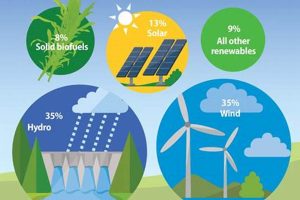
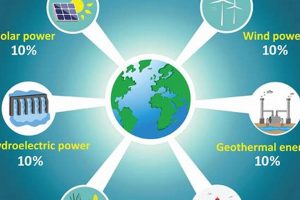
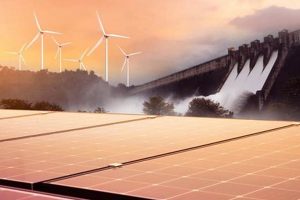
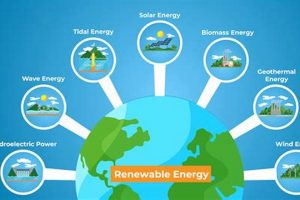
The state’s unique geographical location and abundant natural resources position it as a prime candidate for harnessing power from the environment. This includes technologies that utilize naturally replenishing resources to generate electricity, heat, and fuel, reducing reliance on imported fossil fuels. Examples encompass solar photovoltaic systems, wind turbines, geothermal power plants, hydroelectric facilities, and biomass energy conversion technologies adapted for island ecosystems.
The integration of these methods into the energy grid is critical for achieving energy independence, mitigating climate change impacts, and fostering economic diversification within the islands. Historically, dependence on imported oil has created economic vulnerability. Developing domestic alternatives reduces carbon emissions, enhances grid resilience against external disruptions, and creates opportunities for local employment in green technology sectors.
The following sections will delve into the specific renewable technologies being implemented in the state, the challenges encountered in their deployment, and the ongoing efforts to transition towards a sustainable energy future. An examination of current projects, policy frameworks, and future research directions is presented.
Strategic Considerations for Renewable Energy Integration
Maximizing the effectiveness of domestic power generation requires careful planning and execution. The following points highlight key areas to consider for successful implementation.
Tip 1: Diversify Technology Portfolio: Dependence on a single resource type exposes the power grid to fluctuations and environmental variability. A combination of solar, wind, geothermal, and bioenergy sources enhances system resilience and stability.
Tip 2: Enhance Grid Modernization: Upgrading transmission and distribution infrastructure is crucial for accommodating distributed generation and managing intermittent power flows. Smart grid technologies enable real-time monitoring, control, and optimization of energy delivery.
Tip 3: Prioritize Energy Storage Solutions: Integrating battery storage systems addresses the intermittency challenges associated with solar and wind power. Energy storage provides a buffer to smooth power output and ensure a reliable electricity supply during peak demand periods.
Tip 4: Streamline Permitting and Regulatory Processes: Reducing bureaucratic hurdles accelerates project development timelines and lowers investment costs. Clear and efficient regulations are essential for attracting private sector participation.
Tip 5: Foster Community Engagement and Education: Public support is vital for the successful adoption. Informing residents about the benefits of clean power and addressing concerns regarding visual impacts or environmental effects promotes acceptance and collaboration.
Tip 6: Invest in Workforce Development: Training and education programs prepare local workers for careers in the emerging green energy sector. A skilled workforce ensures the long-term sustainability of this industry.
Tip 7: Support Research and Development: Continuous innovation is necessary to improve the efficiency, reliability, and cost-effectiveness of renewable technologies. Investment in research promotes technological advancements and enhances competitive advantages.
Adhering to these considerations contributes to a robust and sustainable energy landscape. Successful integration requires a holistic approach, involving collaboration between government, industry, and the community.
The subsequent section will summarize the current state and future projections for domestic power generation, underscoring the significance of continued commitment to these strategies.
1. Solar Power Expansion

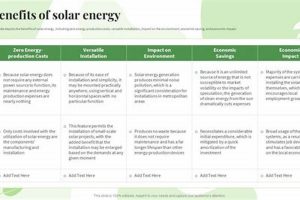
The expansion of solar power represents a significant component within the state’s broader strategy for transitioning to domestic power generation. Its abundant solar irradiance positions it as a cornerstone technology for achieving energy independence and reducing reliance on imported fossil fuels. The effectiveness of integration depends on several key facets.
- Distributed Generation and Net Metering
Rooftop solar installations combined with net metering programs empower individual homeowners and businesses to generate their own electricity, reducing demand on the central grid. This decentralized approach enhances grid resilience and promotes energy awareness among consumers. However, widespread adoption requires addressing interconnection challenges and ensuring equitable compensation for excess power fed back into the grid.
- Utility-Scale Solar Farms
Large-scale solar farms generate substantial amounts of electricity, contributing significantly to the overall renewable energy supply. These projects require extensive land areas and careful environmental assessments to minimize potential impacts on ecosystems and agricultural land. Site selection, land use planning, and community engagement are essential for the successful deployment of utility-scale solar projects.
- Energy Storage Integration
The intermittent nature of solar power necessitates the integration of energy storage solutions, such as battery systems, to ensure a reliable and consistent power supply. Storage technologies mitigate fluctuations in solar generation, allowing for greater grid stability and enabling the use of solar power during peak demand periods or at night. The cost-effectiveness and scalability of energy storage are critical factors for widespread adoption.
- Grid Modernization and Smart Technologies
Upgrading transmission and distribution infrastructure is essential for accommodating the increasing penetration of solar power. Smart grid technologies, including advanced sensors, communication networks, and control systems, enable real-time monitoring and management of power flows, optimizing the integration of distributed solar resources and enhancing overall grid efficiency. This modernization is also key to maintaining grid stability as the power source becomes less predictable.
The continued expansion of solar capacity, coupled with advancements in energy storage and grid modernization, plays a pivotal role in the state’s pursuit of domestic power generation. Successful implementation requires a coordinated approach involving government, utilities, and the community, addressing the technical, economic, and regulatory challenges associated with integrating this variable energy source.
2. Geothermal Potential

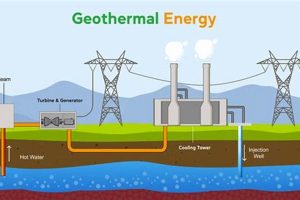
The geothermal potential in the state represents a significant and largely untapped asset within the broader context of domestic power generation. The geological makeup of the islands, particularly the active volcanism on the Big Island, provides a consistent heat source accessible for electricity production. Unlike solar or wind, geothermal energy offers a continuous, baseload power supply, enhancing grid stability and reducing the need for energy storage solutions. Existing geothermal plants demonstrate the viability of this resource, contributing a stable electricity supply. However, environmental concerns related to hydrogen sulfide emissions and potential land use conflicts necessitate careful management and advanced emission control technologies.
Exploration of additional geothermal resources is crucial for further diversifying the energy portfolio. Deep geothermal drilling, enhanced geothermal systems (EGS), and improved drilling technologies hold promise for accessing previously unreachable geothermal reservoirs. These initiatives require substantial upfront investment and rigorous environmental impact assessments. Community engagement is also vital, addressing concerns regarding potential seismic activity or groundwater contamination. Regulatory frameworks that streamline permitting processes while upholding stringent environmental standards are essential for fostering responsible geothermal development.
Realizing the full benefits of geothermal energy requires a balanced approach. Balancing environmental stewardship with energy security is paramount. Continued research and development into cleaner and more efficient geothermal technologies, coupled with supportive policies and community engagement, will determine the future contribution of geothermal energy to the state’s renewable energy landscape.
3. Wind energy viability

The viability of wind energy constitutes a critical element within the development and implementation of diverse renewable energy sources. The wind resources, particularly on the islands of Oahu, Maui, and Hawaii, are substantial, but their effective conversion into a reliable power supply presents technical, economic, and environmental challenges. The intermittency of wind necessitates sophisticated grid management strategies and, potentially, energy storage solutions to ensure a consistent electricity supply. Existing wind farms, such as those at Kahuku on Oahu, demonstrate the capacity to generate significant amounts of electricity. However, they also highlight the need for careful siting to minimize impacts on avian wildlife and visual aesthetics. The economic viability depends on factors such as turbine efficiency, maintenance costs, and government incentives, which influence the overall cost of electricity generated.
Further analysis reveals the practical implications of understanding wind energy viability. For example, advanced weather forecasting models are crucial for predicting wind patterns and optimizing power generation. These models inform grid operators about anticipated wind energy output, enabling them to manage other power sources accordingly. Technological advancements in turbine design, such as taller towers and larger rotor diameters, can enhance energy capture from weaker wind regimes. Exploring offshore wind potential, while more technically complex and expensive, could unlock a greater and more consistent energy supply. Policy frameworks that support wind energy development through tax credits, feed-in tariffs, and streamlined permitting processes are also vital.
In summary, wind energy’s contribution to domestic power generation is contingent on addressing challenges related to intermittency, environmental impact, and economic competitiveness. Overcoming these obstacles requires continued innovation in turbine technology, enhanced grid management capabilities, and supportive policy environments. A holistic approach that considers these interconnected factors is essential for unlocking the full potential of wind energy as a component of diverse energy technologies. The effectiveness of integrating wind resources into the overall energy mix significantly influences the progress toward a sustainable future.
4. Biomass Sustainability

Biomass sustainability represents a crucial, yet complex, component within the framework of renewable energy generation. The utilization of biomass resources for electricity production presents opportunities to reduce dependence on fossil fuels and mitigate carbon emissions. However, the long-term viability of biomass as an energy source hinges on responsible sourcing, efficient conversion technologies, and comprehensive lifecycle assessments.
- Sustainable Feedstock Sourcing
The foundation of biomass sustainability lies in the responsible procurement of feedstock materials. Examples include agricultural residues (bagasse from sugarcane, pineapple waste), forestry byproducts (wood chips, logging slash), and dedicated energy crops (switchgrass, algae). Sustainable sourcing practices prioritize minimizing environmental impact, preserving biodiversity, and avoiding competition with food production. In the context, this means careful management of agricultural land, promotion of native species, and prevention of invasive species spread.
- Efficient Conversion Technologies
The conversion of biomass into energy involves various technologies, including direct combustion, gasification, anaerobic digestion, and pyrolysis. Efficient conversion technologies maximize energy output while minimizing greenhouse gas emissions and waste generation. Advanced gasification systems, for instance, can convert biomass into syngas, which can then be used to generate electricity or produce biofuels. Anaerobic digestion converts organic waste into biogas, a renewable fuel source applicable to electricity generation and heating.
- Lifecycle Greenhouse Gas Emissions
A comprehensive evaluation of biomass sustainability requires a thorough assessment of lifecycle greenhouse gas emissions. This encompasses all stages of the biomass energy system, from feedstock cultivation and transportation to conversion and utilization. Considerations should include emissions from fertilizer production, land use change, and fuel combustion. Demonstrating net greenhouse gas reductions compared to fossil fuels is essential for justifying biomass as a sustainable energy source.
- Waste Management and Circular Economy
The responsible management of waste products generated during biomass conversion is a key aspect of sustainability. Ash from combustion, for example, can be repurposed as a soil amendment or used in construction materials. Anaerobic digestion produces digestate, a nutrient-rich byproduct that can be applied to agricultural land as a fertilizer. Integrating biomass energy systems into a circular economy model minimizes waste, maximizes resource utilization, and promotes environmental sustainability.
Biomass sustainability necessitates a holistic approach that considers ecological, economic, and social factors. Adhering to sustainable sourcing practices, employing efficient conversion technologies, accounting for lifecycle greenhouse gas emissions, and promoting waste minimization are crucial for realizing the potential of biomass as a component of domestic power generation. Continued research, development, and policy support will play a vital role in ensuring the long-term viability of biomass as a sustainable energy source.
5. Hydroelectric Capacity

Hydroelectric capacity, though limited geographically, constitutes a noteworthy component within the spectrum of renewable energy sources available. Its significance stems from its proven reliability and capacity to provide consistent baseload power, particularly valuable in the context of island grids. The availability of suitable topographical features and sufficient rainfall dictates the feasibility. Dams harness potential energy, converting the water flow to electricity.
Hydropower facilities, while contributing to cleaner energy generation, necessitate careful consideration of their environmental impact. Alterations to river ecosystems, potential effects on aquatic species, and sediment flow disruption represent challenges that must be addressed. Smaller-scale, run-of-the-river hydroelectric projects, which minimize damming and water diversion, offer a potentially less disruptive alternative. Evaluating the potential of retrofitting existing water infrastructure, such as irrigation systems, with hydroelectric generation capabilities presents another avenue for expanding hydroelectric capacity while minimizing environmental footprint.
Although hydroelectric generation comprises a modest percentage of the overall renewable energy portfolio, its contribution is strategically important due to its reliability and dispatchability. Optimized management of existing hydropower facilities, coupled with careful consideration of environmental factors and exploration of small-scale projects, can enhance the contribution of hydroelectric capacity to the state’s domestic power generation. It should be part of a broad sustainable ecosystem.
6. Energy Storage Solutions

Energy storage solutions are integral to the effective integration and utilization of domestic power generation. The intermittent nature of sources like solar and wind necessitates advanced energy storage technologies to ensure a reliable and stable electricity supply, particularly given the geographical isolation and unique grid challenges of the state.
- Battery Energy Storage Systems (BESS)
BESS are electrochemical devices capable of storing electrical energy and releasing it when needed. Lithium-ion batteries are increasingly deployed due to their high energy density and relatively fast response times. BESS are used to smooth out fluctuations in solar and wind generation, provide grid stabilization services like frequency regulation, and enable time-shifting of energy to match peak demand. For example, the installation of large-scale battery systems at solar farms helps mitigate the variability of solar power, ensuring consistent delivery of electricity to the grid.
- Pumped Hydro Storage (PHS)
PHS involves pumping water from a lower reservoir to a higher reservoir during periods of excess energy, typically from renewable sources. When electricity demand increases, the water is released back down to the lower reservoir, driving turbines to generate electricity. While geographically constrained, PHS offers a proven and cost-effective solution for large-scale energy storage. The exploration of potential PHS sites in the islands is under consideration to provide long-duration energy storage capacity.
- Flywheel Energy Storage
Flywheel energy storage systems utilize a rotating mass to store kinetic energy. These systems offer rapid response times and high power output, making them suitable for providing short-term grid stabilization services. Although less prevalent than batteries or PHS, flywheels are deployed to improve grid stability and power quality, particularly in areas with high penetration of variable sources.
- Thermal Energy Storage (TES)
TES systems store energy in the form of heat or cold. These systems can be used to store excess solar thermal energy for later use in heating, cooling, or electricity generation. TES can enhance the efficiency and reliability of solar thermal power plants and reduce peak electricity demand. The implementation of TES technologies in district cooling systems offers opportunities to reduce energy consumption and improve grid resilience.
Energy storage solutions are essential for maximizing the contribution of renewable sources to the overall energy mix. As the state progresses towards its goal of 100% renewable energy, the deployment of advanced energy storage technologies will become increasingly critical to ensure a reliable, resilient, and sustainable electricity supply. Continued innovation and cost reductions in storage technologies, coupled with supportive policies and regulatory frameworks, will play a pivotal role in enabling the widespread adoption of energy storage solutions.
7. Grid modernization needs

The integration of domestic power generation requires significant modernization of existing grid infrastructure. This modernization is not merely an upgrade, but a fundamental transformation to accommodate the unique characteristics of distributed and intermittent energy sources. The current grid, designed for centralized power plants, is ill-equipped to handle the bidirectional power flows and variable output that characterize solar, wind, and other domestic technologies.
- Smart Grid Technologies
Smart grid technologies, encompassing advanced sensors, communication networks, and control systems, are essential for real-time monitoring and management of the grid. These technologies enable grid operators to adapt quickly to changes in renewable energy output, balance supply and demand, and prevent outages. Advanced Metering Infrastructure (AMI), a component of smart grids, provides detailed energy consumption data, facilitating demand response programs and empowering consumers to manage their energy use more effectively. These upgrades are vital for maintaining grid stability with fluctuating inputs from resources like solar farms.
- Enhanced Transmission Capacity
Expanding transmission capacity is crucial for transporting domestic energy from areas with abundant resources to areas with high demand. This may involve upgrading existing transmission lines, constructing new transmission lines, or implementing high-voltage direct current (HVDC) transmission technology. Increased transmission capacity also enhances grid resilience by providing alternative pathways for power flow, reducing the risk of widespread outages. The build out of new energy infrastructure can improve power delivery from distant renewable sources to populated areas.
- Integration of Distributed Generation
Domestic resources often involve distributed generation, where electricity is generated at or near the point of consumption. Integrating distributed generation requires advanced grid management capabilities to handle the bidirectional flow of electricity and ensure grid stability. Microgrids, localized energy networks that can operate independently from the main grid, offer a solution for integrating distributed generation and enhancing local energy resilience. These decentralized systems help reduce the strain on the overall grid, especially during peak times or emergency situations.
- Cybersecurity Enhancements
As the grid becomes increasingly reliant on digital technologies, cybersecurity enhancements are paramount. Protecting the grid from cyberattacks is essential for maintaining grid reliability and preventing disruptions to the electricity supply. This involves implementing robust cybersecurity protocols, conducting regular vulnerability assessments, and training personnel to identify and respond to cyber threats. Safeguarding the grid’s digital infrastructure is vital for ensuring the uninterrupted flow of renewable energy.
These modernization efforts are not isolated initiatives but are interconnected components of a comprehensive strategy to support integration. A modernized grid is essential for realizing the full potential of domestic resources, ensuring a reliable, resilient, and sustainable electricity supply. Continued investment in grid modernization, coupled with supportive policies and regulatory frameworks, will be critical for achieving the states renewable energy goals.
Frequently Asked Questions
This section addresses common inquiries regarding the implementation and impact of renewable energy technologies in the state.
Question 1: What are the primary renewable energy sources currently utilized?
Solar photovoltaic systems, wind turbines, geothermal power plants, biomass facilities, and hydroelectric installations constitute the primary renewable energy resources currently in operation. The specific contribution of each source varies across the islands, reflecting geographical and resource availability.
Question 2: How does the integration of renewable energy affect electricity rates?
The impact on electricity rates is multifaceted. Initial capital investments in infrastructure can lead to short-term cost increases. However, reduced reliance on imported fossil fuels can provide long-term price stability and potentially lower rates as renewable technologies become more cost-competitive.
Question 3: What measures are in place to mitigate the environmental impact of domestic energy projects?
Environmental impact assessments are conducted prior to the construction of domestic energy projects. These assessments evaluate potential effects on ecosystems, wildlife, and cultural resources. Mitigation measures, such as avian protection plans for wind farms and emission control technologies for geothermal plants, are implemented to minimize adverse impacts.
Question 4: How does distributed generation (e.g., rooftop solar) contribute to power independence?
Distributed generation empowers individual consumers and businesses to generate their own electricity, reducing demand on the central grid and increasing energy self-sufficiency. Net metering programs allow customers to receive credit for excess electricity fed back into the grid, further incentivizing distributed generation adoption.
Question 5: What are the challenges associated with achieving 100% renewable energy?
Intermittency of solar and wind power, grid stability concerns, land use constraints, infrastructure limitations, and the need for energy storage solutions are key challenges. Addressing these issues requires continued innovation, strategic planning, and significant investments in grid modernization.
Question 6: How can residents support the transition to domestic energy?
Residents can support the transition by adopting energy-efficient practices, investing in renewable energy technologies (e.g., rooftop solar), participating in demand response programs, and advocating for policies that promote domestic energy development.
These FAQs provide a foundational understanding of key aspects. Further research into specific technologies and policies is encouraged for a more comprehensive perspective.
The subsequent section will delve into the policy and regulatory landscape governing power development.
Conclusion
The exploration of renewable energy sources in Hawaii reveals a complex landscape of opportunities and challenges. The state’s commitment to transitioning away from fossil fuels is evident in its ambitious renewable energy goals and ongoing investments in solar, wind, geothermal, and other technologies. The success of this transition hinges on addressing critical issues such as grid modernization, energy storage deployment, and sustainable resource management.
The pursuit of domestic power generation is not merely an environmental imperative but also an economic necessity. Continued progress requires collaborative efforts from government, industry, and the community to overcome technical hurdles, streamline regulatory processes, and foster public support. The future energy security and environmental sustainability depend on decisive action and a steadfast commitment to these essential goals.