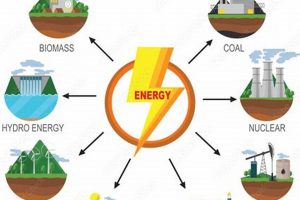
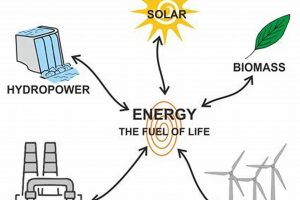
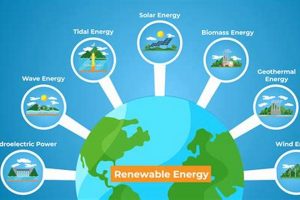
Systems that provide thermal comfort through temperature regulation can be powered by resources that are naturally replenished. Examples include solar thermal collectors that capture the sun’s energy for space and water heating, geothermal heat pumps that utilize the earth’s stable underground temperatures, and biomass boilers that burn sustainably sourced organic matter. These methods contrast with those reliant on finite fossil fuels.
Employing these sustainable methods offers a multitude of advantages. Dependence on dwindling and environmentally impactful fuel reserves diminishes, while greenhouse gas emissions associated with traditional heating and cooling technologies are significantly reduced. Furthermore, utilizing these resources can lead to greater energy independence and stimulate local economies through the creation of green jobs and industries. Historically, interest in these approaches has surged during periods of energy price volatility and heightened environmental awareness.
The following sections will delve into the specific technologies, applications, and economic considerations associated with harnessing these sustainable resources for thermal management in residential, commercial, and industrial settings. This will include a discussion of the advantages and disadvantages of each method, as well as an overview of the current state of the technology and its potential for future development and widespread adoption.
Optimizing the Implementation of Sustainable Thermal Management
The following recommendations are provided to enhance the efficacy and adoption of systems for thermal regulation that utilize renewable resources. These tips are designed to guide decision-making and implementation strategies for various applications.
Tip 1: Conduct a Thorough Site Assessment: Before implementing any system, a comprehensive evaluation of the site’s resource potential is crucial. This includes assessing solar irradiance levels, geothermal gradients, biomass availability, and wind patterns to determine the most viable and cost-effective technology for the specific location.
Tip 2: Prioritize Energy Efficiency Measures: Reducing the heating and cooling demand of a building through insulation improvements, air sealing, and efficient window selection significantly lowers the required capacity of the system. This minimizes initial investment and ongoing operational costs.
Tip 3: Integrate Smart Controls and Automation: Implementing intelligent control systems that optimize operation based on real-time conditions and occupancy patterns can maximize energy savings and improve system performance. Automated systems can also adapt to changing weather patterns and user preferences.
Tip 4: Explore Hybrid System Integration: Combining multiple renewable technologies or integrating renewable systems with conventional heating and cooling equipment can provide a more reliable and resilient solution. This approach can mitigate the intermittency challenges associated with some renewable resources.
Tip 5: Secure Available Incentives and Funding: Many governments and utility companies offer financial incentives, tax credits, and rebates to encourage the adoption of sustainable thermal management systems. Thoroughly research and leverage these opportunities to reduce upfront costs and improve the economic viability of projects.
Tip 6: Ensure Proper System Maintenance and Monitoring: Regular maintenance and performance monitoring are essential to ensure optimal system operation and longevity. Implement a preventative maintenance schedule and utilize monitoring systems to identify and address any performance issues promptly.
Tip 7: Select Qualified and Experienced Installers: Proper installation is critical to the performance and reliability of any renewable energy system. Choose certified and experienced installers with a proven track record in the specific technology being implemented.
Implementing these strategies facilitates the successful integration of renewable-based heating and cooling solutions, contributing to reduced carbon emissions, enhanced energy security, and long-term cost savings. The emphasis should be placed on a holistic approach that considers both energy supply and demand management.
The subsequent discussion will address the economic impacts and scalability considerations associated with transitioning to widespread utilization of sustainable thermal solutions.
1. Solar Thermal Systems

Solar thermal systems represent a significant application of renewable energy for meeting thermal needs. These systems harness solar radiation to directly heat a fluid, which is then used for space heating, domestic hot water, or industrial process heat. This approach offers a direct and efficient pathway to displace fossil fuel consumption for thermal applications.
- Collector Technology and Efficiency
The efficacy of solar thermal systems hinges on the collector technology employed. Flat-plate collectors are commonly used for lower-temperature applications, while evacuated tube collectors provide enhanced performance in colder climates and for higher-temperature needs. Concentrating solar collectors can generate steam for industrial processes. The collector’s efficiency in converting solar radiation into usable heat is a critical factor in overall system performance. For example, a well-designed evacuated tube collector can achieve significantly higher efficiencies than a basic flat-plate collector, resulting in greater heat output for the same surface area.
- Storage Solutions and Intermittency
Solar energy availability fluctuates diurnally and seasonally, necessitating thermal storage solutions to provide heat when solar radiation is unavailable. Common storage methods include insulated water tanks or underground thermal energy storage. The capacity of the storage system dictates the system’s ability to provide heat during periods of low solar irradiance. For example, a large, well-insulated water tank can provide several days’ worth of heat storage, allowing a solar thermal system to meet a significant portion of a building’s heating load even on cloudy days.
- Integration with Existing Infrastructure
Retrofitting solar thermal systems into existing buildings requires careful consideration of the existing heating infrastructure. Integration strategies may involve supplementing existing boilers or furnaces with solar-heated water or using solar thermal systems as a preheating stage to reduce the energy required by conventional heating equipment. Successful integration minimizes disruption and maximizes the utilization of the renewable energy source. An example of this is using solar thermal to preheat water entering a conventional gas water heater, thereby reducing the amount of gas required.
- Economic Considerations and Payback Periods
The initial investment cost of solar thermal systems is a primary barrier to widespread adoption. However, government incentives, tax credits, and reduced operating costs can significantly improve the economic viability of these systems. Payback periods vary depending on factors such as solar resource availability, system efficiency, and the cost of conventional fuels. Regions with high solar irradiance and high fuel costs tend to have shorter payback periods, making solar thermal systems a more attractive investment. In some areas, a solar thermal system can pay for itself in as little as 5-10 years, making it a financially sound long-term investment.
In conclusion, solar thermal systems provide a viable pathway to reduce reliance on fossil fuels for thermal applications. Optimizing collector technology, implementing effective storage solutions, integrating seamlessly with existing infrastructure, and addressing economic considerations are essential for maximizing the benefits and accelerating the adoption of solar thermal systems as a key component of renewable energy strategies.
2. Geothermal Heat Pumps

Geothermal heat pumps (GHPs) represent a highly efficient and environmentally sound method of harnessing the Earth’s thermal energy for space heating and cooling, thereby functioning as a significant component of renewable energy systems for thermal management. GHPs utilize the relatively constant temperature of the Earth a few feet below the surface as a heat source in winter and a heat sink in summer. This temperature differential enables GHPs to achieve significantly higher efficiencies compared to conventional air-source heat pumps or fossil fuel-based heating and cooling systems. For instance, a typical GHP system can achieve a coefficient of performance (COP) of 3 to 5, meaning it delivers 3 to 5 units of heating or cooling for every unit of electricity consumed. This stems directly from the reduced temperature difference the system must overcome, as the ground temperature remains far more stable than ambient air temperature.
The practical application of GHPs spans residential, commercial, and industrial sectors. A real-world example is Ball State University in Indiana, which implemented a large-scale GHP system to heat and cool its campus buildings. This project significantly reduced the university’s carbon footprint and energy costs. The efficacy of GHPs also manifests in their ability to provide consistent and reliable thermal comfort, regardless of external weather conditions. Moreover, GHPs contribute to reduced greenhouse gas emissions, as they primarily utilize electricity, which can be sourced from renewable energy sources like solar or wind, further enhancing their environmental benefits. Widespread adoption of GHP technology can significantly reduce the demand for fossil fuels in the heating and cooling sectors, contributing to a more sustainable energy future.
In conclusion, GHPs play a crucial role in promoting the use of renewable energy for heating and cooling by leveraging the Earth’s natural thermal resources. Their high efficiency, broad applicability, and environmental benefits make them a compelling alternative to conventional thermal management systems. Although initial installation costs can be higher, the long-term operational savings and environmental advantages make GHPs a worthwhile investment. Overcoming barriers to adoption, such as initial cost and lack of awareness, is essential to realizing the full potential of GHPs in achieving a sustainable energy future.
3. Biomass Heating Options

Biomass heating options represent a tangible application of renewable energy resources for thermal applications. The use of organic matter, derived from plants and animals, for heating purposes provides an alternative to fossil fuel combustion, contingent upon sustainable sourcing and efficient conversion technologies.
- Sustainable Sourcing and Feedstock Considerations
The environmental viability of biomass heating hinges on the sustainability of feedstock procurement. Dedicated energy crops, forestry residues, and agricultural byproducts constitute potential fuel sources. However, unsustainable harvesting practices, such as deforestation or the diversion of food crops, negate the purported benefits. Certification schemes, such as the Sustainable Biomass Program (SBP), aim to ensure responsible sourcing and lifecycle greenhouse gas emissions accounting. For instance, utilizing forest thinnings, which would otherwise decompose and release methane, a potent greenhouse gas, can improve the overall environmental profile of biomass heating.
- Combustion Technologies and Emission Control
Biomass combustion technologies encompass a range of methods, from traditional wood stoves to advanced automated pellet boilers. Combustion efficiency directly impacts emissions, including particulate matter, carbon monoxide, and nitrogen oxides. Modern biomass boilers incorporate sophisticated emission control systems, such as electrostatic precipitators and catalytic converters, to minimize air pollution. These technologies can reduce emissions to levels comparable to or even lower than those of natural gas heating systems. A case in point is the widespread adoption of pellet stoves in Scandinavian countries, which adhere to stringent emission standards.
- Combined Heat and Power (CHP) Applications
Biomass can also serve as a fuel source for combined heat and power (CHP) systems, generating both electricity and heat from a single fuel input. CHP systems enhance overall energy efficiency by capturing waste heat that would otherwise be lost in electricity generation. Biomass CHP plants can provide baseload power and heat for district heating networks or industrial facilities. For example, a sawmill could utilize its wood waste to power its operations and supply heat to nearby communities.
- Life Cycle Assessment and Carbon Neutrality
The carbon neutrality of biomass heating is a subject of ongoing debate. While biomass combustion releases carbon dioxide, the carbon was initially sequestered from the atmosphere during plant growth. However, lifecycle assessments must account for emissions associated with harvesting, processing, and transporting the biomass. Furthermore, the time required for replanting and regrowth to offset emissions is a critical factor. Sustainable forest management practices that promote carbon sequestration and long-term forest health are essential to achieving genuine carbon neutrality.
Biomass heating options present a complex but potentially valuable pathway towards utilizing renewable energy resources for thermal needs. Ensuring sustainable sourcing, employing efficient combustion technologies with effective emission controls, and conducting thorough lifecycle assessments are paramount to realizing the benefits of biomass as a component of renewable heating strategies. The integration of biomass CHP systems offers opportunities for enhanced energy efficiency and diversified energy supply.
4. District Heating Networks
District heating networks, involving centralized facilities that generate and distribute thermal energy to multiple buildings, present a significant avenue for integrating sustainable energy resources into urban environments, thereby reducing reliance on individual heating systems.
- Integration of Renewable Energy Sources
District heating systems offer economies of scale that facilitate the incorporation of diverse renewable energy sources such as geothermal, solar thermal, biomass, and waste heat recovery. For example, a district heating plant might utilize geothermal energy as a primary heat source supplemented by solar thermal collectors during peak demand periods. This diversified approach enhances system resilience and reduces reliance on fossil fuels. The Copenhagen district heating system, for instance, incorporates a significant percentage of its heat supply from waste incineration and biomass, demonstrating a successful implementation of renewable integration.
- Improved Energy Efficiency and Reduced Emissions
Centralized heat production in district heating systems allows for more efficient combustion and advanced emission control technologies compared to individual building-level systems. Furthermore, combined heat and power (CHP) plants can be integrated into district heating networks, capturing waste heat from electricity generation and using it to provide thermal energy. This approach significantly improves overall energy efficiency and reduces greenhouse gas emissions. Examples include CHP plants integrated into district heating networks in cities like Vienna, Austria, resulting in substantial reductions in carbon emissions.
- Flexibility and Scalability
District heating networks can be designed to accommodate future expansion and the integration of new renewable energy sources. The modular nature of district heating infrastructure allows for incremental additions and upgrades without disrupting existing operations. This flexibility is crucial for adapting to changing energy demands and technological advancements. For example, as new geothermal resources are discovered or solar thermal technologies become more cost-effective, they can be seamlessly integrated into the existing district heating network.
- Energy Storage Integration
The large scale of district heating systems makes them suitable for incorporating thermal energy storage solutions. Thermal storage can mitigate the intermittency of renewable energy sources like solar thermal and provide a buffer during peak demand periods. For instance, large insulated water tanks can store excess heat generated during off-peak hours or periods of high solar irradiance, releasing it when demand is high. This enhances system reliability and reduces the need for backup fossil fuel-based systems. Examples of successful thermal storage integration can be found in district heating systems in countries like Denmark and Sweden.
In summation, district heating networks provide a critical infrastructure for integrating renewable energy sources into thermal energy supply. Their ability to leverage diverse renewable resources, improve energy efficiency, enhance flexibility, and incorporate energy storage makes them a pivotal component of sustainable urban energy systems and a vital pathway for reducing carbon emissions in the heating sector. The widespread adoption and intelligent design of district heating networks are crucial steps towards achieving a more sustainable and resilient energy future.
5. Seasonal Energy Storage

Seasonal energy storage addresses the temporal mismatch between energy availability and demand, particularly crucial for renewable energy sources subject to seasonal variations. Its application to heating and cooling is paramount to maximizing the utility of resources like solar and geothermal energy, ensuring consistent supply throughout the year.
- Addressing Intermittency of Solar Thermal Energy
Solar thermal systems exhibit peak energy production during summer months, while heating demand is highest in winter. Seasonal thermal energy storage (STES) bridges this gap by storing excess heat captured during the summer for use during the winter heating season. Aquifer thermal energy storage (ATES) systems, for instance, involve injecting heated water into underground aquifers for later extraction. In Drake Landing Solar Community in Alberta, Canada, an ATES system enables over 90% of the community’s heating needs to be met by solar thermal energy collected during the summer.
- Balancing Geothermal Energy Supply and Demand
Geothermal resources offer a relatively constant supply of thermal energy, but heating and cooling demands fluctuate seasonally. STES can optimize the use of geothermal energy by storing excess heat extracted during the summer for use in winter and storing cooled water produced during the winter for use in summer cooling applications. Borehole thermal energy storage (BTES) systems, involving arrays of boreholes in the ground, are commonly employed for this purpose. These systems enhance the efficiency and cost-effectiveness of geothermal heating and cooling by decoupling energy production from immediate demand.
- Facilitating Integration of Biomass Energy
Biomass heating systems can also benefit from seasonal energy storage. While biomass fuel is often readily available year-round, heat demand varies significantly between seasons. STES allows for continuous operation of biomass boilers during periods of low heat demand, storing excess heat for later use. This can improve the overall efficiency of biomass heating systems and reduce the need for intermittent start-up and shut-down cycles. Large insulated water tanks are commonly used for seasonal storage in biomass-fueled district heating networks.
- Enabling Load Shifting and Peak Demand Reduction
Beyond bridging seasonal gaps, STES also facilitates load shifting and peak demand reduction. By storing thermal energy during off-peak hours or periods of high renewable energy production, STES can reduce the strain on the electricity grid during peak demand periods. This lowers overall energy costs and improves grid stability. Ice storage systems, for example, can produce ice during the night and use it for cooling during the day, shifting electricity demand to off-peak hours. This approach is particularly valuable in regions with time-of-use electricity pricing.
In summary, seasonal energy storage plays a pivotal role in maximizing the effectiveness of renewable energy sources for heating and cooling applications. By addressing the temporal mismatches between energy supply and demand, STES enhances the reliability, efficiency, and economic viability of renewable thermal systems, contributing to a more sustainable and resilient energy future. Widespread adoption of STES technologies is essential to realizing the full potential of renewable energy for meeting global heating and cooling needs.
6. Hybrid System Integration

Hybrid system integration, in the context of utilizing renewable energy sources for heating and cooling, refers to combining multiple renewable energy technologies or integrating renewable energy systems with conventional heating and cooling equipment to enhance overall system performance, reliability, and efficiency. This approach addresses the limitations of relying solely on a single renewable energy source, such as intermittency or geographical constraints, and leverages the strengths of different technologies to provide a more robust and consistent energy supply.
- Complementary Resource Utilization
Hybrid systems strategically combine renewable energy sources that exhibit complementary characteristics. For example, a system might integrate solar thermal collectors for direct heating with geothermal heat pumps to provide baseload heating and cooling. Solar resources are abundant during summer months, while geothermal energy offers a consistent year-round supply. This combination mitigates the seasonality of solar energy and ensures a reliable thermal energy supply regardless of weather conditions. A practical example is a community heating system that utilizes solar thermal energy during summer and supplements it with geothermal energy during winter, reducing reliance on fossil fuels.
- Enhanced System Reliability and Resilience
Integrating multiple energy sources enhances system reliability and resilience. If one renewable energy source experiences a temporary disruption, such as cloudy weather impacting solar energy production, the system can automatically switch to another source, such as geothermal or biomass, to maintain a continuous supply of thermal energy. This redundancy improves the overall stability of the system and reduces the risk of energy shortages. For instance, a hospital might employ a hybrid system combining solar thermal, geothermal, and a biomass boiler to ensure an uninterrupted supply of heating and cooling, safeguarding critical operations.
- Optimized Energy Efficiency and Cost-Effectiveness
Hybrid system integration allows for optimizing energy efficiency and cost-effectiveness by matching the energy source to the specific heating or cooling demand. For example, a system might utilize solar thermal collectors to preheat domestic hot water, reducing the load on a conventional water heater. Similarly, a geothermal heat pump can provide efficient space heating and cooling, while a biomass boiler can be used to supplement the system during periods of peak demand. This tailored approach minimizes energy consumption and reduces overall operating costs. A commercial building might integrate solar thermal collectors for hot water and space heating, geothermal heat pumps for cooling, and a natural gas boiler as a backup, maximizing the use of renewable energy while minimizing energy costs.
- Grid Interconnection and Energy Management
Hybrid systems can be integrated with the electricity grid to provide grid services and enhance energy management capabilities. Excess electricity generated by renewable energy sources, such as solar photovoltaic (PV) panels, can be fed back into the grid, while the system can draw power from the grid during periods of low renewable energy production. This grid interconnection improves the overall stability of the grid and facilitates the integration of larger amounts of renewable energy. Smart energy management systems can optimize the operation of the hybrid system based on real-time energy prices and grid conditions, further enhancing its economic viability. A residential home equipped with solar PV panels, a geothermal heat pump, and a battery storage system can sell excess electricity back to the grid during peak demand periods, generating revenue and reducing its overall energy costs.
By combining complementary renewable energy technologies, enhancing system reliability, optimizing energy efficiency, and facilitating grid interconnection, hybrid system integration represents a pragmatic approach to expanding the adoption of renewable energy sources for heating and cooling. It allows for a more resilient, cost-effective, and environmentally sustainable energy supply, contributing to a reduction in reliance on fossil fuels and a transition to a cleaner energy future.
7. Economic Viability Factors

The economic viability of implementing renewable energy sources for heating and cooling is a central determinant in their adoption rate and scalability. Examining the various economic factors provides insight into the conditions under which these technologies can compete with traditional fossil fuel-based systems and achieve widespread market penetration.
- Initial Capital Investment and Lifecycle Costs
The upfront cost of renewable heating and cooling systems, such as solar thermal installations or geothermal heat pumps, often presents a significant barrier. However, a comprehensive lifecycle cost analysis, factoring in reduced fuel expenses, lower maintenance requirements, and potential government incentives, can reveal long-term economic advantages. For example, while a geothermal system may have a higher initial cost compared to a natural gas furnace, the reduced energy consumption over its lifespan can result in significant savings, particularly in regions with high natural gas prices.
- Government Incentives and Regulatory Policies
Government policies, including tax credits, rebates, and feed-in tariffs, play a crucial role in improving the economic competitiveness of renewable heating and cooling technologies. These incentives can significantly reduce the upfront cost and shorten the payback period, making them more attractive to consumers and businesses. Furthermore, regulatory policies, such as carbon pricing or mandates for renewable energy use, can create a more favorable market environment for these technologies. A prime example is the investment tax credit for solar energy in the United States, which has been instrumental in driving down costs and increasing adoption rates.
- Fuel Price Volatility and Long-Term Energy Security
Renewable heating and cooling systems offer a hedge against the volatility of fossil fuel prices. By relying on locally available renewable resources, such as solar, geothermal, or biomass, these systems reduce exposure to fluctuating fuel markets and enhance long-term energy security. This is particularly relevant in regions that are heavily dependent on imported fossil fuels. For example, countries with limited fossil fuel reserves may prioritize the development of renewable heating and cooling technologies to reduce their dependence on foreign energy sources and stabilize energy costs.
- Grid Parity and Technological Advancements
As renewable energy technologies continue to advance and costs decline, they are increasingly approaching grid parity, meaning they can generate energy at a cost comparable to or lower than traditional sources. Technological advancements in areas such as solar thermal collector efficiency, geothermal drilling techniques, and energy storage solutions are further improving the economic viability of these systems. For instance, the development of more efficient and cost-effective heat pumps has made geothermal heating and cooling a more attractive option for a wider range of applications.
These economic viability factors are interconnected and influence the overall attractiveness of renewable energy sources for heating and cooling. Continued technological innovation, supportive government policies, and a growing awareness of the long-term benefits of renewable energy are essential to driving their widespread adoption and achieving a sustainable energy future. A holistic approach to assessing the economic, environmental, and social benefits of these technologies is crucial for informed decision-making and effective energy planning.
Frequently Asked Questions
This section addresses common inquiries regarding the implementation and efficacy of renewable energy sources in thermal management applications.
Question 1: What are the primary renewable energy sources suitable for heating and cooling?
The principal renewable energy sources utilized for thermal regulation include solar thermal energy, geothermal energy, biomass, and, to a lesser extent, wind energy (typically used to power heat pumps). Solar thermal systems directly heat water or air using solar radiation, while geothermal systems exploit the Earth’s stable subsurface temperatures. Biomass involves burning sustainably sourced organic matter. Each source presents unique advantages and disadvantages depending on geographical location and application.
Question 2: How do renewable heating and cooling systems compare to conventional systems in terms of efficiency?
Many renewable heating and cooling technologies demonstrate superior efficiency compared to conventional systems, particularly over the long term. Geothermal heat pumps, for instance, can achieve coefficients of performance (COP) significantly higher than traditional air-source heat pumps. Solar thermal systems can directly displace fossil fuel consumption for water heating. While initial efficiencies may vary, the reduced reliance on finite fuels provides a substantial advantage.
Question 3: What are the main barriers to the widespread adoption of renewable energy for heating and cooling?
The primary obstacles include higher upfront capital costs compared to conventional systems, limited public awareness, and a lack of readily available financing options. Furthermore, the intermittency of some renewable resources, such as solar energy, necessitates the implementation of energy storage solutions, adding to the overall cost. Addressing these barriers requires supportive government policies, technological advancements, and increased public education.
Question 4: How can the intermittency of renewable energy sources, such as solar and wind, be addressed in heating and cooling applications?
Various strategies can mitigate intermittency. Thermal energy storage (TES) systems, such as insulated water tanks or underground thermal energy storage, can store excess heat or cold for later use. Hybrid systems that combine multiple renewable sources or integrate renewable systems with conventional backup equipment provide a more reliable supply. Furthermore, smart grid technologies and demand response programs can help match energy supply and demand in real-time.
Question 5: Are renewable heating and cooling systems suitable for all climates?
The suitability of specific renewable heating and cooling technologies varies depending on climate conditions. Solar thermal systems are generally more effective in sunny regions, while geothermal heat pumps are applicable across a wider range of climates due to the Earth’s stable subsurface temperatures. Biomass heating is viable in areas with access to sustainable biomass resources. Careful site assessment and system design are crucial to ensure optimal performance in different climates.
Question 6: What is the long-term environmental impact of using renewable energy for heating and cooling?
The long-term environmental impact is generally positive. These systems reduce greenhouse gas emissions associated with fossil fuel combustion, mitigate air pollution, and conserve finite resources. However, it is essential to consider the entire lifecycle of renewable energy systems, including manufacturing, installation, and disposal, to ensure minimal environmental impact. Sustainable sourcing of biomass and responsible management of geothermal resources are crucial for maintaining long-term environmental benefits.
In conclusion, utilizing renewable energy for heating and cooling offers significant environmental and economic advantages, albeit with certain challenges. Overcoming these challenges through technological innovation and policy support is vital for achieving a sustainable energy future.
The subsequent discussion will outline the key performance indicators for evaluating the success of renewable energy implementations in thermal applications.
Conclusion
The preceding analysis has explored the multifaceted landscape of renewable energy sources for heating and cooling, highlighting diverse technologies, economic considerations, and practical implementation strategies. From solar thermal systems and geothermal heat pumps to biomass heating options and district heating networks, the potential for displacing fossil fuels in the thermal sector is demonstrably significant. Seasonal energy storage and hybrid system integration further enhance the reliability and efficiency of these sustainable solutions. Successful deployment hinges on thorough site assessments, energy efficiency optimization, and strategic utilization of available incentives.
The global imperative to mitigate climate change necessitates a fundamental shift toward sustainable energy practices. Prioritizing the development and adoption of renewable energy sources for heating and cooling represents a critical step in decoupling economic growth from environmental degradation. Continued innovation, supportive policies, and informed investment decisions are essential to unlock the full potential of these technologies and pave the way for a cleaner, more resilient energy future. The collective responsibility lies in fostering a transition that ensures both environmental stewardship and economic prosperity for generations to come.