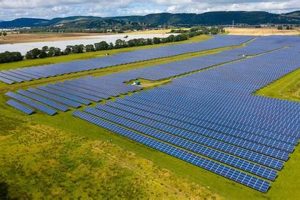
Harnessing power from natural resources like sunlight, wind, and geothermal heat offers sustainable alternatives to conventional energy sources for residential use. Examples include rooftop solar photovoltaic (PV) systems converting sunlight into electricity, small-scale wind turbines generating power from wind, and geothermal heat pumps utilizing the earth’s stable temperature for heating and cooling. These systems can operate independently or be connected to the existing power grid.
Decentralized power generation reduces reliance on fossil fuels, minimizing greenhouse gas emissions and mitigating climate change. Moreover, homeowners can often achieve significant long-term cost savings through reduced electricity bills and potential incentives like tax credits and rebates. While initial investment costs can be substantial, technological advancements and increasing market adoption continue to drive down prices, making these options increasingly accessible. The earliest documented use of solar power for homes dates back to the late 19th century, but widespread adoption has only gained momentum in recent decades with increased awareness of environmental concerns and advancements in renewable energy technologies.
This discussion will further explore various residential renewable energy options, delving into the specifics of each technology, installation considerations, cost-benefit analyses, and potential challenges. It will also examine the evolving policy landscape and the role of government incentives in promoting the wider adoption of sustainable energy solutions in the residential sector.
Tips for Implementing Home Renewable Energy Systems
Careful planning and consideration are essential for successful implementation of renewable energy systems in residential settings. The following tips offer guidance for homeowners exploring these options.
Tip 1: Conduct a thorough energy audit. An energy audit assesses current energy consumption patterns, identifying areas for improvement and potential savings. This analysis provides a baseline for determining the appropriate size and type of renewable energy system.
Tip 2: Research available incentives and rebates. Numerous government and utility programs offer financial incentives for installing renewable energy systems. Thorough research can significantly reduce upfront costs.
Tip 3: Consider local climate and geography. The effectiveness of different renewable energy technologies varies depending on factors like sunlight availability, wind speed, and geothermal potential. Local conditions should inform system selection.
Tip 4: Evaluate roof orientation and shading. Rooftop solar panel installations require optimal sunlight exposure. Roof orientation, angle, and potential shading from trees or buildings must be assessed.
Tip 5: Obtain necessary permits and approvals. Installation of renewable energy systems often requires permits and approvals from local authorities. Ensuring compliance with regulations is crucial.
Tip 6: Choose qualified and experienced installers. Proper installation is essential for system performance and safety. Selecting reputable and certified installers ensures quality workmanship and adherence to industry best practices.
Tip 7: Explore financing options. Several financing options, including loans and leases, can make renewable energy systems more accessible. Comparing terms and interest rates is advisable.
Implementing these tips can maximize the benefits of sustainable energy systems, leading to reduced energy costs, decreased environmental impact, and increased energy independence.
By carefully considering these factors, homeowners can make informed decisions and embark on a path toward a more sustainable future.
1. Solar Power

Solar power represents a prominent component within the broader framework of residential renewable energy solutions. Photovoltaic (PV) panels convert sunlight directly into electricity, offering a clean and sustainable alternative to fossil fuel-based power generation. This direct conversion minimizes environmental impact by reducing greenhouse gas emissions and dependence on finite resources. The modular nature of solar installations allows for scalability, catering to varying energy demands from individual homes to entire communities. For example, a typical residential rooftop solar array can significantly offset household electricity consumption, reducing reliance on the grid and potentially generating surplus power that can be fed back into the system.
The decreasing cost of solar technology, coupled with government incentives like tax credits and rebates, enhances the economic viability of residential solar installations. Furthermore, advancements in battery storage technology enable homeowners to store excess solar energy generated during peak sunlight hours for use during periods of low sunlight or at night. This increased self-sufficiency reduces dependence on grid electricity and provides backup power during outages. Net metering programs, where excess solar energy is credited against future electricity bills, further incentivize residential solar adoption, creating a positive feedback loop for sustainable energy growth. Practical applications extend beyond individual homes to community solar projects, allowing residents without suitable roof space or sufficient capital to participate in the benefits of solar power.
While solar power offers substantial advantages as a residential renewable energy solution, factors such as initial installation costs, geographic location, and available sunlight hours influence its feasibility. Addressing these challenges through ongoing research and development, policy support, and consumer education remains crucial for maximizing the potential of solar power in achieving widespread residential energy sustainability. The integration of smart grid technologies and the development of more efficient energy storage solutions will further enhance the role of solar power within the interconnected energy landscape, paving the way for a cleaner and more resilient energy future.
2. Wind Energy

Wind energy presents a viable option within the spectrum of renewable energy solutions for homes, particularly in locations with consistent and sufficient wind resources. Harnessing wind power through small-scale wind turbines offers a decentralized approach to electricity generation, reducing reliance on centralized power grids and associated transmission losses. This distributed generation model enhances energy independence and resilience, especially in rural or remote areas where grid access may be limited or unreliable. The kinetic energy of wind drives the turbine blades, converting mechanical energy into electrical energy that can power household appliances and systems. For example, a properly sited residential wind turbine can supplement or even replace grid electricity, reducing monthly energy bills and minimizing carbon footprint. Furthermore, hybrid systems combining wind turbines with solar panels or other renewable sources can optimize energy generation and ensure a more consistent power supply throughout the year.
The environmental benefits of residential wind energy stem from its clean and sustainable nature. Unlike fossil fuel-based power generation, wind turbines produce no greenhouse gas emissions during operation, mitigating climate change and improving air quality. However, considerations such as noise levels, visual impact, and potential effects on wildlife require careful assessment during the planning and installation phases. Site selection plays a crucial role in maximizing energy output while minimizing potential environmental impacts. Locations with higher average wind speeds and minimal obstructions offer optimal conditions for wind turbine placement. Technological advancements continue to improve turbine efficiency and reduce noise levels, addressing some of the challenges associated with residential wind energy adoption. Integrating wind turbines into smart home energy management systems can further optimize energy usage and grid interaction, enhancing the overall effectiveness of this renewable energy solution.
Despite the advantages, widespread adoption of residential wind energy faces certain limitations. Initial installation costs, maintenance requirements, and the intermittent nature of wind resources can pose challenges. Government incentives, such as tax credits and rebates, can help offset upfront costs and encourage wider adoption. Furthermore, advancements in energy storage technologies, like batteries, can address the intermittency issue by storing excess energy generated during periods of high wind for use during calmer periods. Addressing these challenges through technological innovation, policy support, and public awareness campaigns will be essential for realizing the full potential of residential wind energy as a key component of a sustainable energy future. The continued integration of wind energy into the broader energy mix, alongside other renewable solutions, will contribute to a more decentralized, resilient, and environmentally responsible energy landscape.
3. Geothermal Systems

Geothermal systems represent a crucial component within the landscape of renewable energy solutions for homes, offering sustainable heating and cooling options by leveraging the earth’s consistent subsurface temperatures. These systems utilize the relatively constant temperature of the ground or groundwater as a heat source in winter and a heat sink in summer. This approach reduces reliance on fossil fuel-based heating and cooling systems, minimizing greenhouse gas emissions and promoting energy independence. Geothermal heat pumps, the most common type of residential geothermal system, circulate a refrigerant through a network of underground pipes (a ground loop) to exchange thermal energy with the earth. In winter, the system extracts heat from the ground and transfers it into the home, while in summer, it reverses the process, transferring heat from the home into the ground. This consistent temperature differential allows for efficient and sustainable climate control. For example, a home equipped with a geothermal heat pump can achieve significant energy savings compared to a conventional air-source heat pump or furnace, reducing long-term operational costs and minimizing environmental impact. Furthermore, geothermal systems can be integrated with other renewable energy sources, such as solar panels, to create highly efficient and sustainable hybrid systems.
The practical significance of understanding the connection between geothermal systems and renewable energy solutions for homes lies in the potential for widespread adoption of this technology. Geothermal systems offer several advantages, including reduced energy consumption, lower operating costs, and increased home comfort. They also require minimal maintenance and have a long lifespan. However, the higher upfront installation cost compared to conventional HVAC systems represents a significant barrier to broader adoption. Government incentives, such as tax credits and rebates, can help mitigate this initial cost barrier. Furthermore, advancements in drilling technology and ground loop design continue to improve system efficiency and reduce installation complexity. In areas with favorable geological conditions, such as regions with high geothermal activity or accessible groundwater aquifers, the feasibility and cost-effectiveness of these systems increase significantly. Integrating geothermal systems into community-scale projects, such as geothermal district heating and cooling networks, can further optimize resource utilization and reduce individual homeowner costs.
Geothermal systems play a vital role in the transition toward sustainable residential energy solutions. While challenges remain regarding initial costs and geological suitability, the long-term environmental and economic benefits of harnessing geothermal energy for home heating and cooling are substantial. Continued technological advancements, supportive policies, and increased public awareness are crucial for unlocking the full potential of geothermal systems in contributing to a cleaner, more efficient, and resilient energy future for homes and communities. The integration of geothermal energy with other renewable resources and smart grid technologies will further enhance the effectiveness and impact of this sustainable energy solution within the broader context of a decarbonized energy landscape.
4. Hydropower
Hydropower, leveraging the energy of moving water, presents a unique niche within the broader context of renewable energy solutions for homes. While large-scale hydroelectric dams are well-established, the focus here centers on smaller-scale hydropower systems applicable to residential settings. These systems offer potential for sustainable electricity generation, particularly for properties with access to flowing water sources. Understanding the practical applications and limitations of these systems is crucial for evaluating their suitability as a residential renewable energy solution.
- Micro-hydropower Systems
Micro-hydropower systems, typically utilizing small turbines installed in streams or rivers, represent the most common application of hydropower for individual homes. These systems generate electricity from the natural flow of water, offering a continuous and reliable energy source independent of weather conditions like sunlight or wind. A homeowner with a property adjacent to a stream with sufficient flow could install a micro-hydropower system to offset a portion of their electricity consumption. However, environmental considerations, such as impact on aquatic ecosystems and water flow alteration, necessitate careful planning and adherence to regulatory guidelines.
- Pumped Hydro Storage
Pumped hydro storage offers a method of storing energy generated from other renewable sources, such as solar or wind. This system utilizes two reservoirs at different elevations. Excess electricity pumps water uphill to the higher reservoir, storing potential energy. When electricity demand increases, water flows back downhill through a turbine, generating electricity. While not a direct source of renewable energy itself, pumped hydro storage enhances the reliability and flexibility of other renewable energy systems in residential settings. This technology is particularly beneficial for managing intermittent renewable resources, ensuring a consistent power supply even when sunlight or wind are unavailable.
- Run-of-River Systems
Run-of-river hydropower systems utilize the natural flow of a river or stream without the need for large dams or reservoirs. These systems divert a portion of the water flow through a channel or penstock to power a turbine. This approach minimizes environmental impact compared to large-scale dam projects. However, power output fluctuates with natural variations in water flow. In a residential context, run-of-river systems are suitable for properties with consistent water flow throughout the year. Careful assessment of water availability and potential ecological impacts is crucial for responsible implementation.
- In-Pipe Hydropower
In-pipe hydropower systems generate electricity from the flow of water within existing pipelines, such as municipal water distribution systems. These systems utilize small turbines installed within the pipe to capture the energy of the flowing water. This innovative approach offers a relatively low-impact method of generating renewable energy. In a residential context, in-pipe hydropower could potentially be integrated into home plumbing systems to generate small amounts of electricity, although widespread application remains limited due to technical and regulatory challenges.
While hydropower offers unique advantages as a renewable energy solution for homes, its applicability depends heavily on site-specific factors such as water availability, topography, and environmental regulations. Careful consideration of these factors, along with a thorough cost-benefit analysis, is essential for determining the feasibility and suitability of hydropower for residential applications. Integrating these systems with other renewable energy solutions and smart grid technologies can further optimize energy generation and distribution, contributing to a more sustainable and resilient residential energy landscape.
5. Biomass Energy

Biomass energy, derived from organic matter, plays a distinct role within the spectrum of renewable energy solutions for homes. Its utilization involves converting organic materials, such as wood, agricultural residues, and dedicated energy crops, into usable energy forms like heat or electricity. This conversion process reduces reliance on fossil fuels, mitigating greenhouse gas emissions and promoting energy independence. One primary application of biomass energy in residential settings involves wood-burning stoves or fireplaces, providing a direct source of space heating. Another application includes biomass boilers, which can heat water for domestic use and space heating. However, the efficiency and environmental impact of biomass energy systems vary depending on the technology employed and the source of biomass. Sustainable sourcing of biomass is crucial to avoid deforestation and ensure environmental integrity. For example, using wood pellets sourced from sustainably managed forests offers a more environmentally sound approach compared to burning unprocessed wood. Furthermore, modern biomass gasification systems can convert organic matter into biogas, a versatile fuel for cooking, heating, and electricity generation. These advanced systems offer higher efficiency and reduced emissions compared to traditional combustion methods.
The practical significance of understanding the connection between biomass energy and renewable energy solutions for homes lies in the potential for localized and sustainable energy production. Homes in rural areas with access to abundant biomass resources, such as agricultural residues or forestry byproducts, can benefit significantly from implementing biomass energy systems. These systems can reduce reliance on external energy sources, create local economic opportunities, and contribute to waste reduction through the utilization of organic waste streams. However, considerations such as fuel storage, emissions control, and system maintenance are essential for effective and responsible implementation. Advanced biomass systems, like combined heat and power (CHP) units, offer increased efficiency by generating both electricity and heat from the same biomass source. Integrating these systems with other renewable energy technologies, such as solar panels or wind turbines, can further enhance energy self-sufficiency and resilience in residential settings. Moreover, community-scale biomass projects can aggregate resources and provide shared access to sustainable energy, expanding the benefits beyond individual households.
Biomass energy offers a valuable contribution to the suite of renewable energy solutions for homes, particularly in specific contexts with access to sustainable biomass resources. Addressing challenges related to efficient conversion technologies, emissions control, and sustainable sourcing practices is crucial for maximizing the environmental and economic benefits of biomass energy. The continued development of advanced biomass technologies, coupled with supportive policies and community engagement, will further refine the role of biomass energy within a diversified and resilient residential energy landscape. Integrating biomass energy strategically with other renewable resources and smart grid infrastructure will contribute to a more decentralized, sustainable, and environmentally responsible energy future for homes and communities.
Frequently Asked Questions about Renewable Energy Solutions for Homes
This section addresses common inquiries regarding residential renewable energy systems, providing concise and informative responses to facilitate informed decision-making.
Question 1: What is the typical lifespan of a residential solar panel system?
Most solar panel systems have a lifespan of 25 to 30 years or more. Performance typically degrades gradually over time, but many manufacturers offer warranties guaranteeing a certain level of output over an extended period.
Question 2: Are renewable energy systems suitable for all climates?
While different renewable energy technologies thrive under specific climatic conditions, suitable options generally exist for most locations. Solar power performs best in sunny climates, wind energy requires consistent wind resources, and geothermal systems function effectively in various climates due to the earth’s relatively stable subsurface temperatures.
Question 3: What are the primary financial incentives available for installing residential renewable energy systems?
Financial incentives vary by location and may include federal and state tax credits, rebates, performance-based incentives, and net metering programs. Consulting with local energy agencies and tax professionals can provide detailed information on available incentives.
Question 4: Do renewable energy systems require significant maintenance?
Generally, renewable energy systems require minimal maintenance. Solar panels typically need periodic cleaning, and wind turbines may require occasional inspections and component replacements. Geothermal systems typically involve minimal maintenance beyond regular checks of the heat pump and ground loop system.
Question 5: How can homeowners determine the appropriate size of a renewable energy system for their home?
Conducting a thorough energy audit is essential for determining the appropriate system size. This audit assesses current energy consumption patterns and identifies areas for potential energy savings. Qualified energy professionals can perform these audits and recommend suitable system configurations based on individual household needs.
Question 6: What is the environmental impact of manufacturing renewable energy components?
The manufacturing process for renewable energy components, like solar panels and wind turbines, does involve some environmental impact. However, lifecycle assessments demonstrate that the environmental benefits of renewable energy systems, in terms of reduced greenhouse gas emissions and air pollution, significantly outweigh the manufacturing impacts over the system’s operational lifespan.
Careful consideration of these frequently asked questions, alongside consultation with qualified professionals, will empower homeowners to make informed decisions regarding the adoption and implementation of renewable energy solutions tailored to their specific needs and circumstances.
The subsequent section will delve into case studies illustrating successful implementations of residential renewable energy systems, showcasing practical examples and demonstrating the tangible benefits of transitioning toward a sustainable energy future.
Renewable Energy Solutions for Homes
This exploration has provided a comprehensive overview of renewable energy solutions applicable to residential settings. Key technologies, including solar power, wind energy, geothermal systems, hydropower, and biomass energy, offer viable pathways for reducing reliance on conventional energy sources and mitigating environmental impact. Careful consideration of factors such as geographic location, resource availability, energy consumption patterns, and available incentives is crucial for successful implementation. Technological advancements, coupled with supportive policies and increased consumer awareness, continue to drive down costs and enhance the accessibility of these solutions.
The transition toward residential renewable energy represents a significant step toward a sustainable energy future. Embracing these technologies offers not only environmental benefits through reduced greenhouse gas emissions but also economic advantages through lower energy costs and increased energy independence. Continued innovation, policy support, and informed decision-making at the household level will be essential for realizing the full potential of renewable energy solutions and creating a more sustainable and resilient energy landscape for generations to come.