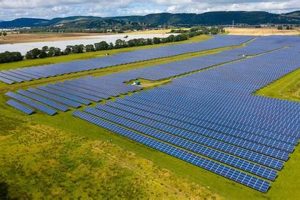
Acquiring supplies of energy generated from sources that naturally replenish themselves, such as solar, wind, hydro, geothermal, and biomass, involves a complex process. For example, a corporation might sign a Power Purchase Agreement (PPA) with a wind farm developer to secure a long-term supply of wind-generated electricity. This agreement specifies the price, volume, and delivery terms of the energy.
The strategic acquisition of such resources is crucial for organizations seeking to reduce their carbon footprint, mitigate energy price volatility, and enhance their corporate sustainability profile. Historically, businesses relied heavily on fossil fuels. However, growing awareness of climate change and advancements in renewable energy technologies have driven a significant shift towards cleaner energy sources. This transition is not only environmentally responsible but also increasingly cost-competitive.
The subsequent sections will delve into the various mechanisms, considerations, and best practices associated with securing sustainable energy supplies, including different contract structures, risk management strategies, and emerging market trends.
Tips for Sustainable Energy Acquisition
Successfully integrating renewable energy requires careful planning and execution. The following tips offer guidance for organizations seeking to secure sustainable energy supplies effectively.
Tip 1: Define Clear Objectives: Clearly articulate organizational sustainability goals and how the acquisition of renewable energy aligns with these objectives. Quantifiable targets, such as a percentage reduction in greenhouse gas emissions or a specific renewable energy capacity target, provide a framework for decision-making.
Tip 2: Conduct Thorough Due Diligence: Evaluate potential suppliers and technologies rigorously. Assess the financial stability of project developers, the technical feasibility of projects, and the environmental impact of the chosen technology.
Tip 3: Explore Various Contract Structures: Understand the different contractual arrangements available, including Power Purchase Agreements (PPAs), Virtual Power Purchase Agreements (VPPAs), and green certificates. Select the structure that best aligns with the organization’s risk tolerance and financial objectives.
Tip 4: Consider Long-Term Market Dynamics: Analyze future energy price trends and regulatory developments. A long-term perspective helps ensure that the chosen strategy remains viable and cost-effective in the evolving energy landscape.
Tip 5: Prioritize Risk Management: Identify and mitigate potential risks associated with renewable energy projects, such as resource variability, regulatory changes, and counterparty credit risk. Develop appropriate risk mitigation strategies.
Tip 6: Leverage Expert Advice: Consult with experienced professionals in renewable energy procurement. Specialized expertise can provide valuable insights into market trends, contract negotiations, and technical aspects of renewable energy projects.
Tip 7: Monitor and Evaluate Performance: Track the performance of renewable energy projects against established goals and benchmarks. Regularly review and adapt the procurement strategy to optimize outcomes and incorporate lessons learned.
By implementing these strategies, organizations can effectively navigate the complexities of sustainable energy acquisition and realize the significant environmental and economic benefits associated with a transition to clean energy.
The concluding section will summarize key findings and offer final recommendations for organizations embarking on this transformative journey.
1. Sourcing Strategy

A well-defined sourcing strategy is fundamental to successful renewable energy procurement. It dictates how organizations acquire renewable energy, impacting cost-effectiveness, risk mitigation, and overall sustainability objectives. Selecting an appropriate sourcing strategy requires careful consideration of organizational needs and market dynamics.
- On-site Generation
On-site generation involves installing renewable energy technologies, such as solar panels or wind turbines, directly on an organization’s property. This approach offers direct control over energy production and can reduce reliance on grid electricity. A manufacturing facility installing rooftop solar panels to power its operations exemplifies on-site generation. This strategy can reduce transmission losses and provide price stability but requires upfront capital investment and available space.
- Off-site Power Purchase Agreements (PPAs)
PPAs involve contracting with a third-party developer to purchase renewable energy generated at an off-site facility. This approach offers access to large-scale renewable energy projects without requiring direct investment in infrastructure. A corporation signing a PPA with a wind farm to offset its electricity consumption represents an off-site procurement strategy. PPAs offer price predictability and require less upfront capital but involve contractual complexities and potential counterparty risks.
- Renewable Energy Certificates (RECs)
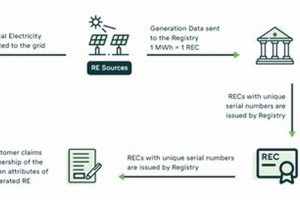
RECs represent the environmental attributes of one megawatt-hour (MWh) of renewable energy generated. Purchasing RECs allows organizations to claim the use of renewable energy even if their electricity consumption is not directly sourced from renewable sources. A company purchasing RECs to meet its sustainability targets while still relying on grid electricity illustrates this strategy. RECs offer a relatively simple and flexible approach but do not directly contribute to the addition of new renewable energy capacity.
- Utility Green Power Programs
Some utilities offer green power programs that allow customers to purchase renewable energy directly from their electricity provider. This approach simplifies the procurement process and often involves a premium on the standard electricity rate. A household enrolling in a utility’s green power program to support renewable energy development exemplifies this strategy. Utility green power programs offer ease of participation but may have limited customization options compared to other sourcing strategies.
The chosen sourcing strategy significantly influences the overall effectiveness of renewable energy procurement. Careful evaluation of these options, considering factors such as cost, risk, and organizational objectives, is crucial for maximizing the benefits of transitioning to renewable energy. A comprehensive sourcing strategy may even incorporate a combination of these approaches to achieve diversified and resilient renewable energy portfolio.
2. Contract Negotiation
Contract negotiation forms the cornerstone of successful renewable energy procurement. Securing favorable terms and mitigating potential risks hinges on effective negotiation strategies and a comprehensive understanding of contractual intricacies. This process directly impacts the long-term financial viability and sustainability of renewable energy projects.
- Power Purchase Agreements (PPAs)
PPAs are the most common contract type in renewable energy procurement. They establish the terms for the sale and purchase of electricity generated from a renewable energy project. Key negotiation points include the contract term, pricing structure (fixed, indexed, or market-based), and provisions for curtailment or interconnection delays. A well-negotiated PPA ensures price certainty for the buyer and a stable revenue stream for the project developer. For example, negotiating a fixed-price PPA protects the buyer from future electricity price fluctuations.
- Risk Allocation
Allocating risks appropriately is crucial in renewable energy contracts. Negotiations often involve determining responsibility for events such as equipment failures, regulatory changes, or resource intermittency. Clearly defining these responsibilities minimizes potential disputes and ensures project viability. For instance, specifying performance guarantees and warranties protects the buyer from underperformance due to equipment malfunctions.
- Term and Termination Provisions
The contract term and termination provisions significantly impact the long-term financial implications of renewable energy procurement. Negotiating favorable terms, including renewal options and termination clauses, provides flexibility and protects against unforeseen circumstances. For example, including an option to extend the PPA allows the buyer to secure long-term access to renewable energy at a predetermined price.
- Due Diligence and Representations & Warranties
Thorough due diligence is essential before entering into any renewable energy contract. This process involves verifying the project developer’s financial stability, technical expertise, and legal compliance. Negotiating strong representations and warranties provides legal recourse if the project developer misrepresents key aspects of the project. This protects the buyer’s investment and ensures project viability. For example, verifying the project’s permits and environmental approvals ensures compliance with regulatory requirements.
Effective contract negotiation is paramount for securing long-term value and mitigating risks in renewable energy procurement. A well-structured contract, aligned with organizational sustainability objectives and reflecting thorough due diligence, forms the foundation for a successful transition to clean energy. By addressing these facets effectively, organizations can optimize their renewable energy investments and achieve their sustainability goals.
3. Risk Assessment

Risk assessment constitutes a critical component of renewable energy procurement, impacting project success and long-term financial viability. A comprehensive evaluation of potential risks allows organizations to proactively mitigate challenges and optimize investment outcomes. Ignoring potential risks can lead to cost overruns, project delays, and reputational damage. Conversely, thorough risk assessment enables informed decision-making, enhances project resilience, and increases the likelihood of achieving sustainability targets.
Several key risks warrant careful consideration. Resource variability, inherent in renewable energy sources like solar and wind, poses challenges for consistent energy generation. Variations in sunlight and wind patterns necessitate robust forecasting and backup generation strategies. Regulatory changes represent another significant risk. Policy shifts can impact project economics and create uncertainty for investors. Conducting thorough due diligence on existing regulations and anticipating potential changes mitigates this risk. Counterparty risk, associated with the financial stability of project developers and suppliers, requires careful evaluation. Assessing the creditworthiness and track record of counterparties reduces the likelihood of contract breaches or project failures. Technology risk pertains to the performance and reliability of renewable energy technologies. Evaluating the maturity and track record of chosen technologies minimizes operational disruptions and ensures long-term performance. For instance, a solar project in a region with frequent cloud cover might necessitate battery storage to address intermittency, demonstrating a practical application of risk mitigation.
Effective risk assessment involves identifying potential risks, quantifying their potential impact, and developing mitigation strategies. This process requires a multidisciplinary approach, incorporating expertise in finance, engineering, law, and environmental science. Implementing appropriate risk management strategies, such as diversification of renewable energy sources, contractual risk allocation, and insurance mechanisms, enhances project resilience and safeguards investments. Ultimately, a comprehensive risk assessment framework, integrated into the renewable energy procurement process, enables organizations to confidently navigate the complexities of the renewable energy market and maximize the benefits of transitioning to a sustainable energy future. This proactive approach is crucial for achieving both environmental and financial objectives.
4. Due Diligence

Due diligence forms an indispensable part of renewable energy procurement, serving as a critical risk mitigation tool and contributing significantly to project success. It involves a comprehensive investigation and analysis of all aspects of a potential renewable energy project, from technical and financial feasibility to legal and regulatory compliance. Neglecting thorough due diligence can expose organizations to substantial financial, reputational, and operational risks. Conversely, robust due diligence provides the necessary insights to make informed decisions, negotiate favorable contract terms, and ensure long-term project viability.
The scope of due diligence in renewable energy procurement encompasses several key areas. Technical due diligence assesses the performance and reliability of the chosen technology, including an evaluation of energy yield projections, equipment specifications, and operational maintenance requirements. For example, verifying the projected energy output of a solar farm based on historical weather data and system performance guarantees constitutes a crucial element of technical due diligence. Financial due diligence scrutinizes the project’s financial viability, encompassing an analysis of projected cash flows, debt financing arrangements, and the financial health of the project developer. Reviewing the developer’s credit rating and financial statements is a crucial step in this process. Legal due diligence examines all legal aspects of the project, including permits, licenses, land use rights, and contractual agreements. Confirming the validity of environmental permits and interconnection agreements is essential for ensuring legal compliance. Environmental and social due diligence evaluates the project’s potential environmental and social impacts, encompassing assessments of biodiversity, water resources, community engagement, and labor practices. For instance, assessing the potential impact of a wind farm on local bird populations falls under this category.
Thorough due diligence provides a comprehensive understanding of a project’s strengths and weaknesses, enabling organizations to make informed investment decisions and negotiate favorable contract terms. It empowers organizations to identify potential risks early in the procurement process and develop appropriate mitigation strategies. This proactive approach minimizes potential financial losses, project delays, and reputational damage, ultimately contributing to the success and sustainability of renewable energy projects. Failing to conduct adequate due diligence can result in costly errors and jeopardize long-term sustainability objectives. Therefore, rigorous due diligence stands as a cornerstone of responsible and successful renewable energy procurement, safeguarding investments and maximizing the positive impact of the transition to clean energy.
5. Stakeholder Engagement
Stakeholder engagement constitutes a crucial aspect of renewable energy procurement, significantly influencing project success and long-term sustainability. Effective engagement builds consensus, fosters collaboration, and mitigates potential conflicts. This process involves identifying all relevant stakeholders, understanding their interests and concerns, and incorporating their perspectives into decision-making processes. Stakeholders in renewable energy projects can include local communities, indigenous groups, government agencies, regulatory bodies, investors, landowners, and environmental organizations. Their interests can range from economic benefits and job creation to environmental protection and cultural preservation. For instance, a wind farm project might require engagement with local communities to address concerns about noise pollution and visual impacts. Similarly, engaging with indigenous groups is crucial if a project is located on ancestral lands, respecting cultural heritage and ensuring equitable benefit sharing. Ignoring stakeholder concerns can lead to project delays, cost overruns, and reputational damage, highlighting the critical role of proactive and meaningful engagement. Conversely, successful stakeholder engagement can foster community support, streamline permitting processes, and enhance project acceptance. A hydroelectric project, for example, might benefit from collaborating with local fishing communities to develop mitigation measures for potential impacts on aquatic life, fostering positive relationships and ensuring project sustainability.
Practical applications of stakeholder engagement in renewable energy procurement vary depending on the specific project and its context. Common strategies include public consultations, community meetings, stakeholder workshops, and online platforms for information sharing and feedback. Transparency and open communication are essential for building trust and fostering constructive dialogue. For example, providing clear and accessible information about a solar project’s environmental impact assessment can address community concerns and build confidence in the project’s sustainability. Furthermore, establishing mechanisms for ongoing communication and feedback throughout the project lifecycle ensures continued stakeholder involvement and allows for adaptive management. A geothermal project might establish a community liaison group to provide regular updates on project progress and address emerging concerns. Effectively managing stakeholder relationships requires dedicated resources, expertise in communication and conflict resolution, and a commitment to incorporating stakeholder feedback into project planning and implementation. This investment in stakeholder engagement yields substantial benefits, enhancing project acceptance, mitigating risks, and fostering long-term sustainability.
In summary, stakeholder engagement is not merely a procedural requirement but a strategic imperative for successful renewable energy procurement. It fosters collaboration, minimizes conflicts, and enhances project outcomes. By prioritizing stakeholder engagement, organizations can build strong relationships with affected communities, ensure project acceptance, and contribute to a more sustainable and equitable energy future. Challenges in stakeholder engagement, such as differing interests and power imbalances, require careful navigation and a commitment to inclusive decision-making processes. Addressing these challenges effectively contributes to the overall success and positive impact of renewable energy projects, aligning economic development with environmental stewardship and social responsibility.
6. Long-Term Planning

Long-term planning is essential for effective renewable energy procurement. It provides a strategic roadmap for organizations to transition to clean energy sources, considering factors such as future energy demand, technological advancements, policy changes, and market dynamics. Without a long-term perspective, renewable energy investments risk becoming stranded assets or failing to deliver optimal value. For instance, a company relying solely on short-term power purchase agreements might miss out on the cost-saving benefits of investing in long-term contracts or on-site generation. Analyzing projected energy consumption over the next 10-20 years allows organizations to align their renewable energy strategy with future needs and optimize investment decisions. This forward-looking approach ensures that renewable energy procurement aligns with broader organizational sustainability goals and contributes to long-term value creation.
Several key elements contribute to effective long-term planning in renewable energy procurement. Scenario planning helps organizations anticipate various future possibilities, such as changes in energy prices, technological breakthroughs, or policy shifts. This allows for the development of flexible strategies that can adapt to evolving market conditions. For example, considering the potential impact of carbon pricing on renewable energy investments allows organizations to make informed decisions about project timelines and financing structures. Technology roadmapping helps organizations track emerging renewable energy technologies and assess their potential for future deployment. This ensures that investments align with the most promising and cost-effective solutions. For instance, monitoring advancements in battery storage technology allows organizations to anticipate its potential impact on the grid integration of intermittent renewable sources like solar and wind. Policy analysis involves monitoring and anticipating changes in government regulations and incentives related to renewable energy. This helps organizations adapt their procurement strategies to maximize financial benefits and minimize compliance risks. For example, understanding the implications of renewable portfolio standards (RPS) allows organizations to anticipate future demand for renewable energy certificates (RECs) and adjust their procurement strategies accordingly.
Long-term planning in renewable energy procurement allows organizations to move beyond short-term cost considerations and focus on creating long-term value. It enables informed decision-making, maximizes the financial and environmental benefits of renewable energy investments, and enhances organizational resilience in the face of evolving market dynamics. The challenges associated with long-term planning, such as forecasting uncertainties and evolving policy landscapes, require a dynamic and adaptive approach. By incorporating flexibility and continuous monitoring into long-term plans, organizations can navigate these challenges effectively and unlock the full potential of renewable energy. This strategic foresight contributes not only to organizational sustainability goals but also to a more secure and sustainable energy future.
Frequently Asked Questions about Renewable Energy Procurement
This section addresses common inquiries regarding the acquisition of renewable energy, providing clarity on key concepts and processes.
Question 1: What distinguishes on-site generation from off-site power purchase agreements (PPAs)?
On-site generation involves installing renewable energy systems directly on an organization’s property, while off-site PPAs involve purchasing renewable energy generated at a separate facility owned by a third-party developer.
Question 2: How do renewable energy certificates (RECs) contribute to sustainability efforts?
RECs represent the environmental attributes of renewable energy generation, allowing organizations to claim renewable energy usage even if their electricity is not directly sourced from renewables. Purchasing RECs supports renewable energy development but does not directly offset an organization’s specific electricity consumption.
Question 3: What key factors should be considered when negotiating a PPA?
Critical PPA negotiation points include contract duration, pricing mechanisms (fixed, indexed, or market-based), risk allocation, and provisions for curtailment or interconnection delays.
Question 4: What are the primary risks associated with renewable energy projects, and how can they be mitigated?
Key risks include resource variability (addressed through energy storage or backup generation), regulatory changes (mitigated through policy analysis and advocacy), and counterparty risk (managed through due diligence and robust contract terms). Technology risk and interconnection challenges also require consideration.
Question 5: Why is due diligence crucial in renewable energy procurement?
Due diligence investigates technical, financial, legal, and environmental aspects of a project, mitigating risks and ensuring informed investment decisions. It validates project viability and supplier credibility.
Question 6: How does stakeholder engagement contribute to the success of renewable energy projects?
Stakeholder engagement, including community consultations and collaboration with local authorities, builds consensus, addresses concerns, and fosters project acceptance. It ensures alignment with community values and minimizes potential conflicts.
Understanding these fundamental aspects of renewable energy procurement enables organizations to make informed decisions and effectively transition to a more sustainable energy future.
For further information, the following resources provide detailed guidance on specific aspects of renewable energy procurement.
Conclusion
Strategic acquisition of renewable energy presents a multifaceted process crucial for organizational sustainability and long-term value creation. Successful implementation requires careful consideration of sourcing strategies, ranging from on-site generation to off-site power purchase agreements (PPAs) and renewable energy certificates (RECs). Thorough due diligence, robust contract negotiation, and comprehensive risk assessment are essential for mitigating potential challenges and ensuring project viability. Furthermore, effective stakeholder engagement fosters collaboration, builds community support, and minimizes potential conflicts. Finally, long-term planning, encompassing scenario analysis and technology roadmapping, ensures alignment with future energy needs and maximizes the benefits of renewable energy investments.
The transition to a sustainable energy future necessitates a strategic and informed approach to renewable energy acquisition. By embracing best practices and navigating the complexities of this evolving landscape, organizations can unlock significant environmental and economic benefits, contributing to a more resilient and sustainable energy future for all. The strategic importance of this transition underscores the need for continued innovation, collaboration, and a commitment to responsible energy practices.