Representing the environmental attributes of one megawatt-hour (MWh) of electricity generated from a qualified renewable energy source, these tradable instruments allow companies to claim the use of clean power, even if their own operations aren’t directly powered by it. A wind farm, for example, generates both electricity and these certificates, which can be sold separately to entities needing to demonstrate compliance with environmental regulations or meet sustainability goals.
Market-based mechanisms like these incentivize renewable energy development by providing additional revenue streams for clean power generators. They also offer a flexible and cost-effective way for organizations to reduce their carbon footprint and support the transition to a cleaner energy future. The evolution of these markets has been driven by increasing corporate sustainability commitments and government mandates aimed at promoting renewable energy adoption. This has led to the development of robust tracking systems and exchanges that ensure transparency and facilitate secure transactions.
This article will explore the factors influencing valuation, market trends, and the role of these instruments in shaping a sustainable energy landscape. It will also delve into the complexities of different market structures and the implications for both buyers and sellers.
Successfully integrating environmental attributes into an organization’s energy strategy requires careful consideration of market dynamics and regulatory frameworks. The following tips offer guidance for effectively leveraging these instruments.
Tip 1: Understand Regional Market Variations: Certificate values differ significantly based on local regulations and supply and demand dynamics. Research specific market characteristics before engaging in transactions.
Tip 2: Evaluate Long-Term Procurement Strategies: Consider long-term contracts to secure stable pricing and manage budgetary risk. This approach can provide predictability amidst market fluctuations.
Tip 3: Verify Certificate Authenticity: Utilize robust tracking systems and reputable registries to ensure certificate validity and avoid fraudulent activities. Due diligence is crucial in maintaining market integrity.
Tip 4: Align with Organizational Sustainability Goals: Integrate certificate procurement into broader corporate sustainability initiatives to maximize impact and demonstrate commitment to environmental stewardship.
Tip 5: Monitor Market Trends and Policy Developments: Stay informed about evolving policy landscapes and market dynamics to anticipate potential impacts on certificate pricing and availability.
Tip 6: Explore Bundled Procurement Options: Consider purchasing certificates alongside physical power supply agreements to simplify transactions and potentially achieve cost efficiencies.
Tip 7: Assess Additionality Claims: Evaluate the extent to which a project demonstrably increases renewable energy generation above and beyond what would have occurred otherwise. This is a critical factor in determining the environmental integrity of a certificate.
By implementing these strategies, organizations can effectively utilize environmental certificates to achieve their sustainability objectives, support renewable energy development, and navigate the evolving energy landscape.
This understanding forms the foundation for making informed decisions and maximizing the effectiveness of these valuable tools in the pursuit of a sustainable future.
1. Supply and Demand

The fundamental economic principle of supply and demand plays a crucial role in determining renewable energy credit (REC) prices. This interplay between the availability of RECs and the market’s desire for them establishes a dynamic pricing equilibrium. Understanding this relationship is essential for navigating the REC market.
- REC Availability (Supply)
The number of RECs available in the market is influenced by factors such as the pace of new renewable energy project development, regulatory incentives, and technological advancements. An increase in renewable energy generation typically leads to a greater supply of RECs, potentially putting downward pressure on prices. Conversely, limited supply due to slow project development or regulatory hurdles can drive prices upwards.
- Market Appetite (Demand)
Demand for RECs is driven by a variety of factors, including government mandates requiring specific percentages of renewable energy consumption (renewable portfolio standards), corporate sustainability commitments, and voluntary market participation by organizations seeking to offset their carbon footprint. Growing demand, often fueled by policy changes or increased corporate social responsibility initiatives, can drive REC prices higher. Conversely, weakening demand can lead to price decreases.
- Market Equilibrium
The intersection of supply and demand determines the market clearing price for RECs. When supply and demand are balanced, prices tend to stabilize. However, shifts in either supply or demand create price fluctuations. For example, a sudden increase in demand coupled with limited supply can lead to a significant price spike. Conversely, an oversupply of RECs relative to demand can depress prices.
- Regional Variations
Supply and demand dynamics often vary regionally. Some regions may have a robust supply of RECs due to favorable geographic conditions for renewable energy generation, while others may experience limited supply. Similarly, demand can differ based on regional policy mandates and corporate sustainability goals. These regional variations contribute to price discrepancies across different REC markets.
Ultimately, REC prices reflect the ongoing interplay between these supply and demand factors. Analyzing market trends, policy changes, and technological advancements provides valuable insights into potential price fluctuations. This understanding empowers both buyers and sellers to make informed decisions and effectively navigate the complexities of the REC market.
2. Government Policies

Government policies play a pivotal role in shaping the market for renewable energy credits (RECs). These policies can significantly influence both the supply of and demand for RECs, directly impacting market prices. Understanding the interplay between government intervention and REC pricing is essential for effective market participation.
- Renewable Portfolio Standards (RPS)
RPS policies mandate that electricity suppliers source a specific percentage of their electricity from renewable sources. These mandates create demand for RECs as suppliers can use them to demonstrate compliance. Stringent RPS targets typically increase REC demand and, consequently, prices. California’s RPS, requiring 60% renewable electricity by 2030, exemplifies a policy driving substantial REC demand. Conversely, weaker or nonexistent RPS policies can depress REC prices due to limited demand.
- Carbon Pricing Mechanisms
Policies like carbon taxes or cap-and-trade programs increase the cost of fossil fuel-based electricity generation. This can make renewable energy more competitive and indirectly increase the value of RECs. The European Union Emissions Trading System, for example, influences electricity prices and indirectly affects REC demand and pricing dynamics by making renewable energy sources comparatively more attractive.
- Production Tax Credits (PTCs) and Investment Tax Credits (ITCs)
These financial incentives directly support renewable energy project development by reducing the cost of production or investment. PTCs and ITCs stimulate the supply of RECs by encouraging the construction of new renewable energy facilities. The increased supply can moderate REC prices, although the overall impact depends on the interplay with demand-side policies like RPS. The United States’ federal ITC for solar energy projects has significantly influenced solar energy development and the associated REC market.
- Green Power Purchasing Programs
These programs enable government agencies, businesses, and individuals to voluntarily purchase renewable energy and associated RECs. Such programs can stimulate demand for RECs and support premium pricing for projects with specific environmental or social attributes, even in the absence of a mandatory RPS. For example, some programs prioritize RECs from locally sourced projects or those with demonstrable community benefits, influencing price differentials within the REC market.
The combined effect of these policies shapes the overall landscape of the REC market. Analyzing policy trends and anticipating potential changes is crucial for both REC buyers and sellers. Effective policy design can stimulate renewable energy development, drive demand for RECs, and contribute to a more sustainable energy future, while poorly designed or inconsistent policies can hinder market growth and create price volatility.
3. Project Location

Project location significantly influences renewable energy credit (REC) prices. Geographic factors impact both the cost of generating renewable energy and the market dynamics for RECs. Understanding these locational nuances is crucial for effective market participation.
- Resource Availability
Regions with abundant renewable resources, such as consistent wind speeds or high solar irradiance, generally experience lower generation costs. This can translate to lower REC prices, as project developers can offer them at a more competitive rate. Coastal regions with strong and consistent winds, like those off the coast of Scotland or in the North Sea, often see lower prices for wind-based RECs compared to areas with less consistent wind resources.
- Transmission Infrastructure
Projects located near existing transmission infrastructure can avoid costly upgrades or new construction, reducing overall project expenses. This can lead to lower REC prices. Conversely, projects in remote areas requiring significant transmission investments may have higher associated costs, reflected in higher REC prices. Solar farms in the Mojave Desert, while benefiting from high solar irradiance, may face higher transmission costs due to the distance from major population centers, potentially impacting REC prices.
- Regional Policy and Market Dynamics
Regional differences in renewable energy policies, such as Renewable Portfolio Standards (RPS), significantly impact REC demand and, consequently, prices. States with ambitious RPS targets tend to have higher REC prices due to increased demand. For example, REC prices in states like California and New York, with aggressive RPS goals, are often higher than in states with less stringent or nonexistent mandates.
- Environmental and Social Considerations
Projects sited in locations with minimal environmental and social impacts, such as brownfield sites or areas with pre-existing grid connections, may command premium REC prices. Buyers seeking to maximize the positive impact of their REC purchases may be willing to pay a premium for RECs from projects with strong environmental and social credentials. For example, RECs from a wind farm built on a reclaimed industrial site may be more valuable than those from a project impacting sensitive ecosystems.
These interconnected locational factors contribute to the complex pricing landscape of the REC market. Careful consideration of these elements is essential for developers, buyers, and policymakers alike. Understanding the influence of project location on REC prices enables informed decision-making, efficient market operation, and ultimately, the effective promotion of renewable energy development.
4. Technology Type
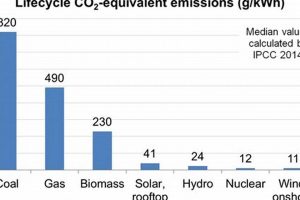
Technology type significantly influences renewable energy credit (REC) prices. Different renewable energy technologies have varying capital costs, operating expenses, capacity factors, and lifecycle emissions. These factors directly impact the cost of generating electricity and, consequently, the price of associated RECs. Understanding these technological nuances is crucial for navigating the REC market effectively.
Solar photovoltaic (PV) technology, for example, has experienced dramatic cost reductions in recent years, leading to lower REC prices for solar-generated electricity. Conversely, technologies like offshore wind, while possessing higher capacity factors, typically involve higher upfront investment and specialized maintenance, potentially resulting in higher REC prices. Furthermore, emerging technologies, such as wave energy or geothermal power, may have higher initial costs and associated REC prices due to limited deployment and ongoing research and development. The choice of technology also influences project siting considerations, impacting factors like transmission infrastructure needs and resource availability, further affecting REC pricing. Hydroelectric power, while technically renewable, often faces scrutiny regarding its environmental impact on river ecosystems, which can influence REC demand and pricing depending on specific project characteristics and certification standards.
The evolution of technology also plays a critical role. Advancements in wind turbine design, for example, have increased efficiency and capacity factors, leading to greater energy output and potentially lower REC prices per MWh generated. Similarly, innovations in battery storage technology can improve the dispatchability of intermittent renewable sources like solar and wind, enhancing their value and potentially influencing REC pricing. Analyzing technology trends, cost trajectories, and performance characteristics provides valuable insights into the potential future direction of REC prices. This understanding is crucial for developers, investors, and policymakers involved in the renewable energy sector. By recognizing the interplay between technology type and REC pricing, stakeholders can make informed decisions, promote efficient market operation, and contribute to a sustainable energy future.
5. Compliance Markets

Compliance markets represent a significant driver of renewable energy credit (REC) prices. These markets arise from government mandates, such as Renewable Portfolio Standards (RPS), which require electricity suppliers to source a specific percentage of their power from renewable sources. RECs serve as the primary instrument for demonstrating compliance with these mandates, creating a direct link between policy requirements and market dynamics. The stringency of RPS targets directly influences demand within compliance markets. Higher targets increase the demand for RECs, exerting upward pressure on prices. Conversely, less ambitious targets or the absence of an RPS can lead to lower demand and depressed prices. The interaction between supply and demand within these regulated markets establishes a price equilibrium reflecting the cost of compliance.
Real-world examples illustrate the impact of compliance markets on REC pricing. States with ambitious RPS targets, such as California and New York, often experience higher REC prices compared to states with less stringent mandates or no RPS. The difference in pricing reflects the higher demand driven by policy requirements. Furthermore, the structure of compliance markets can influence price volatility. Markets with fixed compliance deadlines can experience price spikes as deadlines approach and suppliers scramble to secure the necessary RECs. Conversely, markets with more flexible compliance mechanisms, such as banking and borrowing provisions, can mitigate price fluctuations by allowing suppliers to adjust their REC procurement strategies over time.
Understanding the dynamics of compliance markets is essential for both REC buyers and sellers. Suppliers must navigate these markets strategically to minimize compliance costs, while REC generators can leverage market demand to optimize revenue streams. The effectiveness of compliance markets in driving renewable energy development depends on careful policy design. Well-designed policies can stimulate investment, create stable market conditions, and ensure the environmental integrity of RECs, ultimately contributing to a more sustainable energy future. Challenges such as market manipulation, fraud, and the potential for RECs from less impactful projects to fulfill compliance obligations necessitate ongoing regulatory oversight and market transparency to maintain the effectiveness and credibility of these crucial mechanisms.
6. Voluntary Markets

Voluntary markets represent a significant and dynamic segment of the renewable energy credit (REC) landscape. Distinct from compliance markets driven by government mandates, voluntary markets operate based on the discretionary procurement of RECs by organizations seeking to demonstrate their commitment to sustainability, reduce their carbon footprint, or achieve specific environmental goals. This voluntary participation influences REC pricing dynamics in several ways.
Voluntary demand often creates price premiums for RECs with specific attributes. For instance, RECs associated with newer projects, specific technologies (like solar or wind), or projects located within a particular geographic region can command higher prices due to buyer preferences. This premium pricing reflects the value placed on these attributes beyond mere compliance. Corporations with ambitious sustainability targets might prioritize RECs from projects that align with their brand values or contribute to local community development. This targeted procurement can drive investment in specific types of renewable energy projects. For example, a company committed to supporting local renewable energy development might be willing to pay a premium for RECs generated within its operating region, even if less expensive RECs are available from other locations.
Voluntary markets provide an essential complement to compliance markets. They offer a mechanism for organizations to exceed regulatory requirements and demonstrate leadership in sustainability. This voluntary participation expands the overall demand for RECs, supporting continued growth in the renewable energy sector. However, the voluntary nature of these markets also introduces potential challenges. Lack of standardization and transparency can create complexities for buyers seeking to ensure the quality and environmental integrity of their REC purchases. The proliferation of various REC tracking systems and verification standards necessitates careful due diligence by buyers to avoid the risk of “greenwashing.” Robust third-party certification and verification programs play a vital role in ensuring market credibility and preventing fraudulent activities. Understanding the dynamics of voluntary markets is crucial for both buyers and sellers. For buyers, it involves navigating a complex landscape of options and making informed choices that align with their sustainability goals. For sellers, it requires effectively communicating the value proposition of their RECs and responding to evolving buyer preferences.
Frequently Asked Questions about Renewable Energy Credit Prices
This section addresses common inquiries regarding the pricing dynamics of renewable energy credits (RECs). Understanding these factors is crucial for effective market participation and informed decision-making.
Question 1: What key factors influence REC prices?
Multiple factors influence REC prices, including supply and demand dynamics, government policies (like Renewable Portfolio Standards), project location, technology type, and the distinction between compliance and voluntary markets. Each of these elements contributes to the complex pricing landscape.
Question 2: How do Renewable Portfolio Standards (RPS) affect REC prices?
RPS policies mandate a certain percentage of electricity from renewable sources, creating demand for RECs. Stringent RPS targets typically increase REC demand and prices, while weaker or nonexistent RPS can depress prices.
Question 3: Do REC prices vary by technology type?
Yes, technology type significantly impacts REC prices. Different renewable energy technologies have varying capital costs, operating expenses, and capacity factors, influencing the cost of generation and the associated REC price. Solar RECs, for example, often trade at different prices than wind RECs.
Question 4: What distinguishes compliance and voluntary REC markets?
Compliance markets arise from government mandates, while voluntary markets involve organizations procuring RECs to meet sustainability goals beyond regulatory requirements. Voluntary markets often exhibit premium pricing for RECs with specific attributes.
Question 5: How does project location influence REC pricing?
Project location affects REC prices through factors such as resource availability, transmission infrastructure costs, and regional policy variations. Projects in areas with abundant resources and existing transmission lines may experience lower costs and REC prices.
Question 6: Why do some RECs command premium prices?
RECs associated with specific attributes, such as newer projects, preferred technologies, or specific locations, often command premium prices in voluntary markets. These premiums reflect buyer preferences and the value placed on certain project characteristics beyond mere compliance.
Understanding these FAQs provides a foundation for navigating the complexities of REC markets. Further research and consultation with market experts are recommended for comprehensive due diligence.
This information equips stakeholders to make informed decisions regarding REC procurement and contributes to a greater understanding of the role of RECs in promoting renewable energy development.
Renewable Energy Credit Prices
This exploration of renewable energy credit prices has highlighted their multifaceted nature. Market dynamics, influenced by policy, technology, and location, shape pricing complexities. The interplay between compliance obligations and voluntary initiatives creates a dynamic landscape where values fluctuate based on specific project attributes and buyer preferences. Understanding these factors is crucial for effective market participation and informed decision-making.
Renewable energy credit prices represent more than just monetary value; they reflect a broader transition towards a sustainable energy future. Careful consideration of these pricing mechanisms is essential for fostering continued investment in renewable energy, driving innovation, and achieving decarbonization goals. The evolution of these markets will play a critical role in shaping the future energy landscape.