Harnessing energy sources that replenish naturally, such as solar, wind, hydro, geothermal, and biomass, forms the basis of sustainable energy infrastructure. For example, constructing a solar farm on previously unusable land creates clean energy while also potentially boosting local economies through job creation and land lease agreements.
This approach to energy production offers significant advantages, including reduced reliance on finite fossil fuels, mitigation of greenhouse gas emissions, and enhanced energy security for communities and nations. The historical context reveals a shift from dependence on fossil fuels towards cleaner alternatives, driven by growing environmental awareness and technological advancements. This transition promotes long-term ecological balance and economic stability.
Further exploration of specific sustainable energy technologies, their implementation challenges, and their global impact will provide a deeper understanding of this crucial field. The following sections will delve into the specifics of each energy source, policy frameworks, and the future of sustainable energy systems.
Tips for Advancing Sustainable Energy Infrastructure
Implementing sustainable energy solutions requires careful planning and execution. The following tips offer guidance for effective integration of these crucial technologies.
Tip 1: Conduct Thorough Resource Assessments: Accurate assessment of available resources, such as wind speed, solar irradiance, or geothermal potential, is crucial for optimal project siting and technology selection. Geographic Information Systems (GIS) can play a vital role in this process.
Tip 2: Prioritize Energy Efficiency: Reducing energy consumption through building retrofits, appliance upgrades, and smart grid technologies maximizes the impact of sustainable energy generation.
Tip 3: Foster Community Engagement: Successful projects often involve early and consistent communication with local communities, addressing concerns and fostering support for sustainable energy initiatives.
Tip 4: Develop Robust Policy Frameworks: Clear regulations, incentives, and permitting processes are essential for attracting investment and streamlining project development. Examples include feed-in tariffs, tax credits, and renewable portfolio standards.
Tip 5: Invest in Research and Development: Continued innovation in sustainable energy technologies, energy storage solutions, and grid integration is critical for long-term cost reductions and performance improvements.
Tip 6: Diversify Energy Sources: A balanced portfolio of different sustainable energy technologies can enhance grid stability and resilience, mitigating the intermittency of individual resources like solar and wind power.
Tip 7: Consider Environmental Impacts: Careful environmental impact assessments are necessary to minimize potential negative effects on ecosystems and biodiversity. Mitigation strategies may be required.
By incorporating these tips, stakeholders can effectively contribute to the growth and integration of sustainable energy, fostering a cleaner and more secure energy future. These strategies contribute to global efforts to mitigate climate change and promote long-term sustainability.
The concluding section will summarize the key opportunities and challenges associated with the transition to a sustainable energy future.
1. Sustainable Growth

Sustainable growth and renewable development are intrinsically linked, representing two sides of the same coin. Sustainable growth cannot be achieved without transitioning to renewable energy sources. Reliance on finite fossil fuels inherently limits growth due to resource depletion and environmental degradation. Renewable development, by utilizing naturally replenishing resources, provides the foundation for continuous, environmentally responsible progress. For instance, the growth of the electric vehicle industry is inextricably tied to the development of renewable energy infrastructure to power those vehicles sustainably. Without sufficient renewable energy capacity, the environmental benefits of electric vehicles are diminished, and their long-term viability is compromised.
Sustainable growth, as a component of renewable development, emphasizes the need for economic progress that does not compromise future generations’ ability to meet their own needs. This requires careful consideration of resource management, environmental impact, and social equity. The development of offshore wind farms, for example, can contribute to sustainable growth by providing clean energy, creating jobs in manufacturing, installation, and maintenance, and reducing reliance on imported fossil fuels. However, careful planning and stakeholder engagement are crucial to minimize potential negative impacts on marine ecosystems and local fishing industries.
Understanding the symbiotic relationship between sustainable growth and renewable development is essential for informed decision-making and effective policy implementation. Transitioning to a renewable energy-based economy presents both opportunities and challenges. While the long-term benefits are substantial, including reduced emissions, enhanced energy security, and new economic sectors, challenges such as intermittency of renewable resources, grid stability, and initial investment costs require innovative solutions. Addressing these challenges through research, technological advancements, and supportive policy frameworks is crucial for realizing the full potential of sustainable growth powered by renewable development.
2. Resource replenishment

Resource replenishment forms a cornerstone of renewable development. Renewable energy sources, by definition, replenish naturally over relatively short periods, contrasting sharply with finite fossil fuels. This natural replenishment cycle enables continuous energy generation without depleting essential resources. Solar energy, for example, relies on the sun’s constant radiation, while wind energy harnesses naturally occurring air currents. Hydropower depends on the water cycle, and geothermal energy taps into the Earth’s internal heat. This inherent replenishment characteristic is crucial for long-term sustainability, decoupling energy production from resource depletion.
The importance of resource replenishment as a component of renewable development extends beyond immediate energy availability. It directly addresses concerns regarding resource scarcity and the environmental consequences of resource extraction. Fossil fuel extraction, for instance, can lead to habitat destruction, water contamination, and greenhouse gas emissions. Renewable resources, however, minimize these impacts due to their natural replenishment cycles. Sustainably managed forests, for example, can provide biomass for energy generation while simultaneously supporting biodiversity and carbon sequestration. This integrated approach highlights the crucial role of resource replenishment in mitigating environmental degradation and promoting ecological balance.
Understanding the practical significance of resource replenishment within the broader context of renewable development is essential for informed policy-making and resource management. While renewable resources replenish naturally, careful management is often required to ensure their sustainable utilization. For example, sustainable forestry practices are necessary to maintain forest health and productivity for continued biomass energy generation. Similarly, responsible water management is crucial for ensuring the long-term viability of hydropower projects. Recognizing the limitations and potential challenges associated with specific renewable resources is vital for maximizing their benefits while minimizing negative environmental and social impacts. This comprehensive understanding of resource replenishment empowers the development of robust and truly sustainable energy systems for the future.
3. Environmental protection

Environmental protection represents a core driver and inherent outcome of renewable development. Transitioning away from fossil fuels toward renewable energy sources is essential for mitigating climate change, reducing air and water pollution, and preserving biodiversity. This shift fundamentally alters the relationship between energy production and environmental impact, creating a pathway toward a more sustainable future. The following facets illustrate the multifaceted connection between environmental protection and renewable development.
- Climate Change Mitigation
Renewable energy sources produce little to no greenhouse gas emissions during operation, significantly reducing the primary driver of climate change compared to fossil fuels. Replacing coal-fired power plants with solar or wind farms, for example, directly reduces carbon dioxide emissions, mitigating the severity of climate change impacts. This shift is crucial for achieving global climate goals and protecting vulnerable ecosystems.
- Air Quality Improvement
Combustion of fossil fuels releases harmful pollutants such as sulfur dioxide, nitrogen oxides, and particulate matter, contributing to respiratory illnesses and other health problems. Renewable energy sources, being emission-free during operation, dramatically improve air quality, leading to public health benefits and reduced healthcare costs. Implementing rooftop solar panels in urban areas, for example, can directly improve local air quality.
- Water Resource Conservation
Many renewable energy technologies, unlike conventional power plants, require minimal water for operation. Solar and wind farms, for instance, consume significantly less water than thermoelectric plants, which rely heavily on water for cooling. This reduced water footprint is particularly important in water-stressed regions, enhancing water security and protecting aquatic ecosystems.
- Reduced Land Degradation & Habitat Protection
While renewable energy projects can have some land use impacts, they generally require less land disturbance than fossil fuel extraction, which can lead to deforestation, soil erosion, and habitat loss. Careful siting and planning of renewable energy projects can minimize environmental impacts and even provide opportunities for habitat restoration and enhancement. For example, solar farms can be co-located with agricultural activities or pollinator habitats.
These interconnected facets demonstrate that environmental protection is not merely a byproduct of renewable development but a central objective. By mitigating climate change, improving air and water quality, and reducing land degradation, renewable energy technologies fundamentally reshape the environmental footprint of energy production. This shift is essential for achieving global sustainability goals and ensuring a healthy planet for future generations. Continued advancements in renewable energy technologies, coupled with supportive policies and community engagement, are crucial for accelerating the transition towards a cleaner, more sustainable energy future.
4. Economic Opportunities

Renewable development presents significant economic opportunities, driving job creation, fostering new industries, and stimulating economic growth. The transition to renewable energy sources necessitates investments in research, development, manufacturing, installation, and maintenance, generating economic activity across various sectors. Furthermore, renewable energy can enhance energy independence, reducing reliance on volatile fossil fuel markets and stabilizing energy prices, thus contributing to long-term economic stability.
- Job Creation
Renewable energy industries create jobs across the supply chain, from manufacturing components to installing and maintaining renewable energy systems. Solar panel manufacturing, wind turbine installation, and energy storage system development offer employment opportunities for skilled workers. For example, the growth of the solar industry has created hundreds of thousands of jobs in manufacturing, installation, and maintenance, surpassing employment in traditional fossil fuel industries.
- New Industries and Innovation
Renewable development fosters innovation and the emergence of new industries centered around sustainable technologies. The development of smart grids, energy storage solutions, and electric vehicle infrastructure creates opportunities for businesses and entrepreneurs to develop cutting-edge technologies and services. For instance, companies specializing in battery storage technology are experiencing rapid growth as demand for renewable energy integration increases.
- Rural Economic Development
Renewable energy projects can revitalize rural economies by providing new revenue streams for landowners, creating jobs in sparsely populated areas, and attracting investment in local infrastructure. Wind farms located in rural communities, for example, can generate lease income for farmers and landowners, while also creating jobs in construction and maintenance.
- Enhanced Energy Independence and Price Stability
Renewable energy sources, being domestically available, reduce reliance on imported fossil fuels, enhancing energy security and mitigating the economic risks associated with volatile global energy markets. This energy independence can contribute to greater price stability and protect economies from fluctuations in fossil fuel prices. For example, countries with significant renewable energy capacity are less vulnerable to oil price shocks.
These economic opportunities associated with renewable development highlight the potential for a sustainable and prosperous future. By fostering job creation, stimulating innovation, and enhancing energy security, renewable energy technologies contribute not only to environmental sustainability but also to economic growth and stability. The transition to a renewable energy-based economy presents a unique opportunity to address both environmental challenges and economic development goals simultaneously, creating a more resilient and equitable future.
5. Technological Innovation
Technological innovation plays a crucial role in advancing renewable development, acting as a catalyst for progress and enabling wider adoption of sustainable energy solutions. Advancements in materials science, manufacturing processes, and energy storage technologies directly impact the efficiency, cost-effectiveness, and reliability of renewable energy systems. This continuous innovation cycle drives down costs, improves performance, and expands the range of applications for renewable energy technologies, fostering a positive feedback loop that accelerates the transition towards a sustainable energy future. For example, advancements in photovoltaic cell technology have led to significant increases in solar panel efficiency and reductions in manufacturing costs, making solar energy a more competitive and accessible energy source.
The importance of technological innovation as a component of renewable development extends beyond incremental improvements in existing technologies. It also encompasses the development of entirely new approaches to energy generation, storage, and distribution. For instance, research into advanced energy storage solutions, such as solid-state batteries and pumped hydro storage, addresses the intermittency challenges associated with solar and wind power, enabling greater grid integration and reliability. Similarly, innovations in smart grid technologies optimize energy distribution and consumption, enhancing the efficiency and resilience of the entire energy system. These breakthroughs are essential for overcoming technical barriers and unlocking the full potential of renewable energy sources.
Understanding the practical significance of this interconnectedness between technological innovation and renewable development is crucial for informed policy-making and investment decisions. Targeted research and development efforts, coupled with supportive regulatory frameworks, can accelerate the pace of innovation and drive down the costs of renewable energy technologies. Furthermore, fostering collaboration between research institutions, private sector companies, and government agencies can create a synergistic environment that promotes innovation and facilitates the rapid deployment of new technologies. Addressing the challenges associated with renewable energy integration, such as grid stability and energy storage, requires ongoing technological advancements, ensuring a reliable and sustainable energy future. Continued investment in technological innovation is paramount for realizing the transformative potential of renewable development and achieving a global transition to a clean energy economy.
6. Social Equity
Social equity is an integral component of renewable development, ensuring that the benefits and opportunities arising from the transition to sustainable energy are accessible to all members of society, regardless of socioeconomic status, race, ethnicity, or geographic location. Addressing equity concerns is crucial for building public support for renewable energy initiatives and ensuring a just and inclusive transition. Neglecting social equity considerations can exacerbate existing inequalities and create new disparities, undermining the broader sustainability goals of renewable development. The following facets illustrate the multifaceted relationship between social equity and renewable development.
- Fair Access to Energy Services
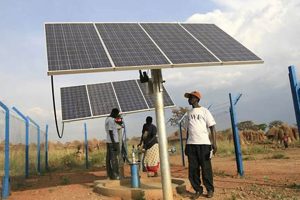
Renewable energy development should prioritize providing affordable and reliable energy access to underserved communities, including those lacking access to electricity or relying on expensive and polluting energy sources like kerosene or diesel generators. Community-owned solar projects or decentralized renewable energy systems can empower marginalized communities and improve their quality of life, enabling access to essential services like lighting, healthcare, and education.
- Equitable Distribution of Benefits
The economic benefits of renewable development, including job creation and revenue generation, should be distributed equitably across different communities and demographics. Job training programs and targeted investments in underserved areas can ensure that all members of society have the opportunity to participate in the growing renewable energy sector. For instance, initiatives focused on training and employing formerly incarcerated individuals in solar installation can promote social equity and economic empowerment.
- Environmental Justice
Renewable energy projects should be sited and developed in a manner that minimizes environmental impacts on vulnerable communities, avoiding disproportionate exposure to pollution or environmental hazards. Careful environmental impact assessments and community consultations are crucial for ensuring that renewable energy development does not perpetuate environmental injustices experienced by marginalized communities. For example, avoiding the placement of wind farms near low-income housing areas can mitigate noise pollution and potential health impacts.
- Community Participation and Ownership
Engaging local communities in the planning and development of renewable energy projects is essential for ensuring that projects align with community needs and priorities. Community ownership models, such as community solar gardens or cooperative wind farms, can empower local communities and provide them with direct economic benefits from renewable energy generation. This participatory approach fosters greater public support for renewable energy and ensures a more just and equitable energy transition.
These interconnected facets demonstrate that social equity is not merely a peripheral consideration but a fundamental principle of sustainable renewable development. By prioritizing fair access to energy services, equitable distribution of benefits, environmental justice, and community participation, renewable energy initiatives can contribute to a more just and inclusive society. Integrating social equity considerations into every stage of renewable development, from project planning to implementation and evaluation, is crucial for maximizing the societal benefits of the clean energy transition and ensuring a sustainable future for all.
7. Energy Independence

Energy independence, signifying a nation’s capacity to meet its energy demands using domestic resources, represents a crucial objective intertwined with renewable development. Reducing reliance on energy imports enhances national security, mitigates economic vulnerabilities stemming from volatile global energy markets, and bolsters domestic energy industries. Renewable development provides a pathway toward achieving energy independence by diversifying energy sources and reducing dependence on finite, often imported, fossil fuels.
- Reduced Reliance on Fossil Fuel Imports
Renewable energy sources, being domestically available in most countries, displace the need for imported fossil fuels, thereby reducing trade dependencies and strengthening energy security. For instance, a nation investing heavily in solar and wind power reduces its reliance on imported oil and natural gas, mitigating the economic and geopolitical risks associated with energy imports.
- Enhanced National Security
Energy independence strengthens national security by reducing vulnerability to disruptions in global energy supply chains caused by geopolitical instability, trade disputes, or natural disasters. A country with a robust domestic renewable energy sector is less susceptible to energy supply disruptions, enhancing its resilience and national security. For example, a nation with significant geothermal energy resources can maintain a stable energy supply even during periods of international conflict.
- Economic Stability and Growth
Investing in renewable development stimulates domestic economic growth by creating jobs in the renewable energy sector, fostering innovation, and reducing expenditures on energy imports. This strengthens local economies and reduces vulnerability to fluctuations in global energy prices. For instance, developing a domestic wind turbine manufacturing industry creates jobs and reduces reliance on imported wind turbines.
- Decentralized Energy Systems and Grid Resilience
Renewable energy sources often facilitate the development of decentralized energy systems, enhancing grid resilience and reducing vulnerability to large-scale power outages. Distributed generation, such as rooftop solar panels combined with battery storage, provides backup power during grid failures, enhancing community resilience and energy security. This decentralized approach reduces dependence on centralized power plants, which can be vulnerable to disruptions.
These facets demonstrate the synergistic relationship between energy independence and renewable development. By transitioning to domestically sourced renewable energy, nations can enhance their energy security, strengthen their economies, and reduce their environmental footprint. This interconnectedness highlights the strategic importance of renewable development as a pathway toward a more secure, sustainable, and prosperous future. Investing in renewable energy technologies and infrastructure empowers nations to take control of their energy destinies, mitigating risks and building a more resilient and independent energy future.
Frequently Asked Questions about Renewable Development
This section addresses common inquiries regarding the transition to sustainable energy systems, clarifying key concepts and dispelling common misconceptions.
Question 1: What are the primary barriers to wider adoption of renewable energy technologies?
Several factors can hinder broader implementation. These include upfront capital costs, intermittency of certain resources (like solar and wind), grid integration challenges, and public perception hurdles. Addressing these obstacles requires policy support, technological advancements, and improved public awareness.
Question 2: How does renewable development contribute to economic growth?
Sustainable energy initiatives stimulate economic activity by fostering job creation in manufacturing, installation, maintenance, and research. They also drive innovation, enhance energy independence, and reduce reliance on volatile fossil fuel markets, leading to greater economic stability.
Question 3: Is renewable energy truly reliable enough to power entire communities or nations?
Technological advancements, such as improved energy storage solutions and smart grids, are enhancing the reliability and stability of renewable energy systems. Diversifying renewable energy sources and integrating them strategically within the existing energy infrastructure can ensure a consistent and reliable power supply.
Question 4: What is the environmental impact of manufacturing renewable energy technologies?
While the manufacturing process for renewable energy technologies requires resources and energy, lifecycle assessments demonstrate a significantly lower environmental impact compared to fossil fuel-based energy production. Furthermore, continuous advancements in manufacturing processes aim to minimize environmental footprints further.
Question 5: How can communities actively participate in renewable development?
Community engagement plays a vital role. Citizens can participate through community-owned renewable energy projects, advocating for supportive policies, adopting energy efficiency measures, and supporting local initiatives that promote sustainable energy practices.
Question 6: What are the long-term implications of investing in renewable development?
Long-term implications include reduced greenhouse gas emissions, enhanced energy security, improved public health outcomes, creation of sustainable jobs, and a more resilient energy infrastructure better equipped to withstand climate change impacts.
Transitioning to a sustainable energy future requires addressing these key questions and fostering informed decision-making. Understanding the benefits, challenges, and long-term implications empowers stakeholders to contribute effectively to the global shift towards renewable energy.
The following section explores specific case studies demonstrating successful renewable development projects across diverse geographic regions.
Conclusion
This exploration has underscored the multifaceted nature of renewable development, encompassing environmental protection, economic advancement, technological innovation, social equity, and energy independence. The transition away from finite fossil fuels toward sustainable energy sources is not merely a technological shift; it represents a fundamental paradigm shift with profound implications for global sustainability and human well-being. The key benefits highlighted include climate change mitigation, improved air and water quality, enhanced energy security, job creation, and more equitable access to energy services.
The path toward a sustainable energy future demands concerted global action, informed policy-making, and continued investment in research and innovation. While challenges remain, the potential benefits of renewable development are undeniable and represent a crucial investment in the health of the planet and the prosperity of future generations. Embracing the opportunities presented by renewable development is not just a choice; it is an imperative for building a resilient, equitable, and sustainable future for all.