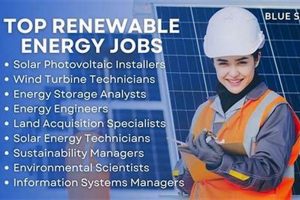
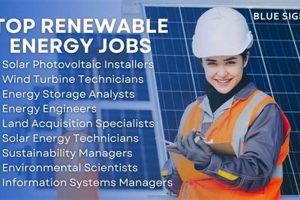
Careers offering competitive salaries within the sustainable energy sector encompass a wide range of specializations, from engineering and research to project management and finance. For example, wind turbine technicians maintain and repair these complex machines, requiring specialized training and offering substantial compensation. Similarly, solar panel installation managers oversee projects from design to completion, demanding technical expertise and leadership skills.
The growth of this sector presents significant career opportunities driven by increasing global demand for clean power sources. This transition creates not only well-compensated positions but also contributes to environmental sustainability and energy independence. Historically, traditional energy sectors like fossil fuels dominated employment, but the landscape is shifting dramatically toward sustainable alternatives, creating a surge in demand for skilled professionals.
Further exploration will delve into specific career paths, required qualifications, anticipated salary ranges, and future projections for this dynamic and vital field.
Tips for Pursuing Lucrative Careers in Sustainable Energy
Navigating the dynamic renewable energy landscape requires strategic planning and focused effort. The following tips provide valuable guidance for individuals seeking competitive positions in this burgeoning sector.
Tip 1: Specialize in a high-demand area. Focus on areas experiencing rapid growth, such as solar photovoltaic installation, wind turbine maintenance, or energy storage technologies. Specialization increases marketability and earning potential.
Tip 2: Obtain relevant certifications and licenses. Industry-recognized credentials demonstrate expertise and commitment, making candidates more attractive to employers. Examples include certifications in solar installation, wind energy technology, or energy auditing.
Tip 3: Develop strong networking skills. Attend industry conferences, join professional organizations, and connect with professionals in the field. Networking can lead to valuable job opportunities and mentorship.
Tip 4: Pursue advanced education. A master’s degree in engineering, environmental science, or a related field can open doors to higher-level positions and increased earning potential.
Tip 5: Gain practical experience. Internships, volunteer work, or entry-level positions provide valuable hands-on experience and enhance a resume’s appeal.
Tip 6: Stay updated on industry trends. The renewable energy sector is constantly evolving. Continuous learning through online courses, industry publications, and professional development workshops is essential for remaining competitive.
Tip 7: Research salary expectations and negotiate effectively. Understanding the salary range for specific roles empowers individuals to negotiate competitive compensation packages.
By implementing these strategies, individuals can significantly enhance their prospects for securing rewarding and financially advantageous careers within the sustainable energy sector.
This foundation of knowledge and practical guidance prepares individuals to effectively navigate the job market and contribute to the global transition toward cleaner energy solutions.
1. Engineering
Engineering disciplines play a pivotal role in the renewable energy sector, driving innovation and enabling the development and implementation of sustainable energy solutions. This connection translates directly into numerous high-paying job opportunities for qualified engineers. The demand stems from the complex technical challenges inherent in harnessing renewable resources like solar, wind, hydro, and geothermal energy. For example, designing efficient wind turbine blades requires sophisticated aerodynamic modeling and structural analysis, while optimizing solar panel efficiency involves expertise in materials science and semiconductor physics. These specialized engineering skills are essential for maximizing energy production and minimizing environmental impact.
Practical applications of engineering expertise within the renewable energy sector include designing and constructing large-scale solar farms, developing advanced battery storage systems, optimizing geothermal power plants, and improving the efficiency of hydropower systems. The increasing complexity of these projects necessitates specialized engineering roles such as electrical engineers for grid integration, mechanical engineers for turbine design, and civil engineers for infrastructure development. The critical nature of these roles, coupled with the growing demand for renewable energy, contributes significantly to the high earning potential for engineers in this field.
In summary, the intrinsic link between engineering and the advancement of renewable energy technologies creates a wealth of high-paying career opportunities. As the global transition to sustainable energy accelerates, the demand for skilled engineers will continue to rise, making it a promising field for those seeking both financial reward and meaningful contributions to environmental sustainability. Addressing the ongoing challenges of climate change and energy security will require continued innovation and investment in engineering talent within the renewable energy sector.
2. Project Management
Project management forms a crucial link in the renewable energy value chain, ensuring the successful planning, execution, and completion of complex projects. From initial feasibility studies to final commissioning, effective project management is essential for delivering renewable energy projects on time and within budget. Consequently, skilled project managers are highly sought after, commanding competitive salaries and playing a vital role in the global transition to sustainable energy.
- Budget Management
Controlling costs is paramount in renewable energy projects. Project managers oversee budget allocation, track expenditures, and implement cost-control measures throughout the project lifecycle. For instance, during the construction of a wind farm, a project manager ensures that turbine procurement, site preparation, and grid connection stay within the allocated budget. Effective budget management directly impacts project profitability and investor confidence, making it a critical skill for high-paying project management roles.
- Risk Assessment & Mitigation
Renewable energy projects face inherent risks, including regulatory changes, environmental impact assessments, and supply chain disruptions. Project managers identify potential risks, develop mitigation strategies, and implement contingency plans. For example, a project manager might analyze the potential impact of changing government incentives on a solar project’s financial viability and develop alternative financing strategies. Effective risk management safeguards project success and minimizes potential financial losses, further increasing the value of skilled project managers.
- Stakeholder Management
Renewable energy projects involve numerous stakeholders, including government agencies, local communities, investors, and contractors. Project managers facilitate communication, manage expectations, and ensure alignment among diverse stakeholders. For example, during the development of a hydropower project, a project manager effectively communicates project details and addresses community concerns regarding environmental impact. Successful stakeholder management builds consensus, streamlines project approvals, and fosters positive relationships, contributing significantly to project success and the project manager’s professional reputation.
- Timeline & Schedule Adherence
Timely project completion is critical in the fast-paced renewable energy sector. Project managers develop detailed project schedules, monitor progress, and implement corrective actions to ensure deadlines are met. For example, during the installation of a solar rooftop system, a project manager tracks material deliveries, manages installation crews, and ensures timely grid connection. Efficient schedule management maximizes project efficiency and minimizes delays, directly impacting project profitability and investor satisfaction, hence the premium placed on project managers with a proven track record of on-time delivery.
These facets of project management highlight the critical role these professionals play in the successful execution of renewable energy projects. Their expertise in managing budgets, mitigating risks, navigating stakeholder relationships, and adhering to timelines directly impacts project profitability and overall sector growth. As the demand for renewable energy continues to escalate, the need for skilled project managers will only intensify, making it a promising career path with significant earning potential.
3. Research & Development
Research and development (R&D) serves as the engine of innovation within the renewable energy sector, driving advancements in technology, efficiency, and cost-effectiveness. This continuous pursuit of improvement directly translates into a demand for highly skilled researchers, scientists, and engineers, leading to numerous high-paying job opportunities. R&D efforts focus on overcoming technical challenges, exploring new materials and processes, and optimizing existing technologies to enhance the performance and affordability of renewable energy solutions. This ongoing quest for better, cheaper, and more efficient solutions makes R&D a critical component of the sustainable energy transition.
- Materials Science
Developing advanced materials lies at the heart of improving renewable energy technologies. Researchers explore novel materials for solar cells to increase energy conversion efficiency and durability. For example, perovskite solar cells, currently a focus of intense research, offer the potential for higher efficiencies and lower manufacturing costs compared to traditional silicon-based cells. These advancements create demand for materials scientists specializing in synthesis, characterization, and testing of new materials, leading to high-paying jobs in research institutions, universities, and private companies.
- Energy Storage
Addressing the intermittent nature of renewable energy sources like solar and wind requires efficient energy storage solutions. R&D efforts concentrate on developing advanced battery technologies, exploring alternative storage methods such as pumped hydro and compressed air energy storage, and optimizing grid integration strategies. For instance, research into solid-state batteries aims to improve safety, energy density, and lifespan compared to current lithium-ion batteries. This demand for energy storage expertise translates into lucrative career opportunities for electrochemists, chemical engineers, and power systems engineers.
- Grid Integration
Integrating renewable energy sources seamlessly into existing power grids presents significant technical challenges. R&D focuses on developing smart grid technologies, advanced control systems, and forecasting algorithms to manage the variability of renewable energy generation. For example, researchers are developing artificial intelligence-based systems to predict solar and wind power output, enabling grid operators to optimize energy dispatch and maintain grid stability. These advancements create high-paying jobs for electrical engineers, software developers, and data scientists specializing in grid modernization and integration.
- Process Optimization
Continuously improving the manufacturing processes of renewable energy technologies is crucial for reducing costs and increasing production efficiency. R&D efforts concentrate on optimizing manufacturing techniques for solar panels, wind turbine blades, and other components. For instance, researchers are exploring advanced automation techniques and additive manufacturing (3D printing) to streamline production processes and reduce material waste. These advancements translate into high-paying jobs for industrial engineers, process engineers, and manufacturing specialists.
These interconnected areas of R&D highlight the critical role of innovation in driving the growth of the renewable energy sector. The continuous quest for improved efficiency, reduced costs, and enhanced grid integration creates sustained demand for highly skilled researchers, scientists, and engineers, resulting in numerous high-paying job opportunities. As the world transitions towards a sustainable energy future, the importance of R&D will only continue to grow, ensuring a promising career path for those dedicated to advancing renewable energy technologies. The direct link between technological breakthroughs and market competitiveness further solidifies the importance of R&D in creating lucrative career opportunities within this rapidly expanding field.
4. Manufacturing
Manufacturing plays a crucial role in the renewable energy sector, transforming innovative designs and technological advancements into tangible products that power a sustainable future. The increasing global demand for renewable energy technologies translates directly into robust manufacturing activity, creating numerous high-paying job opportunities across diverse skill sets and specializations. From the production of solar panels and wind turbine components to the assembly of energy storage systems and the fabrication of specialized materials, manufacturing forms the backbone of the renewable energy industry.
- Solar Panel Production
The manufacturing of solar photovoltaic (PV) panels involves a complex process, from silicon purification and wafer production to cell interconnection and module assembly. This intricate process requires skilled technicians, engineers, and quality control specialists to ensure high-performance and reliable products. The increasing demand for solar energy worldwide fuels continuous expansion in solar panel manufacturing, creating numerous high-paying jobs in factories and production facilities globally. For example, the production of thin-film solar panels requires specialized expertise in vacuum deposition and materials handling, leading to specialized roles and competitive compensation.
- Wind Turbine Component Manufacturing
Wind turbine manufacturing encompasses the production of large-scale components, including blades, nacelles, towers, and generators. This requires advanced manufacturing techniques, such as precision machining, composite fabrication, and heavy-duty welding. Skilled machinists, welders, and composite technicians are essential for producing these critical components, earning competitive wages due to the specialized nature of their work and the increasing demand for wind energy. The scale of these components and the precision required in their manufacturing contribute to the high skill level and corresponding compensation in this area.
- Battery Production for Energy Storage
The growth of energy storage solutions, particularly batteries, is intrinsically linked to the expansion of renewable energy. Manufacturing batteries for grid-scale energy storage and electric vehicles involves complex electrochemical processes and precision assembly. This creates high-paying job opportunities for chemical engineers, battery technicians, and quality control specialists. As the demand for energy storage continues to grow, so too will the need for skilled professionals in battery manufacturing, driving further job creation and competitive salaries.
- Specialized Materials Fabrication
Renewable energy technologies rely on specialized materials, such as high-performance magnets for wind turbine generators, advanced polymers for solar panel encapsulants, and specialized alloys for geothermal systems. The fabrication of these materials requires expertise in metallurgy, materials science, and chemical engineering, leading to high-paying jobs in research and development, materials processing, and quality assurance. The development and production of these advanced materials contribute significantly to the performance and efficiency of renewable energy technologies, further emphasizing the importance of skilled manufacturing professionals.
These diverse facets of manufacturing within the renewable energy sector underscore the critical role this industry plays in creating high-paying jobs and driving economic growth. As the global transition to sustainable energy accelerates, the demand for skilled manufacturing professionals will continue to rise, offering a promising career path for those seeking both financial stability and a meaningful contribution to a cleaner energy future. The continuous innovation in manufacturing processes and materials science further strengthens the connection between manufacturing and high-paying jobs in the dynamic landscape of renewable energy.
5. Sales & Marketing

Sales and marketing functions are critical for driving the widespread adoption of renewable energy technologies and solutions. Connecting innovative products with potential customers, from individual homeowners to large corporations, requires skilled professionals who understand both the technical aspects of renewable energy and the principles of effective marketing. This intersection of technical knowledge and marketing acumen creates numerous high-paying job opportunities within the renewable energy sector, as companies seek to expand their market share and contribute to the global transition to sustainable energy.
- Business Development
Identifying and developing new business opportunities is crucial for the growth of renewable energy companies. Business development professionals cultivate relationships with potential clients, analyze market trends, and develop strategies for market entry and expansion. For example, a business development manager might focus on securing contracts for large-scale solar projects with utility companies or forging partnerships with municipalities to implement community solar programs. Successful business development translates directly into revenue growth and market leadership, hence the competitive salaries offered to professionals in this field.
- Marketing & Communications
Effectively communicating the benefits of renewable energy technologies to a broad audience is essential for driving market adoption. Marketing professionals develop and implement marketing campaigns, manage social media presence, and create compelling content to educate consumers and build brand awareness. For instance, a marketing manager might launch a campaign highlighting the cost savings and environmental benefits of rooftop solar installations, targeting homeowners through online advertising and community outreach programs. Successful marketing campaigns increase product demand and brand recognition, directly impacting company profitability and creating high-paying opportunities for skilled marketing professionals.
- Technical Sales
Selling complex renewable energy systems requires a deep understanding of the technology and its applications. Technical sales professionals possess both technical expertise and sales acumen, allowing them to effectively communicate the value proposition of renewable energy solutions to potential clients. For example, a technical sales engineer might work with a manufacturing company to design and implement a solar energy system tailored to their specific energy needs and budget constraints. Successfully closing deals and building long-term client relationships requires strong technical knowledge and sales skills, leading to high earning potential for technical sales professionals.
- Product Management
Product managers play a critical role in defining and shaping the development of renewable energy products and services. They conduct market research, analyze customer needs, and work closely with engineering teams to ensure products meet market demands and contribute to company revenue goals. For example, a product manager might oversee the development of a new energy storage system, considering factors such as performance, cost, and market competition. Successful product management ensures product viability and market success, creating highly valued roles with significant earning potential.
These interconnected facets of sales and marketing demonstrate the integral role these functions play in the growth and success of the renewable energy sector. As the global demand for sustainable energy solutions continues to rise, so too will the need for skilled sales and marketing professionals. These professionals play a critical role in connecting innovative technologies with potential customers, driving market adoption, and ultimately contributing to the global transition to a cleaner energy future. The competitive salaries in sales and marketing reflect the significant impact these roles have on the overall success of renewable energy companies and the broader adoption of sustainable energy solutions.
6. Policy & Finance
Policy and finance form the bedrock upon which the renewable energy sector is built. Government policies, incentives, and investment strategies play a crucial role in shaping market dynamics, driving innovation, and creating a favorable environment for industry growth. This interplay between policy and finance directly influences the availability of high-paying jobs within the renewable energy sector, as supportive policies attract investment, which in turn fuels job creation and drives demand for skilled professionals.
- Government Incentives & Subsidies
Government incentives, such as tax credits, rebates, and feed-in tariffs, play a significant role in stimulating the adoption of renewable energy technologies. These incentives reduce the upfront cost of renewable energy systems, making them more attractive to consumers and businesses. For example, the Investment Tax Credit (ITC) in the United States has been instrumental in driving the growth of the solar industry, creating thousands of jobs in manufacturing, installation, and maintenance. The availability and design of these incentives directly influence market demand and consequently the number and types of jobs available.
- Investment & Financing
Access to capital is essential for developing and deploying large-scale renewable energy projects. Investment firms, banks, and government agencies provide financing for projects ranging from rooftop solar installations to utility-scale wind farms. For instance, green bonds have emerged as a popular financing mechanism for renewable energy projects, attracting billions of dollars in investment. The availability of financing and the terms under which it is provided significantly impact the financial viability of projects and the ability of companies to create high-paying jobs.
- Regulatory Frameworks & Policies
Government regulations and policies, such as renewable portfolio standards (RPS), carbon pricing mechanisms, and building codes, shape the market landscape for renewable energy. RPS policies, for example, mandate that a certain percentage of electricity generation comes from renewable sources, creating a guaranteed market for renewable energy developers and driving job creation. The clarity and consistency of regulatory frameworks are critical for attracting investment and fostering long-term industry growth, directly impacting employment opportunities.
- Carbon Markets & Trading
Carbon markets and trading schemes, such as cap-and-trade systems, put a price on carbon emissions, incentivizing the adoption of cleaner energy sources. These market mechanisms create financial incentives for companies to reduce their carbon footprint, driving investment in renewable energy projects and creating jobs in areas such as carbon accounting, emissions trading, and project development. The effectiveness and design of carbon markets directly influence the profitability of renewable energy projects and their ability to compete with fossil fuel-based generation, impacting job creation in the sector.
These interconnected facets of policy and finance demonstrate their crucial influence on the growth and development of the renewable energy sector. Supportive government policies, coupled with access to financing, create a favorable environment for investment, innovation, and job creation. As the world transitions towards a sustainable energy future, the importance of policy and finance in driving this transformation will only intensify, creating a continuous demand for skilled professionals in areas such as policy analysis, investment management, project finance, and regulatory compliance. The availability of high-paying jobs within this sector is directly linked to the effectiveness of policies and the availability of financing, reinforcing the critical role of policy and finance in shaping the future of renewable energy and the career opportunities it offers.
Frequently Asked Questions
This section addresses common inquiries regarding lucrative career paths within the sustainable energy sector.
Question 1: What are the typical educational requirements for high-paying renewable energy jobs?
Many roles require at least a bachelor’s degree in engineering, science, or a related field. Advanced degrees, such as a master’s or doctorate, can be advantageous for research, development, and specialized engineering positions. Specific certifications and licenses may also be required for certain roles, such as wind turbine technicians or solar installers.
Question 2: How does the earning potential in renewable energy compare to traditional energy sectors?
Salaries within the renewable energy sector are often competitive with, and in some cases exceed, those in traditional energy industries. The specialized skills and growing demand for expertise contribute to the strong earning potential.
Question 3: Are there opportunities for career advancement within the renewable energy industry?
The dynamic nature of the industry presents ample opportunities for career progression. Experience, advanced education, and specialized skills can lead to higher-level positions with increased responsibilities and compensation.
Question 4: What are some of the fastest-growing job areas within renewable energy?
Areas experiencing rapid growth include solar photovoltaic installation, wind turbine maintenance, energy storage technologies, and smart grid development. These areas offer significant potential for career advancement and earning potential due to increasing demand.
Question 5: Is experience in traditional energy sectors transferable to renewable energy roles?
Some skills, such as project management, engineering principles, and data analysis, are transferable. However, specialized knowledge of renewable energy technologies is typically required for most roles. Supplemental training and certifications can bridge the knowledge gap.
Question 6: What is the long-term job outlook for the renewable energy sector?
The long-term outlook is generally positive. Global commitments to reduce carbon emissions and transition to sustainable energy sources suggest continued growth and increasing demand for skilled professionals across the sector.
Understanding these key aspects of employment within the sustainable energy sector provides valuable insights for those considering this dynamic and impactful field.
Further exploration of specific career paths, required qualifications, and projected growth prospects will be beneficial for individuals seeking lucrative and fulfilling careers within renewable energy.
High-Paying Jobs in Renewable Energy
Exploration of career opportunities within the renewable energy sector reveals a diverse range of high-paying jobs encompassing engineering, project management, research and development, manufacturing, sales and marketing, and policy and finance. Each area plays a crucial role in advancing sustainable energy solutions and offers competitive salaries, driven by increasing global demand and the ongoing transition to cleaner energy sources. The analysis highlights the importance of specialized skills, advanced education, and continuous learning in securing these lucrative positions. Moreover, the dynamic nature of the industry presents significant opportunities for career advancement and professional growth.
The renewable energy sector offers not only financial rewards but also the chance to contribute meaningfully to a sustainable future. As global investment in clean energy continues to rise, the demand for skilled professionals will only intensify, making this sector a promising path for those seeking both career success and environmental responsibility. The ongoing transition to a cleaner energy future presents a unique opportunity for individuals to align their professional aspirations with the global imperative for sustainable development.