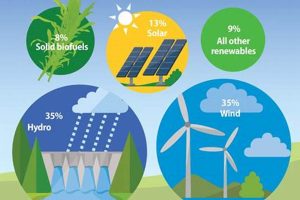
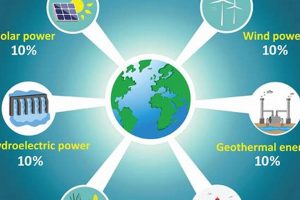
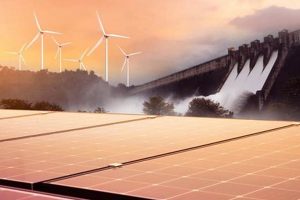
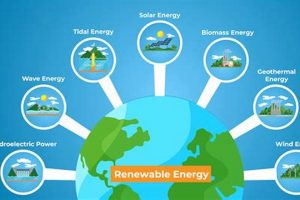
Alternative power solutions encompass a broad spectrum of energy generation methods beyond conventional fossil fuels. These encompass renewable resources such as solar, wind, hydro, geothermal, and biomass, alongside nuclear fission and emerging technologies like nuclear fusion. Each of these modalities offers distinct mechanisms for converting naturally occurring phenomena or elements into usable electricity or heat.
The development and implementation of these diverse energy technologies are critical for mitigating the environmental impact associated with traditional power generation. Their utilization provides a pathway towards reduced greenhouse gas emissions, enhanced energy security through diversification of supply, and the potential for long-term cost savings by leveraging abundant, naturally replenishing resources. Historically, exploration into these alternatives was driven by resource scarcity and geopolitical concerns, evolving into a vital strategy for addressing climate change.
The subsequent discussion will delve into specific types of renewable energy, examining their operational principles, current deployment levels, technological advancements, and the challenges associated with their widespread adoption. Analysis will also be provided regarding the economic factors and policy frameworks influencing the ongoing energy transition.
Strategies for Implementing Alternative Energy Solutions
The effective integration of energy sources beyond conventional fossil fuels requires careful planning and execution. The following recommendations are provided to facilitate a successful transition to a more sustainable energy portfolio.
Tip 1: Conduct a Comprehensive Energy Audit: A thorough assessment of current energy consumption patterns is crucial. This audit identifies areas of inefficiency and quantifies the potential for energy savings through alternative solutions. For example, a building’s energy audit might reveal significant heat loss through inadequate insulation, indicating the need for improved insulation alongside the implementation of renewable heating systems.
Tip 2: Prioritize Energy Efficiency Measures: Before investing in new energy generation technologies, optimize energy usage through efficiency improvements. Upgrading to energy-efficient appliances, implementing smart building management systems, and improving insulation are all effective strategies. Reducing energy demand lowers the overall investment required for alternative energy infrastructure.
Tip 3: Diversify Energy Supply: Reliance on a single type of energy generation can expose users to price volatility and supply disruptions. Diversifying the energy mix with a combination of solar, wind, geothermal, or other regionally appropriate resources enhances resilience and stability. For instance, a community might combine solar photovoltaic (PV) arrays with wind turbines to provide a more consistent power supply, even when sunlight or wind conditions fluctuate.
Tip 4: Leverage Government Incentives and Rebates: Many governments offer financial incentives, tax credits, and rebates to encourage the adoption of alternative energy technologies. Thoroughly research available programs at the local, state, and federal levels to reduce the upfront costs associated with implementation. These programs often substantially reduce the capital expenditure required for projects like solar panel installations or geothermal heat pump systems.
Tip 5: Implement Energy Storage Solutions: Intermittent renewable energy sources like solar and wind require energy storage technologies to ensure a reliable power supply. Battery storage systems, pumped hydro storage, and thermal energy storage can bridge the gap between energy generation and demand. A household with solar panels could use battery storage to power their home during periods of low sunlight or at night.
Tip 6: Consider Microgrids and Distributed Generation: Microgrids and distributed generation systems allow for localized energy production and distribution, reducing transmission losses and enhancing grid resilience. These systems can incorporate a variety of energy resources and provide backup power during grid outages. A hospital could use a microgrid with solar panels and a natural gas generator to ensure uninterrupted power supply in case of a grid failure.
Tip 7: Engage with Energy Experts and Consultants: Seek professional guidance from experienced energy consultants and engineers to assess the feasibility of different technologies and to develop a tailored implementation plan. These experts can provide valuable insights into system design, permitting requirements, and long-term operational considerations. Their expertise helps avoid costly mistakes and ensures optimal performance of the chosen energy solutions.
Implementing these strategies facilitates the successful integration of cleaner energy options, leading to reduced environmental impact, enhanced energy security, and long-term cost savings.
The subsequent discussion will transition to the ongoing challenges and future prospects within the landscape of energy innovation.
1. Sustainability

Sustainability, in the context of energy, refers to the ability to meet present energy needs without compromising the ability of future generations to meet their own. Alternative power solutions must demonstrate minimal environmental degradation, resource depletion, and long-term ecological disruption to be considered truly sustainable. This concept is foundational to the justification and selection of energy resources beyond fossil fuels.
- Resource Depletion Mitigation
Sustainable energy practices prioritize resources that are naturally replenished or abundant, minimizing the depletion of finite resources. Solar, wind, and hydro power rely on continuous natural processes, unlike fossil fuels which represent a fixed geological reserve. The long-term viability of energy systems hinges on avoiding resource exhaustion and associated economic and environmental consequences.
- Environmental Impact Reduction
Sustainability demands a reduction in pollution and other environmental harms associated with energy production and use. Alternative resources aim to minimize greenhouse gas emissions, air and water pollution, and land degradation. For instance, transitioning from coal-fired power plants to wind farms significantly reduces carbon emissions and avoids the environmental damage caused by coal mining.
- Waste Management and Minimization
Sustainable energy solutions address the full lifecycle of energy systems, including waste generation and disposal. This encompasses managing nuclear waste from nuclear fission, recycling solar panels at the end of their lifespan, and minimizing waste produced during biofuel production. Effective waste management is crucial for preventing long-term environmental contamination and ensuring the overall sustainability of energy systems.
- Ecosystem Preservation
Sustainable energy development seeks to minimize impacts on natural ecosystems and biodiversity. This involves careful site selection for renewable energy projects, mitigating potential impacts on wildlife, and avoiding deforestation for biofuel production. Balancing energy needs with ecosystem preservation is essential for maintaining ecological integrity and long-term sustainability.
The integration of these sustainability principles into energy planning and development is not merely an environmental imperative, but also an economic and social necessity. By adopting energy systems that are environmentally responsible, resource-efficient, and socially equitable, society can ensure a more secure and sustainable energy future. The pursuit of alternative power sources that adhere to these sustainability tenets is a critical step towards mitigating climate change, safeguarding natural resources, and promoting long-term prosperity.
2. Renewability
Renewability constitutes a defining characteristic of many energy alternatives to conventional fossil fuels. The inherent attribute of being replenished at a rate equal to or exceeding consumption differentiates these sources, allowing for sustained energy production without depleting finite reserves. This cyclical nature presents a fundamental shift from traditional models of energy extraction and utilization, mitigating concerns regarding resource scarcity and long-term availability. The cause-and-effect relationship is direct: reliance on renewable resources ensures continued energy supply; conversely, dependence on non-renewable resources ultimately leads to exhaustion. For example, solar radiation, a perpetually available resource, powers photovoltaic systems, continuously generating electricity as long as sunlight is present. Wind energy, similarly, harnesses atmospheric currents, converting kinetic energy into usable power. This stands in stark contrast to petroleum reserves, which, once extracted and combusted, are not naturally replenished on a human timescale.
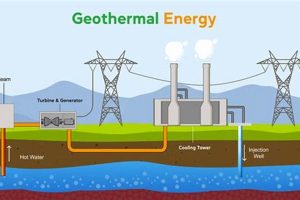
The operational significance of renewability extends beyond mere resource availability. It directly influences the environmental impact of energy generation. Renewable resources, by their nature, typically produce minimal greenhouse gas emissions during operation, contributing to the reduction of atmospheric carbon dioxide and mitigating climate change. Hydroelectric power, generated by harnessing the flow of water, provides a large-scale example of renewable energy with a relatively low carbon footprint. Geothermal energy taps into the Earth’s internal heat, offering a stable and consistent energy source with minimal environmental disruption. The practical application of renewability principles necessitates careful consideration of resource availability, geographic suitability, and technological feasibility. Implementing renewable energy solutions requires a thorough assessment of local conditions to optimize energy production and minimize any potential adverse effects on ecosystems.
In summary, renewability is not merely an ancillary feature but a core requirement for viable energy alternatives. Its influence extends from resource availability and environmental impact to economic sustainability and long-term energy security. While challenges remain in terms of technological advancements, infrastructure development, and policy implementation, the inherent benefits of renewable energy sources make them essential components of a diversified and sustainable energy future. The pursuit of renewable energy solutions represents a commitment to preserving resources, minimizing environmental harm, and ensuring a stable energy supply for generations to come.
3. Accessibility
Accessibility, in the context of energy alternatives, refers to the degree to which energy resources and technologies are readily available for deployment and utilization. It encompasses geographical availability, technological maturity, economic feasibility, and infrastructural readiness, all of which collectively determine the practicality of implementing any particular energy solution.
- Geographical Distribution
The geographical distribution of resources profoundly impacts accessibility. Solar energy is most accessible in regions with high insolation, while wind energy benefits from consistently strong wind currents. Geothermal energy relies on subsurface geological conditions that vary geographically. The feasibility of deploying each resource is contingent on the prevailing local environmental conditions. For example, a desert region is more conducive to large-scale solar power generation than a densely forested area, due to higher sunlight exposure and available land.
- Technological Maturity
Technological maturity influences the ease and cost-effectiveness of deploying energy alternatives. Established technologies like hydroelectric power and wind turbines have well-defined installation and operational procedures, reducing deployment barriers. Emerging technologies such as advanced geothermal systems or fusion reactors require further development and refinement to achieve widespread accessibility. The technological readiness level of a specific energy solution directly affects its scalability and economic viability.
- Economic Feasibility
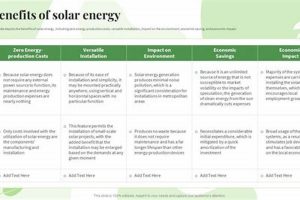
Economic feasibility constitutes a critical factor in determining accessibility. The upfront capital costs associated with infrastructure development, coupled with ongoing operational and maintenance expenses, influence the overall affordability of an energy alternative. Government subsidies, tax incentives, and economies of scale can improve economic accessibility, making these solutions more competitive with traditional fossil fuels. For instance, the declining cost of solar panels, driven by technological advancements and increased manufacturing capacity, has significantly enhanced the economic accessibility of solar energy in recent years.
- Infrastructural Readiness
Infrastructural readiness encompasses the existing grid infrastructure and supporting systems required for integrating new energy sources. The availability of transmission lines, storage facilities, and distribution networks directly affects the accessibility of energy alternatives. Regions with limited grid capacity may face challenges in incorporating large-scale renewable energy projects. Investments in grid modernization and energy storage solutions are often necessary to improve infrastructural readiness and facilitate the integration of diverse energy sources.
The interplay of geographical distribution, technological maturity, economic feasibility, and infrastructural readiness collectively determines the accessibility of diverse energy solutions. Overcoming the barriers associated with each of these factors is crucial for achieving a diversified and sustainable energy mix. The strategic deployment of appropriate energy technologies, tailored to specific regional conditions and infrastructural capabilities, is essential for maximizing accessibility and realizing the full potential of alternative energy resources.
4. Affordability

Affordability is a pivotal factor governing the widespread adoption of energy sources beyond traditional fossil fuels. The initial investment costs, long-term operational expenses, and potential return on investment significantly influence the practical implementation and scalability of alternative energy solutions.
- Initial Capital Investment
The upfront cost associated with constructing energy generation facilities using renewable technologies such as solar, wind, and geothermal can be substantial. Solar photovoltaic (PV) arrays, wind turbines, and geothermal power plants necessitate significant capital outlays for equipment, installation, and grid integration. High initial investment can deter potential investors and consumers, limiting the adoption rate of these alternatives. Government subsidies, tax incentives, and innovative financing models play a crucial role in mitigating these upfront costs and enhancing affordability.
- Operational and Maintenance Costs
While renewable energy sources often have lower fuel costs compared to fossil fuels, ongoing operational and maintenance (O&M) expenses must be considered. Wind turbines require regular maintenance to ensure optimal performance, while solar PV systems may require periodic cleaning and component replacement. Geothermal power plants necessitate maintenance of wells and equipment to sustain energy production. Accurately forecasting and managing O&M costs are essential for assessing the long-term affordability of alternative energy solutions.
- Energy Storage Integration
The intermittent nature of some renewable energy sources, such as solar and wind, necessitates the integration of energy storage solutions to ensure a reliable power supply. Battery storage systems, pumped hydro storage, and thermal energy storage add to the overall cost of these energy alternatives. The economic viability of energy storage technologies directly impacts the affordability and competitiveness of intermittent renewable energy sources. Innovations in energy storage, coupled with declining battery costs, are gradually improving the affordability of these integrated systems.
- Grid Integration and Infrastructure Upgrades
Integrating alternative energy sources into existing grid infrastructure often requires substantial investments in transmission lines, grid modernization, and smart grid technologies. The variable nature of renewable energy generation necessitates upgrades to grid infrastructure to ensure stability and reliability. These grid integration costs can significantly impact the overall affordability of alternative energy projects, particularly in regions with aging or inadequate transmission infrastructure. Policy support and regulatory frameworks are crucial for facilitating grid modernization and reducing the costs associated with integrating renewable energy sources.
The affordability of alternative energy sources is a multifaceted issue encompassing initial capital investment, operational and maintenance costs, energy storage integration, and grid infrastructure upgrades. Addressing these economic challenges through technological innovation, policy support, and market mechanisms is essential for accelerating the transition towards a more sustainable and affordable energy future. The declining costs of renewable energy technologies, coupled with supportive government policies, are gradually improving the economic competitiveness of these alternatives relative to traditional fossil fuels.
5. Efficiency
Efficiency is a critical parameter in the evaluation and implementation of energy sources beyond conventional fossil fuels. It directly impacts the economic viability, environmental footprint, and overall sustainability of these alternative options. Higher efficiency translates to a greater energy output for a given input, reducing resource consumption and minimizing waste. For example, a more efficient solar panel converts a larger percentage of incident sunlight into electricity, thereby decreasing the land area and material resources required for a given power output. Similarly, advancements in wind turbine design lead to higher energy capture from wind currents, increasing the power generated per turbine and reducing the number of turbines needed for a specific energy demand. The efficiency of energy storage systems also plays a vital role. If energy storage systems are efficient, a significant amount of energy will be produced and distributed. In conclusion, the link between efficiency and energy sources is a high correlation that is important to study.
The practical implications of enhanced efficiency extend to various sectors. In transportation, more efficient electric vehicles require smaller battery packs for a given range, reducing vehicle weight, material usage, and battery replacement costs. In buildings, high-efficiency heat pumps consume less electricity for heating and cooling, lowering energy bills and reducing the strain on the power grid. Industrial processes can also benefit from efficiency improvements. For example, more efficient electrolysis processes reduce the energy required for hydrogen production, making hydrogen a more economically viable and environmentally friendly energy carrier. These examples showcase how efficiency gains drive broader adoption and improve the performance of energy sources.
While progress has been made in improving the efficiency of sources, challenges remain. Research and development efforts are crucial for further advancing the efficiency of existing and emerging technologies. Furthermore, system-level efficiency optimization, including grid integration and energy management strategies, is essential for maximizing the overall benefits of sources. Addressing these challenges will pave the way for a more sustainable and resilient energy future, where energy is used more effectively and environmental impacts are minimized. The continuing push for increased efficiency serves as a key driver in the ongoing transition toward a diversified and sustainable energy landscape.
6. Environmental Impact

The environmental consequences associated with energy generation and consumption necessitate the exploration and implementation of energy resources beyond conventional fossil fuels. The evaluation of environmental impact, therefore, stands as a paramount consideration in the selection and deployment of alternative energy technologies, dictating their viability and long-term sustainability.
- Greenhouse Gas Emissions
Alternative energy sources generally exhibit lower greenhouse gas emissions compared to fossil fuels. Solar, wind, and hydropower, for instance, produce minimal to zero emissions during operation, mitigating the contribution to climate change. However, the manufacturing, transportation, and installation phases of these technologies can generate emissions, requiring a comprehensive lifecycle assessment to accurately quantify their overall impact. For example, the production of solar panels involves energy-intensive processes and the use of materials with embodied carbon, underscoring the importance of sustainable manufacturing practices.
- Air and Water Pollution
Fossil fuel combustion releases air pollutants such as particulate matter, sulfur dioxide, and nitrogen oxides, contributing to respiratory illnesses and environmental damage. Nuclear power plants generate radioactive waste, posing challenges for long-term storage and disposal. In contrast, many alternative power solutions, such as wind and solar, produce minimal air and water pollution during operation. However, hydropower projects can alter river ecosystems and water quality, requiring careful environmental management. The selection of energy technologies should prioritize the reduction of both air and water pollution to safeguard public health and environmental integrity.
- Land Use and Habitat Disruption
Large-scale energy projects, regardless of the source, can impact land use and disrupt habitats. Wind farms require extensive land areas for turbine placement, while solar farms necessitate significant acreage for photovoltaic arrays. Hydropower dams alter river flow patterns and can submerge land, affecting aquatic and terrestrial ecosystems. Biofuel production can lead to deforestation and competition with food crops. Careful site selection, environmental impact assessments, and mitigation measures are crucial for minimizing the ecological footprint of alternative energy projects. For example, offshore wind farms can reduce land use impacts compared to onshore installations, while integrating solar panels into existing built environments can minimize habitat disruption.
- Resource Depletion and Waste Generation
Fossil fuels are finite resources, and their extraction and combustion lead to resource depletion and waste generation. Nuclear power relies on uranium, a finite resource, and produces radioactive waste that requires long-term storage. Many alternative energy technologies rely on materials such as rare earth elements, which also face resource limitations and raise concerns about mining practices. Sustainable material sourcing, recycling, and waste management are essential for minimizing the environmental impact of energy systems. For example, research into alternative battery materials and closed-loop recycling processes can reduce the reliance on scarce resources and minimize waste generation.
The environmental implications of energy choices are multifaceted and require careful consideration. While energy solutions present the potential to mitigate greenhouse gas emissions and reduce pollution, they also entail potential impacts on land use, habitats, and resource depletion. A comprehensive approach to environmental impact assessment, incorporating lifecycle analysis and sustainable practices, is crucial for ensuring the long-term viability and environmental integrity of alternative power systems. The ongoing transition toward a sustainable energy future necessitates a commitment to minimizing environmental harm across the entire energy value chain.
Frequently Asked Questions
The following questions address common inquiries and misconceptions surrounding energy options beyond conventional fossil fuels, providing clear and concise explanations.
Question 1: What constitutes an “alternative” energy source?
An alternative energy source is any energy resource that does not primarily rely on fossil fuels (coal, oil, natural gas) or conventional nuclear fission. This encompasses renewable sources like solar, wind, hydro, geothermal, and biomass, as well as nuclear fusion and advanced energy storage technologies.
Question 2: Are sources truly “renewable”?
While frequently used, the term “renewable” warrants careful consideration. Resources like solar and wind are perpetually replenished. However, the infrastructure used to harness these resources (e.g., solar panels, wind turbines) requires manufacturing and disposal, which can have environmental impacts. “Renewable” implies sustainable resource management throughout the entire lifecycle.
Question 3: Is wide implementation of these strategies feasible?
Feasibility depends on various factors, including technological maturity, economic competitiveness, geographic suitability, and policy support. While significant progress has been made in many areas, challenges remain regarding grid integration, energy storage, and the intermittency of some renewable sources. A diversified approach, tailored to specific regional conditions, is essential.
Question 4: What is the environmental impact of alternative energy technologies?
While generally lower than that of fossil fuels, the environmental impact is not negligible. Manufacturing processes, land use requirements, and resource extraction can have adverse consequences. Life-cycle assessments are necessary to fully evaluate the environmental footprint of alternative energy sources.
Question 5: How can renewable power improve energy security?
By diversifying the energy mix and reducing reliance on imported fossil fuels, renewable energy sources enhance energy security. Local energy production minimizes vulnerability to geopolitical instability and price fluctuations in global energy markets.
Question 6: Are solutions financially viable?
The financial viability of alternative energy is continuously improving, driven by technological advancements, economies of scale, and supportive government policies. In many regions, renewable energy sources are now cost-competitive with fossil fuels. However, factors like upfront capital costs, grid integration expenses, and energy storage requirements must be carefully considered.
In summary, alternative energy represents a multifaceted approach to addressing energy needs while mitigating environmental impact and enhancing energy security. A nuanced understanding of the technologies, challenges, and opportunities is essential for informed decision-making.
The subsequent section will focus on actionable strategies for further advancing the deployment and adoption of these power solutions.
Conclusion
This exploration has underscored the multifaceted nature of energy sources beyond conventional fossil fuels. The analysis has encompassed their operational principles, benefits, challenges, and the strategies necessary for effective implementation. It is evident that while these alternative pathways offer substantial advantages in terms of sustainability, reduced environmental impact, and enhanced energy security, their widespread adoption requires careful consideration of economic viability, technological maturity, and infrastructural readiness.
The ongoing transition towards a diversified and sustainable energy future demands a concerted effort from policymakers, researchers, and industry stakeholders. Continued investment in research and development, coupled with supportive regulatory frameworks, is essential for unlocking the full potential of these options. The long-term well-being of society hinges on the responsible and strategic integration of these cleaner and more resilient sources of power.