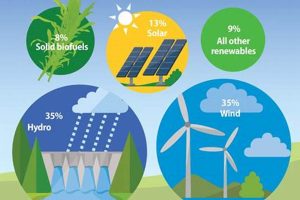
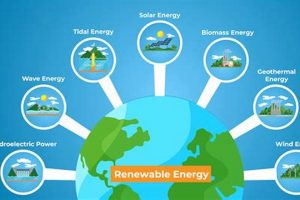
The dominant method for harnessing sustainable power globally involves capturing the kinetic energy of moving water and converting it into electricity. Examples of this technology range from large-scale hydroelectric dams to smaller run-of-river systems. This established approach remains a significant contributor to electricity grids worldwide.
Its widespread utilization stems from a combination of factors, including technological maturity and relative cost-effectiveness in specific geographical locations. Furthermore, this method offers the potential for reliable, baseload power generation, making it a valuable asset for grid stability. Historically, its development played a crucial role in the electrification of numerous regions.
Given its prominence, a detailed examination of water-based power generation, including its environmental impacts and future prospects, is warranted. Subsequent sections will delve into the various technologies employed, the geographical distribution of related facilities, and the ongoing debates surrounding its sustainability.
Maximizing the Potential of Hydroelectric Power
Effective utilization and responsible development are crucial for maximizing the benefits derived from the predominant method of renewable energy generation. The following tips outline key considerations for stakeholders involved in its development, operation, and regulation.
Tip 1: Conduct Thorough Environmental Impact Assessments: Prior to construction, a comprehensive environmental impact assessment is essential. This assessment should identify potential effects on aquatic ecosystems, downstream water users, and local communities. For example, studies should evaluate potential impacts on fish migration and sediment transport.
Tip 2: Prioritize Dam Safety and Maintenance: Regular inspection and maintenance of related infrastructure are paramount for ensuring public safety and preventing catastrophic failures. Periodic structural assessments should be conducted by qualified engineers to identify and address potential weaknesses.
Tip 3: Optimize Water Resource Management: Careful water resource management is crucial for balancing electricity generation with other water needs, such as irrigation, drinking water supply, and ecosystem health. This includes establishing clear protocols for water release during periods of drought or peak demand.
Tip 4: Invest in Technological Advancements: Continued investment in research and development is needed to improve the efficiency and environmental performance of related technologies. This includes exploring innovative designs that minimize impacts on aquatic life and enhance power generation.
Tip 5: Engage Local Communities in Decision-Making: Meaningful engagement with local communities is essential for ensuring that the benefits of the project are shared equitably and that concerns about potential impacts are addressed. This includes providing opportunities for community members to participate in the planning and monitoring processes.
Tip 6: Promote Adaptive Management Strategies: Implementing adaptive management strategies allows for adjustments to be made in response to changing environmental conditions or unforeseen impacts. This requires ongoing monitoring and evaluation of the project’s performance.
Effective implementation of these strategies can significantly enhance the sustainability and overall value of facilities using moving water to generate electricity. By prioritizing environmental responsibility, dam safety, and community engagement, stakeholders can maximize the contribution of this key renewable energy source to a cleaner and more sustainable energy future.
The following sections will explore the broader implications of its reliance and its role in global energy transitions.
1. Global Prevalence

The characteristic of global prevalence is intrinsically linked to the status of the most common renewable energy source. Its widespread adoption across various continents and nations is a direct consequence of several factors. These include technological maturity, established infrastructure, and, in many regions, favorable economic conditions. The ubiquity of hydro-based electricity generation illustrates its practical advantages and historical significance in meeting global energy demands. For instance, nations like Canada, Norway, and Brazil significantly rely on water-based power for a substantial portion of their electricity generation, demonstrating its capacity for large-scale energy provision.
The significance of global prevalence extends beyond mere statistical representation. It enables economies of scale in manufacturing equipment, promotes the development of expertise in project management and operation, and facilitates the transfer of best practices across borders. For example, the standardization of turbine designs and dam construction techniques, informed by decades of international experience, contributes to improved efficiency and reduced costs. Furthermore, the existence of a global market encourages competition and innovation, which benefits the long-term sustainability of water-based projects.
However, it is crucial to acknowledge that the global prevalence of this method also presents challenges. Environmental concerns, such as habitat disruption and altered river flow, require careful mitigation. Social considerations, including potential displacement of communities and impacts on indigenous cultures, demand responsible and inclusive planning. Therefore, continued progress necessitates a balanced approach that considers both the benefits of electricity generation and the environmental and social impacts. Addressing these challenges is crucial for maintaining its long-term viability as a prominent source of renewable energy.
2. Established Technology

The “most common renewable energy source” owes its prominence significantly to its status as an established technology. The long history of its development, spanning over a century, has facilitated the refinement of engineering practices, materials science, and operational protocols. This extended period has permitted the identification and mitigation of numerous technical challenges, leading to a reliable and predictable method for electricity generation. For instance, the design and construction of hydroelectric dams have evolved considerably, incorporating improved seismic resistance, advanced flood control measures, and enhanced turbine efficiency. This maturation contributes directly to its widespread deployment and continued relevance in the global energy landscape.
The practical implications of this are multifaceted. The established nature of the technology reduces the perceived risk associated with investment, attracting both public and private capital. The readily available pool of experienced engineers, technicians, and operators simplifies project development and ensures efficient operations. Standardized components and well-defined regulatory frameworks further streamline the process. The widespread availability of historical data and performance records enables accurate forecasting of energy production and facilitates integration with existing grid infrastructure. The use of programmable logic controllers helps to minimize the number of personal required for monitoring and/or maintenance.
In conclusion, the link between this method and “established technology” is undeniable. It provides a foundation of reliability, reduces investment risks, fosters innovation, and supports efficient operations. However, maintaining this position requires continuous improvement, particularly in addressing environmental impacts and ensuring long-term structural integrity. The focus must be on the continual refinement of proven methods as well as the integration of newly-proven designs and techniques.
3. Scalability Options
The adaptability inherent in water-based energy generation significantly contributes to its status as the most common renewable energy source. Scalability options enable the tailoring of projects to a wide range of energy demands and geographical contexts, making it a versatile solution for diverse applications.
- Large-Scale Hydroelectric Dams
Large dams represent one extreme of the scalability spectrum, providing substantial baseload power to regional or national grids. The Three Gorges Dam in China exemplifies this approach, generating significant electricity but also posing environmental and social challenges related to river ecosystems and population displacement. This facet is relevant to locations with large rivers and substantial energy needs.
- Small-Scale Run-of-River Systems
Run-of-river systems offer a decentralized approach, generating electricity with minimal reservoir creation, thereby reducing environmental impacts. These systems are suitable for powering remote communities or supporting local industries. Their viability depends on consistent streamflow and careful site selection to minimize ecological disruption. An example of this would be in a mountainous location which is fed by snow-capped peaks.
- Pumped Hydro Storage
Pumped hydro storage, while not directly generating power, enhances the scalability and reliability of variable renewable energy sources like solar and wind. By storing excess energy during off-peak hours and releasing it during peak demand, pumped hydro provides grid stability and allows for greater integration of intermittent renewables. This scalability option helps to balance the energy supply.
- Micro-Hydro Installations
Micro-hydro systems, with capacities typically below 100 kW, provide power to individual homes, farms, or small businesses. They are particularly useful in remote areas where grid extension is economically infeasible. Their impact on the environment is minimal, and they can be integrated seamlessly into existing water infrastructure. It’s often the best solution where environmental impact has to be a major consideration.
Scalability is a pivotal attribute of water-based electricity generation. The ability to adapt the size and configuration of projects to match specific energy needs and environmental constraints contributes significantly to its widespread adoption and continued relevance as a prominent source of renewable energy. As energy demands evolve and environmental concerns intensify, the focus is on innovation and optimization of various scalability options to ensure sustainable and efficient utilization of this renewable resource.
4. Baseload Capability
Baseload capability, the ability to provide a consistent and reliable supply of electricity to meet continuous demand, is a crucial characteristic that underpins the prominence of this method as the most common form of renewable energy generation. Unlike intermittent sources such as solar and wind, this water-based approach, in certain applications, offers a predictable and dispatchable power output, making it a valuable asset for grid stability.
- Hydropower’s Dispatchability
Hydroelectric facilities, particularly those with large reservoirs, can regulate water flow to match electricity demand. This dispatchability allows grid operators to adjust power output quickly, responding to fluctuations in demand or unexpected outages from other generation sources. The ability to control water release provides a significant advantage over variable renewables, ensuring a stable power supply even during peak demand periods. For example, a dam can quickly increase power generation to compensate for a sudden drop in wind power production.
- Contribution to Grid Stability
The synchronous generators used in hydroelectric plants contribute to grid stability by providing inertia, which helps maintain a stable frequency. Inertia resists sudden changes in frequency, preventing blackouts and ensuring reliable power delivery. This is particularly important as grids integrate more intermittent renewables, which can reduce overall system inertia. Because hydroelectric powerplants are often connected to the grid by direct current (DC) powerlines this helps stabilize the electrical grid.
- Economic Advantages of Baseload Power
The consistent power output of this renewable energy source provides economic advantages. It allows for efficient utilization of transmission infrastructure and reduces the need for expensive backup generation from fossil fuel plants. This predictability translates to lower electricity prices for consumers and increased profitability for power producers. Power utilities can therefore lower their rates and become more competitive.
- Limitations and Mitigation Strategies
While most common renewable energy source offers baseload capability, its reliability can be affected by seasonal variations in water availability and prolonged droughts. Mitigation strategies include reservoir management, diversification of energy sources, and implementation of demand-side management programs. These strategies help to ensure a reliable power supply even during periods of low water levels, but it can be difficult to manage during extreme droughts.
The reliable and dispatchable nature of electricity generated by hydro-based methods, exemplified by its baseload capability, plays a pivotal role in its widespread adoption and integration into global energy systems. However, challenges related to environmental impacts and climate change necessitate a holistic approach that balances the benefits of consistent power generation with the need for responsible water resource management and ecological preservation. To fully maximize its use, the ecological cost must be accounted for and minimized.
5. Geographic Dependence

The viability and deployment of the most common renewable energy source are intrinsically linked to geographic conditions. This dependence dictates where facilities can be located, their potential output, and the overall economic feasibility of harnessing this renewable resource. The following points elaborate on key facets of this geographic relationship.
- Topographic Requirements
The presence of suitable topography, particularly elevated terrain and narrow valleys, is essential for creating reservoirs and maximizing head pressure for hydroelectric facilities. Mountainous regions with steep gradients are often favored locations due to their natural ability to concentrate water flow and enable efficient energy conversion. For instance, the Himalayas, the Andes, and the Alps are host to numerous hydroelectric projects due to their favorable topographic features. Without such terrain, large dams and their associated electricity output are infeasible.
- Hydrological Cycle
A reliable and consistent hydrological cycle, characterized by adequate precipitation and snowmelt, is crucial for sustaining hydroelectric operations. Regions with abundant rainfall and perennial rivers are better suited for hydroelectric development than arid or semi-arid areas. For example, the Amazon River basin, with its vast water resources, has immense hydroelectric potential. Conversely, regions experiencing prolonged droughts or erratic rainfall patterns face challenges in maintaining consistent power generation. This reliance on stable water supply introduces vulnerabilities to climate change and shifting precipitation patterns.
- Accessibility and Infrastructure
The geographic location must also consider accessibility for construction and maintenance, as well as proximity to existing transmission infrastructure. Remote sites, while potentially rich in water resources, may face higher development costs due to the need for extensive road construction and grid extensions. Facilities located closer to population centers and transmission lines can reduce these costs and improve the economic viability of the project. The construction of powerlines and roads must also be carefully weighed against environmental impacts.
- Environmental and Social Considerations
Geographic dependence extends beyond physical requirements to encompass environmental and social factors. The presence of sensitive ecosystems, endangered species, or indigenous communities can significantly influence the feasibility and acceptability of hydroelectric projects. Careful site selection is necessary to minimize environmental impacts, avoid displacement of communities, and protect cultural heritage. Balancing energy needs with environmental protection and social equity is a critical consideration in the geographic planning of any development.
In conclusion, the geographic dependence of hydro-based electricity generation highlights the importance of careful planning, environmental stewardship, and community engagement. While the natural availability of water and suitable topography are essential, responsible development requires a comprehensive assessment of the environmental, social, and economic implications. Overlooking these factors can lead to unsustainable practices and undermine the long-term viability of water as a significant source of renewable energy.
6. Environmental Impacts

The connection between environmental impacts and the most common method for generating renewable electricity is complex and multifaceted. While often touted as a clean energy solution, water-based power generation is not without ecological consequences. The construction of dams, a common feature of large-scale projects, fundamentally alters river ecosystems. This alteration can lead to habitat fragmentation, impeding fish migration and disrupting aquatic biodiversity. For example, the construction of dams on the Columbia River in North America has significantly impacted salmon populations, a species vital to both the ecosystem and local economies. The inundation of land behind dams also results in the decomposition of organic matter, releasing greenhouse gases like methane, which can offset some of the climate benefits associated with renewable energy.
Beyond the immediate effects of dam construction, changes in water flow downstream can impact water quality, sediment transport, and riparian habitats. Altered flow regimes can disrupt natural flood cycles, affecting wetlands and reducing the availability of nutrients for downstream ecosystems. Furthermore, the operation of facilities may involve the release of water from different depths of the reservoir, potentially altering water temperature and dissolved oxygen levels, which can harm aquatic organisms. The Aral Sea, once the fourth-largest lake in the world, offers a stark example of the ecological devastation that can result from unsustainable water diversion for irrigation and power generation. Its drastic shrinkage has led to desertification, loss of biodiversity, and severe health problems for local communities.
Mitigating the environmental impacts of using moving water as a power source requires careful planning, sustainable operational practices, and ongoing monitoring. Fish ladders and other passage structures can help facilitate fish migration around dams. Selective water withdrawal techniques can minimize the alteration of water temperature and oxygen levels. Environmental flows, which mimic natural flow patterns, can help restore ecological function downstream. However, the complete elimination of environmental impacts is often impossible. Ultimately, a comprehensive assessment of the trade-offs between electricity generation and ecological preservation is essential for ensuring the long-term sustainability of this widely-used renewable energy source.
7. Economic Viability

The economic viability of the world’s most prevalent method for renewable electricity generation remains a critical factor in its sustained deployment and competitiveness within the energy sector. Assessment of its financial attractiveness requires consideration of multiple facets, ranging from initial capital investments to long-term operational costs and revenue streams.
- Capital Costs and Project Financing
The construction of facilities typically requires substantial upfront capital investment. Dam construction, turbine installation, and transmission infrastructure development constitute major expenses. Securing project financing often involves a mix of public and private sources, including government subsidies, loans from development banks, and equity investments from private companies. The availability and terms of financing significantly influence the economic feasibility of projects, particularly in developing countries where access to capital may be limited. For example, large hydroelectric projects often require international cooperation and funding due to their scale and cost.
- Operational and Maintenance Expenses
Once operational, the expenses associated with this method for electricity generation are typically relatively low compared to fossil fuel-based power plants. The primary costs include routine maintenance, dam safety inspections, and personnel expenses. However, unforeseen events such as dam repairs or hydrological variability can increase these costs. Effective asset management and preventative maintenance strategies are crucial for minimizing operational expenses and maximizing the long-term profitability of powerplants. The relatively long lifespan of major infrastructure, such as dams and turbines, also contributes to its economic appeal.
- Revenue Generation and Market Dynamics
Revenue generation depends on electricity sales and power purchase agreements (PPAs) with utilities or industrial consumers. Market dynamics, including electricity prices, demand patterns, and competition from other generation sources, influence the profitability of power generation. In some regions, government policies, such as feed-in tariffs or renewable energy credits, provide additional revenue streams and incentivize renewable energy development. The ability to secure stable and long-term PPAs is essential for ensuring predictable revenue and attracting investment. Furthermore, the integration of generation into grid systems influences its economic value and competitiveness.
- Long-Term Economic Impacts
The economic impacts of water-based electricity generation extend beyond direct revenues and costs. The construction of a dam, for example, may create employment opportunities, stimulate local economies, and provide recreational benefits. However, it can also lead to displacement of communities, loss of agricultural land, and disruption of traditional livelihoods. A comprehensive economic analysis should consider both the positive and negative impacts on various stakeholders, including local communities, regional economies, and the environment. Evaluating the economic benefits in relation to environmental costs is essential for ensuring the long-term sustainability and acceptance of this technology.
Considering the economic ramifications is essential for ensuring its continued relevance and competitiveness in the evolving energy landscape. While the initial capital costs can be substantial, the relatively low operational expenses and potential for long-term revenue generation make it an economically attractive option in many regions. However, a comprehensive assessment must account for both the direct economic benefits and the indirect costs, including environmental and social impacts, to ensure a sustainable and equitable outcome.
Frequently Asked Questions
The following addresses common inquiries regarding the world’s most prevalent method of renewable electricity generation, aiming to provide clarity and dispel misconceptions.
Question 1: What are the primary advantages of the dominant method for renewable energy generation compared to other energy sources?
Its key advantages include its established technology, scalability options, baseload capability, and potential for long-term cost savings. Unlike fossil fuel-based power plants, it does not produce greenhouse gas emissions during operation. Unlike intermittent renewables, it can provide a stable and dispatchable power supply.
Question 2: What are the main environmental concerns associated with facilities reliant on moving water?
The primary environmental concerns involve habitat disruption, alteration of river flow, and potential impacts on aquatic biodiversity. Dam construction can impede fish migration, alter water quality, and lead to the release of greenhouse gases from decomposing organic matter. Careful planning and mitigation strategies are essential for minimizing these impacts.
Question 3: How does geographic location influence the feasibility of related projects?
Geographic location is a critical factor, as facilities require suitable topography, a reliable hydrological cycle, and accessibility for construction and maintenance. Mountainous regions with abundant rainfall are often favored locations. Proximity to existing transmission infrastructure and consideration of environmental and social factors are also important.
Question 4: How is its use economically viable compared to other energy generation methods?
Economic viability depends on factors such as capital costs, operational expenses, revenue generation, and market dynamics. While initial capital investments can be substantial, the relatively low operational costs and potential for long-term revenue generation can make it an economically attractive option in many regions. Government policies and power purchase agreements also influence its economic competitiveness.
Question 5: What measures can be taken to mitigate the environmental and social impacts of new and existing sites?
Mitigation measures include the use of fish ladders and other passage structures to facilitate fish migration, environmental flows to mimic natural flow patterns, and selective water withdrawal techniques to minimize alteration of water temperature and oxygen levels. Community engagement and responsible land use planning are also essential for minimizing social impacts.
Question 6: What is the future outlook for its contribution to global energy needs?
The future outlook remains positive, particularly in regions with abundant water resources and growing electricity demand. Continued innovation and improvements in technology are enhancing efficiency and reducing environmental impacts. However, challenges related to climate change and water scarcity necessitate a holistic approach that balances the benefits of electricity generation with the need for responsible water resource management and ecological preservation.
This section has addressed common questions about the dominant method of renewable energy generation. Ongoing research, innovation, and responsible management are essential for ensuring its long-term sustainability and contribution to a cleaner energy future.
The following sections will delve into emerging trends and future challenges facing the renewable energy sector.
Conclusion
This article has provided a comprehensive examination of the most common renewable energy source. It has explored its global prevalence, technological maturity, scalability options, and baseload capability. It has also addressed the inherent geographic dependence, environmental impacts, and economic viability associated with its deployment. The analysis has highlighted both the advantages and challenges that characterize this widely used method for electricity generation.
Sustained reliance on, and further development of, the most common renewable energy source necessitate a commitment to responsible practices and continuous improvement. Careful attention must be paid to mitigating environmental consequences, ensuring equitable distribution of benefits, and adapting to evolving climatic conditions. Addressing these imperatives will be critical in securing its long-term contribution to global energy security and environmental sustainability. Failure to do so risks undermining its position and hindering progress towards a cleaner energy future.