

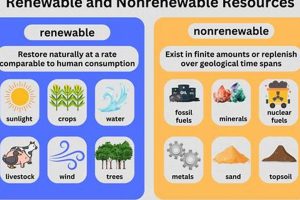

Natural resources are categorized based on their replenishment rate. One category encompasses those which are naturally replenished on a human timescale, such as solar, wind, and hydro power. These sources can be... Read more »
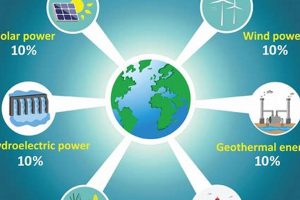
Harnessing power from naturally replenishing resources presents a sustainable alternative to traditional fossil fuels. These resources, unlike finite reserves, are continuously replenished by natural processes, offering a long-term energy solution. Sunlight, wind,... Read more »

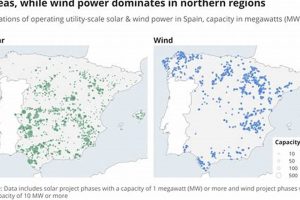
The Iberian Peninsula’s energy landscape is undergoing a significant transformation, with a growing focus on sustainable sources like solar, wind, hydro, and biomass power. For example, vast solar farms harness the abundant... Read more »

The intersection of mechanical engineering expertise and the renewable energy sector presents a significant opportunity. Mechanical engineers possess the skills required to design, develop, and implement technologies crucial for generating power from... Read more »
Hawaii’s pursuit of sustainable energy sources is reflected in its electricity generation. The state aims to achieve 100% renewable energy by 2045, a significant undertaking given its historical reliance on imported fossil... Read more »
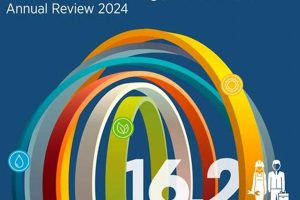
The International Renewable Energy Agency (IRENA) plays a crucial role in the global transition to sustainable energy systems. A key focus of the organization is the socioeconomic impact of this transition, particularly... Read more »
Eco-conscious power generation using plant-based resources offers a sustainable alternative to traditional fossil fuels. For instance, biomass energy utilizes organic matter like wood and agricultural residues, while biofuels are derived from plants... Read more »
The National Renewable Energy Laboratory (NREL) is a United States Department of Energy national laboratory dedicated to the research, development, commercialization, and deployment of renewable energy and energy efficiency technologies. Areas of... Read more »
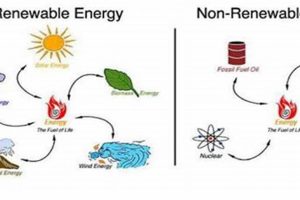
Finite resources like fossil fuels (coal, oil, and natural gas) and nuclear fuels (uranium) constitute sources of energy that are not replenished at a rate commensurate with their consumption. Conversely, sustainable sources... Read more »
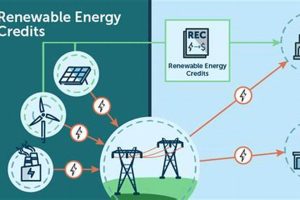
Renewable energy certificate programs, including the one active in the Sunshine State, allow electricity consumers to support clean energy generation even if their power doesn’t come directly from renewable sources. These certificates,... Read more »