The International Energy Agency (IEA) plays a crucial role in shaping global energy policies and markets. It provides data, analysis, and recommendations to its member countries, focusing on energy security, economic development, and environmental protection. For example, the agency’s annual World Energy Outlook report offers projections and analysis of future energy trends, influencing investment decisions and policy formulation worldwide.
Reliable and affordable energy access is fundamental to modern societies. The organization’s work contributes significantly to informed decision-making processes in the energy sector, promoting stability and sustainability. Established in the aftermath of the 1973-74 oil crisis, the agency has a long history of addressing critical energy challenges, evolving its focus to encompass renewable energy sources and climate change mitigation in recent decades.
This exploration delves deeper into specific areas of the agency’s work, examining its role in promoting energy efficiency, advancing clean energy technologies, and fostering international collaboration on energy issues. It will also analyze the agency’s impact on global energy markets and policy frameworks.
The global energy sector is undergoing a period of significant transformation. These tips, informed by analysis from the International Energy Agency, offer guidance for individuals, businesses, and policymakers seeking to navigate this complex environment.
Tip 1: Prioritize Energy Efficiency: Reducing energy consumption through improvements in building insulation, appliance efficiency, and industrial processes offers substantial economic and environmental benefits.
Tip 2: Diversify Energy Sources: Relying on a mix of energy sources, including renewables like solar and wind, enhances energy security and resilience against price volatility.
Tip 3: Invest in Renewable Energy Technologies: Continued investment in research, development, and deployment of renewable energy technologies is essential for a sustainable energy future.
Tip 4: Modernize Energy Infrastructure: Upgrading aging grids and investing in smart grid technologies are crucial for integrating renewable energy sources and enhancing grid reliability.
Tip 5: Foster International Collaboration: Addressing global energy challenges requires cooperation among nations on issues such as energy security, technology development, and climate change mitigation.
Tip 6: Support Policy Frameworks that Encourage Sustainable Practices: Policies such as carbon pricing, renewable energy targets, and energy efficiency standards can drive the transition to a cleaner energy system.
Tip 7: Stay Informed about Energy Trends: Keeping abreast of developments in the energy sector, including technological advancements and policy changes, enables informed decision-making.
By adopting these strategies, stakeholders can contribute to a more secure, sustainable, and affordable energy future. These actions represent crucial steps toward mitigating climate change and ensuring reliable energy access for all.
These insights offer a foundation for understanding the complexities of the global energy landscape and provide actionable steps towards a more sustainable future. The following sections will delve deeper into specific aspects of the energy transition.
1. Data and Analysis
The International Energy Agency’s influence on global energy policy stems significantly from its robust data collection and analysis capabilities. The agency gathers comprehensive data on energy production, consumption, trade, and investment from a wide range of sources, including member countries, industry stakeholders, and academic institutions. This data forms the foundation for rigorous analysis of energy trends, market dynamics, and technological advancements. For example, the IEA’s detailed tracking of global oil supply and demand provides crucial insights for understanding market volatility and informing policy responses.
The IEA’s analytical work extends beyond descriptive statistics to encompass sophisticated modeling and forecasting. The agency develops complex models to simulate energy systems, project future energy demand, and assess the impact of different policy scenarios. These models, such as the World Energy Model used for the annual World Energy Outlook, are essential tools for policymakers and industry leaders navigating the complexities of the energy transition. For instance, analyzing the potential impact of carbon pricing policies on energy consumption and emissions relies heavily on these modeling capabilities.
The insights derived from the IEA’s data and analysis are instrumental in shaping energy policies worldwide. Governments, businesses, and international organizations rely on the IEA’s assessments to inform decisions related to energy security, investment strategies, and climate change mitigation. Addressing challenges like ensuring affordable and reliable energy access, while simultaneously reducing greenhouse gas emissions, necessitates a clear understanding of current and future energy trends. The IEA’s commitment to data-driven analysis plays a critical role in providing this understanding and enabling informed decision-making within the complex global energy landscape.
2. Policy Recommendations

The International Energy Agency’s (IEA) policy recommendations are central to its mission of shaping a secure and sustainable global energy future. These recommendations, grounded in rigorous data analysis and market assessments, provide guidance to governments and industry stakeholders on a range of critical energy issues. Understanding these recommendations is crucial for navigating the complexities of the global energy landscape and achieving a balanced approach to energy security, economic development, and environmental protection.
- Energy Efficiency Improvements
The IEA consistently advocates for enhanced energy efficiency across all sectors, from buildings and transportation to industry and power generation. Recommendations often focus on implementing stricter building codes, promoting the adoption of energy-efficient appliances, and investing in industrial energy efficiency measures. Real-world examples include advocating for the phase-out of inefficient lighting technologies and promoting the development of high-efficiency industrial motors. These recommendations aim to reduce energy consumption, lower greenhouse gas emissions, and enhance energy security.
- Renewable Energy Deployment
Accelerating the deployment of renewable energy technologies is a cornerstone of the IEA’s policy recommendations. The agency promotes supportive policy frameworks, such as feed-in tariffs, renewable portfolio standards, and carbon pricing mechanisms, to incentivize renewable energy investments. Examples include recommending streamlined permitting processes for renewable energy projects and fostering international collaboration on renewable energy technology development. These recommendations are crucial for decarbonizing the energy sector and mitigating climate change.
- Investment in Energy Infrastructure
Modernizing energy infrastructure is another key focus area. The IEA emphasizes the importance of investing in smart grids, upgrading transmission and distribution networks, and developing energy storage solutions. For example, recommendations often include promoting grid integration of renewable energy sources and enhancing the resilience of energy infrastructure against extreme weather events. These investments are essential for ensuring reliable and efficient energy delivery in a rapidly evolving energy system.
- International Energy Cooperation
The IEA recognizes the importance of international collaboration in addressing global energy challenges. The agency promotes dialogue and cooperation among countries on issues ranging from energy security to technology development and climate change mitigation. Examples include facilitating information sharing on best practices in energy policy and supporting the development of international energy agreements. This collaborative approach is vital for achieving a coordinated and effective global response to complex energy issues.
These interconnected policy recommendations demonstrate the IEA’s comprehensive approach to shaping a sustainable energy future. By promoting energy efficiency, renewable energy deployment, infrastructure modernization, and international collaboration, the IEA strives to create a more secure, affordable, and environmentally responsible global energy system. These policy recommendations, when effectively implemented, contribute significantly to achieving global climate goals and ensuring sustainable energy access for all.
3. Energy Security

Energy security is a core focus of the International Energy Agency (IEA), intrinsically linked to its mission of promoting stable and sustainable energy systems. It encompasses the uninterrupted availability of energy sources at affordable prices, while also considering environmental impacts and social equity. The IEA plays a vital role in assessing and enhancing energy security for its member countries and the global community. Understanding the IEAs contribution requires examining its multifaceted approach to this critical issue.
- Diversification of Energy Supplies
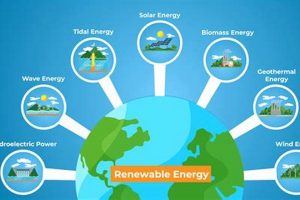
The IEA advocates for diversifying energy sources to reduce reliance on any single supplier or fuel type. This diversification mitigates risks associated with geopolitical instability, supply disruptions, and price volatility. For example, promoting a mix of renewable energy sources, such as solar, wind, and hydropower, alongside natural gas and nuclear power, enhances a nation’s energy independence. The IEA analyzes global energy markets and provides recommendations to member countries on diversification strategies tailored to their specific circumstances.
- Emergency Response Preparedness
The IEA maintains emergency response mechanisms to address potential energy supply disruptions. These mechanisms include coordinated oil stock releases from member countries in the event of a major supply disruption. The IEA also develops and tests emergency response plans, conducts training exercises, and facilitates information sharing among member countries to enhance preparedness and coordination during crises. This preparedness is crucial for mitigating the economic and social impacts of energy shortages.
- Investment in Energy Infrastructure
The IEA emphasizes the importance of investing in robust and resilient energy infrastructure. This includes modernizing electricity grids, developing efficient pipelines and storage facilities, and strengthening cybersecurity defenses. Such investments enhance the reliability of energy supply, reduce vulnerabilities to disruptions, and facilitate the integration of renewable energy sources. The IEA provides guidance on infrastructure development and promotes best practices for ensuring the security and resilience of energy systems.
- International Collaboration and Policy Dialogue
The IEA fosters international cooperation on energy security through policy dialogues, data sharing, and joint initiatives. The agency works with partner countries and international organizations to address shared energy security challenges, promote transparency in energy markets, and develop coordinated responses to potential crises. This collaborative approach is essential for strengthening global energy security and promoting stability in international energy markets.
These facets of the IEAs work on energy security demonstrate its comprehensive approach to this complex challenge. By promoting diversification, preparedness, infrastructure investment, and international collaboration, the IEA contributes significantly to enhancing energy security for its member countries and the wider global community. This work is essential for ensuring stable and sustainable energy systems that support economic growth, social well-being, and environmental protection.
4. Market Analysis

The International Energy Agency (IEA) plays a crucial role in analyzing global energy markets. Its market analysis provides critical insights into energy supply and demand dynamics, price trends, investment flows, and technological developments. This analysis informs policy decisions, shapes investment strategies, and enhances transparency in the energy sector. Understanding the IEA’s approach to market analysis is essential for navigating the complexities of the global energy landscape.
- Oil Market Analysis
The IEA’s oil market analysis provides in-depth assessments of global oil supply and demand trends, including factors influencing production, consumption, and trade. The monthly Oil Market Report offers timely data and analysis on oil market developments, informing decision-making by governments and industry stakeholders. For example, the IEA’s analysis of the impact of geopolitical events on oil prices helps market participants understand and respond to potential price volatility. This analysis contributes significantly to market transparency and informed decision-making.
- Gas Market Analysis
The IEA analyzes natural gas markets, examining supply and demand dynamics, pipeline infrastructure developments, and the growing role of liquefied natural gas (LNG). The annual Gas Market Report provides comprehensive insights into global gas market trends, including regional market developments and the impact of technological advancements. For instance, the IEA’s analysis of the growing role of LNG in global gas trade informs investment decisions and policy formulation related to gas infrastructure development. This analysis is crucial for understanding the evolving role of gas in the global energy mix.
- Electricity Market Analysis
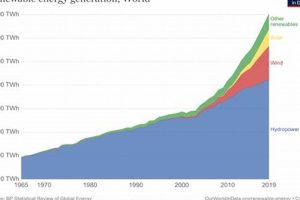
The IEA analyzes electricity markets, focusing on generation capacity, transmission and distribution infrastructure, and the integration of renewable energy sources. Reports such as “Net Zero by 2050” examine the transformation of electricity systems required to achieve climate goals. For example, the IEA’s analysis of the increasing share of renewables in electricity generation informs policy decisions related to grid modernization and renewable energy integration. This analysis is critical for understanding the evolving dynamics of electricity markets and supporting the transition to a decarbonized power sector.
- Renewable Energy Market Analysis
The IEA tracks investment flows, technology costs, and policy developments in renewable energy markets. Reports such as “World Energy Investment” provide detailed analysis of investment trends in renewable energy technologies, including solar photovoltaics, wind power, and hydropower. For instance, the IEA’s analysis of declining costs of solar PV technologies informs investment decisions and supports policy development aimed at accelerating the deployment of renewable energy. This analysis is vital for understanding the growth and development of renewable energy markets and their role in the global energy transition.
These interconnected market analyses demonstrate the IEA’s comprehensive approach to understanding global energy dynamics. By providing in-depth analysis of oil, gas, electricity, and renewable energy markets, the IEA equips policymakers, industry stakeholders, and investors with the insights necessary to navigate the evolving energy landscape. This analysis contributes significantly to informed decision-making, enhanced market transparency, and the promotion of a secure and sustainable energy future.
5. Renewable Energy Promotion

The International Energy Agency (IEA) plays a significant role in promoting renewable energy adoption globally. This promotion is a crucial component of the IEA’s broader work on sustainable energy transitions and climate change mitigation. The connection between renewable energy promotion and the IEA’s overall energy focus is multifaceted, encompassing policy recommendations, market analysis, technology collaboration, and international cooperation. Understanding this connection is crucial for accelerating the global shift towards cleaner energy sources.
The IEA advocates for policies that incentivize renewable energy deployment, such as feed-in tariffs, renewable portfolio standards, and carbon pricing mechanisms. Analysis of renewable energy markets, including technology cost trends and investment flows, informs these policy recommendations. For example, the IEA’s reports on declining solar photovoltaic costs have supported policy decisions aimed at accelerating solar energy adoption. Furthermore, the IEA facilitates international collaboration on renewable energy technology development and deployment through initiatives like the Implementing Agreement for Renewable Energy Systems. Such collaboration accelerates innovation and promotes best practices in renewable energy integration. The IEA’s work on renewable energy also addresses the challenges of integrating variable renewable sources into electricity grids, emphasizing the importance of grid modernization and energy storage solutions.
The practical significance of this focus on renewable energy promotion is substantial. Increased deployment of renewable energy sources reduces greenhouse gas emissions, mitigates air pollution, and enhances energy security by diversifying energy supplies. The IEA’s analysis and recommendations provide critical guidance for policymakers and investors seeking to accelerate the transition to a sustainable energy future. Addressing the challenges associated with this transition, such as intermittency of renewable sources and grid integration issues, remains a key focus of the IEA’s work. The IEA’s commitment to renewable energy promotion represents a crucial contribution to global efforts to mitigate climate change and ensure a secure and sustainable energy future.
6. Energy Efficiency Advocacy

The International Energy Agency (IEA) champions energy efficiency as a cornerstone of global energy policy. This advocacy is integral to the IEA’s mission of promoting secure and sustainable energy systems. Improving energy efficiency offers substantial benefits, including reduced energy consumption, lower greenhouse gas emissions, enhanced energy security, and economic cost savings. The IEA’s advocacy efforts encompass a range of activities, from policy recommendations and data analysis to technology collaboration and public awareness campaigns.
- Policy Recommendations
The IEA advocates for policies that incentivize energy efficiency improvements across various sectors, including buildings, industry, and transportation. Recommendations often include stricter building codes, appliance efficiency standards, and incentives for industrial energy efficiency upgrades. For example, the IEA promotes the adoption of energy performance certificates for buildings and supports the development of international standards for energy-efficient appliances. These policy recommendations aim to create a regulatory environment conducive to widespread energy efficiency improvements.
- Data Analysis and Reporting
The IEA collects and analyzes data on energy efficiency trends, providing insights into progress, challenges, and opportunities. Reports such as “Energy Efficiency 2023” track energy efficiency improvements across different sectors and economies. For instance, the IEA analyzes data on energy intensity, which measures energy consumption per unit of economic output, to assess progress in decoupling economic growth from energy use. This data-driven approach enables evidence-based policymaking and informed decision-making by governments and industry stakeholders.
- Technology Collaboration
The IEA facilitates international collaboration on energy efficiency technologies through initiatives like the Technology Collaboration Programme on Energy Efficiency. This program brings together experts from government, industry, and academia to share best practices, accelerate technology development, and promote the deployment of innovative energy-efficient solutions. For example, collaborative projects focus on developing advanced building materials, improving industrial processes, and optimizing energy use in transportation systems. This collaborative approach accelerates innovation and fosters the dissemination of cutting-edge energy efficiency technologies.
- Public Awareness Campaigns
The IEA engages in public awareness campaigns to promote the benefits of energy efficiency and encourage behavioral changes that reduce energy consumption. These campaigns often target consumers, businesses, and policymakers, providing information on energy-saving practices and promoting the adoption of energy-efficient technologies. For example, the IEAs campaigns might highlight the benefits of using energy-efficient lighting, appliances, and transportation options. Raising public awareness about the importance of energy efficiency is crucial for driving widespread adoption of energy-saving practices.
These interconnected facets of the IEA’s energy efficiency advocacy demonstrate its comprehensive approach to promoting energy conservation. By combining policy recommendations, data analysis, technology collaboration, and public awareness campaigns, the IEA strives to create a global environment conducive to widespread energy efficiency improvements. This commitment to energy efficiency is crucial for achieving global climate goals, enhancing energy security, and promoting sustainable economic growth. The IEAs advocacy efforts play a vital role in shaping a more energy-efficient and sustainable future.
7. International Collaboration
International collaboration is essential to the International Energy Agency’s (IEA) mission of shaping a secure and sustainable global energy future. Given the interconnected nature of energy systems and the global scale of energy challenges, collaborative efforts are crucial for effective solutions. The IEA serves as a vital platform for fostering such collaboration among countries, facilitating information sharing, coordinating policy approaches, and driving collective action on critical energy issues.
- Data and Information Sharing
The IEA facilitates the exchange of energy data and information among member countries, fostering transparency and informed decision-making. This data sharing enables a comprehensive understanding of global energy trends, market dynamics, and technological advancements. For example, sharing data on national energy consumption patterns allows for comparative analyses and the identification of best practices. This transparency is fundamental for evidence-based policy formulation and effective international cooperation.
- Policy Coordination and Development
The IEA promotes policy dialogue and coordination among member countries, helping align national energy policies with global objectives. This coordination is crucial for addressing shared energy security challenges, promoting energy market stability, and accelerating the transition to cleaner energy sources. For instance, coordinating policies on renewable energy deployment can create a level playing field for investment and accelerate the adoption of clean energy technologies. This collaborative policy development enhances the effectiveness of individual national efforts.
- Joint Technology Development and Deployment
The IEA fosters collaboration on energy technology research, development, and deployment. Through initiatives like Technology Collaboration Programmes, the IEA brings together experts from different countries to share knowledge, accelerate innovation, and promote the adoption of cutting-edge energy technologies. For example, joint research projects on energy storage solutions can accelerate the development and deployment of technologies crucial for integrating renewable energy sources into electricity grids. This collaborative approach maximizes the impact of research and development efforts.
- Emergency Response and Preparedness
The IEA coordinates emergency response mechanisms among member countries to address potential energy supply disruptions. This includes coordinating strategic oil stock releases in the event of a major supply disruption and developing joint emergency response plans. For instance, coordinated responses to oil supply disruptions can mitigate price volatility and ensure the continued functioning of essential services. This collaborative approach enhances global energy security and resilience to unforeseen events.
These interconnected facets of international collaboration are central to the IEAs work. By facilitating data sharing, policy coordination, joint technology development, and emergency response preparedness, the IEA strengthens global energy governance and promotes a more secure, sustainable, and efficient energy future. This collaborative approach is essential for addressing the complex challenges of the 21st-century energy landscape and achieving a transition to a cleaner and more resilient global energy system. The IEA’s ongoing commitment to international collaboration underscores its crucial role in shaping a more sustainable energy future for all.
Frequently Asked Questions about the IEA
This section addresses common inquiries regarding the International Energy Agency’s role, functions, and impact on the global energy landscape. Clarity on these points is essential for understanding the organization’s contributions to energy security, sustainability, and market transparency.
Question 1: What is the primary mission of the International Energy Agency (IEA)?
The IEA’s core mission is to ensure the security of energy supplies for its member countries. This involves promoting energy security, economic development, and environmental protection through policy recommendations, data analysis, and international collaboration. Focus areas include energy efficiency, renewable energy development, and market transparency.
Question 2: How does the IEA contribute to global energy security?
The IEA contributes to global energy security through various mechanisms, including emergency response preparedness, diversification of energy supplies, and promotion of robust energy infrastructure. The agency coordinates oil stock releases during supply disruptions, encourages reliance on a mix of energy sources, and advocates for investment in resilient energy infrastructure. These efforts mitigate risks associated with supply disruptions and price volatility.
Question 3: What is the IEA’s role in promoting renewable energy?
The IEA actively promotes renewable energy adoption through policy recommendations, market analysis, and international collaboration. The agency advocates for policies that incentivize renewable energy investments, analyzes technology cost trends and market dynamics, and facilitates knowledge sharing on renewable energy integration. These efforts support the global transition to cleaner energy sources.
Question 4: How does the IEA’s analysis influence energy markets?
The IEA’s market analysis, including reports like the Oil Market Report and World Energy Outlook, provides crucial insights into energy supply and demand dynamics, price trends, and investment flows. This analysis informs investment decisions, shapes government policies, and enhances transparency in the energy sector. The IEA’s objective data and analysis play a significant role in shaping market understanding and expectations.
Question 5: Who are the members of the IEA?
The IEA’s membership primarily comprises industrialized countries committed to free-market principles. Associate members include major emerging economies like China, India, and Brazil. Membership requires adherence to specific criteria related to oil stockpiling, emergency preparedness, and commitment to energy market liberalization. This diverse membership allows for broad international collaboration on energy issues.
Question 6: How does the IEA address climate change?
The IEA plays a significant role in addressing climate change by promoting energy efficiency, renewable energy deployment, and the development of clean energy technologies. The agency’s analysis and recommendations support policy development aimed at reducing greenhouse gas emissions and transitioning to a low-carbon energy future. Reports like “Net Zero by 2050” provide roadmaps for achieving ambitious climate goals.
Understanding the IEA’s role in shaping global energy policies and markets is crucial for navigating the complex energy landscape. The information provided here offers a starting point for further exploration of the agency’s work and its impact on energy security, sustainability, and market dynamics. The IEA remains a critical resource for data, analysis, and policy recommendations that support a transition to a more secure and sustainable energy future.
The next section explores specific case studies demonstrating the practical impact of the IEA’s work on national and international energy policies.
The Pivotal Role of IEA Analysis in Global Energy Transitions
This exploration has highlighted the multifaceted role of the International Energy Agency in shaping global energy dynamics. From providing crucial data and analysis to fostering international collaboration and advocating for evidence-based policymaking, the agency’s contributions are essential for navigating the complex energy landscape. Key takeaways include the importance of data-driven insights for informed decision-making, the critical need for diversification of energy sources and investment in resilient infrastructure, and the significance of international cooperation in addressing shared energy challenges. The agency’s focus on energy efficiency, renewable energy promotion, and market transparency are pivotal for achieving a sustainable energy future.
The global energy system stands at a critical juncture. The choices made today will determine the energy landscape of tomorrow. The International Energy Agency’s analysis, recommendations, and collaborative efforts provide a crucial foundation for navigating this transition and building a more secure, sustainable, and prosperous energy future for all. Continued engagement with the IEA’s work and active participation in shaping global energy policies are essential for achieving this shared objective.