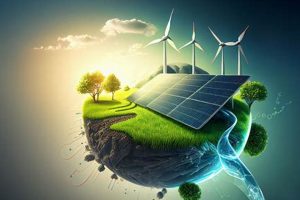
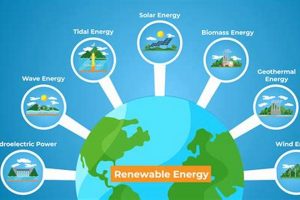
Insulated concrete formwork construction, incorporating renewable energy systems, offers a synergistic approach to building design. Structures built with this method utilize reinforced concrete walls formed with interlocking, insulating foam blocks. These blocks not only provide structural integrity and thermal efficiency but also create a versatile platform for integrating renewable energy technologies, such as solar panels, geothermal systems, and wind turbines. An example of this integrated approach would be a house built with insulated concrete forms and equipped with a rooftop solar photovoltaic array to generate electricity.
Buildings constructed with this integrated method offer significant advantages, including reduced energy consumption, lower operating costs, and a smaller carbon footprint. The high thermal mass of concrete walls coupled with the insulating properties of the formwork contributes to stable indoor temperatures, minimizing the need for heating and cooling. This inherent energy efficiency makes such buildings ideal for incorporating renewable energy generation, further reducing reliance on fossil fuels. Historically, building design often treated structural elements and energy systems as separate considerations. However, the growing awareness of climate change and the drive toward sustainable practices have spurred interest in integrated solutions like combining insulated concrete formwork with renewable energy systems.
This approach offers a pathway toward a more sustainable built environment. The following sections will delve deeper into the specific benefits, technical considerations, and applications of integrating renewable energy systems with insulated concrete formwork construction.
Tips for Integrating Renewable Energy with Insulated Concrete Formwork
Successfully integrating renewable energy systems with insulated concrete formwork construction requires careful planning and execution. The following tips offer guidance for maximizing the benefits of this combined approach.
Tip 1: Early Planning is Crucial: Integrate renewable energy considerations from the initial design phase. This allows for optimal placement of solar panels, geothermal systems, and other components, maximizing energy efficiency and minimizing potential conflicts.
Tip 2: Optimize Building Orientation and Design: Carefully consider the building’s orientation to maximize solar gain and minimize energy loss. Roof pitch and window placement play critical roles in passive solar heating and daylighting.
Tip 3: Select Appropriate Renewable Energy Systems: Evaluate the specific site conditions and energy needs to determine the most suitable renewable energy technologies. Factors like solar irradiance, wind availability, and geothermal potential should inform the selection process.
Tip 4: Coordinate with Experienced Professionals: Engage architects, engineers, and contractors with expertise in both insulated concrete formwork and renewable energy systems. Their specialized knowledge is essential for seamless integration and optimal performance.
Tip 5: Consider Thermal Mass and Insulation: Leverage the inherent thermal mass of concrete and the insulation properties of the formwork to minimize temperature fluctuations and reduce energy demand. This creates a stable indoor environment and enhances the effectiveness of renewable energy systems.
Tip 6: Conduct a Comprehensive Energy Analysis: Perform energy modeling to accurately assess energy consumption and optimize system design. This analysis helps determine the optimal size and configuration of renewable energy systems to meet the building’s specific needs.
Tip 7: Explore Financial Incentives and Rebates: Research available financial incentives and rebates for renewable energy installations. Many jurisdictions offer programs that can significantly reduce the upfront cost of implementing these systems.
By implementing these tips, building projects can leverage the synergistic benefits of insulated concrete formwork and renewable energy systems, resulting in energy-efficient, sustainable, and cost-effective structures.
These considerations underscore the importance of a holistic approach to building design and construction, paving the way for a more sustainable future.
1. Energy Efficiency

Energy efficiency stands as a cornerstone of sustainable building practices and a primary driver for integrating renewable energy sources with insulated concrete formwork (ICF) construction. The inherent properties of ICF contribute significantly to a building’s energy performance, creating a synergy that reduces reliance on non-renewable energy sources and minimizes environmental impact.
- Reduced Air Infiltration:
ICF walls, constructed with interlocking foam blocks filled with concrete, create an airtight building envelope. This significantly reduces air leakage, a major source of energy loss in conventional construction. Minimizing drafts and uncontrolled airflow stabilizes indoor temperatures, lessening the workload on heating and cooling systems. This translates to lower energy consumption and improved indoor comfort.
- High Thermal Mass:
The concrete core of ICF walls provides substantial thermal mass. This inherent property allows the walls to absorb and store thermal energy, moderating temperature fluctuations throughout the day. In practical terms, this means slower heating in the summer and slower cooling in the winter, reducing peak energy demand and promoting a more consistent indoor environment.
- Enhanced Insulation:
The insulating foam components of ICF provide a continuous layer of insulation, minimizing thermal bridging and further reducing energy transfer between the interior and exterior environments. This continuous insulation layer, coupled with the thermal mass of the concrete, contributes to superior thermal performance compared to traditional building materials.
- Optimized Integration of Renewables:
The energy-efficient nature of ICF construction creates an ideal platform for integrating renewable energy systems. By reducing the overall energy demand, smaller, more cost-effective renewable energy systems, such as solar photovoltaic panels or geothermal heat pumps, can effectively meet the building’s energy needs. This optimized integration maximizes the return on investment in renewable technologies and further reduces reliance on fossil fuels.
The combined effect of these energy-saving features establishes ICF construction as a highly efficient building method, particularly when coupled with renewable energy generation. This synergy not only reduces environmental impact through lower energy consumption but also contributes to long-term cost savings for building owners through reduced utility bills, ultimately promoting a more sustainable and economically viable approach to construction.
2. Sustainability
Sustainability in construction goes beyond simply reducing energy consumption; it encompasses a holistic approach that considers the entire lifecycle of a building, from material sourcing and construction practices to operational efficiency and eventual deconstruction. Insulated concrete formwork (ICF) construction, particularly when combined with renewable energy systems, offers a compelling pathway toward achieving truly sustainable building practices.
- Reduced Embodied Carbon:
Embodied carbon refers to the greenhouse gas emissions associated with the manufacturing, transportation, and installation of building materials. While concrete production has traditionally been associated with high embodied carbon, ICF construction can mitigate this impact through several strategies. The use of recycled materials in concrete mixes, the reduced material volume compared to some traditional building methods, and the extended lifespan of ICF structures all contribute to a lower overall embodied carbon footprint. Furthermore, the integration of renewable energy systems during construction can offset a portion of the embodied carbon, further enhancing the sustainability profile.
- Resource Efficiency:
ICF construction contributes to resource efficiency in several ways. The foam forms themselves often contain recycled content, and the concrete used within the forms can also incorporate industrial byproducts like fly ash or slag, reducing the demand for virgin materials. The airtight nature of ICF structures minimizes waste during construction by reducing material damage from moisture and pests. Moreover, the durability and longevity of ICF buildings lessen the need for frequent renovations and replacements, conserving resources over the building’s lifespan.
- Waste Reduction:
Construction waste represents a significant environmental concern. ICF construction, with its precise, modular nature, minimizes on-site waste generation. The pre-formed blocks reduce cutting and fitting, resulting in less discarded material. Furthermore, some ICF manufacturers offer take-back programs for scrap foam, promoting recycling and diverting waste from landfills. This focus on waste reduction aligns with the principles of circular economy and contributes to a more sustainable construction process.
- Ecosystem Protection:
Sustainable construction considers the impact on the surrounding ecosystem. ICF structures, with their enhanced energy efficiency and reduced reliance on fossil fuels, contribute to lower greenhouse gas emissions, mitigating the effects of climate change. Furthermore, the durable and resilient nature of ICF buildings can withstand extreme weather events, minimizing damage and disruption to communities. By choosing sustainable materials and construction methods, ICF construction can help protect ecosystems and promote a healthier environment.
By addressing these facets of sustainability, ICF construction combined with renewable energy systems offers a comprehensive approach to building design and construction. This integrated approach minimizes environmental impact throughout the building’s lifecycle, promoting a more responsible and sustainable built environment for future generations. The long-term benefits extend beyond environmental stewardship, encompassing economic advantages through reduced energy costs and enhanced building resilience.
3. Cost Savings

Cost savings represent a significant driving factor in the adoption of insulated concrete formwork (ICF) construction combined with renewable energy systems. While the initial construction costs might be slightly higher compared to conventional building methods, the long-term operational savings and potential for increased property value offer substantial financial benefits.
Reduced energy consumption is a primary source of cost savings. The superior insulation and airtightness of ICF structures significantly lower heating and cooling expenses. This energy efficiency is further amplified by the integration of renewable energy systems, such as solar photovoltaics or geothermal heat pumps, which can generate electricity or provide heating and cooling with minimal operating costs. Over time, these energy savings accumulate, offsetting the initial investment and resulting in a lower total cost of ownership. For example, a homeowner might observe a 20-30% reduction in annual energy bills compared to a similar house built with traditional framing. Over a 20-year period, these savings can represent a substantial return on investment.
Beyond energy savings, ICF construction offers additional cost advantages. The durability and resilience of ICF structures translate to lower maintenance and repair costs. The resistance to fire, pests, and extreme weather events minimizes the need for repairs and replacements, contributing to long-term cost savings. Additionally, some insurance companies offer reduced premiums for ICF homes due to their enhanced resilience. These combined cost benefits, coupled with the potential for increased property value due to energy efficiency and durability, position ICF construction with integrated renewables as a financially sound investment. While the upfront costs require careful consideration, the long-term financial benefits and positive environmental impact make this integrated approach an increasingly attractive option for building owners and developers.
4. Design Flexibility

Design flexibility is a significant advantage of insulated concrete formwork (ICF) construction, particularly when integrating renewable energy systems. ICF’s adaptable nature allows architects and builders to create innovative and energy-efficient designs that maximize the benefits of both ICF and renewable technologies. This flexibility extends beyond aesthetics, impacting structural integrity, energy performance, and the seamless incorporation of renewable energy components.
- Complex Shapes and Curves:
ICF construction readily accommodates complex architectural designs, including curved walls, arches, and other non-rectilinear forms. This design freedom allows for aesthetically pleasing structures that can be optimized for passive solar gain and natural ventilation. Curved walls can be strategically positioned to maximize solar exposure during winter months and minimize overheating in the summer. This flexibility contrasts with traditional building methods, which often impose limitations on design complexity.
- Variable Wall Thicknesses:
ICF allows for varying wall thicknesses to accommodate structural requirements and optimize thermal performance. Thicker walls can provide greater thermal mass and enhanced insulation, particularly beneficial in extreme climates. This adaptability allows builders to tailor the wall assembly to specific energy needs and climate conditions, maximizing energy efficiency. For instance, a building in a cold climate might benefit from thicker ICF walls to enhance insulation, while a building in a milder climate might prioritize thinner walls to optimize material usage.
- Seamless Integration of Renewables:
ICF’s modular nature facilitates the seamless integration of various renewable energy systems. Solar panels can be easily mounted on ICF walls or roofs, and geothermal piping can be embedded within the concrete core during construction. This streamlined integration simplifies installation and optimizes the performance of renewable energy systems. For example, geothermal piping integrated within ICF walls can leverage the thermal mass of the concrete to enhance the efficiency of the geothermal system.
- Openings and Window Placement:
ICF construction allows for precise placement of windows and other openings, maximizing daylighting and optimizing natural ventilation strategies. Strategically positioned windows can reduce the need for artificial lighting and enhance passive solar heating and cooling. This control over openings also allows for the optimal placement of ventilation systems, further improving energy efficiency and indoor air quality.
This design flexibility inherent in ICF construction enhances its compatibility with renewable energy systems, creating opportunities for innovative, energy-efficient, and aesthetically pleasing buildings. By embracing these design possibilities, architects and builders can create sustainable structures that minimize environmental impact while maximizing functionality and comfort. This adaptability distinguishes ICF from more traditional building methods and reinforces its position as a forward-thinking approach to sustainable construction.
5. Thermal Performance

Thermal performance is a critical aspect of insulated concrete formwork (ICF) construction and its synergy with renewable energy systems. The inherent thermal properties of ICF contribute significantly to a building’s energy efficiency, reducing reliance on mechanical heating and cooling and maximizing the effectiveness of integrated renewable energy technologies. This enhanced thermal performance stems from a combination of factors, including reduced air infiltration, high thermal mass, and continuous insulation.
The airtight nature of ICF construction minimizes air leakage, a major source of heat loss in conventional buildings. This airtightness, combined with the continuous insulation provided by the foam forms, creates a highly effective thermal barrier, reducing energy transfer between the interior and exterior environments. The concrete core of the ICF walls provides significant thermal mass, which absorbs and stores thermal energy, moderating temperature fluctuations throughout the day. This thermal mass effect reduces peak heating and cooling loads, allowing for smaller, more cost-effective heating, ventilation, and air conditioning (HVAC) systems. Furthermore, it enhances the performance of passive heating and cooling strategies, reducing reliance on mechanical systems and maximizing the benefits of renewable energy sources.
For instance, a building with ICF walls and a south-facing orientation can leverage solar gain during winter months. The thermal mass of the walls absorbs and stores solar energy, releasing it slowly throughout the day and reducing the need for supplemental heating. In summer, the same thermal mass can help maintain cooler indoor temperatures by absorbing excess heat during the day and releasing it slowly at night. This inherent thermal stability reduces the workload on cooling systems and enhances the efficiency of renewable energy sources like solar photovoltaic panels, which can provide electricity for cooling needs. The improved thermal performance offered by ICF construction translates to lower energy consumption, reduced operating costs, and a smaller carbon footprint. This synergy with renewable energy systems creates a pathway toward sustainable building practices that are both environmentally responsible and economically advantageous.
6. Reduced Emissions

Reduced greenhouse gas emissions are a central objective in sustainable construction. Insulated concrete formwork (ICF) construction, coupled with renewable energy systems, offers a significant pathway toward achieving this goal. The inherent energy efficiency of ICF buildings, combined with the clean energy generation provided by renewables, contributes to a substantial reduction in a building’s operational carbon footprint. This section explores the key facets of this emissions reduction strategy.
- Lower Operational Emissions:
Buildings constructed with ICF and powered by renewable energy sources exhibit significantly lower operational emissions compared to conventional structures. The superior insulation and airtightness of ICF reduce the energy required for heating and cooling, minimizing the reliance on fossil fuel-based electricity generation. When combined with on-site renewable energy generation, such as solar photovoltaics or wind turbines, operational emissions can be reduced drastically, sometimes approaching net-zero energy performance. For example, a home built with ICF and powered by rooftop solar panels might have operational emissions 80% lower than a comparable conventionally built home.
- Reduced Embodied Carbon:
While operational emissions represent the ongoing energy consumption of a building, embodied carbon refers to the emissions associated with the manufacturing, transportation, and installation of building materials. ICF construction can contribute to reduced embodied carbon through the use of supplementary cementitious materials in concrete mixes, which lowers the amount of Portland cement required, a major source of embodied carbon. Further reductions can be achieved through responsible sourcing of materials and the extended lifespan of ICF structures, which reduces the need for frequent replacements and renovations. For example, using fly ash or slag as a partial cement replacement can significantly reduce the embodied carbon of the concrete used in ICF construction.
- Mitigation of Urban Heat Island Effect:
The urban heat island effect refers to the phenomenon where urban areas experience higher temperatures than surrounding rural areas due to the absorption and retention of heat by buildings and paved surfaces. ICF construction, with its high thermal mass and superior insulation, can help mitigate this effect by reducing the amount of heat radiated from buildings. This, in turn, can lower the energy demand for cooling in urban environments, further reducing emissions. For instance, a city with a high percentage of ICF buildings might experience a measurable decrease in average summertime temperatures compared to a similar city with predominantly conventional buildings.
- Contribution to Climate Change Mitigation:
The cumulative effect of reduced operational and embodied carbon through ICF construction and renewable energy integration contributes significantly to climate change mitigation efforts. By reducing reliance on fossil fuels and lowering greenhouse gas emissions, these sustainable building practices support global efforts to limit global warming and its associated environmental and economic consequences. The widespread adoption of ICF and renewable energy in construction can play a crucial role in achieving national and international climate goals. For example, a national building code that incentivizes ICF construction and renewable energy integration could lead to a substantial reduction in the building sector’s overall carbon footprint.
The combination of ICF construction and renewable energy systems represents a powerful strategy for reducing greenhouse gas emissions in the building sector. The synergistic effects of these technologies address both operational and embodied carbon, contributing significantly to climate change mitigation and promoting a more sustainable built environment. The long-term benefits extend beyond environmental stewardship, encompassing economic advantages through reduced energy costs and enhanced building resilience.
Frequently Asked Questions about ICF Renewable Energy Integration
Integrating renewable energy systems with insulated concrete formwork (ICF) construction raises several common questions. This section addresses key inquiries to provide clarity and facilitate informed decision-making.
Question 1: How does the initial cost of ICF construction compare to traditional building methods?
While ICF construction might have a slightly higher upfront cost compared to traditional wood framing, the long-term operational savings and potential for increased property value often offset this initial difference. Lifecycle cost analyses demonstrate that ICF buildings can be more cost-effective over time due to reduced energy consumption and lower maintenance expenses.
Question 2: What types of renewable energy systems are most compatible with ICF construction?
ICF construction is compatible with a wide range of renewable energy systems, including solar photovoltaic (PV) panels, solar thermal systems, geothermal heat pumps, and wind turbines. The specific choice depends on factors such as geographic location, climate, energy needs, and available resources.
Question 3: Does the thermal mass of ICF impact the performance of renewable energy systems?
The thermal mass of ICF can enhance the performance of certain renewable energy systems, particularly geothermal heat pumps and passive solar heating and cooling strategies. The concrete core of ICF walls can store and release thermal energy, improving the efficiency of these systems and reducing reliance on supplemental heating or cooling.
Question 4: Are there any special considerations for integrating solar panels with ICF roofs?
Integrating solar panels with ICF roofs requires proper planning and coordination with experienced professionals. Considerations include roof orientation, structural support for the panels, and electrical wiring integration. Proper installation ensures optimal solar energy generation and maintains the structural integrity of the ICF roof.
Question 5: How does ICF construction contribute to a building’s overall sustainability?
ICF construction contributes to sustainability through reduced energy consumption, lower operating costs, a smaller carbon footprint, and enhanced building durability. The use of recycled materials in ICF and the potential for integrating renewable energy systems further enhance its sustainability profile.
Question 6: What are the long-term maintenance requirements for ICF structures?
ICF structures typically require minimal maintenance compared to conventionally built homes. The durability and resistance of ICF to pests, moisture, and fire reduce the need for repairs and replacements, contributing to long-term cost savings and a longer building lifespan.
Understanding these key aspects of ICF renewable energy integration empowers informed decision-making and facilitates the construction of energy-efficient, sustainable, and resilient buildings.
The subsequent section will offer case studies demonstrating practical applications of these combined technologies.
Conclusion
Insulated concrete formwork construction, when thoughtfully integrated with renewable energy systems, presents a compelling approach to achieving significant advancements in sustainable building practices. This exploration has highlighted the multifaceted benefits of this synergistic combination, encompassing reduced energy consumption, lower operational costs, enhanced building resilience, and a smaller environmental footprint. From design flexibility and superior thermal performance to long-term cost savings and minimized greenhouse gas emissions, the advantages of combining ICF with renewable energy sources are substantial and far-reaching.
The transition to a more sustainable built environment requires innovative solutions and a commitment to responsible construction practices. Integrating renewable energy with insulated concrete formwork offers a viable pathway toward achieving these objectives. By embracing this forward-thinking approach, the building industry can contribute significantly to mitigating climate change, conserving resources, and creating a more resilient and sustainable future.