Iceland utilizes geothermal and hydroelectric resources for nearly all of its electricity and heating needs. Volcanic activity provides ample geothermal energy for heating and electricity generation, while glacial rivers and waterfalls power hydroelectric plants. This combination allows for a domestic energy supply almost entirely free of fossil fuels.
This near-complete reliance on sustainable resources provides significant advantages. It reduces greenhouse gas emissions, contributing to global climate change mitigation efforts. It also enhances energy independence, shielding the nation from fluctuating global fuel prices and supply chain disruptions. This transition towards sustainable energy began decades ago, driven by a combination of environmental concerns and the availability of exploitable natural resources. This has established Iceland as a global leader in renewable energy adoption and a model for other nations seeking to decarbonize their energy sectors.
Further exploration of Iceland’s energy landscape can delve into the specific technologies employed, the economic and social implications of this transition, and the ongoing research and development aimed at further optimizing renewable energy utilization and exploring potential export strategies.
Tips Inspired by Iceland’s Renewable Energy Success
Iceland’s approach to energy provides valuable lessons for regions seeking to transition towards greater sustainability. While not all locations possess Iceland’s unique geological advantages, several key principles can be adapted and applied.
Tip 1: Resource Assessment: Conduct a thorough evaluation of available renewable resources. This includes analyzing solar, wind, geothermal, and hydroelectric potential, considering geographic factors and existing infrastructure.
Tip 2: Long-Term Planning: Develop a comprehensive long-term energy strategy with clear targets and timelines for transitioning towards renewables. This requires government commitment, stakeholder engagement, and public support.
Tip 3: Invest in Research & Development: Continuous investment in research and development is crucial for optimizing existing renewable energy technologies and exploring new possibilities, such as advanced geothermal systems or innovative energy storage solutions.
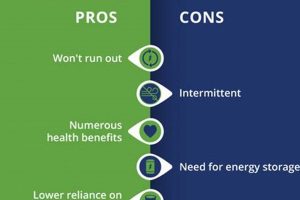
Tip 4: Diversify Energy Sources: Relying on a mix of renewable resources can enhance energy security and resilience. Combining different sources, such as wind and solar, can mitigate intermittency issues.
Tip 5: Public Awareness & Education: Raising public awareness about the benefits of renewable energy is essential for building public support and fostering behavioral changes that contribute to reduced energy consumption.
Tip 6: Foster International Collaboration: Share knowledge and best practices with other regions pursuing renewable energy transitions. International collaboration can accelerate innovation and facilitate technology transfer.
By adopting these principles, regions can make significant strides towards achieving a cleaner, more sustainable energy future. While the specific path will vary depending on local conditions, Iceland’s success demonstrates the transformative potential of embracing renewable energy.
The transition to a sustainable energy future requires a multi-faceted approach encompassing technological innovation, policy changes, and societal adaptation. Further exploration of these areas can provide a roadmap for achieving long-term energy security and environmental sustainability.
1. Geothermal Power

Geothermal power plays a crucial role in Iceland’s near-total reliance on renewable energy. The country’s unique geological setting, characterized by active volcanoes and tectonic plate boundaries, provides readily accessible geothermal resources. Harnessing this heat from the Earth’s interior involves drilling wells to tap into geothermal reservoirs. Steam and hot water extracted from these reservoirs drive turbines, generating electricity. Additionally, geothermal energy directly provides heat for buildings and industrial processes. The Svartsengi and Hellisheii power plants exemplify Iceland’s successful implementation of geothermal technology, providing both electricity and hot water to surrounding communities. This direct use of geothermal energy significantly reduces reliance on fossil fuels for heating, a major component of energy consumption in many countries.
The consistent availability of geothermal energy makes it a reliable baseload power source, unlike intermittent renewable sources such as solar and wind. This stability is essential for maintaining a secure and consistent energy supply. Furthermore, geothermal power plants have a relatively small footprint compared to other energy generation methods. They also emit minimal greenhouse gases, contributing significantly to Iceland’s low carbon emissions profile. However, geothermal development requires careful management to minimize potential environmental impacts, such as land subsidence and the release of trace elements. Ongoing research and monitoring are vital to ensure sustainable geothermal utilization.
Iceland’s success with geothermal power demonstrates the potential of this renewable energy source in regions with suitable geological conditions. It highlights the importance of resource assessment and technological adaptation to maximize the benefits of geothermal energy while mitigating potential risks. Further research and development, coupled with international collaboration, can facilitate wider adoption of geothermal technologies and contribute to global decarbonization efforts.
2. Hydroelectric Generation

Hydroelectric generation forms a cornerstone of Iceland’s renewable energy infrastructure, complementing its geothermal resources. Abundant glacial rivers and waterfalls provide ample potential for hydropower exploitation. This involves constructing dams and reservoirs to control water flow, channeling it through turbines to generate electricity. Hydropower offers a degree of flexibility not readily available from geothermal sources, allowing output to be adjusted to meet fluctuating demand. The Krahnjkar Hydropower Plant, one of Iceland’s largest, exemplifies the scale and significance of hydroelectric generation in the country’s energy mix. This facility utilizes several glacial rivers in the eastern highlands, demonstrating the potential for harnessing even remote water resources.
Hydroelectric generation offers several advantages in the context of Iceland’s renewable energy strategy. It contributes significantly to the country’s energy independence, reducing reliance on imported fossil fuels. Hydropower plants also produce minimal greenhouse gas emissions during operation, further bolstering Iceland’s low-carbon energy profile. However, the construction of dams and reservoirs can have environmental and social impacts, such as altering river ecosystems and displacing communities. Careful planning and mitigation measures are crucial to minimize these effects. Iceland’s experience demonstrates the potential for balancing energy needs with environmental considerations in hydroelectric development.
The combination of hydropower and geothermal energy provides a robust and sustainable foundation for Iceland’s electricity needs. This dual approach leverages the specific geographical advantages of the country, providing valuable insights for other regions seeking to transition towards renewable energy sources. Understanding the interplay between hydropower and geothermal resources in Iceland offers a practical example of how diverse renewable sources can be integrated to create a secure and sustainable energy system.
3. Volcanic Activity

Volcanic activity forms the bedrock of Iceland’s renewable energy success. The island nation sits atop the Mid-Atlantic Ridge, a zone of intense geological activity. This location provides access to substantial geothermal resources. Magma close to the Earth’s surface heats groundwater, creating reservoirs of steam and hot water. This readily available geothermal energy fuels power plants, providing a consistent baseload electricity supply and direct heating for homes and businesses. The Krafla caldera, a region of active volcanism, exemplifies this direct link, hosting a major geothermal power plant. Without this underlying geological activity, Iceland’s extensive geothermal energy exploitation would not be feasible.
The geothermal energy derived from volcanic activity significantly contributes to Iceland’s near 100% renewable energy status. It reduces reliance on fossil fuel imports, enhancing energy security and mitigating price volatility associated with global energy markets. Furthermore, geothermal power generation produces minimal greenhouse gas emissions, supporting climate change mitigation efforts. The Nesjavellir geothermal power plant, located near the Hengill volcano, provides a practical illustration of this clean energy generation. It supplies electricity to the capital city of Reykjavk and underscores the direct connection between volcanic activity and sustainable energy production.
Harnessing geothermal energy associated with volcanic activity offers valuable lessons for other regions exploring renewable energy options. While not all locations possess Iceland’s unique geological advantages, understanding the principles behind geothermal energy extraction can inform sustainable energy development strategies. However, responsible resource management and environmental monitoring are crucial to mitigate potential risks associated with geothermal exploitation, such as induced seismicity and land subsidence. Continued research and development remain essential to refine geothermal technologies and optimize their application in diverse geological settings. This knowledge sharing contributes to a broader understanding of how geological processes can be leveraged for sustainable development.
4. Glacial Rivers

Glacial rivers play a vital role in Iceland’s achievement of near-complete reliance on renewable energy. These rivers, fed by Iceland’s vast ice caps and glaciers, possess significant hydropower potential. The consistent flow of glacial meltwater provides a reliable source of energy for hydroelectric power plants. This natural process enables Iceland to generate a substantial portion of its electricity without relying on fossil fuels. The jrs river, Iceland’s longest, exemplifies this connection, feeding several hydroelectric power stations that contribute significantly to the national grid. The Tungnarvirkjun hydropower complex, situated on the jrs, demonstrates the practical application of harnessing glacial river flow for large-scale electricity generation. This reliance on glacial rivers for power generation reduces Iceland’s carbon footprint and strengthens its energy independence.
The availability of glacial rivers as a renewable energy source contributes significantly to Iceland’s energy security. Unlike fossil fuels, glacial meltwater is a domestically sourced and replenishable resource, reducing dependence on imported energy. This natural process offers price stability and shields Iceland from fluctuations in global energy markets. Hydropower from glacial rivers also offers a degree of flexibility in electricity generation. Facilities can adjust their output to meet varying demand, balancing the consistent supply from geothermal sources. The Brfell Hydropower Plant, located on the jrs river, exemplifies this adaptability, playing a key role in balancing Iceland’s energy grid. This integrated approach to utilizing diverse renewable resources enhances the reliability and resilience of Iceland’s energy system.
Iceland’s utilization of glacial rivers for hydropower exemplifies the sustainable harnessing of natural resources for energy production. This approach offers valuable insights for other regions seeking to increase their reliance on renewable energy. While the specific geographical conditions enabling this model are unique to Iceland, the underlying principles of utilizing naturally occurring water flow for power generation can be adapted and applied elsewhere. However, it is crucial to consider potential environmental and social impacts associated with hydroelectric projects, such as changes to river ecosystems and potential disruptions to local communities. Careful planning, environmental impact assessments, and ongoing monitoring are essential to ensure responsible and sustainable hydropower development. The long-term sustainability of glacial rivers as an energy source is also linked to the effects of climate change on glacial melt rates, highlighting the interconnectedness between energy security and environmental preservation. Continued research and adaptation are crucial to navigating these complex interactions and ensuring long-term energy sustainability.
5. Energy Independence

Iceland’s commitment to 100% renewable energy has profoundly impacted its energy independence. By harnessing domestically available resources like geothermal and hydroelectric power, the nation has significantly reduced its reliance on imported fossil fuels. This strategic shift has insulated Iceland from the volatility of global energy markets, shielding its economy from price fluctuations and supply disruptions. The Icelandic experience demonstrates a direct correlation between renewable energy adoption and enhanced energy security. This decoupling from global fossil fuel dependence allows for greater control over energy pricing and availability, contributing to long-term economic stability. For instance, during periods of international oil price spikes, Iceland’s energy costs remained relatively stable, demonstrating the practical benefits of energy independence achieved through renewable resources.
The pursuit of energy independence serves as a key driver of Iceland’s renewable energy transition. The nation recognized the vulnerability associated with relying on imported fossil fuels and strategically pursued energy autonomy. This proactive approach has yielded substantial dividends, not only in terms of enhanced energy security but also in reducing the nation’s carbon footprint. Iceland’s model demonstrates that energy independence is not merely a byproduct of renewable energy adoption but a fundamental objective shaping energy policy and investment decisions. The focus on local resources has stimulated economic activity within Iceland, fostering innovation in renewable energy technologies and creating employment opportunities related to geothermal and hydroelectric development. This example illustrates how prioritizing energy independence can spur economic growth aligned with sustainability goals.
Iceland’s journey toward energy independence underscores the critical link between renewable energy and national resilience. By transitioning to domestically sourced, sustainable energy resources, nations can mitigate the risks associated with fluctuating global energy markets and geopolitical instability. Iceland’s case study provides a compelling argument for prioritizing renewable energy investments as a means of achieving greater energy autonomy and enhancing national security. While the specific renewable resources available vary by location, the fundamental principle of leveraging local resources to reduce reliance on imported fuels offers a pathway toward greater energy independence for nations worldwide. Further analysis of the Icelandic model can inform policy decisions and inspire strategic investments in renewable energy infrastructure, contributing to a more secure and sustainable energy future.
6. Reduced Emissions

Reduced greenhouse gas emissions are a direct consequence of Iceland’s transition to nearly 100% renewable energy. By replacing fossil fuels with geothermal and hydroelectric power, Iceland has significantly lowered its contribution to climate change. This shift demonstrates a clear link between energy choices and environmental impact, offering a compelling example for other nations seeking to decarbonize their energy sectors. The drastic reduction in emissions underscores the potential of renewable energy sources to mitigate climate change on a national scale.
- Air Quality Improvements
The shift to renewable energy has resulted in cleaner air in Iceland. Reduced reliance on fossil fuels minimizes the release of pollutants such as sulfur dioxide and particulate matter, improving respiratory health and overall air quality. This tangible benefit highlights the positive impact of clean energy transitions on public health and environmental well-being. Monitoring data from Reykjavik and other urban areas reveals a marked decrease in air pollution levels coinciding with the increased adoption of renewable energy sources.
- Mitigation of Climate Change Impacts
Iceland’s reduced emissions contribute to global efforts to mitigate climate change. By minimizing its greenhouse gas footprint, Iceland demonstrates leadership in addressing this critical global challenge. This commitment aligns with international agreements aimed at reducing emissions and limiting global warming. Iceland’s actions serve as an example of how national policies can translate into tangible contributions to global climate action.
- Sustainable Tourism Development
Reduced emissions enhance Iceland’s reputation as a sustainable tourism destination. Eco-conscious travelers are increasingly drawn to destinations prioritizing environmental responsibility. This factor contributes to Iceland’s tourism sector growth, demonstrating the economic benefits of aligning tourism development with sustainable practices. Marketing campaigns emphasizing Iceland’s commitment to renewable energy attract environmentally conscious visitors, contributing to the economic viability of sustainable tourism.
- International Recognition and Influence
Iceland’s success in reducing emissions has earned international recognition and positioned the country as a leader in renewable energy. This leadership role provides a platform for influencing other nations to adopt similar strategies. Iceland actively participates in international forums, sharing its experience and advocating for renewable energy solutions. This international engagement amplifies the impact of Iceland’s domestic achievements, contributing to a broader global shift towards sustainable energy.
The interconnectedness of these facets underscores the comprehensive impact of reduced emissions resulting from Iceland’s commitment to renewable energy. From improved air quality to enhanced international standing, the benefits extend beyond environmental considerations, influencing public health, economic development, and global diplomacy. Iceland’s experience serves as a compelling case study demonstrating the wide-ranging positive consequences of transitioning to a clean energy future, offering a roadmap for other nations to emulate.
Frequently Asked Questions about Iceland’s Renewable Energy
This section addresses common inquiries regarding Iceland’s transition to nearly 100% renewable energy, providing concise and informative responses.
Question 1: Does Iceland truly rely on 100% renewable energy?
While Iceland generates nearly all of its electricity from renewable sources (hydroelectric and geothermal), some fossil fuels are still used in specific sectors, such as transportation and fishing. However, the overall energy mix is overwhelmingly dominated by renewables.
Question 2: How does Iceland generate electricity from geothermal energy?
Geothermal power plants harness underground heat by extracting steam and hot water from geothermal reservoirs. This steam drives turbines, generating electricity. The hot water can also be used directly for heating purposes.
Question 3: What role do glaciers play in Iceland’s energy production?
Glacial meltwater feeds rivers that power hydroelectric plants. The consistent flow of these rivers ensures a reliable supply of water for electricity generation.
Question 4: What are the environmental benefits of Iceland’s energy model?
Iceland’s renewable energy strategy significantly reduces greenhouse gas emissions, contributing to climate change mitigation. It also minimizes air pollution, improving air quality and public health.
Question 5: Can other countries replicate Iceland’s success in renewable energy?
While Iceland’s unique geological advantages are not universally replicable, key principles, such as resource assessment, long-term planning, and investment in research and development, can be adopted by other nations pursuing renewable energy transitions.
Question 6: Does Iceland export any of its renewable energy?
Currently, Iceland does not export large amounts of electricity. There have been discussions and feasibility studies regarding undersea cables to Europe, but significant technical and economic hurdles remain.
Understanding the nuances of Iceland’s energy landscape provides valuable insights for global efforts towards sustainable energy transition. While direct replication may not always be feasible, the core principles underlying Iceland’s success offer a framework for developing and implementing effective renewable energy strategies.
Further exploration of specific aspects of Iceland’s energy system can provide a deeper understanding of the challenges and opportunities associated with transitioning to a sustainable energy future.
Iceland’s 100% Renewable Energy Journey
Iceland’s pursuit of near-complete reliance on renewable energy sources, primarily geothermal and hydroelectric power, offers a compelling case study for global sustainability efforts. The nation’s unique geological advantages, coupled with strategic long-term planning and investment in renewable energy technologies, have resulted in a dramatic reduction of greenhouse gas emissions and enhanced energy independence. Iceland’s experience demonstrates the transformative potential of renewable energy, showcasing the feasibility of a future powered by sustainable resources. The exploration of geothermal power, hydroelectric generation, and the underlying geological factors contributing to Iceland’s success reveals valuable insights for other regions seeking to decarbonize their energy sectors.
Iceland’s journey serves as an inspiration and a practical example for nations striving to achieve a sustainable energy future. While the specific conditions enabling Iceland’s success are not universally replicable, the underlying principles of resource assessment, technological adaptation, and long-term strategic planning offer a roadmap for global action. The transition to a cleaner energy future requires a commitment to innovation, collaboration, and sustained investment in renewable energy technologies. Iceland’s experience demonstrates that such a transition is not only achievable but also yields significant economic and environmental benefits, paving the way for a more sustainable and prosperous future for all.