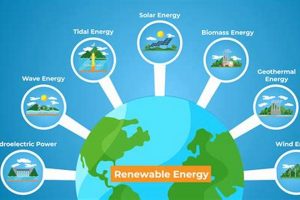
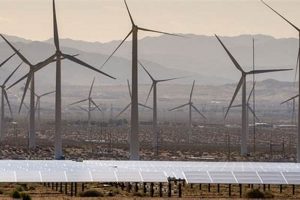
Generating sustainable power on a residential scale involves harnessing naturally replenishing resources like sunlight, wind, and water. For example, photovoltaic panels convert sunlight directly into electricity, while small wind turbines capture kinetic energy from moving air. These technologies offer opportunities for homeowners to reduce reliance on conventional energy sources.
Decentralized power generation offers numerous advantages, including reduced greenhouse gas emissions, lower electricity bills, and increased energy independence. Historically, homes relied on locally sourced energy like wood and water power. The rise of centralized power grids shifted this paradigm, but recent technological advancements are enabling a renewed interest in distributed generation.
The following sections will explore practical methods for residential renewable energy generation, covering the key technologies, installation considerations, and potential cost savings associated with each approach. Specific topics will include solar photovoltaic systems, small-scale wind power, micro-hydroelectric systems, and combined heat and power (CHP) units.
Tips for Residential Renewable Energy Generation
Careful planning and execution are crucial for successful implementation of home-based renewable energy systems. The following tips provide guidance for maximizing efficiency and minimizing potential challenges.
Tip 1: Conduct a Thorough Energy Assessment: Analyze current energy consumption patterns to determine realistic goals and identify areas for improvement. This assessment should consider factors such as building insulation, appliance efficiency, and potential load management strategies.
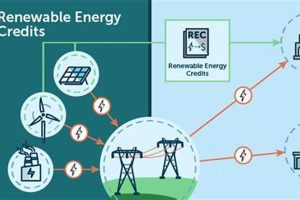
Tip 2: Research Local Regulations and Incentives: Building permits, interconnection agreements, and net metering policies vary by jurisdiction. Investigating available rebates, tax credits, and other financial incentives can significantly impact project feasibility.
Tip 3: Choose Appropriate Technologies: Resource availability and site characteristics dictate the suitability of different renewable energy technologies. Solar photovoltaic systems require adequate sunlight, while wind turbines necessitate consistent wind speeds. Micro-hydroelectric systems are limited to properties with access to flowing water.
Tip 4: Prioritize Energy Efficiency Measures: Investing in energy-efficient appliances, insulation, and air sealing reduces overall energy demand, minimizing the required capacity of renewable energy systems.
Tip 5: Seek Professional Consultation: Experienced installers and engineers can provide valuable guidance on system design, equipment selection, and permitting requirements. Professional installation ensures safety and optimal system performance.
Tip 6: Monitor System Performance: Regular monitoring allows for early detection of potential issues and ensures optimal energy production. Data logging and performance analysis can identify opportunities for system optimization.
Tip 7: Explore Battery Storage Options: Integrating battery storage with renewable energy systems enables homeowners to store excess energy generated during peak production periods and utilize it during periods of low generation or high demand, increasing energy independence.
Implementing these tips can maximize the benefits of residential renewable energy generation, leading to reduced environmental impact and increased energy autonomy. Careful consideration of these factors will ensure a successful and sustainable energy transition.
By taking a comprehensive approach to energy generation and consumption, homeowners can contribute to a cleaner energy future while realizing significant economic benefits.
1. Solar Panels

Solar panels represent a prominent method for residential renewable energy generation. Converting sunlight directly into electricity, these photovoltaic systems offer a clean and efficient pathway toward energy independence. Understanding their components, functionality, and practical application is essential for effective home integration.
- Photovoltaic Cells:
The core components of solar panels are photovoltaic (PV) cells, typically made from silicon. These cells exhibit the photovoltaic effect, generating a voltage when exposed to sunlight. Crystalline silicon and thin-film technologies represent the most common PV cell types, each offering distinct advantages in terms of efficiency and cost. For example, monocrystalline silicon panels offer higher efficiency but come at a premium cost, while polycrystalline silicon panels offer a balance between cost and performance.
- Panel Construction and Types:
Multiple PV cells are interconnected and encapsulated within a protective layer to form a solar panel. Panels vary in size, wattage, and efficiency ratings, influencing their suitability for different roof orientations and energy demands. Rigid panels are commonly mounted on rooftops, while flexible panels offer versatility for curved surfaces or portable applications. Choosing the right panel type is crucial for maximizing energy production.
- System Components and Installation:
A complete solar PV system comprises panels, inverters, mounting hardware, and wiring. Inverters convert the direct current (DC) electricity produced by the panels into alternating current (AC) suitable for household use. Professional installation is crucial for ensuring safety, code compliance, and optimal system performance. Properly sized systems and appropriate mounting techniques maximize energy capture.
- Economic and Environmental Considerations:
Solar panel installations offer significant long-term cost savings through reduced electricity bills. Furthermore, they minimize reliance on fossil fuels, reducing greenhouse gas emissions and contributing to a cleaner environment. The environmental impact of manufacturing and disposal should also be considered when evaluating the overall sustainability of solar PV systems.
By harnessing solar energy through strategically designed and professionally installed systems, homeowners can significantly reduce their environmental footprint and achieve greater energy autonomy. The ongoing advancements in solar technology continue to enhance efficiency and affordability, making residential solar power an increasingly viable option for sustainable living.
2. Wind Turbines

Wind turbines offer a viable pathway for generating renewable energy at a residential scale. Converting the kinetic energy of wind into electrical energy, these devices provide an alternative to conventional power sources. Their efficacy depends heavily on consistent wind resources, making site assessment a critical factor in successful implementation. A direct cause-and-effect relationship exists between wind speed and energy generation; higher wind speeds translate to greater power output. Therefore, locations experiencing regular, strong winds offer the most promising potential for wind energy harvesting.
Residential wind turbines typically fall into two categories: horizontal-axis wind turbines (HAWTs) and vertical-axis wind turbines (VAWTs). HAWTs, resembling traditional windmills, feature blades rotating around a horizontal axis. VAWTs, with blades rotating around a vertical axis, offer advantages in turbulent wind conditions and require less space. For example, a rural property with open fields and consistent wind speeds might benefit from a HAWT installation. Conversely, a suburban home with limited space and more unpredictable wind patterns could consider a VAWT. Understanding these distinctions is crucial for selecting the appropriate turbine type for a given environment.
Integrating wind turbines into a residential energy system presents several practical considerations. Tower height significantly influences energy capture, as wind speeds generally increase with altitude. Local regulations regarding turbine height and noise levels must be addressed during the planning phase. Grid-tied systems allow excess energy to be fed back into the electricity grid, while off-grid systems require battery storage for times of low wind speed. Addressing these practical aspects ensures effective energy generation and compliance with local ordinances. The potential for noise pollution necessitates careful placement and turbine selection to minimize disturbance. Proper maintenance, including regular inspections and lubrication, ensures optimal performance and longevity of the equipment.
3. Micro-hydro

Micro-hydroelectric systems present a specialized approach to residential renewable energy generation, harnessing the energy of flowing water to produce electricity. Suitable for properties with access to streams or rivers, these systems offer a consistent and reliable energy source, albeit with specific site requirements. Their viability hinges on factors like water flow rate, head (vertical drop), and environmental impact considerations. Effective implementation requires careful assessment of these parameters to ensure both energy production efficiency and ecological responsibility. Understanding the underlying principles and practical application of micro-hydro technology is essential for successful integration into a home energy system.
- System Components and Functionality:
Micro-hydro systems typically comprise an intake structure, penstock (pipe), turbine, generator, and power electronics. Water flows through the penstock, driving the turbine connected to a generator, which produces electricity. Different turbine types, such as Pelton, Francis, and Kaplan turbines, cater to varying flow rates and head conditions. Choosing the appropriate turbine is critical for optimizing energy conversion efficiency.
- Site Assessment and Resource Evaluation:
Careful site assessment is paramount for determining the feasibility and potential output of a micro-hydro installation. Evaluating water flow rate, head, and available space informs system design and turbine selection. Environmental impact studies are necessary to mitigate potential negative consequences on aquatic ecosystems. Sustainable practices prioritize minimal disruption to natural watercourses.
- Installation and Maintenance Requirements:
Professional installation is crucial for ensuring proper system functionality and safety. Constructing the intake, penstock, and powerhouse requires specialized expertise. Regular maintenance, including debris removal and turbine inspection, ensures optimal performance and longevity. Properly maintained systems minimize operational disruptions and maximize energy output over time.
- Economic and Environmental Considerations:
Micro-hydro installations offer long-term cost savings by reducing reliance on grid electricity. They provide a clean and sustainable energy source, minimizing greenhouse gas emissions. However, initial installation costs can be substantial, and environmental impact assessments are necessary to ensure responsible resource utilization.
Micro-hydro systems offer a compelling option for homeowners with suitable water resources. By carefully considering site characteristics, environmental impact, and system design, micro-hydro installations can provide a consistent and sustainable source of renewable energy, contributing to greater energy independence and a reduced environmental footprint. While specialized and site-specific, the potential benefits of harnessing this natural resource make micro-hydro a valuable addition to the residential renewable energy landscape.
4. Site Assessment

Site assessment forms a critical foundation for successful renewable energy implementation at home. Resource availability directly dictates the viability and effectiveness of various technologies. Solar energy production relies on consistent solar irradiance, influenced by factors such as latitude, shading, and roof orientation. Wind energy potential depends on consistent wind speeds, affected by topography, vegetation, and surrounding structures. Micro-hydro systems require adequate water flow and head, determined by stream characteristics and terrain. Therefore, a thorough site assessment provides crucial data informing technology selection and system design.
Consider a homeowner interested in solar power. A site assessment would analyze roof orientation, angle, and shading to determine optimal panel placement and potential energy output. In contrast, a property with access to a stream would require an assessment of water flow rate and head to determine the suitability of a micro-hydro system. Similarly, evaluating wind speed and direction is crucial for determining the effectiveness of a wind turbine installation. These examples illustrate the practical significance of site assessment in tailoring renewable energy solutions to specific locations.
Neglecting site assessment can lead to underperforming systems and unrealized energy potential. For instance, installing solar panels on a shaded roof would significantly reduce energy generation compared to an unshaded location. Similarly, a wind turbine installed in an area with low wind speeds would yield minimal power output. A comprehensive site assessment mitigates these risks by ensuring appropriate technology selection and optimal system design. This proactive approach maximizes the return on investment and ensures the long-term success of residential renewable energy systems. Ultimately, site assessment represents a crucial first step toward sustainable energy independence at home.
5. Installation
Proper installation is paramount for realizing the full potential of residential renewable energy systems. A direct correlation exists between installation quality and system performance, longevity, and safety. Incorrectly installed solar panels may experience reduced energy output due to improper angling or shading. Faulty wiring in a wind turbine system can lead to safety hazards and system malfunction. Improperly installed micro-hydro systems can negatively impact water flow and environmental health. Consequently, professional installation is crucial for optimizing energy generation, ensuring safety, and maximizing the lifespan of renewable energy equipment.
Real-world examples illustrate the practical significance of correct installation. A case study of a solar panel installation revealed a 20% increase in energy production after correcting improper panel angling. Similarly, a wind turbine system experiencing frequent malfunctions underwent troubleshooting, revealing faulty wiring as the root cause. Addressing the wiring issue restored optimal system performance and mitigated potential safety hazards. These examples underscore the tangible benefits of professional and accurate installation practices in residential renewable energy systems.
Several key challenges must be addressed during installation. Solar panel installations require secure mounting systems to withstand wind and snow loads. Wind turbine installations necessitate careful tower placement and grounding to ensure stability and safety. Micro-hydro installations require proper water flow management to minimize environmental impact. Successfully navigating these challenges requires specialized expertise and adherence to industry best practices. Overcoming these obstacles ensures efficient, safe, and environmentally responsible renewable energy generation at home. Therefore, professional installation is not merely a step in the process but a critical determinant of long-term success in harnessing renewable energy resources.
6. Regulations

Regulations play a crucial role in the implementation of residential renewable energy systems. These regulations, established at local, state, and national levels, govern various aspects of renewable energy generation, including permitting, interconnection, and safety standards. Understanding and complying with these regulations is essential for ensuring the legality, safety, and efficacy of home-based renewable energy projects. The regulatory landscape significantly influences the feasibility and process of generating renewable energy at home, impacting system design, installation procedures, and overall project timelines. Navigating these regulatory requirements forms an integral component of successful renewable energy adoption.
Permitting processes vary by jurisdiction and often involve submitting detailed system designs, electrical diagrams, and site assessments to local authorities. Interconnection agreements with utility companies outline the technical and administrative requirements for connecting renewable energy systems to the electricity grid. These agreements address critical aspects such as metering, grid stability, and safety protocols. Compliance with building codes and electrical standards ensures the structural integrity and operational safety of renewable energy installations. For example, a homeowner installing a rooftop solar array must obtain the necessary permits and comply with local building codes regarding roof load capacity and electrical wiring. Similarly, connecting a wind turbine to the grid requires an interconnection agreement with the utility company, outlining technical specifications and safety procedures. Failure to comply with these regulations can result in project delays, fines, and safety hazards.
Navigating the regulatory landscape can present challenges for homeowners. Varying regulations across jurisdictions can create complexity and require specialized knowledge. Obtaining permits and interconnection agreements can involve bureaucratic processes and extended timelines. However, understanding and adhering to these regulations is paramount for ensuring the successful and legal implementation of residential renewable energy systems. Compliance fosters a safe and reliable energy transition, while also contributing to the broader integration of renewable energy resources into the existing energy infrastructure. Ultimately, navigating these regulations effectively empowers homeowners to harness renewable energy resources responsibly and contribute to a sustainable energy future.
7. Maintenance

Maintaining residential renewable energy systems is crucial for ensuring optimal performance, longevity, and safety. Regular maintenance mitigates potential issues, maximizes energy production, and extends the lifespan of renewable energy equipment. Neglecting maintenance can lead to decreased efficiency, system failures, and safety hazards. Therefore, a proactive maintenance approach is essential for maximizing the return on investment and ensuring the long-term success of home-based renewable energy generation.
- Regular Inspections:
Regular inspections form the cornerstone of effective maintenance. Visual inspections of solar panels can identify physical damage, debris accumulation, and connection issues. Checking wind turbine blades for cracks, imbalances, and lubrication needs ensures safe and efficient operation. Inspecting micro-hydro system components for leaks, debris buildup, and turbine functionality prevents performance degradation and potential system failures. For example, a routine inspection of a solar panel array might reveal bird droppings or leaves obstructing sunlight, leading to reduced energy output. Addressing this issue through cleaning restores optimal energy production. Similarly, inspecting wind turbine blades for cracks can prevent catastrophic failures and ensure safe operation.
- Cleaning and Debris Removal:
Maintaining cleanliness is essential for maximizing energy capture. Dust, dirt, pollen, and bird droppings can accumulate on solar panels, reducing their efficiency. Cleaning panels regularly with water and a soft brush or sponge optimizes sunlight absorption. Debris buildup in wind turbine nacelles or micro-hydro intakes can impede airflow and water flow, respectively, hindering energy production. Removing debris ensures optimal system performance. For example, cleaning dust and dirt from solar panels can improve energy output by up to 15%. Similarly, removing leaves and debris from a wind turbine nacelle ensures proper ventilation and prevents overheating.
- Component Replacement and Repair:
Timely component replacement and repair are crucial for preventing system downtime and extending equipment lifespan. Replacing worn-out or damaged parts, such as solar panel inverters or wind turbine gearboxes, ensures continued system functionality. Addressing minor issues promptly prevents them from escalating into major problems. For instance, replacing a faulty inverter in a solar panel system restores optimal energy conversion and prevents further system damage. Similarly, repairing a damaged wind turbine blade prevents imbalances and ensures safe operation.
- Professional Servicing:
While some maintenance tasks can be performed by homeowners, professional servicing is often necessary for more complex procedures. Qualified technicians possess the expertise and specialized equipment to conduct thorough system checks, diagnose complex issues, and perform repairs safely and effectively. For example, professional servicing of a wind turbine might involve inspecting the gearbox, lubricating moving parts, and checking the tower for structural integrity. Similarly, professional servicing of a micro-hydro system could include inspecting the turbine, cleaning the penstock, and checking the generator for proper functionality. Engaging qualified professionals ensures that maintenance is performed to industry standards, maximizing system performance and longevity.
By adhering to a comprehensive maintenance schedule, homeowners can ensure the long-term viability and efficiency of their renewable energy systems. Regular inspections, cleaning, component replacement, and professional servicing contribute to maximizing energy production, minimizing downtime, and extending the lifespan of renewable energy equipment. Ultimately, a proactive maintenance approach is essential for achieving sustainable energy independence and maximizing the return on investment in residential renewable energy systems. This dedication to upkeep ensures the continued delivery of clean, reliable power for years to come.
Frequently Asked Questions
This section addresses common inquiries regarding residential renewable energy generation, providing concise and informative responses to facilitate informed decision-making.
Question 1: What is the most suitable renewable energy source for a specific home?
The optimal choice depends on factors such as geographic location, resource availability, energy consumption patterns, and local regulations. Homes with ample sunlight are well-suited for solar panels. Properties with consistent wind resources might benefit from wind turbines. Homes with access to flowing water could consider micro-hydro systems. A thorough site assessment is crucial for determining the most appropriate technology.
Question 2: What are the typical costs associated with installing residential renewable energy systems?
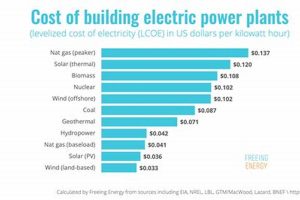
Costs vary significantly based on system size, technology, and installation complexity. Solar panel installations typically range from $10,000 to $30,000. Wind turbine systems can cost between $10,000 and $50,000. Micro-hydro installations can range from $1,000 to $100,000, depending on site characteristics and project scope. Available incentives, such as tax credits and rebates, can significantly reduce upfront costs.
Question 3: How long do residential renewable energy systems typically last?
System lifespans vary depending on the technology and maintenance practices. Solar panels typically last 25-30 years. Wind turbines can operate for 20-25 years. Micro-hydro systems, with proper maintenance, can last for several decades. Regular maintenance is crucial for maximizing system longevity and performance.
Question 4: Do residential renewable energy systems require permits or approvals?
Permitting and approval requirements vary by jurisdiction. Most installations require building permits, electrical inspections, and interconnection agreements with utility companies. Consulting with local authorities and qualified installers is essential for navigating regulatory requirements.
Question 5: What is the environmental impact of generating renewable energy at home?
Residential renewable energy systems significantly reduce reliance on fossil fuels, minimizing greenhouse gas emissions and promoting environmental sustainability. However, manufacturing and disposal of renewable energy equipment can have environmental impacts. Life-cycle assessments provide a comprehensive evaluation of the environmental footprint of different renewable energy technologies.
Question 6: How can homeowners determine the return on investment for renewable energy systems?
Calculating the return on investment involves considering factors such as system cost, energy savings, available incentives, and system lifespan. Online calculators and consultation with renewable energy professionals can assist in estimating potential cost savings and payback periods.
Careful consideration of these frequently asked questions empowers homeowners to make informed decisions regarding the feasibility and suitability of different renewable energy technologies for their specific needs and circumstances. Understanding the costs, benefits, and regulatory aspects of residential renewable energy generation is crucial for a successful and sustainable energy transition.
For further information and personalized guidance, consulting with qualified renewable energy professionals is recommended.
Conclusion
Generating renewable energy at home represents a viable and increasingly accessible pathway toward sustainable living. Exploration of various technologies, including solar photovoltaic systems, wind turbines, and micro-hydro installations, reveals pathways for reducing reliance on conventional energy sources. Careful site assessment, professional installation, and adherence to regulatory requirements are critical for successful implementation. Regular maintenance ensures optimal system performance and longevity. Economic considerations, including cost savings and available incentives, contribute to the overall feasibility of residential renewable energy generation.
Transitioning toward decentralized renewable energy generation empowers individuals to contribute to a cleaner energy future while realizing potential economic benefits. Continued technological advancements and increasing public awareness promise broader adoption of home-based renewable energy solutions, fostering a more sustainable and resilient energy landscape. Embracing these technologies offers a tangible opportunity to mitigate environmental impact and promote greater energy independence, shaping a future powered by clean, locally generated energy.