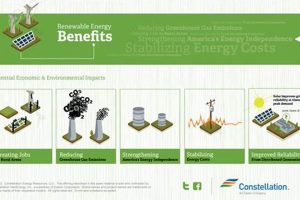
Shifting energy production from fossil fuels to renewable sources creates widespread economic ripples. This transformation impacts employment, investment, energy prices, technological innovation, and overall economic growth. For instance, the development of wind farms necessitates manufacturing turbines, constructing infrastructure, and maintaining equipment, creating jobs in these sectors. Simultaneously, reduced reliance on fossil fuel imports can improve a nation’s trade balance.
This energy transition is crucial for fostering sustainable economic growth and mitigating climate change. Historically, economies have been heavily reliant on fossil fuels, a finite resource with volatile prices and significant environmental consequences. Investing in renewable energy promotes energy independence, reduces greenhouse gas emissions, and stimulates the development of new technologies, creating long-term economic opportunities and resilience. A stable, clean energy supply is essential for future prosperity and environmental health.
Further exploration will examine specific economic effects of this transition, including job creation in renewable energy sectors, the impact on traditional energy industries, the role of government policies, and the potential for economic diversification.
Understanding the multifaceted economic impacts of transitioning to renewable energy sources is crucial for effective policymaking and investment strategies. The following tips offer insights into navigating this complex landscape.
Tip 1: Diversify Investments: Don’t put all eggs in one basket. Explore investment opportunities across the renewable energy spectrum, from solar and wind to geothermal and hydropower. This mitigates risk and capitalizes on varying market conditions.
Tip 2: Support Workforce Retraining: The transition may displace workers in fossil fuel industries. Investing in retraining programs equips them with the skills needed for jobs in the renewable energy sector, ensuring a just transition.
Tip 3: Foster Public-Private Partnerships: Collaborative efforts between governments and private companies can accelerate the development and deployment of renewable energy technologies, leveraging the strengths of both sectors.
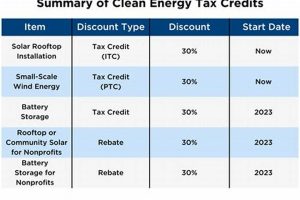
Tip 4: Incentivize Innovation: Government policies, such as tax credits and research grants, can stimulate innovation in renewable energy technologies, driving down costs and improving efficiency.
Tip 5: Plan for Grid Modernization: Renewable energy sources often require upgrades to existing power grids to accommodate intermittent energy flows and ensure reliable electricity distribution.
Tip 6: Consider Regional Economic Impacts: The economic effects of the transition will vary regionally. Policies should be tailored to address specific local challenges and opportunities.
Tip 7: Analyze Long-Term Costs and Benefits: While initial investments in renewable energy can be substantial, the long-term economic benefits, including reduced reliance on volatile fossil fuel prices and improved air quality, should be considered.
By considering these tips, policymakers, businesses, and individuals can better navigate the economic implications of the transition to renewable energy and contribute to a more sustainable and prosperous future.
In conclusion, the transition to renewable energy presents both challenges and opportunities. Careful planning and strategic investment are essential to maximizing the economic benefits while mitigating potential disruptions.
1. Job Creation

The transition to renewable energy significantly impacts employment landscapes, creating new opportunities while potentially displacing existing jobs. Understanding this dynamic is crucial for managing the economic consequences of this shift.
- Manufacturing and Installation:
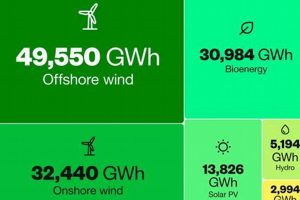
Renewable energy technologies require extensive manufacturing and installation processes. Building wind turbines, solar panels, and energy storage systems necessitates skilled labor, creating jobs in factories and on-site construction. For example, the growth of offshore wind farms generates demand for specialized vessels and trained personnel for installation and maintenance, stimulating coastal economies.
- Operations and Maintenance:
Operating and maintaining renewable energy facilities provides ongoing employment opportunities. Wind turbine technicians, solar panel installers, and grid operators are essential for ensuring the efficient functioning of these systems. This creates skilled, long-term jobs in areas adopting renewable energy infrastructure.
- Research and Development:
Continuous innovation drives the renewable energy sector. Scientists, engineers, and technicians are needed to research and develop more efficient and cost-effective technologies. This fosters high-skilled jobs and contributes to long-term economic growth in the field.
- Supporting Industries:
The renewable energy transition also stimulates job creation in related industries. Raw material suppliers, transportation companies, and financial institutions experience increased demand due to the growth of the renewable energy sector. This ripple effect further broadens the economic benefits of the transition.
In summary, while the transition to renewable energy may lead to job displacement in traditional fossil fuel industries, it simultaneously creates numerous opportunities across various sectors. Effective planning and investment in workforce retraining can facilitate a smooth transition and maximize the overall economic benefits of a sustainable energy future.
2. Investment Growth

Investment growth plays a crucial role in the transition to renewable energy and its subsequent economic impact. Capital flows into renewable energy projects, research and development, and supporting infrastructure are essential drivers of economic activity and long-term sustainable growth. Analyzing investment trends provides key insights into the economic transformation driven by renewable energy adoption.
- Private Sector Investment
Private companies are increasingly investing in renewable energy projects, attracted by falling technology costs and growing demand for clean energy. This investment stimulates economic activity by creating jobs, driving innovation, and expanding manufacturing capacity. Examples include venture capital funding for solar startups and large-scale investments in wind farm development. These private investments are critical for accelerating the deployment of renewable energy technologies and fostering market competition.
- Public Sector Funding
Government funding and incentives play a vital role in supporting renewable energy development. Public investments in research and development, tax credits, and subsidies can de-risk investments, attract private capital, and accelerate the adoption of new technologies. Examples include government grants for renewable energy research and tax incentives for homeowners installing solar panels. Public funding can also be instrumental in supporting grid modernization and other essential infrastructure upgrades.
- Green Bonds and Sustainable Finance
The rise of green bonds and sustainable finance provides new avenues for channeling investment towards renewable energy projects. These financial instruments allow investors to specifically support environmentally friendly initiatives, driving capital towards renewable energy development. For instance, municipalities can issue green bonds to finance renewable energy infrastructure projects, attracting investors seeking both financial returns and positive environmental impact. This growth in sustainable finance further accelerates the transition to a low-carbon economy.
- Venture Capital and Innovation
Venture capital plays a critical role in funding early-stage renewable energy companies and fostering innovation. Investments in startups developing cutting-edge technologies, such as advanced battery storage or next-generation solar panels, drive technological advancements and create new market opportunities. This influx of capital fuels innovation and accelerates the commercialization of promising renewable energy solutions, contributing to long-term economic growth and competitiveness.
In conclusion, investment growth across various sectors is a fundamental driver of the economic transition to renewable energy. The interplay between private investment, public funding, innovative financing mechanisms, and venture capital creates a dynamic landscape that fosters innovation, stimulates economic activity, and shapes the future of energy production and consumption. This shift towards sustainable energy sources has profound implications for long-term economic prosperity and global competitiveness.
3. Energy Price Fluctuations

Energy price fluctuations are intrinsically linked to the economic impacts of the renewable energy transition. The shift away from fossil fuels and towards renewable sources introduces new dynamics into energy markets, influencing price volatility and impacting various economic sectors. Understanding these fluctuations is crucial for assessing the broader economic consequences of the transition.
- Reduced Reliance on Fossil Fuels
Renewable energy sources decouple electricity prices from the volatile global fossil fuel market. As renewable energy penetration increases, reliance on fossil fuels diminishes, reducing the impact of price shocks on consumer energy bills and business operating costs. This price stability can foster economic predictability and encourage investment in energy-intensive industries.
- Intermittency and Grid Management
The intermittent nature of some renewable energy sources, like solar and wind, necessitates sophisticated grid management and energy storage solutions. Balancing supply and demand can lead to price fluctuations depending on weather conditions and energy storage capacity. Investing in grid infrastructure and storage technologies helps mitigate these fluctuations and ensures a stable energy supply, contributing to long-term price stability.
- Subsidies and Policy Impacts
Government policies, such as subsidies for renewable energy and carbon pricing mechanisms, can influence energy prices. While subsidies can initially lower the cost of renewable energy, their removal or alteration can lead to price adjustments. Similarly, carbon pricing can increase the cost of fossil fuels, incentivizing the adoption of renewable energy and influencing overall energy market prices. Understanding the interplay of these policies is essential for predicting and managing energy price dynamics.
- Geopolitical Factors
The transition to renewable energy can alter geopolitical dynamics related to energy production and trade. Reduced dependence on fossil fuel imports can enhance energy independence and reduce vulnerability to global price shocks. This shift can also create new trade relationships centered around renewable energy technologies and resources, influencing global energy markets and potentially leading to price adjustments in specific regions.
In conclusion, energy price fluctuations are an integral part of the economic transformation driven by the renewable energy transition. Understanding the factors influencing these fluctuations, such as the interplay between fossil fuel prices, grid management, government policies, and geopolitical dynamics, is crucial for effectively managing the economic impacts of this transition and ensuring a stable and sustainable energy future. Further research and analysis are needed to anticipate and adapt to the evolving energy price landscape and maximize the economic benefits of renewable energy adoption.
4. Technological Innovation

Technological innovation is a crucial driver of the renewable energy transition and its impact on the economy. Advancements in renewable energy technologies, energy storage, and grid management are essential for reducing costs, improving efficiency, and enabling wider adoption of sustainable energy sources. These innovations have profound implications for economic growth, job creation, and global competitiveness.
- Improved Energy Efficiency
Technological advancements continually improve the efficiency of renewable energy technologies. More efficient solar panels, wind turbines, and energy storage systems generate more power with fewer resources, reducing costs and increasing the overall economic viability of renewable energy. For example, advancements in photovoltaic cell technology have significantly increased the energy conversion efficiency of solar panels, leading to lower electricity prices and increased adoption rates.
- Cost Reduction
Innovation drives down the cost of renewable energy technologies, making them increasingly competitive with fossil fuels. Economies of scale, improved manufacturing processes, and technological breakthroughs contribute to cost reductions, expanding market access and stimulating economic growth. The declining cost of battery storage, for example, has made electric vehicles more affordable and accelerated the transition to electric mobility, creating new economic opportunities in the automotive and energy sectors.
- Grid Modernization
Technological advancements in grid management, including smart grids and advanced control systems, are crucial for integrating intermittent renewable energy sources into the electricity grid. These innovations improve grid stability, reliability, and efficiency, enabling greater penetration of renewable energy and reducing the need for costly backup power plants. Smart grid technologies, for instance, allow for dynamic energy pricing and demand response programs, optimizing energy consumption and reducing peak demand, leading to cost savings for consumers and businesses.
- Energy Storage Solutions
Advances in energy storage technologies, such as batteries and pumped hydro storage, address the intermittency challenge of renewable energy sources. Storing excess energy generated during peak production periods and releasing it during periods of low generation enhances grid stability and enables a more reliable supply of renewable energy. The development of advanced battery storage systems, for example, has facilitated the integration of rooftop solar panels into residential grids, empowering consumers and reducing reliance on centralized power generation.
In conclusion, technological innovation is intrinsically linked to the economic impacts of the renewable energy transition. Advancements in energy efficiency, cost reduction, grid modernization, and energy storage are crucial for accelerating the adoption of renewable energy, creating economic opportunities, and fostering a sustainable energy future. Continued investment in research and development is essential for driving further innovation and maximizing the economic benefits of the transition to a clean energy economy. This ongoing technological progress will shape the future energy landscape and its impact on global economies.
5. Geopolitical Stability

The transition to renewable energy significantly influences geopolitical dynamics, impacting international relations and global stability. Traditional reliance on fossil fuels often concentrates power in the hands of resource-rich nations, creating dependencies and potential vulnerabilities for importing countries. Shifting towards domestically sourced renewable energy reduces these dependencies, enhancing energy security and potentially mitigating international conflicts related to resource control. For example, nations heavily reliant on oil imports can become vulnerable to price volatility and supply disruptions, potentially leading to economic instability and political tensions. Investing in renewable energy diversifies energy sources, reducing these risks and promoting greater energy independence.
Furthermore, the transition to renewable energy can foster international cooperation. Joint research and development efforts, technology transfer, and shared infrastructure projects can create new alliances and strengthen existing ones. Collaborative initiatives to develop and deploy renewable energy technologies can promote economic growth and stability in developing nations, reducing inequalities and mitigating potential sources of conflict. For instance, partnerships between developed and developing countries can facilitate the transfer of renewable energy technologies and expertise, supporting sustainable development and fostering greater global stability.
In conclusion, the shift towards renewable energy reshapes the geopolitical landscape by reducing dependencies on fossil fuels, enhancing energy security, and fostering international cooperation. This transition offers the potential for greater global stability by mitigating resource-driven conflicts and promoting collaborative solutions to shared energy challenges. However, navigating the geopolitical implications of this transition requires careful consideration of potential new power dynamics and resource competition related to critical minerals needed for renewable energy technologies. Addressing these challenges through international cooperation and sustainable resource management is crucial for maximizing the benefits of renewable energy for both economic prosperity and global security.
6. Environmental Benefits

The transition to renewable energy offers significant environmental benefits that are intrinsically linked to economic outcomes. Reduced reliance on fossil fuels directly translates to lower greenhouse gas emissions, mitigating the risks and costs associated with climate change. This includes reduced economic damage from extreme weather events, decreased healthcare costs associated with air pollution, and enhanced agricultural productivity due to more stable climate patterns. For example, shifting to solar and wind power reduces air pollutants, leading to fewer respiratory illnesses and lower healthcare expenditures, positively impacting economic productivity. Investing in renewable energy infrastructure can also stimulate economic growth by creating jobs in manufacturing, installation, and maintenance, further amplifying the positive economic impact of the transition.
Furthermore, the environmental benefits of renewable energy extend beyond climate change mitigation. Reduced water consumption associated with renewable energy technologies, compared to traditional power plants, contributes to water resource management and reduces economic costs related to water scarcity. Protecting and restoring ecosystems through reduced pollution and land degradation also offers economic advantages through enhanced tourism, biodiversity preservation, and sustainable resource management. For instance, preserving coastal ecosystems through offshore wind development can support thriving fishing industries and attract tourism revenue, boosting local economies. Additionally, investing in renewable energy can reduce reliance on environmentally damaging extractive industries, mitigating the economic costs associated with land reclamation and pollution cleanup.
In conclusion, the environmental benefits of the renewable energy transition are not merely ancillary outcomes but rather integral components of its economic impact. Reduced pollution, mitigated climate change risks, and enhanced ecosystem services translate into tangible economic advantages. Understanding this connection is crucial for effectively evaluating the full economic potential of renewable energy and for developing policies that maximize both environmental and economic benefits. Addressing the challenges associated with the transition, such as initial investment costs and grid integration complexities, requires a comprehensive approach that considers the long-term economic gains associated with a sustainable energy future. Failure to account for these environmental benefits risks undervaluing the true economic potential of the renewable energy transition and hindering the achievement of long-term economic prosperity.
Frequently Asked Questions
This section addresses common inquiries regarding the economic implications of transitioning to renewable energy sources. Clear and concise answers aim to dispel misconceptions and provide a deeper understanding of this complex issue.
Question 1: Does transitioning to renewable energy necessarily lead to job losses in traditional energy sectors?
While some job displacement in fossil fuel industries is possible, the renewable energy sector creates numerous jobs in manufacturing, installation, maintenance, and research. Furthermore, supporting industries, such as raw material suppliers and transportation companies, also experience increased employment demand. Effective retraining programs can facilitate a smooth transition for workers from traditional energy sectors to renewable energy jobs.
Question 2: How do fluctuating energy prices during the transition affect consumers and businesses?
Renewable energy sources can decouple electricity prices from volatile fossil fuel markets, potentially stabilizing long-term energy costs. However, managing the intermittency of some renewable sources requires investment in grid infrastructure and storage solutions, which can influence price dynamics during the transition period. Government policies and market mechanisms play a role in mitigating price fluctuations and ensuring a stable energy supply.
Question 3: Are renewable energy technologies truly cost-competitive with fossil fuels?
Technological advancements and economies of scale have significantly reduced the cost of renewable energy technologies, making them increasingly competitive with fossil fuels in many regions. Furthermore, incorporating the environmental and health costs associated with fossil fuels into economic analyses often reveals a clear advantage for renewable energy sources.
Question 4: How does government policy influence the economic impact of the renewable energy transition?
Government policies, such as subsidies, tax incentives, carbon pricing, and renewable energy mandates, play a significant role in shaping the economic landscape of the transition. These policies can incentivize investment, accelerate technological development, and support the growth of the renewable energy sector. Careful policy design is essential for maximizing economic benefits and ensuring a just and equitable transition.
Question 5: What are the long-term economic benefits of investing in renewable energy?
Long-term economic benefits include increased energy independence, reduced reliance on volatile fossil fuel markets, improved air quality and public health, and the creation of a sustainable energy infrastructure. These factors contribute to greater economic stability, resilience, and long-term prosperity.
Question 6: How does the transition to renewable energy affect international trade and economic relations?
The transition can shift global trade patterns by reducing reliance on fossil fuel imports and creating new markets for renewable energy technologies and resources. This can enhance energy security for some nations while creating new economic opportunities for others. International cooperation and trade agreements play a crucial role in facilitating a smooth and mutually beneficial transition.
Understanding the economic implications of the renewable energy transition requires considering various factors, including job creation, price fluctuations, technological innovation, and policy impacts. Careful analysis and proactive strategies are essential for maximizing the economic benefits and ensuring a sustainable energy future.
Further exploration of specific economic sectors and regional impacts will provide a more nuanced understanding of the transformative potential of renewable energy.
Conclusion
Analysis reveals the transition to renewable energy sources creates a complex interplay of economic effects. Shifting from fossil fuel dependence impacts employment, requiring workforce retraining and creating new opportunities in renewable energy sectors. Investment in research, development, and infrastructure stimulates economic growth, while fluctuating energy prices necessitate careful market management. Technological innovation remains crucial for cost reduction and efficiency improvements, driving wider adoption of sustainable energy. Geopolitical stability is influenced by reduced reliance on traditional energy sources, and inherent environmental benefits contribute to long-term economic resilience.
The transition to renewable energy presents both challenges and opportunities. Strategic planning, policy support, and international cooperation are essential for navigating this transformative period. The long-term economic implications of this energy shift are substantial, impacting not only present markets but also shaping future global prosperity and environmental sustainability. Continued research, innovation, and informed decision-making are crucial for realizing the full economic potential of a renewable energy future.