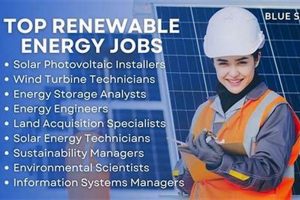
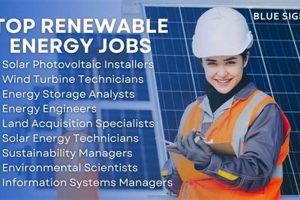
Entry-level positions within the renewable energy sector offer recent graduates opportunities to apply their academic knowledge in fields such as solar, wind, hydropower, geothermal, and biomass energy. These roles can encompass engineering, project management, research, data analysis, policy development, and sales, among others. For instance, a newly graduated engineer might find employment designing solar panel systems, while a graduate with a background in environmental science could contribute to research on sustainable biofuel production.
The increasing global focus on sustainable practices and reducing carbon emissions has led to significant growth in the renewable energy sector. This growth translates into a rising demand for skilled professionals, making these careers both promising and impactful. Careers in this field contribute directly to mitigating climate change and fostering a more sustainable future. Historically, the energy sector has relied heavily on fossil fuels. However, the shift towards renewables represents a fundamental transition, creating new career paths and opportunities for innovation.
The following sections will delve deeper into specific career paths within the renewable energy sector, providing a comprehensive overview of the skills required, potential salary expectations, and future job market projections.
Tips for Securing Entry-Level Renewable Energy Positions
Navigating the job market after graduation can be challenging. The following tips provide guidance specifically for those seeking opportunities in the renewable energy field.
Tip 1: Network Strategically: Industry events, conferences, and online platforms offer valuable networking opportunities. Engaging with professionals already working in renewable energy can provide insights, mentorship, and potential job leads. Attending webinars and joining professional organizations related to renewable energy specializations can also be beneficial.
Tip 2: Tailor Applications: Highlight relevant skills and experiences in each job application. Customize resumes and cover letters to demonstrate a genuine understanding of the specific role and company. Quantifying accomplishments, such as project outcomes or research contributions, can strengthen applications.
Tip 3: Develop In-Demand Skills: Proficiency in data analysis, modeling software, or specific programming languages relevant to the renewable energy sector can make candidates more competitive. Pursuing relevant certifications or completing online courses in areas like solar panel installation or wind turbine maintenance can also be advantageous.
Tip 4: Gain Practical Experience: Internships, research projects, or volunteer work within the renewable energy field provide valuable practical experience and demonstrate commitment to the industry. Even seemingly small contributions can make a significant difference in the eyes of potential employers.
Tip 5: Research the Sector Thoroughly: Understanding the different sub-sectors within renewable energy, such as solar, wind, or bioenergy, allows applicants to target their job search effectively. Staying informed about current industry trends, technological advancements, and policy developments demonstrates genuine interest and preparedness.
Tip 6: Showcase Passion and Commitment: Express genuine enthusiasm for sustainable solutions and the renewable energy sector. Clearly articulate how career aspirations align with the broader goals of environmental stewardship and a transition to cleaner energy sources.
By following these tips, recent graduates can significantly improve their prospects of securing a fulfilling and impactful career in the dynamic field of renewable energy. Preparation and strategic effort are key to success in this competitive job market.
The concluding section will offer additional resources and support for job seekers pursuing careers in renewable energy.
1. Entry-level Positions

Entry-level positions serve as a crucial bridge between academic preparation and professional practice within the renewable energy sector. These roles offer recent graduates the opportunity to apply theoretical knowledge gained through university programs to real-world challenges and projects. This practical experience is essential for career development, allowing individuals to hone technical skills, gain industry-specific knowledge, and build professional networks. For example, a recent graduate with a degree in environmental engineering might secure an entry-level position as a project assistant at a solar energy firm, gaining hands-on experience in project planning, site assessment, and system design. Similarly, a graduate with a background in data science could find an entry-level role analyzing energy consumption patterns for a wind energy company, developing valuable analytical skills relevant to the sector.
The availability of entry-level positions is a key indicator of the health and growth of the renewable energy job market. A robust pipeline of entry-level opportunities signals a sector actively investing in future talent and expanding its workforce. These positions not only benefit individual career trajectories but also contribute to the overall development and sustainability of the industry. Furthermore, the diversity of entry-level roles reflects the wide range of specializations within renewable energy, encompassing engineering, research, policy, finance, and communications. This diversity allows graduates from various academic backgrounds to find relevant entry points into the sector, fostering a dynamic and multidisciplinary workforce. For instance, the increasing demand for energy storage solutions creates entry-level opportunities for graduates specializing in battery technology or power electronics, further diversifying the field.
In conclusion, entry-level positions are indispensable for both individual career progression and the continued growth of the renewable energy sector. These roles provide essential practical experience, facilitate skill development, and contribute to the overall talent pool within the industry. The availability and diversity of entry-level opportunities reflect the dynamic nature of the renewable energy job market and its capacity to absorb and nurture emerging talent. Addressing the challenges of recruiting and retaining qualified individuals for entry-level positions is crucial for ensuring the long-term sustainability and success of the renewable energy sector. Further exploration of specific career paths within renewable energy can provide more detailed insights into the skills and qualifications required for different entry-level roles.
2. Sustainability Focus

A core tenet of graduate renewable energy jobs is a strong sustainability focus. This emphasis reflects the fundamental purpose of the sector: to transition towards cleaner energy sources and mitigate the environmental impact of energy production and consumption. Understanding the multifaceted nature of sustainability within this context is crucial for individuals pursuing careers in renewable energy.
- Environmental Impact Mitigation
Renewable energy jobs directly contribute to reducing greenhouse gas emissions, minimizing air and water pollution, and conserving natural resources. For example, a graduate working on a wind farm project actively participates in reducing reliance on fossil fuels and mitigating their associated environmental consequences. This focus on minimizing environmental harm is a driving force behind career choices within the sector.
- Resource Optimization
Careers in renewable energy often involve optimizing resource utilization, including efficient energy generation, distribution, and storage. A graduate working on smart grid technologies, for example, contributes to optimizing energy flow and reducing waste. This focus on resource efficiency aligns with the broader sustainability goal of minimizing resource depletion and maximizing their effective use.
- Social and Economic Equity
Sustainability also encompasses social and economic considerations. Renewable energy projects can create jobs in local communities, promote energy access in underserved areas, and foster economic development. A graduate working on a community solar project, for instance, contributes to both environmental sustainability and social equity. This broader perspective acknowledges the interconnectedness of environmental, social, and economic factors in achieving true sustainability.
- Long-Term Viability
Sustainability emphasizes long-term planning and the development of resilient energy systems. Graduates working in research and development of new renewable energy technologies contribute to the long-term viability of the sector. This focus on future-oriented solutions reflects the understanding that sustainability requires not only addressing current challenges but also anticipating and preparing for future needs.
These interconnected facets of sustainability underscore the comprehensive nature of careers in renewable energy. Graduates entering this field are not merely seeking employment; they are actively contributing to a global shift towards a more sustainable future. The emphasis on environmental stewardship, resource optimization, social equity, and long-term viability defines the core values and purpose driving the renewable energy sector and the individuals who choose to dedicate their careers to it. This commitment to sustainability is not merely a trend; it is the fundamental principle upon which the future of energy depends.
3. Specialized Skills

Specialized skills are essential for success in graduate renewable energy jobs. The complex and evolving nature of the renewable energy sector demands a workforce equipped with specific technical expertise and practical capabilities. This connection between specialized skills and career success is fundamental to understanding the dynamics of the renewable energy job market. The demand for specific skills is often driven by technological advancements, policy changes, and evolving market needs. For example, the increasing integration of smart grid technologies requires professionals with expertise in data analytics, cybersecurity, and power systems engineering. Similarly, the growing offshore wind industry creates demand for specialists in marine engineering, turbine installation, and environmental impact assessment. Possessing these specialized skills enables graduates to contribute effectively to specific projects, research initiatives, and operational tasks within the renewable energy sector.
The practical significance of specialized skills becomes evident when examining real-world examples. A graduate with expertise in photovoltaic systems design is well-positioned to contribute to the development and implementation of solar energy projects. Their specialized knowledge enables them to optimize system performance, ensure safety compliance, and contribute to cost-effective project delivery. In contrast, a graduate specializing in bioenergy can apply their skills to research and development of sustainable biofuels, contributing to advancements in alternative transportation fuels. The increasing demand for energy storage solutions necessitates specialized expertise in battery technologies, power electronics, and grid integration. These examples illustrate how specific skills translate into tangible contributions within various sub-sectors of the renewable energy industry. Acquiring and developing these specialized skills can enhance career prospects and open doors to diverse opportunities within the sector.
In conclusion, the connection between specialized skills and graduate renewable energy jobs is undeniable. The dynamic and evolving nature of the industry necessitates a workforce equipped with a diverse range of technical expertise. This demand for specialized skills drives educational programs, training initiatives, and professional development within the sector. Understanding this connection is crucial for individuals pursuing careers in renewable energy, enabling them to make informed decisions about educational pathways, skill development, and career choices. Addressing the skills gap within the renewable energy sector requires ongoing investment in education, training, and workforce development initiatives. This proactive approach is essential for ensuring that the sector has access to the talent pool necessary to drive innovation, meet growing energy demands, and achieve a sustainable energy future.
4. Career Growth Potential

Career growth potential represents a significant factor for graduates considering renewable energy jobs. The expanding renewable energy sector offers diverse opportunities for professional development and advancement, making it an attractive field for those seeking long-term career prospects. Understanding the various facets of career growth within this dynamic industry is crucial for informed decision-making.
- Specialization and Expertise
The renewable energy sector encompasses various specializations, such as solar photovoltaic systems, wind turbine technology, bioenergy, and energy storage solutions. Developing expertise in a particular area can lead to increased career growth potential. For instance, a graduate specializing in offshore wind farm engineering may progress to senior engineering roles, project management positions, or even specialized consultancy work. This specialization allows professionals to become highly sought-after experts in their respective fields, enhancing career advancement opportunities.
- Technological Advancements
The renewable energy sector is characterized by continuous technological innovation. Professionals who adapt to and embrace these advancements can experience significant career growth. For example, a graduate with expertise in smart grid technologies or artificial intelligence applications in renewable energy is likely to find increasing demand for their skills as the industry evolves. This adaptability to technological change positions individuals for leadership roles and specialized positions driving innovation within the sector.
- Management and Leadership Roles
As the renewable energy sector expands, so does the need for skilled managers and leaders. Graduates who demonstrate leadership potential and acquire relevant management experience can progress to supervisory and managerial roles overseeing projects, teams, or entire departments. For example, a project engineer with strong leadership skills could advance to a project manager position, overseeing the development and implementation of large-scale renewable energy projects. This career progression pathway offers opportunities for increased responsibility, influence, and earning potential.
- Entrepreneurial Ventures
The dynamic nature of the renewable energy sector creates opportunities for entrepreneurial ventures. Graduates with innovative ideas and entrepreneurial skills can establish their own companies specializing in niche areas within the industry. For example, a graduate with expertise in energy storage solutions could start a company focused on developing and deploying innovative battery storage technologies. This entrepreneurial path offers the potential for significant career growth, financial independence, and direct contribution to the advancement of renewable energy solutions.
These diverse career growth pathways highlight the dynamic and evolving nature of the renewable energy sector. The industry’s expansion, coupled with continuous technological innovation and increasing demand for specialized expertise, creates a fertile ground for professional development and career advancement. Graduates entering this field can expect a wide range of opportunities to enhance their skills, specialize in specific areas, and contribute to the global transition towards a sustainable energy future. Understanding these potential career trajectories empowers graduates to make informed decisions about their career paths and maximize their potential for growth and success within the renewable energy sector.
5. Global Impact

Graduate renewable energy jobs possess inherent global impact, extending beyond local or national boundaries. This impact stems from the interconnected nature of climate change, energy security, and sustainable development. Renewable energy technologies, by their very nature, address global challenges. Mitigating climate change, a global imperative, relies heavily on transitioning away from fossil fuels towards renewable energy sources. Graduates working in this sector, whether developing solar energy projects in developing nations or researching advanced biofuel technologies in industrialized countries, contribute directly to this global effort. Furthermore, enhancing energy security through diversified and sustainable energy sources reduces reliance on volatile global fossil fuel markets, contributing to greater geopolitical stability. This interconnectedness highlights the global significance of careers in renewable energy.
The practical significance of this global impact is evident in various contexts. For instance, graduates working on rural electrification projects using solar microgrids in sub-Saharan Africa contribute to both local economic development and global sustainability goals. By providing access to clean and reliable electricity, these projects empower communities, improve living standards, and reduce reliance on polluting energy sources like kerosene. Similarly, graduates researching advanced energy storage solutions contribute to the global transition towards a more resilient and sustainable energy system. These advancements facilitate greater integration of intermittent renewable sources like solar and wind power, enabling a shift away from fossil fuels on a global scale. These examples illustrate the tangible and far-reaching impact of careers in renewable energy.
In conclusion, the global impact of graduate renewable energy jobs is a defining characteristic of the sector. These careers offer opportunities to contribute directly to addressing pressing global challenges, from climate change mitigation to enhancing energy security and promoting sustainable development. This understanding of the global context within which renewable energy operates is crucial for individuals pursuing careers in this field. It underscores the significance of their contributions and highlights the potential for long-term, impactful careers dedicated to shaping a more sustainable future for all. Addressing the complex global challenges related to energy and sustainability requires collaborative efforts and a skilled workforce dedicated to developing and deploying renewable energy solutions worldwide. The global nature of this challenge reinforces the interconnectedness of the sector and the importance of international cooperation in achieving a sustainable energy future.
6. Technological Innovation
Technological innovation plays a crucial role in the evolution and expansion of graduate renewable energy jobs. Advancements in renewable energy technologies drive the creation of new job roles, reshape existing career paths, and necessitate specialized skills within the workforce. This continuous innovation cycle fuels the dynamic nature of the renewable energy sector and presents both opportunities and challenges for graduates entering the field.
- Efficiency Improvements
Research and development efforts focused on enhancing the efficiency of renewable energy technologies create new avenues for graduate involvement. For example, advancements in photovoltaic cell technology lead to higher energy conversion rates in solar panels, requiring specialized expertise in materials science, nanotechnology, and electrical engineering. These efficiency gains translate directly into increased cost-effectiveness and broader adoption of renewable energy solutions, driving job growth within the sector.
- Cost Reduction
Technological innovations often contribute to significant cost reductions in renewable energy technologies. Developing more efficient manufacturing processes for wind turbine blades, for instance, can reduce production costs and make wind energy more competitive with conventional energy sources. Graduates specializing in manufacturing engineering, supply chain management, and cost analysis play a crucial role in driving these cost reductions, making renewable energy more accessible and affordable.
- Grid Integration
Integrating renewable energy sources into existing power grids presents significant technical challenges. Technological innovations, such as smart grid technologies, advanced energy storage solutions, and grid management software, are essential for addressing these integration challenges. Graduates with expertise in power systems engineering, software development, and data analytics contribute to developing and implementing solutions for seamless grid integration of renewable energy, ensuring grid stability and reliability.
- New Applications
Technological advancements unlock new applications for renewable energy, creating diverse job opportunities. For example, the development of advanced biofuels opens doors for graduates specializing in chemical engineering, biotechnology, and agricultural science. Similarly, advancements in energy storage technologies create new career paths in battery technology, fuel cell development, and thermal energy storage. These expanding applications of renewable energy broaden the scope of the sector and generate diverse career opportunities for graduates with specialized skills.
These interconnected facets of technological innovation highlight the dynamic and evolving nature of graduate renewable energy jobs. Continuous advancements in renewable energy technologies drive the creation of new job roles, reshape existing career paths, and necessitate specialized skills within the workforce. Graduates entering the renewable energy sector must adapt to this constant innovation cycle, embrace lifelong learning, and develop specialized expertise to remain competitive in a rapidly changing job market. This emphasis on innovation ensures the continued growth and sustainability of the renewable energy sector, while providing graduates with challenging and rewarding career opportunities contributing to a global transition towards a cleaner energy future. Furthermore, the pace of technological change within the renewable energy sector necessitates ongoing investment in research, development, and education to ensure a skilled workforce capable of driving future innovation and meeting the evolving demands of the industry.
Frequently Asked Questions (FAQ)
This section addresses common inquiries regarding entry-level careers in the renewable energy sector. The responses provide concise yet comprehensive information for those exploring career options in this dynamic field.
Question 1: What academic backgrounds are suitable for renewable energy careers?
While engineering and environmental science degrees are common pathways, various academic backgrounds can lead to successful careers in this field. Relevant fields include chemistry, physics, computer science, economics, policy, and communications. The interdisciplinary nature of the sector values diverse skill sets.
Question 2: Are renewable energy jobs geographically limited?
While certain regions may have higher concentrations of renewable energy projects, the global nature of the industry presents opportunities worldwide. From rural electrification projects in developing countries to offshore wind farms in Europe, careers can span diverse geographical locations.
Question 3: What is the typical salary range for entry-level positions?
Entry-level salaries vary depending on factors such as specific role, location, company size, and educational qualifications. Competitive salaries are often comparable to those in other engineering or scientific fields, with potential for increases based on experience and specialization.
Question 4: What are the long-term career prospects in this sector?
The renewable energy sector is projected to experience significant growth in the coming decades, driven by increasing global demand for clean energy and efforts to mitigate climate change. This growth translates into promising long-term career prospects and opportunities for advancement.
Question 5: How can one gain practical experience relevant to the industry?
Internships, research projects, volunteer work, and participation in student competitions or clubs focused on renewable energy provide valuable practical experience. These opportunities allow individuals to apply classroom knowledge, develop essential skills, and build professional networks.
Question 6: What are the key skills employers seek in recent graduates?
Technical skills related to specific renewable energy technologies are essential. However, employers also value soft skills, such as communication, teamwork, problem-solving, and adaptability. A combination of technical expertise and strong interpersonal skills enhances employability in this dynamic field.
Securing a fulfilling career in renewable energy requires diligent research, strategic planning, and a commitment to continuous learning. The resources provided in the following section offer further guidance and support for individuals pursuing careers in this impactful sector.
The next section will offer a curated list of resources for further exploration of career opportunities and information related to the renewable energy sector.
Conclusion
Exploration of entry-level renewable energy career pathways reveals significant opportunities for graduates. The sector’s growth, driven by global sustainability imperatives, necessitates a skilled workforce. Specialized expertise, adaptability to technological advancements, and a commitment to environmental stewardship are crucial for success. Career growth potential within the renewable energy sector appears promising, with diverse roles spanning research, engineering, project management, and policy development. Addressing global challenges, from climate change mitigation to energy access, underscores the field’s significance.
The future of energy hinges on continued innovation and the dedication of skilled professionals. Pursuing careers in renewable energy represents not merely employment, but active participation in shaping a sustainable future. The transition towards cleaner energy sources requires sustained commitment, ongoing research, and collaborative efforts across disciplines. Graduates entering this dynamic field possess the potential to drive transformative change and contribute to a more sustainable world.