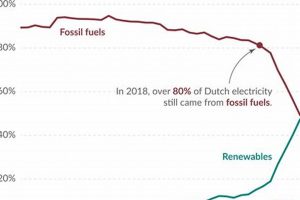
The Hoosier State’s power sector is undergoing a transformation as electricity generation shifts from traditional fossil fuels to sustainable sources like solar, wind, biomass, and hydropower. These sources offer a cleaner alternative, reducing reliance on finite resources and mitigating environmental impact. For instance, wind farms harnessing the state’s prairie winds are becoming increasingly common, supplementing the grid with clean electricity.
This shift toward cleaner power generation holds significant promise for Indiana’s future. A diversified energy portfolio enhances energy independence, creates new economic opportunities in manufacturing, installation, and maintenance, and improves public health outcomes by reducing air pollution. Historically, Indiana’s energy landscape has been dominated by coal, but growing awareness of climate change and advancements in renewable energy technologies are driving this important transition.
Further exploration of specific renewable energy technologies, their current status in Indiana, policy incentives driving their adoption, and future projections for the sector’s growth within the state will provide a more comprehensive understanding of this evolving landscape.
Tips for Supporting Sustainable Electricity Generation in Indiana
Promoting wider adoption of clean power sources requires a multifaceted approach involving individual actions, community initiatives, and policy advocacy. The following tips offer practical guidance for contributing to a more sustainable energy future in Indiana.
Tip 1: Explore Residential Solar Installations: Homeowners can assess the feasibility of rooftop solar panels to generate electricity on-site, reducing reliance on the traditional grid and potentially lowering energy bills. Net metering programs can further incentivize solar adoption by allowing excess generated electricity to be fed back into the grid for credit.
Tip 2: Support Community Solar Projects: Participating in community solar gardens allows residents who may not have suitable rooftops or sufficient resources for individual installations to benefit from shared solar energy generation.
Tip 3: Advocate for Favorable Renewable Energy Policies: Engaging with local and state representatives to support policies that incentivize renewable energy development, such as tax credits, renewable portfolio standards, and streamlined permitting processes, is crucial for fostering growth in the sector.
Tip 4: Invest in Renewable Energy Companies: Consider investing in publicly traded companies specializing in renewable energy technologies or projects within Indiana to directly support the industry’s expansion.
Tip 5: Reduce Energy Consumption: Implementing energy efficiency measures at home and in the workplace, such as using energy-efficient appliances, improving insulation, and adopting smart home technologies, reduces overall electricity demand, lessening the burden on both traditional and renewable energy sources.
Tip 6: Educate and Engage: Staying informed about advancements in renewable energy technologies and sharing that knowledge within communities can help raise awareness and encourage broader adoption of sustainable practices.
Tip 7: Support Businesses Committed to Sustainability: Choosing to patronize businesses that prioritize renewable energy use and sustainable practices sends a strong market signal encouraging further adoption of clean power solutions.
By implementing these tips, residents can contribute to a cleaner energy future, supporting economic growth and environmental stewardship within Indiana. Collective action is essential for achieving a meaningful transition to a more sustainable energy landscape.
These efforts, coupled with ongoing technological advancements and supportive policies, will shape the future of power generation in Indiana and contribute to a more resilient and sustainable energy system.
1. Solar Power

Solar power represents a significant component of Indiana’s renewable energy portfolio, offering a clean and increasingly cost-competitive alternative to traditional fossil fuels. Harnessing sunlight through photovoltaic (PV) panels and concentrating solar power (CSP) systems provides opportunities for both distributed generation and utility-scale projects, contributing to a more diversified and sustainable energy landscape within the state.
- Residential Solar Installations
Rooftop solar installations empower homeowners to generate electricity on-site, reducing reliance on the grid and potentially lowering energy bills. Net metering programs, which allow excess generated electricity to be fed back into the grid for credit, further incentivize residential solar adoption. The increasing affordability and efficiency of solar panels contribute to their growing popularity in Indiana.
- Utility-Scale Solar Farms
Large-scale solar farms, often situated on open land, generate substantial amounts of clean electricity for distribution across the grid. These projects contribute significantly to Indiana’s renewable energy capacity, creating jobs in construction, operation, and maintenance while reducing the state’s carbon footprint. Continued investment in utility-scale solar projects is crucial for meeting renewable energy targets.
- Community Solar Projects
Community solar gardens offer access to solar energy for residents who may not have suitable rooftops or sufficient resources for individual installations. Subscribers benefit from shared solar energy generation, receiving credits on their electricity bills based on their share of the project’s output. Community solar fosters broader participation in the renewable energy transition.
- Policy and Regulatory Landscape
State and local policies, including tax incentives, renewable portfolio standards (RPS), and interconnection regulations, play a crucial role in shaping the growth of solar power in Indiana. Streamlined permitting processes and supportive policies can accelerate solar adoption, driving economic development and contributing to a cleaner energy future. Ongoing policy discussions are essential for maximizing the potential of solar energy within the state.
The continued development and integration of solar power within Indiana’s energy mix are essential for achieving a sustainable and resilient electricity grid. Coupled with other renewable energy sources and grid modernization efforts, solar power contributes significantly to reducing greenhouse gas emissions, diversifying the energy portfolio, and fostering economic growth within the state.
2. Wind Energy

Wind energy plays a crucial role in Indiana’s renewable energy landscape, offering a clean and abundant source of power. The state’s central location within the Midwest’s wind belt provides favorable conditions for harnessing wind power through utility-scale wind farms. These installations consist of multiple wind turbines strategically placed to capture prevailing winds and convert their kinetic energy into electricity. This generated power is then fed into the electrical grid, supplementing traditional power sources and reducing reliance on fossil fuels. The increasing capacity of wind turbines and advancements in wind farm technology contribute to the growing significance of wind energy in Indiana’s energy mix. For example, the Fowler Ridge Wind Farm, one of the largest onshore wind farms in the United States, located in Benton County, Indiana, demonstrates the state’s potential for large-scale wind power generation.
The growth of wind energy in Indiana offers several benefits, including economic development through job creation in manufacturing, construction, operation, and maintenance of wind farms. Furthermore, wind energy provides a stable source of revenue for landowners leasing land for turbine placement. Environmentally, wind power contributes significantly to reducing greenhouse gas emissions and mitigating air pollution, aligning with state and national goals for a cleaner energy future. However, challenges remain, such as the intermittent nature of wind resources and potential impacts on wildlife and landscapes. Addressing these challenges through careful siting, technological advancements, and environmental impact assessments ensures the responsible development of wind energy projects.
Continued investment in wind energy infrastructure and supportive policies are essential for maximizing the potential of this valuable resource within Indiana. Integrating wind power with other renewable sources and grid modernization efforts creates a more diversified and resilient energy system, reducing reliance on finite fossil fuels and contributing to a more sustainable future for the state. The ongoing development and expansion of wind farms across Indiana highlight the state’s commitment to clean energy and its potential to become a leader in wind power generation.
3. Biomass Utilization

Biomass utilization represents a significant pathway within Indiana’s renewable energy landscape, offering a sustainable alternative to fossil fuels. This process involves converting organic matter, such as agricultural residues, wood waste, and dedicated energy crops, into usable energy. Several methods exist for harnessing biomass energy, including direct combustion for heat and electricity generation, anaerobic digestion to produce biogas, and conversion to biofuels for transportation. The availability of substantial agricultural and forestry resources within Indiana positions biomass as a readily accessible and renewable energy source. For example, agricultural residues like corn stover and wheat straw, typically left in fields after harvest, can be collected and processed into biofuels or used in biomass power plants. This reduces reliance on fossil fuels while also providing additional revenue streams for farmers.
The integration of biomass utilization into Indiana’s renewable energy portfolio offers several advantages. It reduces greenhouse gas emissions compared to fossil fuel combustion, contributing to a cleaner environment. Furthermore, it supports rural economies by creating jobs in biomass processing and transportation. Biomass energy also enhances energy independence by utilizing locally available resources, reducing reliance on external energy sources. However, challenges remain, such as the efficient collection and transportation of biomass feedstocks and the potential for air pollution if not properly managed. Technological advancements in biomass conversion processes and sustainable harvesting practices are crucial for maximizing the benefits and minimizing potential drawbacks.
The continued development and optimization of biomass utilization strategies are crucial for achieving a diversified and sustainable energy system in Indiana. Integrating biomass energy with other renewable sources and implementing supportive policies can further enhance its contribution to the state’s clean energy goals. Addressing the logistical and environmental challenges associated with biomass utilization through research and innovation will unlock its full potential as a valuable component of Indiana’s renewable energy future.
4. Hydroelectric Generation
Hydroelectric generation, while not as prominent as other renewable sources in Indiana, still contributes to the state’s diverse energy portfolio. Leveraging the power of moving water to generate electricity, hydroelectric facilities offer a clean and sustainable energy option. Though geographically limited by the availability of suitable rivers and streams, existing hydroelectric infrastructure and the potential for further development warrant exploration within the broader context of Indiana’s renewable energy landscape. Understanding the current status, challenges, and future prospects of hydroelectric generation is crucial for evaluating its contribution to the state’s overall energy strategy.
- Existing Hydroelectric Facilities
Several hydroelectric power plants currently operate in Indiana, primarily along the Ohio River and its tributaries. These facilities utilize dams and reservoirs to control water flow and generate electricity. For instance, the Cagles Mill Dam, located near Cloverdale, Indiana, provides flood control and hydroelectric power generation. These existing facilities represent a valuable source of clean energy, although their capacity is relatively small compared to other renewable sources.
- Potential for Expansion and New Development
While large-scale hydroelectric projects are limited by suitable geographic locations, the potential exists for expanding existing facilities and exploring new small-scale hydroelectric opportunities. Run-of-river hydroelectric systems, which generate electricity from the natural flow of rivers without requiring large dams, represent a promising avenue for future development. Assessing the environmental impacts and economic feasibility of such projects is crucial for responsible expansion.
- Environmental Considerations and Impacts
Hydroelectric generation, while considered a clean energy source, can have environmental impacts on aquatic ecosystems. Altering river flows and creating reservoirs can affect fish migration, water quality, and riparian habitats. Careful environmental impact assessments and mitigation strategies are essential for minimizing these impacts and ensuring the sustainable development of hydroelectric projects.
- Integration into the Broader Energy Mix
Hydroelectric generation complements other renewable sources within Indiana’s energy portfolio. While its contribution may be smaller than solar or wind power, the reliability and consistent output of hydroelectric facilities provide valuable grid stability. Integrating hydroelectric power with other renewable sources and grid modernization efforts creates a more resilient and sustainable energy system.
Though geographically constrained, hydroelectric generation provides a valuable, albeit smaller, component of Indiana’s renewable energy landscape. Maximizing the existing infrastructure, exploring new opportunities for small-scale hydropower development, and carefully managing potential environmental impacts are crucial for fully realizing the contribution of hydroelectric power to the state’s sustainable energy future. By integrating hydroelectric generation into a broader strategy encompassing other renewable sources and grid modernization, Indiana can further diversify its energy portfolio and enhance its transition towards a cleaner and more sustainable energy system.
5. Policy Incentives
Policy incentives play a crucial role in shaping the development and adoption of renewable energy technologies within Indiana. These incentives, implemented at both the state and federal levels, aim to stimulate investment in renewable energy projects, accelerate their deployment, and foster a transition towards a more sustainable energy landscape. Several key policy mechanisms influence the growth of renewable energy within the state. For instance, the federal Investment Tax Credit (ITC) offers a significant tax credit for investments in solar and other renewable energy projects, reducing the upfront costs and making these technologies more financially attractive. Similarly, Indiana’s net metering policy allows homeowners and businesses generating electricity from renewable sources to sell excess power back to the grid, further incentivizing distributed generation.
Renewable Portfolio Standards (RPS), which mandate a certain percentage of electricity generation from renewable sources, create a market demand for renewable energy and drive investment in new projects. State and local tax incentives, grants, and rebates further reduce the financial barriers to adopting renewable energy technologies. The availability of these incentives significantly impacts the economic viability of renewable energy projects and influences investment decisions within the sector. For example, Indiana’s declining coal industry has created opportunities for repurposing former coal-fired power plant sites for renewable energy projects, often supported by government incentives and community revitalization programs. The success of these initiatives highlights the synergistic potential of policy incentives and economic development within the renewable energy sector.
Understanding the complexities and interactions of various policy incentives is crucial for stakeholders within Indiana’s renewable energy landscape. The effectiveness of these policies in driving renewable energy adoption depends on factors such as their design, implementation, and long-term stability. Ongoing evaluation and adaptation of policy mechanisms are essential to address emerging challenges, accommodate technological advancements, and ensure the continued growth and sustainability of the renewable energy sector within Indiana. The careful calibration of policy incentives with market forces and technological innovation will play a decisive role in shaping Indiana’s energy future and achieving its clean energy goals.
6. Grid Modernization

Grid modernization is essential for the effective integration and utilization of renewable energy resources within Indiana. The state’s existing grid infrastructure, primarily designed for centralized power generation from fossil fuel plants, requires significant upgrades to accommodate the decentralized and intermittent nature of renewable sources like solar and wind. Modernizing the grid involves implementing advanced technologies and control systems to enhance its flexibility, reliability, and efficiency. For example, smart grid technologies, including advanced metering infrastructure (AMI) and distribution automation, enable real-time monitoring and control of power flow, optimizing the integration of variable renewable energy generation. Investments in grid infrastructure, such as upgrading transmission lines and substations, are crucial for transporting renewable energy from generation sites to consumers across the state. The Northern Indiana Public Service Company’s (NIPSCO) efforts to modernize its grid infrastructure, incorporating smart grid technologies and expanding transmission capacity, demonstrate a real-world example of this transition. This modernization facilitates increased integration of renewable energy sources into their service area.
Furthermore, grid modernization enhances grid resilience and reliability by improving its ability to withstand and recover from disruptions. Advanced grid technologies enable faster identification and isolation of faults, minimizing the impact of outages. Distributed generation from renewable sources, coupled with energy storage solutions, can provide backup power during grid disturbances, enhancing energy security. The increasing penetration of rooftop solar installations in Indiana, coupled with battery storage systems, illustrates this distributed generation model and its contribution to grid resilience. Modernizing the grid also creates opportunities for greater consumer participation in the energy market. Demand response programs, enabled by smart grid technologies, allow consumers to adjust their energy consumption in response to grid conditions or price signals, further optimizing grid operations and reducing peak demand.
The modernization of Indiana’s electricity grid is not merely a technical upgrade but a fundamental requirement for realizing the full potential of renewable energy. It creates a more flexible, reliable, and efficient energy system capable of accommodating the growing contribution of renewable resources. Addressing the challenges associated with grid modernization, such as cybersecurity threats and the need for significant infrastructure investments, is crucial for ensuring a smooth transition towards a sustainable energy future. Continued investment in grid modernization, coupled with supportive policies and technological advancements, will be essential for maximizing the benefits of renewable energy, enhancing grid resilience, and creating a cleaner and more sustainable energy system for Indiana.
Frequently Asked Questions about Renewable Energy in Indiana
This section addresses common inquiries regarding the development and utilization of renewable energy resources within Indiana, providing concise and informative responses.
Question 1: What are the primary renewable energy sources being utilized in Indiana?
Indiana primarily utilizes solar, wind, biomass, and hydroelectric power for renewable energy generation. While solar and wind power represent the fastest-growing sectors, biomass and hydroelectric resources also contribute to the state’s diversified energy portfolio.
Question 2: How do government policies and incentives support renewable energy development in Indiana?
Federal and state policies, including tax credits, net metering programs, and Renewable Portfolio Standards (RPS), incentivize renewable energy investments. These policies create a favorable market environment for renewable energy projects, encouraging private sector investment and accelerating their deployment.
Question 3: What is the role of grid modernization in integrating renewable energy sources?
Grid modernization is essential for efficiently integrating variable renewable energy sources like solar and wind. Upgrading grid infrastructure and implementing smart grid technologies enhance grid flexibility, reliability, and resilience, enabling seamless integration of renewable energy resources.
Question 4: How does renewable energy impact Indiana’s economy and job market?
The renewable energy sector creates jobs in manufacturing, installation, maintenance, and operation of renewable energy facilities. Furthermore, it stimulates economic activity within related industries, contributing to overall economic growth and diversification.
Question 5: What are the environmental benefits of transitioning to renewable energy in Indiana?
Transitioning to renewable energy sources reduces greenhouse gas emissions, mitigates air pollution, and decreases reliance on finite fossil fuels. This contributes to a cleaner and healthier environment, improving public health outcomes and mitigating the effects of climate change.
Question 6: How can individuals and communities support renewable energy initiatives in Indiana?
Individuals and communities can support renewable energy by exploring residential solar installations, participating in community solar projects, advocating for supportive policies, and making conscious choices to reduce energy consumption and support businesses committed to sustainability.
Understanding these fundamental aspects of renewable energy in Indiana empowers informed decision-making and fosters broader participation in the ongoing transition towards a more sustainable energy future.
For further information and resources regarding renewable energy initiatives and opportunities within Indiana, please consult the Indiana Office of Energy Development (IOED) and the Indiana Department of Environmental Management (IDEM).
Indiana Renewable Energy
This exploration of Indiana’s renewable energy landscape has highlighted the growing importance of sustainable power generation within the state. From harnessing wind and solar resources to utilizing biomass and exploring the potential of hydroelectric power, Indiana’s energy portfolio is diversifying, driven by technological advancements, supportive policies, and growing public awareness of environmental stewardship. Grid modernization efforts are crucial for seamlessly integrating these renewable sources, ensuring a reliable and resilient energy infrastructure for the future. The economic benefits of this transition, including job creation and investment opportunities, further underscore the value of embracing sustainable energy solutions.
The continued development and implementation of renewable energy technologies represent a critical pathway toward a more sustainable future for Indiana. Embracing these opportunities will not only reduce the state’s reliance on finite resources and mitigate environmental impact but also foster economic growth and enhance energy independence. The transition to a cleaner energy future requires ongoing collaboration between government, industry, and communities, ensuring that Indiana remains at the forefront of renewable energy innovation and secures a sustainable energy landscape for generations to come.