Financial transactions (financing, investment, trading, etc.) related to sustainable energy sources like solar, wind, hydro, geothermal, and biomass power are crucial for expanding these sectors. For instance, project finance facilitates the development of large-scale wind farms, while green bonds offer investors opportunities to support environmentally friendly initiatives. This intersection of finance and sustainable power generation is essential for transitioning towards a lower-carbon future.
The increasing capital flow towards these sustainable energy sources drives innovation, reduces reliance on fossil fuels, and contributes to mitigating climate change. Historically, funding for such projects has faced challenges due to perceived risks and longer payback periods. However, growing awareness of climate change, supportive government policies, and improving technology have made these investments increasingly attractive. This shift has spurred substantial growth in the sector, creating economic opportunities and contributing to energy security.
This article will further explore the key mechanisms driving investments in sustainable power generation, analyzing market trends, policy frameworks, and technological advancements shaping the future of the energy landscape. It will also discuss the challenges and opportunities presented by this rapidly evolving field.
Tips for Engaging with Sustainable Energy Finance
Navigating the complexities of sustainable energy finance requires careful consideration of various factors. The following tips provide guidance for successful engagement in this evolving sector.
Tip 1: Diversify investments across different renewable energy technologies. Don’t put all resources into a single technology. A balanced portfolio mitigates technology-specific risks and capitalizes on varied market opportunities across solar, wind, hydro, and other emerging technologies.
Tip 2: Thoroughly assess project viability and risk factors. Due diligence is crucial. Evaluate the project’s financial model, regulatory landscape, potential environmental impact, and management team expertise before committing capital.
Tip 3: Understand the policy landscape and its potential impact. Government incentives, subsidies, and carbon pricing mechanisms can significantly affect project returns. Stay informed about policy changes and their potential consequences.
Tip 4: Consider long-term investment horizons. Renewable energy projects often require significant upfront investment and have longer payback periods compared to traditional energy projects. A long-term perspective is essential for realizing the full potential of these investments.
Tip 5: Partner with experienced developers and financial institutions. Collaborating with established players provides access to expertise, resources, and networks crucial for successful project execution and risk management.
Tip 6: Explore innovative financing mechanisms. Consider green bonds, tax equity investments, and project finance structures to optimize capital deployment and potentially enhance returns.
Tip 7: Monitor technological advancements and market trends. The renewable energy sector is constantly evolving. Staying informed about the latest innovations and market dynamics is essential for making informed investment decisions.
By carefully considering these tips, stakeholders can make more informed decisions, mitigate risks, and contribute to the growth of the sustainable energy sector.
These considerations pave the way for a more in-depth exploration of specific investment opportunities and the overall landscape of sustainable energy finance, which will be addressed in the following sections.
1. Investment

Investment plays a critical role in the expansion and maturation of the renewable energy sector. Capital infusions are essential for research and development, technological advancements, project development, and infrastructure buildout. Investment can take various forms, including venture capital for early-stage technologies, private equity for larger projects, and public market investments in established renewable energy companies. For example, venture capital funding has been instrumental in developing innovative solar panel technologies, while project finance facilitates the construction of large-scale wind farms. The scale and direction of investment significantly influence the pace of technological innovation and deployment within the renewable energy landscape. Without substantial investment, the transition to a sustainable energy future would be significantly hampered.
The cause-and-effect relationship between investment and renewable energy deployment is clear. Increased investment accelerates the development and deployment of renewable energy technologies, driving down costs and making them more competitive with traditional energy sources. This, in turn, attracts further investment, creating a positive feedback loop. A practical example of this can be seen in the solar photovoltaic industry, where significant investments have led to dramatic cost reductions and widespread adoption. Conversely, underinvestment can stifle innovation and hinder the sector’s growth. Understanding this dynamic is crucial for policymakers, investors, and other stakeholders seeking to accelerate the transition to a cleaner energy system.
In summary, investment is not merely a component of renewable energy finance; it is a fundamental driver of the entire sector. The strategic allocation of capital is essential for fostering innovation, scaling up deployment, and achieving a sustainable energy future. While challenges remain, such as accurately assessing risks and ensuring equitable access to funding, the continued flow of investment into renewable energy is crucial for mitigating climate change and ensuring long-term energy security. This understanding underscores the need for policies and market mechanisms that incentivize and de-risk investment in the sector.
2. Financing

Financing constitutes a critical pillar within the framework of financial transactions in renewable energy. It encompasses diverse mechanisms for securing capital required to develop, construct, and operate renewable energy projects. These mechanisms include traditional bank loans, specialized green loans, debt financing through bond issuances, and innovative structures like project finance. Project finance, for instance, leverages the projected future cash flows of a project to secure funding, thereby mitigating risks for individual investors. The availability and terms of financing directly impact the feasibility and scale of renewable energy deployments. For example, favorable financing conditions, such as low interest rates and extended loan tenors, can significantly reduce the overall cost of renewable energy projects, making them more competitive with conventional energy sources. Conversely, limited access to financing or stringent lending criteria can impede the progress of renewable energy development.
The cause-and-effect relationship between financing and renewable energy deployment is undeniable. Increased access to affordable financing accelerates the deployment of renewable energy projects. This, in turn, stimulates market growth, attracts further investment, and drives down technology costs through economies of scale. A practical illustration of this dynamic is the growth of the offshore wind industry, facilitated by government-backed loan guarantees and innovative financing structures. Conversely, insufficient or costly financing can create a bottleneck, hindering the transition towards a sustainable energy future. Financing challenges are particularly acute in developing economies where access to capital and suitable financial instruments may be limited. Addressing these challenges requires innovative financial solutions tailored to the specific needs and risks of renewable energy projects in diverse markets. These solutions may include blended finance instruments combining public and private funds, risk mitigation mechanisms like guarantees, and capacity building initiatives for local financial institutions.
In conclusion, financing is not merely a component of renewable energy transactions; it is a crucial catalyst for the growth and success of the entire sector. Securing adequate and cost-effective financing is paramount for project developers, technology innovators, and ultimately, for achieving global climate goals. The continued development of innovative financing solutions and supportive policy frameworks will remain essential for unlocking the full potential of renewable energy and ensuring a sustainable energy future. The complexities and challenges within the financing landscape warrant ongoing attention and collaboration among stakeholders, including governments, financial institutions, and project developers.
3. Green Bonds

Green bonds represent a crucial instrument within the broader landscape of financial transactions related to renewable energy. These fixed-income securities specifically earmark proceeds for investments in renewable energy projects and other environmentally sustainable initiatives. This dedicated funding stream facilitates the development and deployment of renewable energy technologies, contributing significantly to the transition towards a lower-carbon economy. The issuance of green bonds channels capital from investors seeking both financial returns and positive environmental impact, thus aligning financial incentives with sustainability objectives. For example, a municipality might issue green bonds to finance the construction of a solar power plant, or a corporation might use green bond proceeds to invest in wind energy development. The growing demand for green bonds reflects increasing investor awareness of climate change and the desire to support sustainable investments. This demand, in turn, creates a positive feedback loop, encouraging further issuance and driving down the cost of capital for renewable energy projects. The cause-and-effect relationship between green bond issuance and renewable energy deployment is clear: increased issuance translates directly into greater funding availability for renewable energy projects, accelerating their development and market penetration.
The practical significance of understanding the role of green bonds within renewable energy finance cannot be overstated. Green bonds offer a transparent and verifiable mechanism for investors to support sustainable development. The Climate Bonds Initiative, for example, provides standards and certifications for green bonds, ensuring that proceeds are indeed allocated to eligible green projects. This transparency enhances investor confidence and contributes to the integrity of the green bond market. Furthermore, the growth of the green bond market has spurred innovation in financial structuring, leading to the development of new instruments such as green securitizations and sustainability-linked bonds. These innovations further expand the range of financing options available for renewable energy projects, catering to diverse investor needs and risk appetites. Analyzing the performance of green bonds compared to traditional bonds provides valuable insights into the financial viability and market attractiveness of renewable energy investments.
In summary, green bonds are not merely a niche financing tool; they are a central component of the broader renewable energy finance ecosystem. Their growth reflects a fundamental shift in investor priorities towards sustainability and provides a vital source of capital for accelerating the transition to a low-carbon economy. While challenges remain, such as standardization and ensuring project impact, the continued development and expansion of the green bond market are essential for achieving global climate goals and fostering a sustainable energy future. The integration of green bonds within broader investment portfolios and national sustainable finance strategies is crucial for maximizing their impact and driving systemic change within the financial sector.
4. Project Finance

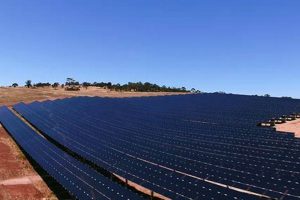
Project finance plays a crucial role in financing renewable energy projects, representing a specialized method of funding large-scale infrastructure projects, including wind farms, solar installations, and hydroelectric plants. Its structure relies primarily on the projected cash flows of the project rather than the balance sheets of the project sponsors, making it particularly relevant for capital-intensive renewable energy ventures. This approach allows for greater leverage and risk allocation, facilitating the development of projects that might otherwise struggle to secure traditional financing.
- Non-Recourse or Limited Recourse Financing
A defining characteristic of project finance is its non-recourse or limited recourse nature. This means the lenders primarily rely on the project’s assets and revenue streams for repayment, limiting their recourse to the project sponsors’ other assets. This structure incentivizes thorough due diligence and robust risk assessment during the project development phase, contributing to more sustainable and financially sound renewable energy projects. For example, in a wind farm project, the lenders’ primary security would be the wind turbines, land lease, and the electricity sales agreements. If the project underperforms, the lenders’ recovery is limited to the project’s assets, making thorough feasibility studies and revenue projections crucial.
- Special Purpose Vehicles (SPVs)
Project finance transactions typically involve the creation of a Special Purpose Vehicle (SPV), a legally separate entity responsible for developing, owning, and operating the renewable energy project. This structure isolates the project’s risks and liabilities from the sponsors’ balance sheets, enhancing the project’s financial viability and attracting a wider range of investors. For example, a group of investors developing a solar park might create an SPV solely responsible for the solar park’s finances, operations, and liabilities, separating it from their other business ventures. This isolation simplifies financing and risk management.
- Long-Term Contracts and Off-take Agreements
The long-term and often fixed-price nature of power purchase agreements (PPAs) in renewable energy projects provides predictable revenue streams, crucial for securing project finance. These PPAs, often signed with utilities or corporate buyers, guarantee the sale of generated electricity at a predetermined price for an extended period, typically 15-20 years. This revenue stability is a key factor in attracting lenders and investors. For instance, a solar project might sign a PPA with a local utility, guaranteeing a fixed price for the electricity generated over 20 years, providing the stable revenue stream needed to secure project financing.
- Risk Allocation and Mitigation
Project finance emphasizes meticulous risk assessment and allocation among various stakeholders. Risks associated with renewable energy projects, such as construction delays, technology performance, and regulatory changes, are carefully analyzed and allocated to the parties best equipped to manage them. This might involve performance guarantees from technology providers, insurance policies covering specific risks, or government guarantees mitigating political or regulatory risks. For example, a geothermal project might require performance guarantees from the drilling company to mitigate the risk of inadequate steam production, enhancing the project’s bankability.
These facets of project finance, when effectively implemented, contribute significantly to mobilizing investment and mitigating risks in the renewable energy sector. By aligning the interests of various stakeholders and providing a structured approach to financing large-scale projects, project finance plays a vital role in accelerating the global transition towards sustainable energy sources and a lower-carbon future. The continued evolution and adaptation of project finance structures will remain crucial for addressing the specific challenges and opportunities presented by different renewable energy technologies and market contexts.
5. Tax Equity
Tax equity financing represents a crucial component within the financial transactions landscape of renewable energy. It provides a mechanism for renewable energy projects to leverage tax benefits, such as tax credits and accelerated depreciation, which are often unavailable to them directly due to insufficient tax liability. Investors with substantial tax liabilities can invest in these projects, effectively purchasing the tax benefits and providing capital in return. This intricate interplay of tax incentives and private investment significantly reduces the cost of renewable energy, accelerating its deployment and market competitiveness. Understanding the complexities of tax equity is essential for comprehending the financial drivers of the renewable energy sector.
- Investment Tax Credit (ITC) and Production Tax Credit (PTC)
The Investment Tax Credit (ITC) and Production Tax Credit (PTC) are two primary federal tax incentives driving tax equity investments in renewable energy in the United States. The ITC offers a tax credit based on the project’s capital cost, while the PTC provides a per-kilowatt-hour credit based on electricity generation. These credits significantly reduce the overall project cost, making renewable energy more financially attractive. For example, a solar project developer can monetize the ITC by partnering with a tax equity investor, reducing the need for debt financing and lowering the project’s overall cost of capital. The availability and structure of these credits significantly influence investment decisions and the financial viability of renewable energy projects.
- Partnership Flip Structures
Partnership flip structures are a common mechanism used in tax equity transactions. In a typical flip structure, the tax equity investor initially holds a majority ownership stake in the project, allowing them to claim the majority of the tax benefits. After a certain period or when the investor has received a predetermined return, the ownership “flips,” and the project developer gains majority control. This structure allows the developer to eventually benefit from the project’s cash flows while providing the tax equity investor with a targeted return and the desired tax benefits. For instance, a wind farm might utilize a flip structure where the tax equity investor holds a 99% stake initially, receiving the majority of the PTCs. After a few years, ownership flips, and the developer gains control, benefiting from the long-term cash flows generated by the wind farm. This structure balances the interests of both parties involved.
- Due Diligence and Risk Assessment
Thorough due diligence and comprehensive risk assessment are essential aspects of tax equity transactions. Investors must carefully evaluate the technical, financial, and legal aspects of the project to ensure its viability and the likelihood of generating the projected tax benefits. Factors considered include the technology’s reliability, the project’s financial model, the PPA’s terms, and the regulatory environment. For example, a tax equity investor considering investment in a geothermal power plant would thoroughly analyze the geological data, power plant design, and electricity offtake agreements before committing capital. This careful evaluation ensures the project’s long-term viability and protects the investor’s interests.
- Impact on Renewable Energy Deployment
Tax equity financing has played a critical role in accelerating the deployment of renewable energy technologies in many countries, particularly in the United States. By lowering the cost of capital and mitigating financial risks, tax equity incentivizes investment in renewable energy projects and fosters market growth. The significant growth of the solar and wind industries in the U.S. can be partly attributed to the availability of tax equity financing. Policy stability and clarity regarding tax incentives are crucial for maintaining investor confidence and ensuring the continued flow of tax equity capital into the renewable energy sector. Uncertainty surrounding tax policy can create investment hesitancy and hinder the sector’s growth.
These facets of tax equity financing illustrate its importance in the renewable energy landscape. By understanding the interplay of tax incentives, investment structures, and risk assessment, stakeholders can more effectively navigate the complexities of renewable energy finance and contribute to the continued growth of the sector. The ongoing evolution of tax policies and financing mechanisms underscores the need for continuous adaptation and innovation within the renewable energy finance ecosystem. Furthermore, exploring international comparisons of tax equity models and their effectiveness in driving renewable energy deployment can provide valuable insights for policymakers and investors alike.
6. Carbon Trading

Carbon trading mechanisms, also known as emissions trading systems (ETS), represent a crucial link between financial transactions and renewable energy deployment. These market-based systems establish a price on greenhouse gas emissions, creating financial incentives for reducing emissions and transitioning to cleaner energy sources. Companies exceeding their allocated emission allowances can purchase allowances from those operating below their limits, creating a financial incentive for investing in renewable energy projects. This interplay between carbon pricing and investment decisions forms a critical component of the broader landscape of renewable energy finance. The effectiveness of carbon trading in driving renewable energy investment depends on various factors, including the stringency of emission caps, the market price of carbon, and the availability of cost-competitive renewable energy technologies. For example, the European Union Emissions Trading System (EU ETS) has demonstrated the potential of carbon trading to drive emissions reductions and stimulate investment in renewable energy, although challenges remain in terms of price volatility and ensuring equitable distribution of costs and benefits.
The cause-and-effect relationship between carbon trading and renewable energy investment is complex and multifaceted. A robust carbon price signal can make renewable energy projects more financially attractive compared to fossil fuel-based alternatives. This, in turn, can stimulate investment in renewable energy technologies, accelerate their deployment, and drive down costs through economies of scale. Conversely, a weak or volatile carbon price can undermine investor confidence and hinder the transition to renewable energy. Real-world examples, such as the Regional Greenhouse Gas Initiative (RGGI) in the Northeastern United States, demonstrate how carbon trading can generate revenue for reinvestment in energy efficiency and renewable energy programs, further accelerating the transition to a low-carbon economy. However, the practical implementation of carbon trading systems requires careful consideration of various design elements, including the allocation of emission allowances, the treatment of offsets, and the potential for leakage effects where emissions shift to regions with less stringent regulations. Analyzing the performance of different carbon trading systems and their impact on renewable energy investment provides valuable insights for policymakers seeking to design effective climate mitigation policies.
In summary, carbon trading represents a crucial policy instrument for linking financial markets with renewable energy deployment. While not a panacea, well-designed carbon trading systems can create powerful financial incentives for reducing emissions and transitioning to cleaner energy sources. The ongoing development and refinement of carbon trading mechanisms, including the exploration of hybrid approaches combining carbon pricing with other policy instruments, are essential for achieving global climate goals and fostering a sustainable energy future. Furthermore, the integration of carbon markets across different jurisdictions and sectors could enhance market efficiency and create a more unified global approach to carbon pricing, further accelerating the transition to a low-carbon economy.
Frequently Asked Questions about Renewable Energy Finance
This section addresses common inquiries regarding the financial aspects of renewable energy, aiming to provide clarity and promote informed decision-making.
Question 1: What are the primary risks associated with investing in renewable energy projects?
Renewable energy investments, while offering significant potential, carry inherent risks. These include regulatory changes, technology underperformance, resource variability (e.g., wind and solar), grid connection challenges, and market fluctuations impacting electricity prices. Thorough due diligence and risk mitigation strategies are essential.
Question 2: How do government policies and incentives influence renewable energy investments?
Government policies, such as feed-in tariffs, tax credits, renewable portfolio standards, and carbon pricing mechanisms, significantly influence the financial viability and attractiveness of renewable energy projects. Supportive policies can de-risk investments and accelerate market growth, while policy uncertainty can create investment hesitancy.
Question 3: What are the key differences between investing in utility-scale renewable energy projects versus distributed generation projects (e.g., rooftop solar)?
Utility-scale projects involve large-scale generation and grid integration, often requiring substantial upfront investment and complex permitting processes. Distributed generation projects are smaller, localized installations, often involving different financing models and customer engagement strategies. Each presents distinct risk and return profiles.
Question 4: How can investors assess the environmental and social impact of renewable energy projects?
Environmental and social impact assessments (ESIAs) are crucial for evaluating the potential environmental and social consequences of renewable energy projects. These assessments consider factors such as land use, biodiversity, community impacts, and water usage, helping ensure sustainable and responsible development.
Question 5: What role do international agreements and collaborations play in financing renewable energy globally?
International agreements, such as the Paris Agreement, and collaborations among countries, development banks, and private investors, are essential for mobilizing finance and accelerating renewable energy deployment globally. These frameworks provide guidance, set targets, and facilitate the sharing of best practices and resources.
Question 6: How can the financial sector further contribute to the growth and sustainability of the renewable energy industry?
The financial sector can play a crucial role by developing innovative financing instruments, improving risk assessment methodologies, promoting transparency and standardization, and engaging in capacity building initiatives. These actions can further de-risk investments, attract greater capital flows, and ensure the long-term sustainability of the renewable energy industry.
Understanding these frequently asked questions provides a foundation for deeper engagement with the complexities of renewable energy finance. Careful consideration of these factors is crucial for making informed investment decisions and contributing to the sustainable growth of the renewable energy sector.
The following sections will delve into specific renewable energy technologies and their associated financial considerations, providing a more granular perspective on the opportunities and challenges within this dynamic field.
Conclusion
Financial transactions related to renewable energy represent a complex yet crucial driver of the global transition towards sustainable energy systems. This exploration has highlighted the diverse mechanisms, including project finance, green bonds, tax equity, and carbon trading, that facilitate the flow of capital into renewable energy projects. Understanding the interplay of these mechanisms, the associated risks and opportunities, and the influence of policy frameworks is essential for effective engagement within this dynamic sector. Furthermore, the examination of investment trends, financing challenges, and the role of technological innovation underscores the multifaceted nature of renewable energy finance.
The future of energy hinges on continued innovation and collaboration within the realm of renewable energy finance. Developing robust risk mitigation strategies, fostering transparent and efficient markets, and aligning financial incentives with sustainability objectives are crucial for unlocking the full potential of renewable energy. Addressing the specific financing challenges faced by different technologies and regions requires tailored solutions and ongoing dialogue among stakeholders. The transition to a sustainable energy future demands a concerted and strategic approach to financial transactions within the renewable energy sector, paving the way for a more secure and environmentally responsible energy landscape.